
Find the Best Septic System Repair Companies for Your Business
No obligation • Fast responses • Nationwide coverage

Why you can trust Septic Spot
Septic Spot is a leading United States resource for understanding and comparing septic services. Our editors review providers using consistent criteria and verify key business details. Listings and scores are independent, and companies cannot pay to influence our content.
Search providers near you
Top Septic System Repair Companies in Omaha, Nebraska Ranked
When your septic system shows signs of trouble, it's more than an inconvenience-it's a potential health hazard and environmental concern that requires immediate, expert attention. Septic system repair involves diagnosing and fixing issues with your tank, pipes, or drain field to restore safe wastewater treatment on your property. In Omaha, this work is strictly regulated to protect local groundwater and public health, meaning repairs must be handled by certified professionals. This guide explains the common repair needs, the local regulatory process, and how to find qualified specialists to ensure your system functions properly for years to come.
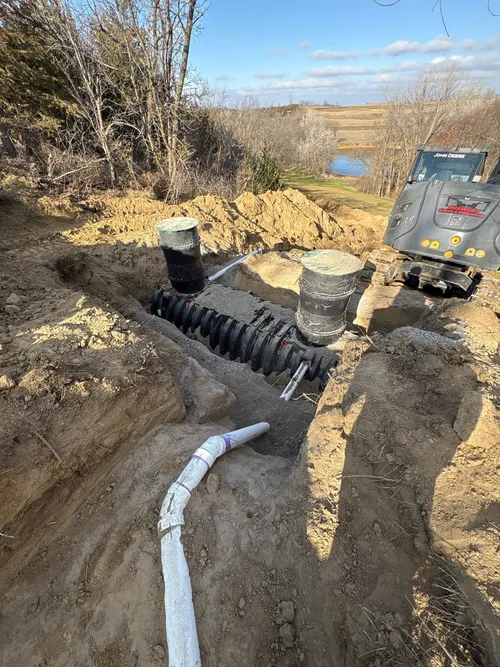
Midwest Septic & Excavating LLC
22377 Sumac Rd, Neola, IA 51559
Midwest Septic & Excavating LLC is a septic system repair and installation company serving Omaha, NE, and the surrounding Council Bluffs, IA area. Established in 2021, the company offers septic system installation, including EcoFlo systems, septic repairs, and excavation services such as trenching and site preparation. Their certified experts handle both new and existing home septic projects with a focus on quality workmanship.

Norm's Pumping Service Inc
20418 Husker Ln, Council Bluffs, IA 51503
Norm's Pumping Service Inc provides septic system services including pumping, inspections, repairs, and installations in Omaha, NE. With over 70 years of experience since 1954, they serve both residential and commercial clients. Their capabilities include septic pump repairs and certified septic tank inspections, as well as grease trap maintenance to prevent sewer line clogs. Norm's offers emergency and routine septic pumping to help maintain system performance.
Understanding Septic System Regulations in Douglas County
All septic system maintenance and repair work in Omaha and Douglas County is governed by state and local codes. The Nebraska Department of Environment and Energy (NDEE) sets the statewide rules under Title 124, while the Douglas County Health Department (DCHD) enforces them locally 1. This framework is designed to prevent groundwater contamination, which is a critical concern for areas relying on private wells.
A cornerstone of these regulations is the certification requirement. Only Nebraska-certified installers, pumpers, or inspectors are legally permitted to perform septic tank repairs, inspections, or pumping 2. Hiring an uncertified individual can result in improper repairs that fail inspection, void warranties, and potentially lead to fines. Furthermore, most repair work requires a permit from the DCHD before any digging or replacement begins. This permit process ensures the proposed fix complies with all health and safety codes. It's important to note that all completed repairs must be inspected and approved by the DCHD before the excavation is backfilled.
Another key rule involves system setbacks. Your septic tank and drain field must be located at least 100 feet from any private well or surface water body 3. This distance helps safeguard drinking water sources from potential contamination. Regular maintenance is also codified: the DCHD mandates that septic tanks be inspected at least every four years and pumped when the combined sludge and scum layers exceed 25% of the tank's liquid depth 3 4. Staying on top of this schedule is the best way to avoid major, costly failures.
Common Septic System Problems Requiring Repair
Septic systems are robust but can develop issues over time. Recognizing the signs early can mean the difference between a minor fix and a full system replacement. Here are the most frequent problems that necessitate professional septic repair services in Omaha.
- Baffle Repair or Replacement: The inlet and outlet baffles inside your tank are crucial. They prevent floating scum from exiting into the drain field and stop solids from clogging the outlet pipe. If these baffles are damaged or missing, untreated waste can flow into and quickly clog your drain field, leading to system failure. Repairing or replacing baffles is a common and critical fix.
- Riser and Lid Issues: Modern codes require secure, watertight risers that extend from the tank lids to the ground surface. Old systems often have buried lids, making inspection and pumping difficult. Damaged or missing risers and lids can allow surface water and debris to enter the tank, overloading the system, and pose a serious safety hazard 5. Installing new, code-compliant risers is a standard upgrade.
- Pipe Damage and Root Intrusion: The pipes connecting your home to the tank and the tank to the drain field can crack, collapse, or become blocked. Tree roots are a common culprit, seeking moisture and nutrients, which can cause severe clogs or breaks in the piping 6. Repair involves locating the break, removing the roots, and repairing or replacing the damaged pipe section.
- Drain Field (Leach Field) Failure: This is often the most serious and expensive repair. A failing drain field shows signs like soggy ground or standing water over the field, sewage odors, or unusually lush grass growth. Failure occurs when the soil becomes permanently clogged with biomat, preventing effluent from percolating. Solutions range from drain field rehabilitation techniques like high-pressure jetting (hydrojetting) to installing new lateral lines or a completely new drain field 7 8.
- Component Failure in Advanced Systems: If your property requires a pump (dosing) tank to move effluent to the drain field, mechanical or electrical failures can occur. Pump repair or replacement, along with associated float switches and alarms, is a specialized repair.
The Professional Inspection: The First Step to a Proper Fix
You should never proceed with septic system repairs without a thorough professional inspection. A certified inspector will perform a comprehensive evaluation to pinpoint the exact cause of your system's trouble 9. A standard inspection includes:
- Locating and Exposing the tank, distribution box, and drain field for access.
- Pumping the Tank to allow for a clear internal inspection.
- Assessing Tank Integrity by measuring sludge/scum levels, checking for cracks, and inspecting the condition of inlet/outlet baffles and tees 10.
- Checking Inspection Pipes to ensure 6-inch diameter pipes are present over the inlet and outlet devices as required 11.
- Evaluating the Drain Field for signs of saturation, odor, or surfacing effluent.
- Testing System Components like pumps and alarms in advanced systems 12.
This inspection report will form the basis of any repair plan and is often required by the county for a repair permit.
Find the perfect septic system repair companies for your needs
Get personalized recommendations and expert advice
Understanding Repair and Replacement Costs
The cost of fixing your septic system in Omaha varies dramatically based on the problem's scope. It's always wise to get multiple estimates from certified professionals. Here's a general breakdown of potential costs:
- Inspection Fees: A standard inspection, often required for home sales or repair permits, typically has a set fee from a Certified Use Permit Inspector.
- Minor Repairs: Fixing a broken pipe, replacing a baffle, or installing a new riser and lid can range from a few hundred to over $1,000, depending on labor and materials 13 14.
- Major Component Replacement: Replacing a septic tank pump or electrical components usually falls between $1,000 and $3,000+ 15.
- Drain Field Work: This is the most significant expense. Repair costs for a drain field are often calculated per linear foot for new lateral lines. Complete drain field replacement is a major excavation project, with costs varying widely based on soil conditions, system size, and local permitting requirements.
- Permit Fees: Remember to factor in the required fees paid to the Douglas County Health Department for the repair permit 16 17.
A critical local rule to be aware of: if your septic system fails and your property is within 200 feet of an available public sewer line, the Douglas County Health Department may order you to connect to the municipal sewer instead of repairing the septic system 18. This is a mandatory connection aimed at long-term public and environmental health.
Maintaining Your System After Repair
Once your system is repaired and approved, proper maintenance is key to protecting your investment. Adhere to the DCHD's four-year inspection schedule and pump as needed. Be mindful of what goes down your drains-avoid grease, harsh chemicals, and non-biodegradable items. Conserve water to avoid hydraulically overloading the system, and never drive or build over the tank or drain field. A well-maintained septic system can last for decades, providing reliable and safe wastewater treatment for your home.
Frequently asked questions
Sources
Footnotes
-
Onsite Wastewater Treatment Facilities: Just for Homeowners - https://dee.nebraska.gov/water/surface-water/wastewater/just-homeowners ↩
-
Septic Services - Omaha, NE | Quick Fix Septic - https://www.septicserviceomaha.com/ ↩
-
Septic System FAQs - Douglas County - https://www.douglas.co.us/health-department/septic-system-faqs/ ↩ ↩2
-
All About DWEE: Onsite Septic Systems - https://dee.nebraska.gov/news-events/press-releases/all-about-dwee-onsite-septic-systems ↩
-
Septic Tank Repair and Installation in Omaha and Lincoln, NE - https://www.grunwaldmech.com/septic-tank-repair-and-installation ↩
-
Omaha Septic Pros | Septic Tank Services and Pumping - https://omahasepticpros.com/ ↩
-
Septic System Repair & Emergency Services in Omaha - https://omahasepticpros.com/septic-system-repair-emergency-services/ ↩
-
Residential Onsite Wastewater Treatment: Septic Tank Design ... - https://extensionpubs.unl.edu/publication/219/html/view ↩
-
Septic Inspection in Omaha, Nebraska - Crown Pumping - https://crownpumping.com/septic-inspection-in-omaha-ne/ ↩
-
Your Septic System is Your Responsibility! - https://northeasthealthdistrict.org/wp-content/uploads/2023/05/homeowner_guide_long.pdf ↩
-
Septic and Holding Tanks Fact Sheet A septic tank or holding ... - https://dee.nebraska.gov/sites/default/files/publications/12-036%20Septic%20and%20Holding%20Tank%20Fact%20Sheet.pdf ↩
-
DIY vs Professional Septic Inspections: Do You Need Pro Help? - https://www.sterlingsepticandplumbing.com/blog/diy-vs-pro-septic-inspections/ ↩
-
How Much Does a Leach or Drain Field Replacement Cost? (2026) - https://homeguide.com/costs/drain-leach-field-replacement-cost ↩
-
Septic System Repair & Emergency Services in Omaha - https://omahasepticpros.com/septic-system-repair-emergency-services/ ↩
-
Repair Fact Sheet - https://dee.nebraska.gov/sites/default/files/publications/12-035_Repair_Fact_Sheet.pdf ↩
-
Use Permits (Septic Systems) - Douglas County - https://www.douglas.co.us/health-department/use-permits-septic-systems/ ↩
-
Onsite Wastewater Fees, Certifications, & Permits | DWEE NE - https://dee.nebraska.gov/water-quality/wastewater/onsite-wastewater-program/professional-certification/onsite-wastewater-fees-certifications-permits ↩
-
ARTICLE XXI. - PRIVATE SEWAGE TREATMENT SYSTEMS | Code ... - https://library.municode.com/ne/omaha/codes/code_of_ordinances?nodeId=OMMUCOCHGEORVOII_CH49PL_ARTXXIPRSETRSY_DIV4CORE ↩