
Find the Best Septic System Repair Companies for Your Business
No obligation • Fast responses • Nationwide coverage

Why you can trust Septic Spot
Septic Spot is a leading United States resource for understanding and comparing septic services. Our editors review providers using consistent criteria and verify key business details. Listings and scores are independent, and companies cannot pay to influence our content.
Search providers near you
Top Septic System Repair Companies in Niagara Falls, New York Ranked
Maintaining a functional septic system is a critical responsibility for homeowners in Niagara Falls. When issues arise, timely and proper septic system repair is essential to protect your property, your family's health, and the local environment, including the sensitive watershed near the falls. This guide explains the common types of septic repairs, the local regulatory process, and how to navigate finding qualified professionals to service your onsite wastewater treatment system.
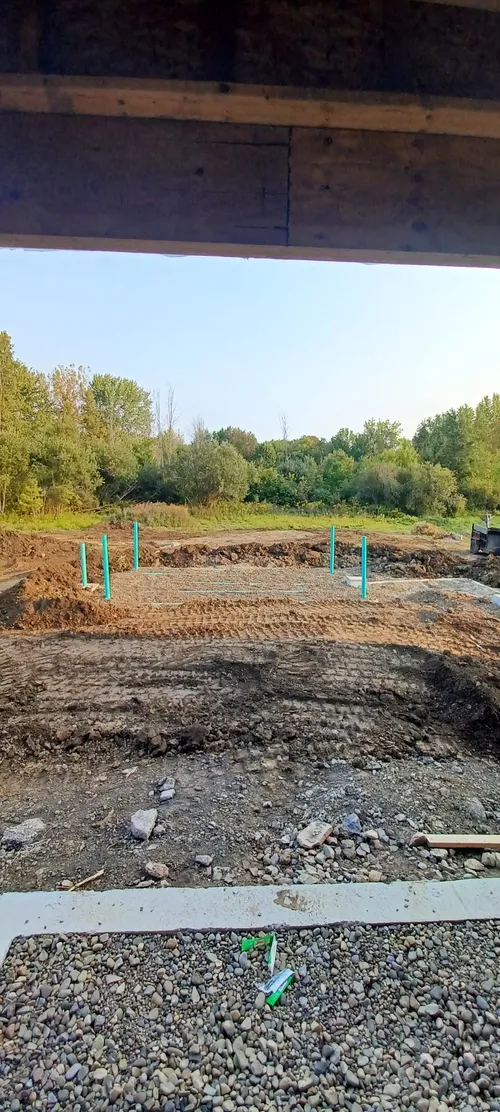
Understanding Your Septic System and Common Failures
A residential septic system is a private wastewater treatment plant, typically consisting of a tank and a soil absorption field (often called a drain field or leach field). Solids settle in the tank, where bacteria begin breaking them down, while liquid effluent flows out to the drain field for final treatment in the soil. Repairs become necessary when any part of this system fails. In Niagara Falls, common signs of failure include slow-draining fixtures, sewage odors indoors or outdoors, soggy ground or lush green grass over the drain field, and surfacing sewage 1.
These symptoms often point to specific problems:
- Tank Issues: Structural cracks, failed baffles (which keep solids in the tank), or excessive sludge buildup requiring more frequent pumping.
- Line Problems: Broken or clogged pipes connecting your house to the tank or from the tank to the distribution box.
- Drain Field Failure: This is the most serious and costly issue, where the soil can no longer absorb and treat the liquid effluent, often due to compaction, biomat buildup, or hydraulic overload.
The Diagnostic Process: From Inspection to Repair Plan
Before any septic system repair can begin, a thorough diagnosis is required. Licensed professionals typically follow a multi-step process to pinpoint the exact issue.
- Visual Site Assessment: A technician will walk your property, looking for the visual and olfactory signs of failure mentioned above.
- Locating and Accessing: The exact locations of the tank, distribution box, and drain field lines must be uncovered. This may involve probing or using electronic locating equipment.
- Tank Pumping and Inspection: The tank is pumped out by a licensed hauler, who will examine the tank's interior, check baffle conditions, and assess the levels of sludge and scum. This routine maintenance, needed every 2-3 years, is often the first step in an evaluation.
- Advanced Testing: For suspected line or drain field issues, professionals may use specialized tools. Tracer dye tests can reveal leaks, while sewer camera inspections can identify blockages or broken pipes within the lateral lines. A full system inspection in the region, including these methods, can cost between $1,400 and $1,500 2.
Based on this evaluation, the professional will determine if a simple fix (like clearing a pipe) is possible or if a major component, like the entire absorption field, needs rehabilitation or replacement.
Navigating Niagara County Regulations and Permits
All septic system repairs and replacements in Niagara Falls must comply with regulations enforced by the Niagara County Department of Environmental Health. You cannot legally begin significant work without their approval. The process is designed to ensure repairs protect public health and groundwater.
- Permit Requirements: Any repair beyond simple pumping requires a permit. This involves submitting a design plan for review (a fee of approximately $290) and later paying for construction inspection and certification (around $355) 3 4.
- System Design Standards: Repairs must meet New York State Department of Health standards. This often means a soil evaluation (like a percolation or "perc" test) is required to determine the soil's absorption capacity. For many properties, especially those with poor soil or high water tables, an engineered design for an advanced treatment system may be necessary 5.
- Critical Setbacks: Replacement systems must adhere to strict distance requirements from wells, property lines, water bodies, and buildings. In Niagara County, setbacks from wells and watercourses can range from 100 to 200 feet.
Find the perfect septic system repair companies for your needs
Get personalized recommendations and expert advice
Types of Septic Repairs and Replacements
The scope of work for your septic service can vary widely based on the diagnosis.
- Minor Repairs: Fixing a broken pipe, replacing a damaged tank baffle, or pumping out an overfull tank are common smaller-scale fixes that may cost a few hundred to a couple thousand dollars.
- Drain Field Rehabilitation: In some cases, a failing leach field can be rejuvenated through techniques like jetting to break up biomat or adding new distribution lines. This is less invasive than a full replacement.
- Complete System Replacement: When the tank is structurally unsound or the drain field has completely failed, a full replacement is needed. This involves designing and installing a new system that complies with current codes. Costs for a full septic system replacement in the area typically range from $10,000 to $25,000 6.
- System Upgrades: If your existing conventional system cannot meet the site's conditions post-repair, you may need to install an advanced treatment system. These systems provide additional treatment of wastewater before it enters the drain field, allowing for use on sites with poorer soils.
Financial Assistance: The NYS Septic Replacement Fund
Recognizing the high cost of major repairs, New York State offers significant financial help. The NYS Septic Replacement Fund, administered locally by Niagara County, provides grants to eligible homeowners.
- Grant Details: The grant can cover up to 50% of eligible costs, with a maximum award of $10,000 7. This can dramatically reduce the out-of-pocket expense for a necessary replacement.
- Eligibility: The program typically targets middle-income homeowners and requires that the existing system be failing or pose a public health threat. The repaired or new system must also be designed to meet current standards. You should contact the Niagara County Environmental Health department directly to confirm your eligibility and apply.
Maintaining Your System Post-Repair
After investing in a repair or replacement, proper maintenance is key to protecting that investment and avoiding future problems. The EPA and NYS Department of Health recommend 8 9:
- Pumping your tank every 2-3 years, or as recommended by your inspector.
- Conserving water to avoid overloading the system.
- Avoiding flushing anything besides human waste and toilet paper.
- Never pouring grease, chemicals, or paints down the drain.
- Keeping vehicles and heavy equipment off the drain field area.
- Planning landscaping carefully over the drain field, using only grass.
Frequently asked questions
Sources
Footnotes
-
Repair or Replace? How Professionals Evaluate Septic Systems in ... - https://mackenservices.com/2025/12/repair-or-replace-how-professionals-evaluate-septic-systems-in-lancaster-ny/ ↩
-
What is involved and cost of a full septic system inspection in ... - https://www.facebook.com/groups/562934644102912/posts/2036326116763750/ ↩
-
NY State Septic Repair and Replacement Program Outline | - https://truesdalelake.com/2021/04/ny-state-septic-repair-and-replacement-program-outline/ ↩
-
Disposal - Sewage - Niagara County, NY - https://www.niagaracounty.gov/departments/a-f/environmental_health/disposal_-_sewage.php ↩
-
New York Septic License & Certification | 2024 Contractor Guide - https://www.servicetitan.com/licensing/septic/new-york ↩
-
New Directions for Local Septic System Management in New ... - https://efc.syr.edu/wp-content/uploads/2025/02/Public-Problem_Private-Property_PDF_2024_FINAL.pdf ↩
-
NYS Septic Replacement Fund - Niagara County - https://www.niagaracounty.gov/departments/a-f/environmental_health/nys_septic_replacement_fund/index.php ↩
-
Septic System Operation and Maintenance - https://www.health.ny.gov/publications/3208/ ↩
-
New Homebuyer's Guide to Septic Systems - EPA - https://www.epa.gov/sites/default/files/2017-08/documents/170803-homebuyerssepticguide_508c.pdf ↩