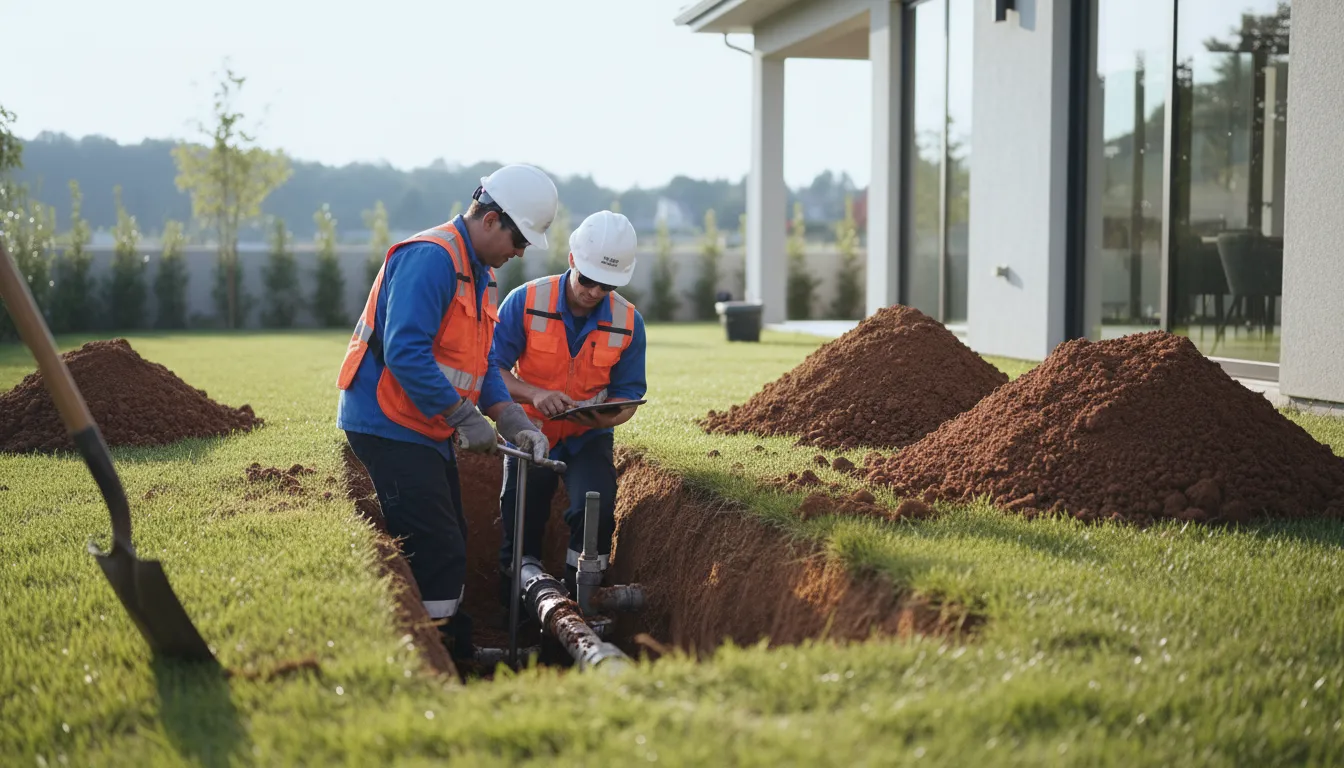
Find the Best Septic System Repair Companies for Your Business
No obligation • Fast responses • Nationwide coverage

Why you can trust Septic Spot
Septic Spot is a leading United States resource for understanding and comparing septic services. Our editors review providers using consistent criteria and verify key business details. Listings and scores are independent, and companies cannot pay to influence our content.
Search providers near you
Top Septic System Repair Companies in Albany, Oregon Ranked
A failing septic system is a serious health and environmental hazard that requires prompt, professional attention. In Oregon, all septic system repairs are regulated to protect groundwater and public health, requiring permits and licensed contractors. This guide explains the repair process, costs, and regulations specific to Oregon, helping you navigate the steps to restore your system's function safely and legally.
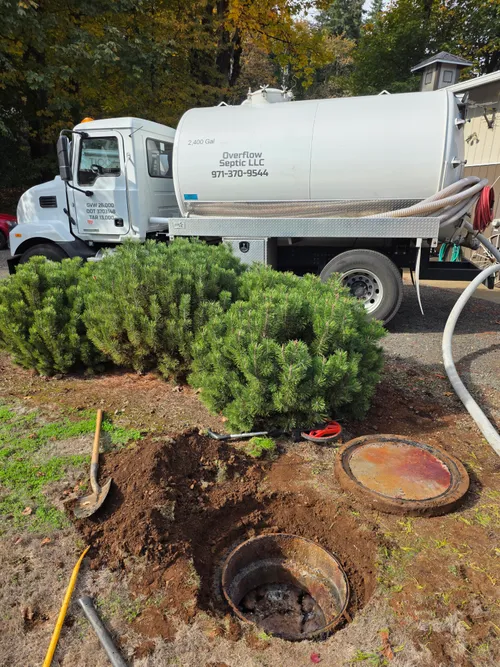
Overflow Septic LLC
Salem, OR
Overflow Septic LLC provides septic tank pumping, inspection, and repair services in Salem, OR, and surrounding areas including Silverton and Woodburn. They offer routine maintenance, system diagnostics, troubleshooting, and sewer and drain line services. The company emphasizes tailored solutions that consider the local environment and offers 24/7 emergency availability to address urgent septic issues.
Mr. Rooter Plumbing of Salem - Keizer Office
8030 Wheatland Rd N, Keizer, OR 97303
Mr. Rooter Plumbing of Salem - Keizer Office provides a range of plumbing services in Salem, OR, including septic tank inspections, septic system repairs, and drain field maintenance. They use advanced tools such as HydroScrub Drain Jetting and sewer camera inspections to diagnose and address sewer and drain issues efficiently. Their services also include trenchless sewer line replacements to minimize property disruption. The company offers comprehensive septic system care to help prevent backups and leaks, ensuring system longevity. Additionally, they provide emergency plumbing services to handle urgent situations promptly.
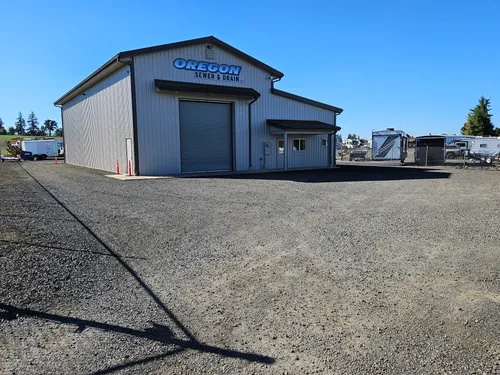
Oregon Sewer & Drain LLC
12422 Silverton Rd NE, Silverton, OR 97381
Oregon Sewer & Drain LLC is a septic tank pumping, inspection, repair, and installation company serving Salem, OR. Since 2001, they have provided residential and commercial septic, sewer, and drain services. Their capabilities include drain cleaning, jetting, video camera inspections, sewer line repairs, and trench-less pipe replacement. Oregon Sewer & Drain offers a comprehensive range of wastewater solutions for various needs.
Understanding Oregon's Septic Repair Regulations
All work on a septic system in Oregon, from fixing a broken pipe to replacing an entire drainfield, is governed by state and local rules. The Oregon Department of Environmental Quality (DEQ) sets the standards, but permitting and enforcement are typically handled by your local county health department. The core principle is that any repair, alteration, or replacement of a failed system requires a permit to ensure it meets public health and environmental standards.
The work must be performed by a professional licensed as a Sewage Disposal Service (SDS) by the DEQ. Hiring a licensed installer is not just a recommendation-it's a legal requirement for obtaining a permit and ensuring the repair is done correctly. These professionals understand the complex site and soil evaluations necessary for a lasting fix.
Types of Septic Repairs: Minor vs. Major
Oregon categorizes repairs into two main types, which dictate the permit process and scope of work.
Minor Repairs These typically involve components that do not alter the system's treatment capacity or drainfield size. Common examples include:
- Replacing a damaged septic tank or pump tank.
- Repairing or replacing a broken sewer line from the house to the tank.
- Fixing or replacing a distribution box.
- Addressing issues with risers or lids.
Minor repair permits are generally more straightforward, though they still require a licensed installer and county inspection.
Major Repairs This category involves work on the soil treatment area, most commonly the drainfield (or leach field). Major repairs are required when:
- The existing drainfield has failed and needs replacement.
- The drainfield requires expansion.
- A completely new soil treatment area must be constructed.
Major repairs are more complex and costly because they usually trigger the need for a new site evaluation to assess current soil conditions and groundwater levels 1 2. This evaluation determines the design and feasibility of the new drainfield.
The Critical Role of Site Evaluation & Soil Conditions
For major septic repairs in Oregon, understanding your property's soil and water table is paramount. A repair must address the root cause of the initial failure, which is often related to unsuitable soil conditions or high groundwater.
- Soil Percolation Test: A new percolation test is generally required for a major repair permit. This test measures how quickly water drains through your soil, determining its suitability for treating wastewater.
- Groundwater Separation: Oregon regulations mandate a minimum vertical separation between the bottom of the drainfield trenches and the seasonal high groundwater table. This distance typically ranges from 2 to 7 feet, depending on the type of system installed. Properties in coastal areas or valleys often face challenges with high water tables.
- Soil Type: Ideal soils are loamy and well-draining. Clay-heavy or extremely rocky soils may not percolate properly, limiting repair options and potentially requiring more advanced (and expensive) alternative systems.
- Setbacks: All systems must adhere to strict setback distances from wells, property lines, streams, and buildings. These are enforced during the permit review 3.
Find the perfect septic system repair companies for your needs
Get personalized recommendations and expert advice
Step-by-Step Guide to the Repair Process
Navigating a septic repair involves several key steps. Following this process ensures compliance and a successful outcome.
- Identify the Problem: Signs of failure include sewage surfacing in your yard, persistently soggy soil over the drainfield, slow-draining household fixtures, or foul odors. If you suspect a problem, contact a licensed SDS professional for a diagnosis.
- Hire a Licensed Professional: Engage a DEQ-licensed Sewage Disposal Service contractor 4. They will assess the failure, determine if a minor or major repair is needed, and guide you through the permitting process.
- Submit the Permit Application: Your contractor will typically handle the application, submitting it to your local county health department. For major repairs, this includes the site evaluation results and a proposed system design 5.
- Perform the Repair Work: Once the permit is issued (valid for one year), the licensed professional completes the repair according to the approved plans 6 7.
- Final Inspection: After construction, the county inspector must visit the site to approve the work before the system can be covered and put back into use. Do not backfill the work until it has been inspected.
Understanding Repair Costs in Oregon
The cost to fix a septic system in Oregon varies dramatically based on the repair type, system size, and, most significantly, your site's conditions.
- Minor Repairs: Fixing a broken pipe or replacing a tank lid may cost a few hundred dollars. More involved minor repairs, like tank replacement, often start in the range of $1,000 to $3,000 8.
- Major Repairs (Drainfield Replacement): This is where costs escalate. Replacing a conventional drainfield typically ranges from $3,000 to $10,000 or more, depending on size and accessibility 9.
- Alternative System Repairs: If your site has poor soil or a high water table, a conventional drainfield may not be possible. Repairing or installing an alternative system-like a sand filter, mound, or aerobic treatment unit (ATU)-can be significantly more expensive, often ranging from $15,000 to $25,000+10 11.
These costs cover design, permits, excavation, materials, and labor. It's crucial to get detailed estimates from multiple licensed contractors.
Special Considerations for Oregon Homeowners
- Oregon Coast & High Water Table Areas: Coastal properties and many valleys contend with high groundwater. Repairs here are strictly regulated to prevent contamination, often requiring engineered alternative systems with specific setbacks from tidally influenced waters 12 13.
- Alternative Treatment Technologies (ATTs): When soil conditions are poor, an ATT system may be the only repair option. These systems provide additional treatment before effluent reaches the soil and require specific maintenance plans.
- System Maintenance is Key: The best way to avoid a costly repair is through regular maintenance, including pumping the tank every 3-5 years. Proper care extends the life of your drainfield significantly 14.
Frequently asked questions
Sources
Footnotes
-
REPAIR PERMIT FOR A SEPTIC SYSTEM PROCEDURE ... - https://www.washingtoncountyor.gov/hhs/documents/repair-permit-pack/download?inline ↩
-
OAR 340, Division 71 - Onsite Wastewater Treatment Systems - https://secure.sos.state.or.us/oard/displayDivisionRules.action?selectedDivision=1479 ↩
-
Oregon Septic System Requirements - Greenbar Excavation - https://greenbarexcavation.com/oregon-septic-system-requirements/ ↩
-
Sewage Disposal Service Business Licensing : Residential Resources - https://www.oregon.gov/deq/residential/pages/onsite-licensing.aspx ↩
-
Department of Environmental Quality : Residential Septic Permitting - https://www.oregon.gov/deq/residential/pages/residentialseptic.aspx ↩
-
Septic Permits: New Construction, Repairs, and Alterations - https://www.portland.gov/ppd/septic-permits ↩
-
REPAIR PERMIT FOR A SEPTIC SYSTEM PROCEDURE & CRITERIA - https://www.washingtoncountyor.gov/hhs/documents/repair-procedure-and-criteria/download?inline ↩
-
Failed Septic System Repair Cost | A Complete Guide 2025 - https://www.barnesseptic.com/post/failed-septic-system-cost ↩
-
Septic System Design and Planning - NorthEast Classic Engineering - https://neclassicengineering.com/septic-services/septic-system-design-and-planning/ ↩
-
How Much Does It Cost to Replace a Septic System? - https://alphaenvironmental.net/blog/how-much-cost-replace-septic-system/ ↩
-
ALTERNATIVE TREATMENT TECHNOLOGY (ATT) SYSTEM GUIDE - https://www.deschutes.org/sites/default/files/fileattachments/community_development/page/11743/att_guide.pdf ↩
-
Septic Systems Oregon Coast Guide for Homeowners - https://audrascoasthomes.com/blog/septic-systems-and-sewer-lines-what-every-oregon-coast-homeowner-should-know ↩
-
Existing Residences in High Groundwater Areas - https://www.deschutes.org/cd/page/existing-residences-high-groundwater-areas ↩
-
About Septic Systems : Residential Resources - Oregon.gov - https://www.oregon.gov/deq/residential/pages/onsite-about.aspx ↩