
Find the Best Septic System Repair Companies for Your Business
No obligation • Fast responses • Nationwide coverage

Why you can trust Septic Spot
Septic Spot is a leading United States resource for understanding and comparing septic services. Our editors review providers using consistent criteria and verify key business details. Listings and scores are independent, and companies cannot pay to influence our content.
Search providers near you
Top Septic System Repair Companies in Portland, Oregon Ranked
A failing septic system is more than an inconvenience; it's a public health and environmental concern that requires immediate, professional attention. Septic system repair involves diagnosing and fixing issues with your onsite wastewater treatment system, from the tank to the drainfield. In Portland, this work is strictly regulated to protect local groundwater and community health. This guide explains the local repair process, regulations, and how to connect with licensed professionals who can restore your system to proper function.
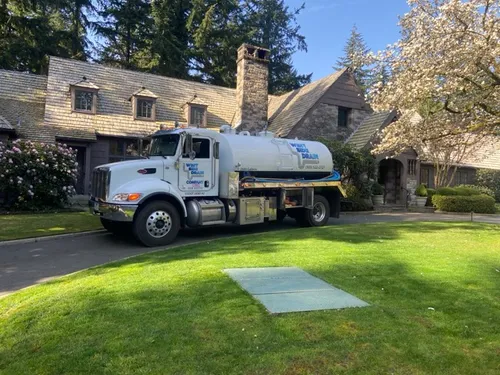
West Side Drain and Septic
Hillsboro, OR
West Side Drain and Septic is a septic tank pumping, inspection, repair, and pump replacement company serving Hillsboro, OR, and the greater Portland Metro Area. With over 16 years of experience, they provide comprehensive septic system services including 24-hour drain cleaning and emergency repairs. Their fully equipped trucks and trained technicians handle a wide range of septic and drain issues, ensuring thorough diagnosis and effective solutions. The company is family owned, licensed, and insured, with a focus on clear communication and quality workmanship.
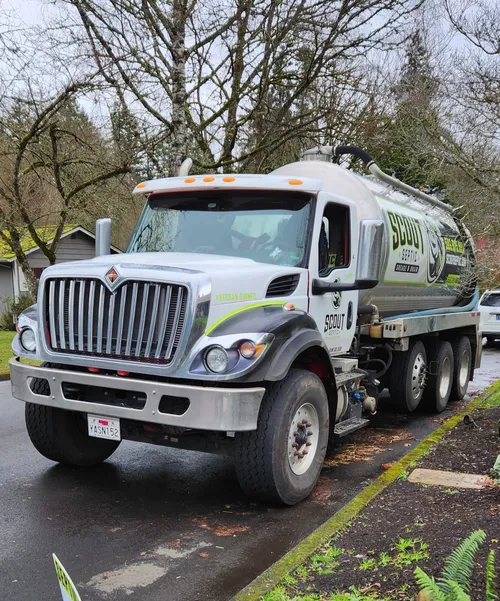
Scout Septic, Grease & Drain
15535 SE 287th Ave, Boring, OR 97009
Scout Septic, Grease & Drain provides septic tank pumping, inspection, repair, and installation services in Portland, OR. They also specialize in grease trap cleaning, pipe and drain cleaning including hydro jetting, as well as grading and excavation for residential and commercial properties. The company uses modern equipment and techniques to maintain and repair wastewater systems efficiently. Scout Septic offers 24/7 availability to address emergency needs and ensure continuous service.
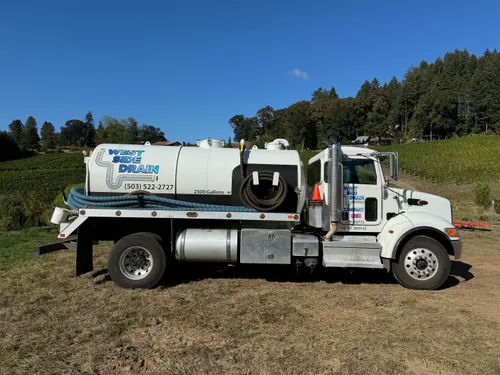
West Side Drain and Septic
9460 SW Tigard St STE 102 A, Tigard, OR 97223
West Side Drain and Septic is a septic tank pumping, inspection, and repair company serving Portland, OR, and the surrounding metro area. They provide comprehensive septic system services including maintenance, repairs, and emergency drain cleaning. The company is equipped with fully stocked service vehicles and uses advanced tools like cameras and drain scrubbing equipment to diagnose and resolve issues efficiently. With over 16 years of experience, West Side Drain and Septic offers 24-hour service to address urgent plumbing and septic needs.
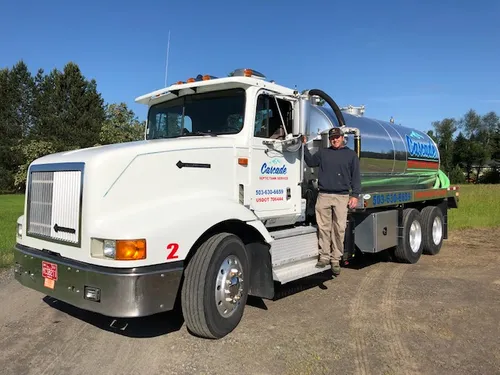
Cascade Septic Tank Service
Portland, OR
Cascade Septic Tank Service is a family-, veteran-, and woman-owned business serving Portland, OR, and Clackamas County with over 45 years of experience. They provide a range of septic services including pumping, inspection, repair, installation, and troubleshooting technical issues. The company is DEQ- and Orenco-certified, ensuring adherence to high standards of quality and environmental responsibility. Cascade Septic Tank Service is committed to environmentally friendly solutions and offers military and senior discounts.
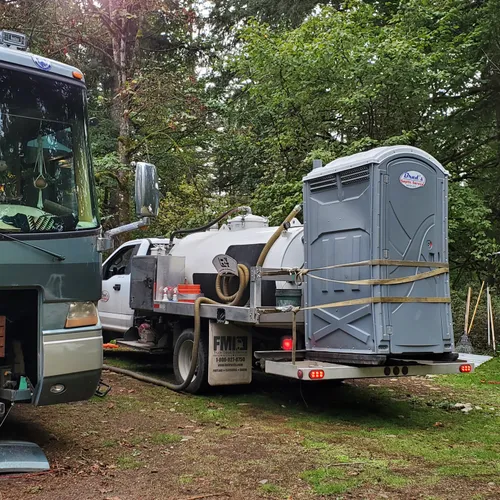
Brad's Septic Service
21808 NE 22nd Ave, Ridgefield, WA 98642
Brad's Septic Service is a septic system repair company located near Vancouver, WA. They address common septic issues such as slow drains, sewage odors, standing water, and backups inside the home. Their services focus on diagnosing and repairing septic system problems to prevent further damage and sanitation concerns.
Understanding Septic System Failures
A septic system is a complex, buried network that treats household wastewater. When it fails, the consequences can be severe. Common signs of a failing system include sewage backing up into household drains, foul odors around the tank or drainfield area, soggy ground or surfacing liquid over the drainfield, and unusually lush grass growth near the system components. These symptoms indicate that wastewater is not being properly treated and absorbed into the soil, posing a risk of contaminating groundwater and surface water.
In the Portland area, the climate and soil conditions can accelerate system failure. Heavy seasonal rains can saturate the soil, reducing the drainfield's ability to absorb effluent. Older systems, particularly those with metal or deteriorating concrete tanks, are more susceptible to cracks and collapse. Understanding the root cause of the failure is the critical first step, as it determines whether you need a simple fix or a major overhaul.
Portland's Regulatory Landscape for Septic Work
All septic system maintenance and remediation in Portland is governed by state and local regulations. The Oregon Department of Environmental Quality (DEQ) sets the statewide standards, while local oversight is managed by county health departments or, within city limits, the City of Portland's Permitting & Development department 1. This layered regulatory framework ensures repairs meet strict environmental and public health codes.
The cornerstone of this regulation is the permit system. It is illegal to perform any repair, alteration, or installation on a septic system without the proper permit. The type of permit required depends entirely on the scope of the work needed to correct the malfunction. Engaging in unpermitted work can result in significant fines and may complicate the sale of your property, as septic system status is a key part of real estate disclosures.
The Two-Tier Permit System: Minor vs. Major Repairs
Local authorities classify septic fixes into two distinct categories, each with its own process.
Minor Repair Permit
A Minor Repair Permit is for work that does not involve replacing the soil absorption area (drainfield). This is typically for addressing issues contained to the tank or connecting piping. Common projects that fall under a minor repair include:
- Replacing a damaged or failing septic tank.
- Repairing or replacing broken inlet/outlet pipes or a distribution box.
- Addressing issues with an alternative treatment component (like a pump tank) that is not the primary drainfield.
The process for a minor repair is generally more streamlined, as it often doesn't require new soil evaluation.
Major Repair Permit
A Major Repair Permit is required when the fix involves the drainfield or soil absorption area. This is necessary when the existing drainfield has failed and cannot be restored. Situations requiring a major permit include:
- Replacing all or part of a failing drainfield.
- Installing a new soil absorption system.
- Adding or replacing an advanced treatment technology, such as a sand filter or aerobic treatment unit (ATU) 2.
A major repair is a significant undertaking because it often requires a new Site Evaluation Report. This involves digging soil test pits (typically 2-6 holes) on your property to assess soil composition, depth to bedrock, and water table levels to design a new, functional system 3.
The Step-by-Step Repair Process in Portland
Navigating a septic system restoration involves a clear sequence of steps. Following this process ensures the work is done legally, safely, and effectively.
- Engage a Licensed Professional: Your first call should always be to a DEQ-licensed septic system installer or pumper. Only licensed professionals can legally perform the work and submit the required paperwork to the city or county.
- Evaluation and Diagnosis: The professional will inspect your system to diagnose the problem. They will determine if it's a tank issue, a drainfield failure, or a problem with other components. This diagnosis dictates the permit path.
- Permit Application: Your licensed installer will help you file the correct permit application (Minor or Major) with the City of Portland's Permitting & Development department or the relevant county environmental health office. The application will include details about the proposed corrective work 4.
- Site Inspection (If Required): For major repairs, a local onsite agent from the permitting authority will visit to review the soil test pits and approve the design and location for the new drainfield 5.
- Perform the Repairs: Once the permit is issued, the licensed professional completes the physical work. This could range from pumping out a tank and repairing a baffle to a full excavation and installation of a new tank and drainfield network.
- Final Inspection and As-Built Submission: After the work is done, the installer must schedule a final inspection. They are also required to submit an "as-built" drawing to the city, which is an accurate map of the repaired system's location and components for future reference 6 7.
Find the perfect septic system repair companies for your needs
Get personalized recommendations and expert advice
Common Types of Septic Repairs in the Portland Area
The specific corrective actions needed depend on the nature of the failure. Here are some of the most common septic fixes performed by local professionals.
Tank Repairs and Replacement: Older concrete tanks can crack, and metal tanks can corrode, leading to leaks and groundwater contamination. A full tank replacement involves excavating the old tank, disposing of it properly, and installing a modern, pre-cast concrete or fiberglass tank 8 9. Minor tank-related fixes might include pumping out accumulated solids (if they exceed 40% of the tank's capacity) or repairing internal baffles 10.
Drainfield Rehabilitation and Replacement: This is often the most complex and costly repair. If a drainfield is failing due to clogging or soil saturation, options include installing a completely new trench system in a different area of the property. In some cases, a "capping fill" repair-where the existing drainfield is covered with suitable soil and a new one is built above it-might be an option, depending on the site evaluation 11 12.
Component and Pipe Repairs: Broken pipes between the house and tank or between the tank and drainfield can cause backups and surface pooling. Repairing or replacing these effluent sewers and distribution boxes is a common fix that falls under a minor repair permit.
Cost Considerations for Septic System Remediation
Septic repairs represent a significant financial investment for homeowners, and costs in Portland can vary widely based on the repair's complexity, soil conditions, and system size.
- Permit Fees: The city and county charge fees for permit review and inspection. These vary by project type; for example, a Major Repair/Alternative Treatment system permit can cost over $3,000, while a Minor Repair permit is less expensive 13.
- Minor Repairs: Basic pumping and minor tank repairs typically range from $500 to $1,500.
- Major Repairs: A full drainfield replacement or major system overhaul is a substantial project. Costs frequently range from $10,000 to $30,000 or more, especially if the site has challenging soil, steep slopes, or limited space 14 15.
Financial Assistance: Homeowners should inquire about potential help. In the past, federal funding (like ARPA) has been distributed through local governments for repairing failing systems. Some counties may also offer low-interest loan or grant programs for qualifying homeowners to help manage these unexpected expenses.
Emergency Repairs and Immediate Actions
A septic system failure can constitute an immediate public health hazard. If you experience sewage backing up into your home or surfacing wastewater, you must act quickly.
- Conserve Water: Immediately reduce all water use in the home to prevent adding more volume to the failed system.
- Contact Authorities: For an immediate health hazard within Portland, contact the Environmental Soils Section at 503-823-6892 16.
- Call a Licensed Professional: Contact a DEQ-licensed installer or pumper for an emergency assessment. They can provide immediate interventions, such as pumping the tank to alleviate the hazard, while a permanent repair plan is developed.
Frequently asked questions
Sources
Footnotes
-
Repair Permit for a Septic System Procedure and Criteria - https://www.washingtoncountyor.gov/hhs/documents/repair-procedure-and-criteria/download?inline ↩
-
About Septic Systems : Residential Resources - Oregon.gov - https://www.oregon.gov/deq/residential/pages/onsite-about.aspx ↩
-
Residential Septic Permitting - Oregon.gov - https://www.oregon.gov/deq/residential/pages/residentialseptic.aspx ↩
-
Septic Frequently Asked Questions | Clackamas County - https://www.clackamas.us/septic/faq.html ↩
-
Documents | Permitting & Development - Portland.gov - https://www.portland.gov/ppd/documents?keywords=&order=created_1&sort=asc&page=0%2C26 ↩
-
Septic Installation Permits - Portland.gov - https://www.portland.gov/ppd/documents/septic-installation-permits/download ↩
-
Procedures and Requirements for Installing a New Septic ... - https://www.clatsopcounty.gov/media/25581 ↩
-
Septic Frequently Asked Questions - Clackamas County - https://www.clackamas.us/septic/faq.html ↩
-
Guide for Septic Tank Replacement - Clackamas County - https://www.clackamas.us/septic/guideseptictankreplace.html ↩
-
About Septic Systems : Residential Resources - Oregon.gov - https://www.oregon.gov/deq/residential/pages/onsite-about.aspx ↩
-
Septic Permits: New Construction, Repairs, and Alterations - https://www.portland.gov/ppd/septic-permits ↩
-
Repair Permit Guide for Septic Systems - Oregon.gov - https://www.oregon.gov/deq/FilterDocs/os-RepairPermit.pdf ↩
-
§ 7 - Multnomah County - https://multco.us/file/resolution_establishing_fees_and_charges_for_chapters_27_and_29%2C_community_services%2C_of_the_multnomah_county_code_and_repealing_resolution_2020-023./download ↩
-
Onsite Septic Resources in Oregon - https://www.oregon.gov/deq/residential/pages/onsite-loans.aspx ↩
-
Cascade Septic Tank Service - https://www.google.com/viewer/place?mid=/g/11rxtz1nbn ↩
-
Septic Installation Permits - Portland.gov - https://www.portland.gov/ppd/documents/septic-installation-permits/download ↩