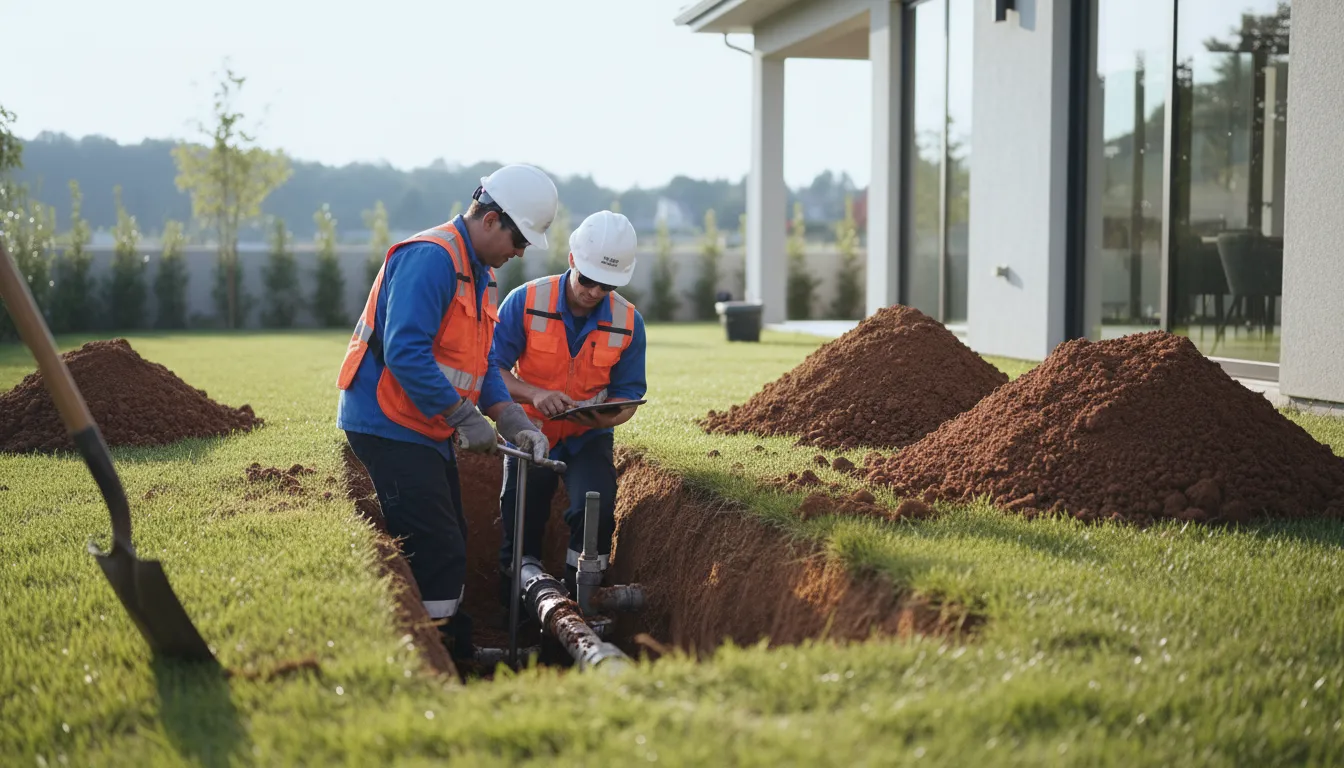
Find the Best Septic System Repair Companies for Your Business
No obligation • Fast responses • Nationwide coverage

Why you can trust Septic Spot
Septic Spot is a leading United States resource for understanding and comparing septic services. Our editors review providers using consistent criteria and verify key business details. Listings and scores are independent, and companies cannot pay to influence our content.
Search providers near you
Top Septic System Repair Companies in Eugene, Oregon Ranked
When your home's wastewater system fails, it's more than an inconvenience-it's a pressing environmental and health concern that requires immediate, expert attention. Septic system repair involves diagnosing and fixing issues with your septic tank, drainfield, or connecting pipes to restore proper function and prevent contamination. In Eugene, these repairs are strictly regulated to protect our local groundwater and the Willamette River watershed. This guide explains the local repair process, common issues, and how to connect with licensed professionals who can ensure your system is fixed correctly and complies with all Lane County and Oregon DEQ regulations.
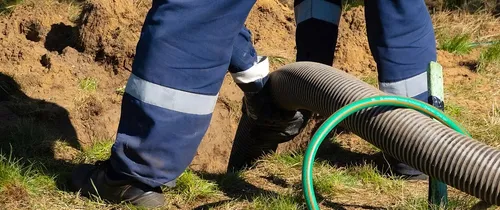
SOS Septic Pumping LLC
Eugene, OR
SOS Septic Pumping LLC is a family-owned septic service provider based in Eugene, OR, serving Lane, Linn, Benton, and Douglas Counties. They offer a range of septic system services including pumping, inspection, cleaning, maintenance, and coordination of repairs through trusted partners. Their licensed and insured team focuses on routine maintenance to prevent system failures and environmental issues, ensuring septic systems operate efficiently and comply with local regulations. With local expertise and a commitment to community health, SOS Septic Pumping supports both residential and commercial clients in maintaining their septic systems.
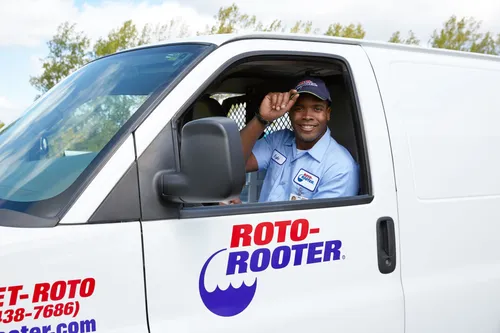
Roto-Rooter Plumbing & Water Cleanup
4048 W 1st Ave Unit B, Eugene, OR 97402
Roto-Rooter Plumbing & Water Cleanup in Eugene, OR provides a full range of plumbing services including septic tank pumping, repair, and installation. They offer 24/7 emergency plumbing and drain services for both residential and commercial customers. The company can pump out septic tanks and haul waste to approved facilities, as well as repair or replace damaged septic systems to maintain proper function. Additionally, they specialize in sump pump testing and installation, and water heater repair and installation.
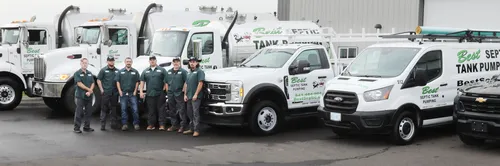
Best Septic Tank Pumping
3555 Marcola Rd, Springfield, OR 97477
Best Septic Tank Pumping is a full-service septic company serving Eugene, OR, and surrounding areas including Springfield, Salem, and Florence. They offer a wide range of septic services such as routine maintenance, septic tank pumping, inspections, repairs, and installations. Their fleet includes vacuum trucks ranging from 1,000 to 4,200 gallons, enabling efficient pumping and thorough cleaning of septic tanks. The company is family-owned and emphasizes personalized service and attention to detail. They provide 24-hour emergency septic services to address urgent needs promptly.
Understanding Septic System Repairs and Local Regulations
Septic system maintenance and repair in Eugene, Oregon, fall under the jurisdiction of Lane County Land Management Division, which partners with the Oregon Department of Environmental Quality (DEQ) to enforce state standards 1. A fundamental rule for homeowners is that repairing or altering an on-site wastewater system almost always requires a permit. This regulatory framework is designed to ensure that fixes are performed to a standard that safeguards public health and the local environment, particularly in our sensitive ecosystems.
The requirement for a licensed professional is a key part of this process. While Oregon law may technically allow a homeowner to perform their own work, the complexity of repairs and the permit process itself makes using a DEQ-licensed sewage disposal service not just a recommendation but often a practical necessity 2. These contractors understand the local soil conditions, permit application requirements, and inspection protocols, which are critical for a successful, legal repair.
The Permit Process: Major vs. Minor Repairs
The scope of your repair dictates the permit path. Lane County categorizes fixes to help streamline the process:
- Minor Repairs: These typically involve replacing specific components without altering the system's overall design or location. Examples include replacing inlet or outlet baffles, repairing a damaged pipe between the house and tank, or installing access risers. The permit process for minor repairs is generally more straightforward.
- Major Repairs: This category involves significant work that changes the system's function or footprint. The most common major repair is replacing a failed drainfield (also called a soil absorption system or leach field). Replacing the septic tank itself is also considered a major repair. These projects require a more detailed permit application and often a new site evaluation.
Before any work is covered with soil, a county inspector must visit the site to approve the repair. Once passed, you will receive a Certificate of Satisfactory Completion, which is an important document for your property records 3.
Common Septic System Repairs in Eugene Homes
What does septic system repair look like in practice? Local professionals address a range of issues, from simple part swaps to complete system overhauls.
- Septic Tank Replacement: Over decades, concrete tanks can crack and deteriorate, while even modern plastic tanks can fail. Replacing a tank involves excavating the old one, disposing of it properly, and installing a new DEQ-approved tank. Costs can range significantly based on site access and soil conditions.
- Baffle Replacement: The baffles inside your tank are crucial for preventing scum and solids from flowing into and clogging the drainfield. Broken or missing baffles are a common cause of drainfield failure and are a relatively standard repair.
- Drainfield Restoration: Sometimes a drainfield becomes sluggish due to biomat buildup or compaction rather than complete failure. Some services offer drainfield rejuvenation through techniques like high-pressure jetting or soil aeration to restore percolation, potentially postponing a full replacement4.
- Pipe Repair/Replacement: The pipes carrying effluent from your tank to the distribution box and throughout the drainfield can collapse, crush, or become blocked by roots. Excavating and replacing these pipes is a common repair task5.
- Riser Installation: While not always a "repair," adding risers (concrete or plastic tubes that bring the tank access lids to the surface) is a highly recommended upgrade. It makes future pumping, inspection, and minor repairs much easier and less costly6.
The Critical Role of Professional Inspection
Before any repair can be accurately scoped, a thorough professional inspection is essential. This diagnostic step goes far beyond simply locating the tank. A comprehensive inspection by a licensed pumper or repair specialist typically includes7 8 9:
- System Location & Pumping: The first step is often to locate all system components (tank, distribution box, drainfield) using probes and records. The tank is then pumped clean to allow for an internal inspection of baffles, tees, and the tank's structural integrity (checking for cracks or deterioration).
- Flow and Hydraulic Testing: The inspector will check that wastewater is flowing properly from the house to the tank. They will also assess how the tank discharges effluent to the drainfield, looking for signs of backup or blockage.
- Distribution Box Evaluation: The "D-box" is a critical juncture that splits flow evenly to the drainfield lines. Inspectors check that it is level and free of solids, which can cause uneven distribution and early field failure.
- Drainfield Assessment: This is the most telling part of the inspection. Professionals look for visual signs of failure: standing water or soggy soil over the field, foul sewage odors, or an actual breakout of effluent to the surface. These are clear indicators that the soil absorption area is no longer functioning10 11.
An inspection, which typically costs between $200 and $500, provides the factual basis for any repair plan and is invaluable for homeowners, whether they are troubleshooting problems, preparing for a sale, or planning routine maintenance12.
Find the perfect septic system repair companies for your needs
Get personalized recommendations and expert advice
Navigating Costs and Financial Considerations
Let's address the important question of cost. Septic system repairs are a significant investment, and it's crucial to understand the potential financial scope. It's also important to know that standard homeowners insurance policies almost never cover septic system failure or repair costs 13. You are responsible for maintaining this part of your property.
Based on regional data, here are general cost ranges for common repairs in the Eugene area14 15:
- Professional Inspection: $200 - $500
- Minor Repairs (e.g., baffle replacement, pipe repair): Several hundred to a few thousand dollars.
- Septic Tank Replacement: $5,000 - $10,000 or more, heavily dependent on tank size, material, and excavation difficulty.
- Drainfield Replacement: $15,000 - $40,000+. This is the most expensive repair due to the extensive excavation, new piping, and often the need for upgraded technology like a pressure-dosed or sand filter system.
A critical piece of advice from industry professionals is to weigh the cost of a major repair against the age and condition of the entire system. If your system is already 25-30 years old and needs a new drainfield, investing in a complete system replacement might be more cost-effective and reliable in the long run than repeatedly patching an aging system16.
Your Step-by-Step Guide to Starting a Repair Project in Lane County
Facing a septic problem can feel overwhelming, but following a clear process can make it manageable.
- Locate Your System Records: Start by contacting Lane County Land Management to request any existing septic system design records for your property (often referred to as LMD-PRO files). This original "as-built" diagram is invaluable 17.
- Hire a Licensed Pumper for an Inspection: Engage a DEQ-licensed septic pumper to locate, pump, and inspect your system. Their report will provide the technical basis for discussing repairs.
- Obtain Multiple Quotes: Contact several licensed septic system repair contractors in Lane County. Provide them with your inspection report and system records. Get detailed, written quotes that outline the scope of work, materials, and timeline18.
- Apply for the Required Permit: Once you select a contractor, they will typically help you submit the repair permit application to the Lane County Land Management Division. No work should begin until this permit is approved. The office is located at 3050 North Delta Highway, Eugene, OR 9740819 20.
- Schedule County Inspections: Your contractor will coordinate the required inspections with the county at critical stages, especially before any repaired or replaced components are backfilled.
By understanding the regulations, common problems, and local process, you can approach septic system repair with confidence, ensuring your home's wastewater is handled safely and sustainably for years to come.
Frequently asked questions
Sources
Footnotes
-
Residential Septic Permitting - Oregon.gov - https://www.oregon.gov/deq/residential/pages/residentialseptic.aspx ↩
-
Can I Install My Own Septic System in Oregon? | Lane County ... - https://www.justanswer.com/plumbing/oax1c-lane-county-oregon-put-septic-tank.html ↩
-
Inspections - Lane County - https://www.lanecountyor.gov/government/county_departments/public_works/land_management_division/building_safety/inspections ↩
-
Oregon City Septic System Maintenance Service - https://www.byersseptic.com/oregon-city-septic-system-maintenance-service/ ↩
-
Septic System Repair | Roseburg, Oregon - https://www.thego2guyroseburg.com/septic-system-repair ↩
-
Trusted Septic Tank Repair Services in Oregon - https://www.sossepticpumpingllc.com/septic-tank-repair ↩
-
How to Inspect a Private Septic System - https://www.youtube.com/watch?v=URhIPaX-csA&t=20 ↩
-
Septic System Inspection and Maintenance - https://www.youtube.com/watch?v=uzksFrBBlzM&t=36 ↩
-
Septic Tank Maintenance - Oregon.gov - https://www.oregon.gov/deq/FilterDocs/septictankmaintFS.pdf ↩
-
Easy Ways to Prepare for A Septic System Inspection - https://aosseptics.com/easy-ways-to-prepare-for-a-septic-system-inspection/ ↩
-
SEPTIC SYSTEM MAINTENANCE Homeowner's Guide - EWEB - https://www.eweb.org/documents/Customer%20Programs/source-protection/homeowners-guide-septic.pdf ↩
-
Septic Inspection In Eugene, OR: Your Complete Guide - Utatlan - https://utatlan.minegocio-go.com/global-register/septic-inspection-in-eugene-or-your-complete-guide-1767646591 ↩
-
Georgia Septic System Guide: Regulations & Maintenance Tips - https://smartsepticpros.com/blog/georgia-septic-system-regulations/ ↩
-
Repair Permit Guide for Septic Systems - Oregon.gov - https://www.oregon.gov/deq/FilterDocs/os-RepairPermit.pdf ↩
-
Real Estate Sales | Well Water Program | Oregon State University - https://wellwater.oregonstate.edu/well-water/real-estate-sales ↩
-
Septic System Information For Home Buyers In Oregon - Santiam ... - https://www.santiamseptic.com/septic-system-information-for-home-buyers-in-oregon/ ↩
-
Septic System Maintenance - Springfield Oregon - https://www.springfield-or.gov/wp-content/uploads/2016/11/septic_brochure.pdf ↩
-
SEPTIC SYSTEM MAINTENANCE - https://springfield-or.gov/wp-content/uploads/2025/02/Septic_Brochure_20250219_Web.pdf ↩
-
Septic System Information - McKenzie Rebuilds - https://www.mckenzierebuilds.org/septic-system-information ↩
-
On-Site Wastewater - Lane County - https://www.lanecountyor.gov/government/county_departments/public_works/land_management_division/on-_site_wastewater ↩