
Find the Best Septic System Repair Companies for Your Business
No obligation • Fast responses • Nationwide coverage

Why you can trust Septic Spot
Septic Spot is a leading United States resource for understanding and comparing septic services. Our editors review providers using consistent criteria and verify key business details. Listings and scores are independent, and companies cannot pay to influence our content.
Search providers near you
Top Septic System Repair Companies in Beaverton, Oregon Ranked
A failing septic system is a serious issue for any homeowner, requiring prompt and professional attention to protect your property, health, and the local environment. Septic system repair involves diagnosing and fixing problems with your onsite wastewater treatment system, from simple component replacements to full drainfield overhauls. This guide provides essential information on the repair process, local regulations, and typical services to help you navigate finding and vetting qualified professionals in the Beaverton area.
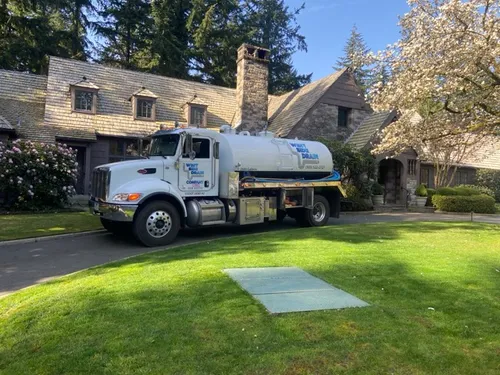
West Side Drain and Septic
Hillsboro, OR
West Side Drain and Septic is a septic tank pumping, inspection, repair, and pump replacement company serving Hillsboro, OR, and the greater Portland Metro Area. With over 16 years of experience, they provide comprehensive septic system services including 24-hour drain cleaning and emergency repairs. Their fully equipped trucks and trained technicians handle a wide range of septic and drain issues, ensuring thorough diagnosis and effective solutions. The company is family owned, licensed, and insured, with a focus on clear communication and quality workmanship.
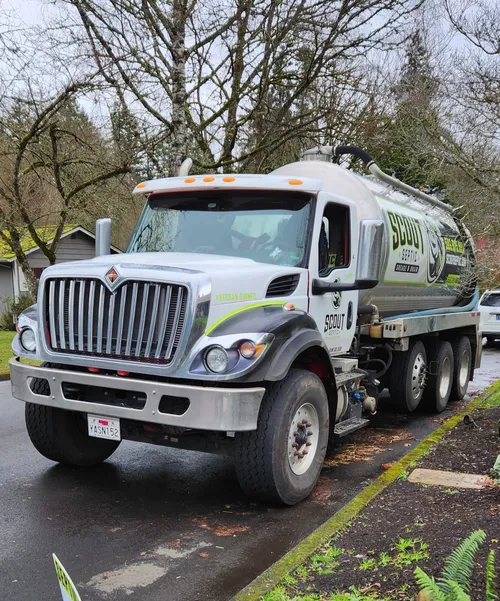
Scout Septic, Grease & Drain
15535 SE 287th Ave, Boring, OR 97009
Scout Septic, Grease & Drain provides septic tank pumping, inspection, repair, and installation services in Portland, OR. They also specialize in grease trap cleaning, pipe and drain cleaning including hydro jetting, as well as grading and excavation for residential and commercial properties. The company uses modern equipment and techniques to maintain and repair wastewater systems efficiently. Scout Septic offers 24/7 availability to address emergency needs and ensure continuous service.
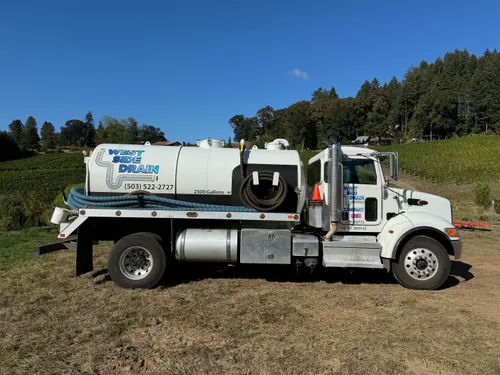
West Side Drain and Septic
9460 SW Tigard St STE 102 A, Tigard, OR 97223
West Side Drain and Septic is a septic tank pumping, inspection, and repair company serving Portland, OR, and the surrounding metro area. They provide comprehensive septic system services including maintenance, repairs, and emergency drain cleaning. The company is equipped with fully stocked service vehicles and uses advanced tools like cameras and drain scrubbing equipment to diagnose and resolve issues efficiently. With over 16 years of experience, West Side Drain and Septic offers 24-hour service to address urgent plumbing and septic needs.
Brad's Septic Service
21808 NE 22nd Ave, Ridgefield, WA 98642
Brad's Septic Service is a septic system repair company located near Vancouver, WA. They address common septic issues such as slow drains, sewage odors, standing water, and backups inside the home. Their services focus on diagnosing and repairing septic system problems to prevent further damage and sanitation concerns.

Goodman Septic Services
1009 NE Harlow Rd, Troutdale, OR 97060
Goodman Septic Services provides septic tank pumping, inspection, repair, and installation services in Portland, OR. Serving the greater Portland metropolitan area, they offer comprehensive septic system maintenance and emergency support. Established in 1948, Goodman Septic Services has over 70 years of experience and is licensed by the Oregon Department of Environmental Quality. They emphasize proactive septic system upkeep to extend system life and prevent costly repairs.
Understanding Septic System Failures
A septic system is a complex, buried network that treats household wastewater. When it fails, signs can be subtle at first but quickly become urgent. Common indicators include:
- Slow drains or sewage backups in your home.
- Soggy ground or standing water over the drainfield area.
- Unpleasant sewage odors around your yard or home.
- Unusually lush, green grass over the drainfield, even in dry weather.
Ignoring these signs can lead to contaminated groundwater, surface water pollution, and costly property damage. In Beaverton, all repairs are regulated to ensure they meet state and county environmental standards.
The Regulatory Framework: Washington County & Oregon DEQ
In Beaverton, all septic system work is managed through the Washington County Environmental Health Program, which acts as an agent for the Oregon Department of Environmental Quality (DEQ). This means you cannot simply hire a contractor to start digging. A formal Repair Construction-Installation Permit is required before any work begins to fix a failing system.
Repairs are classified into two main categories, which dictate the permit process:
- Minor Repair: This covers the replacement of a septic tank, broken pipes, or a distribution unit located outside the drainfield area.
- Major Repair: This involves the replacement or substantial alteration of the soil absorption field (drainfield), a sand filter, or an advanced treatment unit. This is a more involved process.
Understanding this classification is your first step, as it determines the scope of regulatory review and, ultimately, the project cost.
The Step-by-Step Repair Process in Beaverton
Navigating a septic fix requires following a specific sequence. Here's what you can expect:
- Application & Permit: You or your licensed installer must submit a repair permit application to Washington County Environmental Health. The application will specify whether the repair is minor or major.
- Site Evaluation: For major repairs, an Environmental Health Specialist will typically visit your property to perform a site evaluation. This often involves digging test pits to assess soil conditions, water table depth, and the extent of the failure. This evaluation determines if the site is suitable for a new drainfield.
- Approval & Repair: Once the permit is approved and the repair plan is set, the actual construction can begin. By law, the installation must be performed by either the homeowner or a DEQ-licensed installer.
- Final Inspection: A critical step called the "Pre-cover" inspection must be scheduled and conducted by the county inspector before the newly repaired or replaced components are buried with soil. Never backfill without this inspection.
Repair permits in Washington County are valid for one year from the date of issuance.
Find the perfect septic system repair companies for your needs
Get personalized recommendations and expert advice
Common Types of Septic Repairs
Professional septic service providers in Beaverton offer a range of repair solutions. The right approach depends on the diagnosis.
- Septic Tank Replacement: Over time, concrete tanks can crack or deteriorate, and older steel tanks can rust through. Replacing a damaged tank is a common minor repair.
- Drainfield Repair or Replacement: This is the most extensive and costly major repair. It involves excavating and replacing the failed leaching area with a new system, which could be a traditional pipe-and-gravel field or a modern chamber system 1 2 3.
- Component Replacement: This includes fixing or replacing clogged or broken inlet/outlet pipes, repairing a malfunctioning distribution box (D-box), or replacing deteriorated tank baffles.
- Advanced Treatment Technology (ATT): In cases where soil conditions are poor (e.g., high water table, slow permeability), a conventional system may not be feasible for repair. Licensed installers can implement alternative technologies, such as aerobic treatment units (ATUs) or sand filters, which provide a higher level of treatment before effluent enters the soil 4.
What to Expect: Service Scope & Pricing
While every job is unique, understanding general service scopes and cost ranges can help you budget and evaluate quotes.
- Diagnostic Inspection/Sewer Scope: A professional inspection using a sewer camera is often the first step to diagnose hidden problems in pipes and tanks. This typically costs $200 - $400.
- Minor Repairs: Projects like septic tank replacement generally fall in the range of $1,500 - $4,000, depending on tank size and site accessibility 5.
- Major Repairs: A complete drainfield replacement is a significant undertaking. Costs can range widely from $5,000 to $20,000 or more, influenced by system size, soil conditions, and the technology used 6 7.
- Permit Fees: Washington County charges fees for repair permits, which vary based on whether the project is classified as minor or major. It's important to contact Washington County Environmental Health directly for the current fee schedule when planning your project.
Key Contacts for Beaverton Homeowners
- Washington County Environmental Health Program: For permit applications, site evaluations, and inspections. Phone: (503) 846-8722.
- Oregon DEQ Residential Septic Information: For statewide rules and resources. Website: Oregon DEQ 8.
- Finding a Licensed Installer: The Oregon DEQ website maintains a searchable list of state-licensed onsite system installers, which is the best place to start your search for qualified local professionals 9.
Taking proactive steps at the first sign of trouble and working with knowledgeable, licensed experts is the best way to manage your septic system repair efficiently and in compliance with all local requirements.
Frequently asked questions
Sources
Footnotes
-
Repair Permit for a Septic System Procedure and Criteria - https://www.washingtoncountyor.gov/hhs/documents/repair-procedure-and-criteria/download?inline ↩
-
Repair Permit Guide for Septic Systems - Oregon.gov - https://www.oregon.gov/deq/FilterDocs/os-RepairPermit.pdf ↩
-
Onsite Sewage Permits | Washington County, OR - https://www.washingtoncountyor.gov/environmental-health/onsite-sewage-permits ↩
-
A Homeowner's Ultimate Guide to Septic Replacement or Repair: Everything You Need to Know - https://excavationplus.net/septic/a-homeowners-ultimate-guide-to-septic-replacement-or-repair-everything-you-need-to-know/ ↩
-
ALTERATION PERMIT FOR A SEPTIC SYSTEM PROCEDURE & CRITERIA - https://www.washingtoncountyor.gov/hhs/documents/alteration-procedure-criteria/download?inline ↩
-
Site Evaluation for a Septic System Procedure & Criteria - https://www.washingtoncountyor.gov/environmental-health/documents/site-evalutaion-procedures-criteria-spetic-system-approval-04-22pdf/download?inline ↩
-
Septic Systems Oregon Coast Guide for Homeowners - https://audrascoasthomes.com/blog/septic-systems-and-sewer-lines-what-every-oregon-coast-homeowner-should-know ↩
-
Residential Septic Permitting - Oregon.gov - https://www.oregon.gov/deq/residential/pages/residentialseptic.aspx ↩
-
REPAIR PERMIT FOR A SEPTIC SYSTEM PROCEDURE ... - https://www.washingtoncountyor.gov/hhs/documents/repair-permit-pack/download?inline ↩