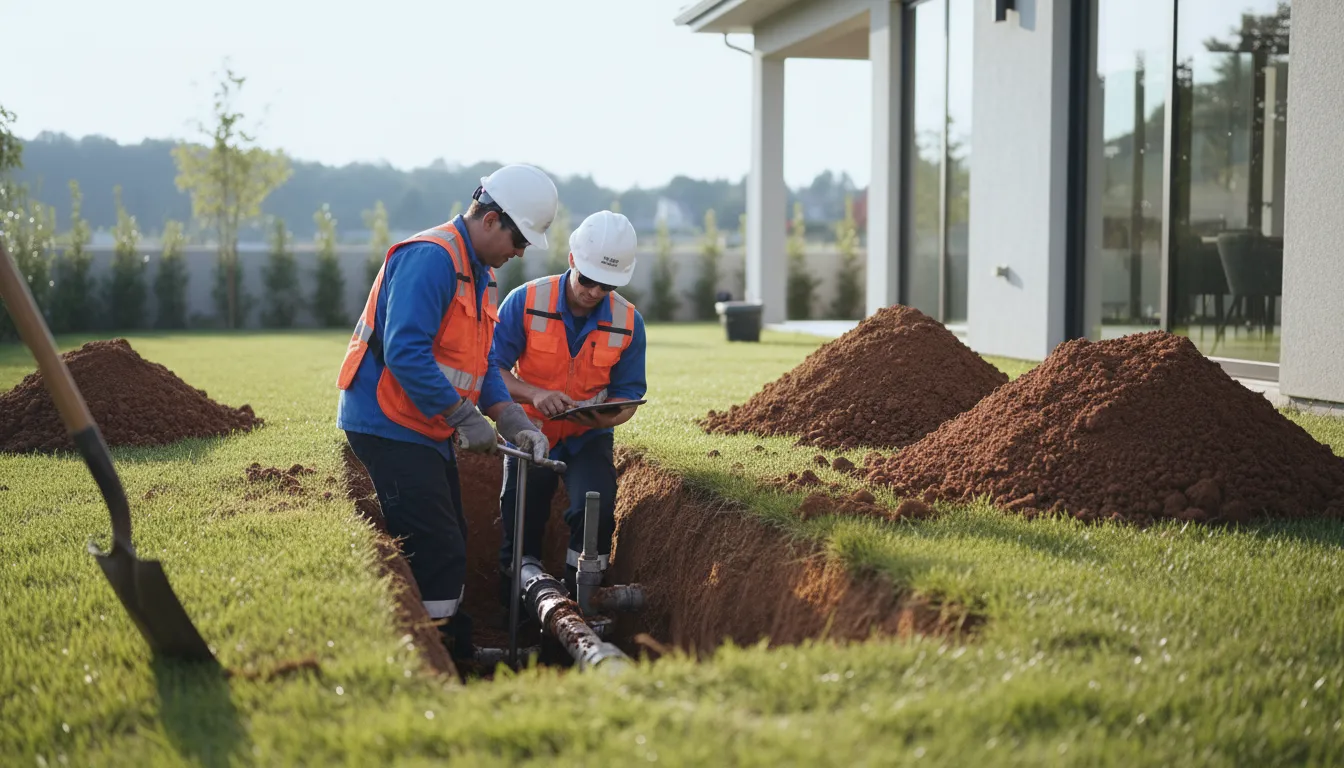
Find the Best Septic System Repair Companies for Your Business
No obligation • Fast responses • Nationwide coverage

Why you can trust Septic Spot
Septic Spot is a leading United States resource for understanding and comparing septic services. Our editors review providers using consistent criteria and verify key business details. Listings and scores are independent, and companies cannot pay to influence our content.
Search providers near you
Top Septic System Repair Companies in Sammamish, Washington Ranked
A failing septic system is more than an inconvenience; it's a serious health and environmental concern for your Sammamish property. Septic system repair involves diagnosing and fixing issues with your onsite sewage system (OSS), from minor component failures to major drainfield replacements. Proper maintenance and timely repairs are crucial to protect your home's value, local groundwater, and the health of the Sammamish Plateau ecosystem. This guide will help you understand the local repair process, costs, and regulations, empowering you to find qualified professionals to restore your system's function.
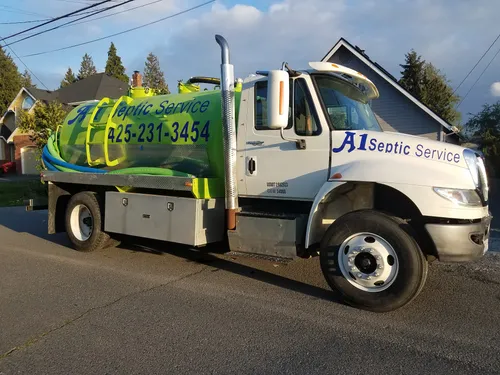
A1 Septic Service
10121 Evergreen Wy Suite 25-696, Everett, WA 98204
A1 Septic Service is a family-owned company based in Everett, WA, providing septic system pumping, inspection, and repair services. Serving Snohomish and King County, they cater to residential, commercial, and municipal customers with over 25 years of experience. Their capabilities include emergency septic pumping available 24/7 to address urgent needs promptly. Established in 1998, A1 Septic Service emphasizes thorough, licensed, and insured work with a commitment to customer satisfaction.
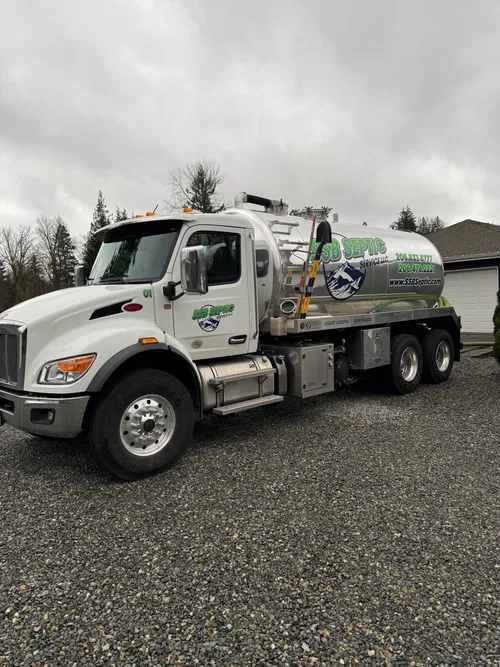
SSB Septic Services
Kent, WA
SSB Septic Services is a family-owned company serving Kent, WA, and the surrounding areas. They provide a range of septic services including tank pumping, system repair, and installation. With over a decade of experience, they focus on eco-friendly solutions and long-term customer satisfaction. The company offers 24/7 emergency response to handle urgent septic system issues promptly. Their expertise includes environmental compliance and sustainable septic system practices.
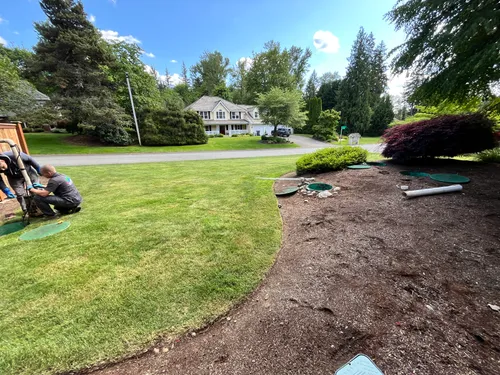
Fresh N Clean Septic
17226 NE Woodinville Duvall Rd, Woodinville, WA 98072
Fresh N Clean Septic provides septic tank pumping, inspection, and repair services in Seattle, WA. They serve the greater Snohomish and King Counties with eco-responsible septic solutions designed to protect both property and the environment. The company offers comprehensive septic system maintenance, including pumping, cleaning, and repairs, supported by licensed and experienced technicians. Fresh N Clean Septic also provides emergency availability to address urgent septic issues promptly.
Lilly's Septic Service
26207 Maple Valley Black Diamond Rd SE Ste D1, Maple Valley, WA 98038
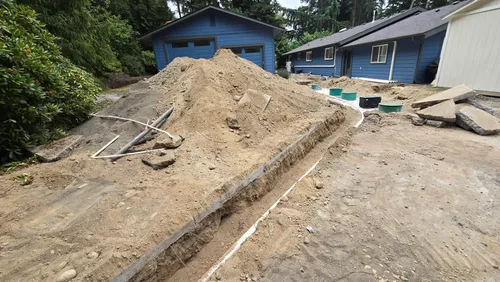
Lilly's Septic Service is a septic tank pumping, inspection, repair, and installation company based in Kent, WA. Serving King County and the Puget Sound region, they offer comprehensive septic system services including certified installations and thorough inspections. With over 48 years of experience, Lilly's Septic Service provides expertise in maintaining safe and efficient septic systems for both homes and businesses.
All City Sewer Repair
Seattle, WA
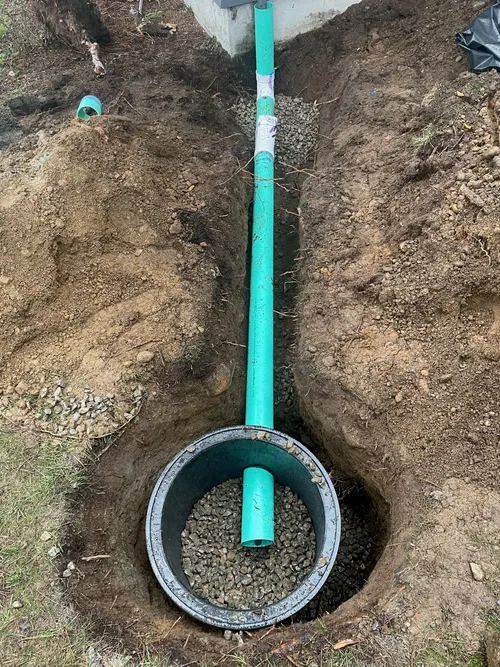
All City Sewer Repair is a septic tank inspection and repair company serving Seattle, WA, including Kirkland and Bellevue. They offer a broad range of plumbing services, focusing on sewer line inspection, repair, and replacement. The company uses modern equipment and techniques to maintain and fix drainage and sewage systems efficiently. Their specialists handle various sewage-related issues, providing thorough inspections and repairs to keep systems functioning properly.
Understanding Your Septic System and Common Failures
Your septic system is a complex, buried wastewater treatment plant. In Sammamish, most residential systems consist of a septic tank and a drainfield (or leach field). Wastewater from your home flows into the tank, where solids settle and begin to decompose. The liquid effluent then flows out to the drainfield, where it is filtered through soil for final treatment. A failure in any component-a cracked tank, clogged pipes, or a saturated drainfield-can lead to backups, foul odors, and contamination.
Common signs you need septic system servicing or repair include:
- Sewage backing up into household drains or toilets.
- Soggy, bright green grass, or standing water over the drainfield area, even in dry weather.
- Foul odors around the tank or drainfield.
- Gurgling sounds in your plumbing.
- Slow-draining sinks and tubs.
If you notice any of these issues, it's time to contact a certified professional for an evaluation 1.
Sammamish and King County Repair Regulations
All septic system work in Sammamish falls under the jurisdiction of Public Health - Seattle & King County (PHSKC). Understanding the local rules is the first step in any repair project.
Permits Are Almost Always Required. A permit from PHSKC is required to repair or replace any part of an onsite sewage system. The only exception is for certain minor, limited repairs on conventional gravity systems that a certified professional can perform without a permit. It is never advisable to attempt a repair yourself without verifying permit requirements.
The Mandatory Inspection Comes First. Before a repair can be proposed, a certified OSS professional must inspect your failing system. Washington State mandates regular inspections, and the frequency depends on your system type 2:
- Conventional Gravity Systems: Every 3 years.
- Pressure, Mound, or Sand Filter Systems: Every year.
- Alternative/Experimental Systems (ATU, Drip): Every 6 months.
This inspection will determine the cause of failure and form the basis of the official Repair Proposal.
The Repair Proposal Process. Your chosen professional will submit a detailed Repair Proposal form to PHSKC. As of 2023, the review fee for this proposal is $718 3. This proposal must demonstrate that the planned fix will bring your system into compliance with current state and local codes 4. Once the proposal is approved, the repair work can begin under the issued permit.
Types of Septic Repairs and Associated Costs
Repair costs in the Sammamish area vary dramatically based on the scope of the problem, soil conditions, and system type. Here's a breakdown of common repair scenarios.
Minor Repairs ($500 - $2,000)
These fixes address specific component failures without major excavation or system redesign.
- Baffle Repair/Replacement: The baffles in your septic tank prevent scum and sludge from exiting into the drainfield. Repairing or replacing these is a common fix.
- Pipe Repairs: Fixing broken or clogged pipes between the house and tank or the tank and drainfield.
- Distribution Box Service: Cleaning, leveling, or replacing a damaged distribution box that unevenly disperses effluent to the drainfield lines.
Pump and Mechanical Repairs ($1,500 - $3,000)
If you have a system with a pump (like a pressure-dosed or mound system), repairs involve electrical and mechanical components.
- Effluent Pump Replacement: A worn-out pump that moves effluent to the drainfield must be replaced.
- Float Switch or Alarm Repair: Fixing the controls that regulate pump operation and warn of high water levels.
Major Repairs and System Replacement ($10,000 - $40,000+)
This is the most significant financial investment, often necessary when the drainfield fails.
- Drainfield (Leach Field) Replacement: This is the most expensive repair. It involves excavating a new set of perforated pipes in a new location or replacing the soil in the existing field. Costs are high due to excavation, materials, and engineering 5 6.
- Septic Tank Replacement: Required if the tank is cracked, collapsed, or leaking. Costs include excavation, disposal of the old tank, and installation of a new one.
- Complete System Replacement/Upgrade: In some cases, especially with older systems on challenging lots, a full new system meeting modern standards must be installed. In Washington state, this can exceed $30,000 7.
Find the perfect septic system repair companies for your needs
Get personalized recommendations and expert advice
The Step-by-Step Repair Process for Homeowners
Facing a septic repair can feel overwhelming. Following a clear process can reduce stress and ensure a good outcome.
-
Recognize the Problem and Stop Use: At the first sign of failure (e.g., sewage backing up), minimize water use in the home to prevent further damage and environmental release.
-
Locate Your System Records: Find your property's "as-built" diagram. This original system design is often on file with PHSKC and is invaluable for any professional assessing your site 8.
-
Hire a Certified Professional: Contact a PHSKC-certified OSS maintenance specialist or designer. They will perform the mandatory inspection, which includes checking tank sludge levels, inspecting the drainfield for saturation, and evaluating all components 9 10.
-
Review the Diagnosis and Repair Proposal: The professional will explain the cause of failure and present a repair plan. They will handle submitting the Repair Proposal and securing the necessary permit from the county.
-
Secure Financing (If Needed): For major repairs, explore assistance options. The Washington State Department of Health notes that organizations like Craft3 offer "Clean Water Loans" that can cover up to 100% of repair or replacement costs 11.
-
Complete the Repair and Final Inspection: Once work is completed under permit, the professional will schedule a final inspection with PHSKC to close the permit and ensure the repair is compliant.
Maintaining Your System to Avoid Costly Repairs
The best repair is the one you never have to make. Proactive maintenance is far less expensive than emergency fixes.
- Pump Regularly: Have your septic tank pumped every 3-5 years by a licensed pumper. In Washington, this service typically costs between $650 and $1,000 12. Regular pumping prevents solids from washing out and clogging your drainfield-the leading cause of failure.
- Practice Water Conservation: Spread out laundry loads, fix leaky faucets, and use high-efficiency fixtures. Reducing the flow of water into the system gives the drainfield time to absorb and treat effluent.
- Mind What You Flush: Only human waste and toilet paper should go down the drain. Never flush wipes (even "flushable" ones), feminine hygiene products, grease, or chemicals. These can clog pipes, disrupt bacterial action, and contaminate groundwater.
- Protect Your Drainfield: Never drive or park vehicles on it, and keep roof drains, sump pumps, and other surface water away from the area. Plant only grass over the drainfield; tree and shrub roots can cause severe damage.
Financial Assistance for Septic Repairs
Given the high cost of major septic work, financial assistance can be a lifeline. Washington State recognizes that protecting water quality is a shared community benefit.
- Clean Water Loans: As mentioned, these loans, often facilitated by lenders like Craft3, are specifically for septic system repair and replacement. They offer competitive rates and long terms to make repairs affordable.
- Local Grant Programs: Periodically, King County or state agencies may offer grant programs for septic repairs, particularly for low-income homeowners or to address critical environmental threats. Check the PHSKC and Washington State Department of Health websites for current opportunities.
Investing in a properly functioning septic system is an investment in your home, your health, and the beautiful environment of Sammamish.
Frequently asked questions
Sources
Footnotes
-
Caring for Your Septic System | Washington State Department ... - https://doh.wa.gov/community-and-environment/wastewater-management/septic-system/caring-your-system ↩
-
On-site sewage/septic system inspections - King County - https://kingcounty.gov/en/dept/dph/health-safety/environmental-health/on-site-sewage-systems/maintaining-your-system/inspections ↩
-
OSS Repair Proposals, Permits, and Reporting - King County - https://cdn.kingcounty.gov/-/media/king-county/depts/dph/documents/health-safety/environmental-health/oss/memorandums/memo-2023-jan-2023.pdf ↩
-
On-site sewage/septic repair or replacement - King County - https://kingcounty.gov/en/dept/dph/health-safety/environmental-health/on-site-sewage-systems/applications-permits/repair-replacement ↩
-
How Much Does Failed Septic System Cost? - https://www.septicconnection.com/how-much-does-failed-septic-system-cost ↩
-
Cost Of Septic System Restoration Vs Septic ... - Aero-Stream - https://www.aero-stream.com/cost-of-septic-system-restoration-vs-septic-system-replacement/ ↩
-
Trust us, septic systems aren't cheap 💩 In Washington, a new ... - https://www.facebook.com/EcologyWA/posts/trust-us-septic-systems-arent-cheap-in-washington-a-new-septic-system-can-cost-3/1298883835616824/ ↩
-
Homeowner's Septic System Manual - King County - https://cdn.kingcounty.gov/-/media/king-county/depts/dph/documents/health-safety/environmental-health/oss/educational-downloads/homeowners-septic-system-manual.pdf?rev=82630971dc9e4074850c68d917f0eb26&hash=AC8FBC2F982C89461F268174B59624C5 ↩
-
Do-It-Yourself Septic System Inspection Field Guide - https://doh.wa.gov/sites/default/files/legacy/Documents/Pubs//337-122.pdf ↩
-
About septic systems - King County, Washington - https://kingcounty.gov/en/dept/dph/health-safety/environmental-health/on-site-sewage-systems/maintaining-your-system/about ↩
-
Septic Systems - Washington State Department of Health - https://doh.wa.gov/community-and-environment/wastewater-management/septic-system ↩
-
How Much Does It Cost to Pump a Septic Tank in Washington? - https://www.sterlingsepticandplumbing.com/blog/how-much-does-septic-tank-pumping-cost/ ↩