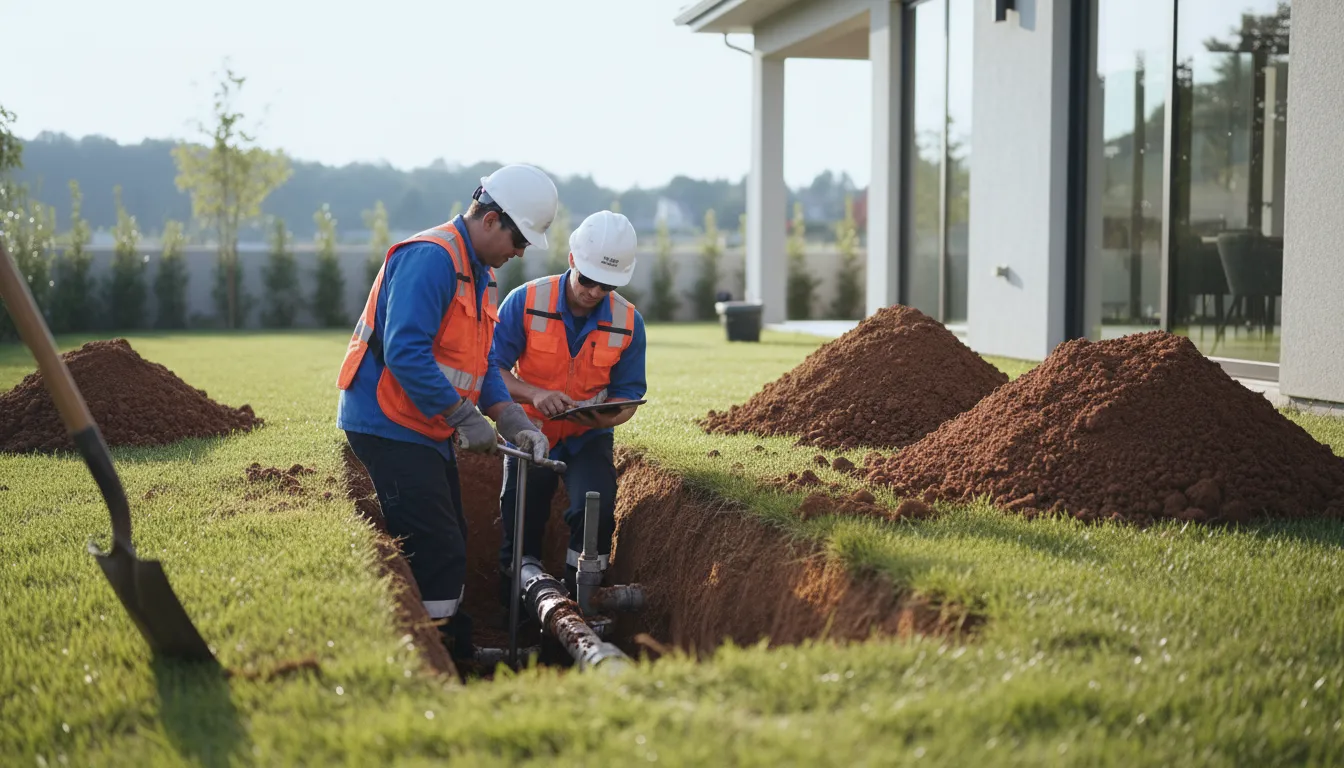
Find the Best Septic System Repair Companies for Your Business
No obligation • Fast responses • Nationwide coverage

Why you can trust Septic Spot
Septic Spot is a leading United States resource for understanding and comparing septic services. Our editors review providers using consistent criteria and verify key business details. Listings and scores are independent, and companies cannot pay to influence our content.
Search providers near you
Top Septic System Repair Companies in Tacoma, Washington Ranked
Maintaining a functional septic system is a critical responsibility for homeowners in Tacoma and Pierce County. When components fail, professional septic system repair is essential to protect your property, your health, and the local environment. This guide explains the local regulations, common repair types, and the process for finding certified professionals to address issues with your onsite sewage system.
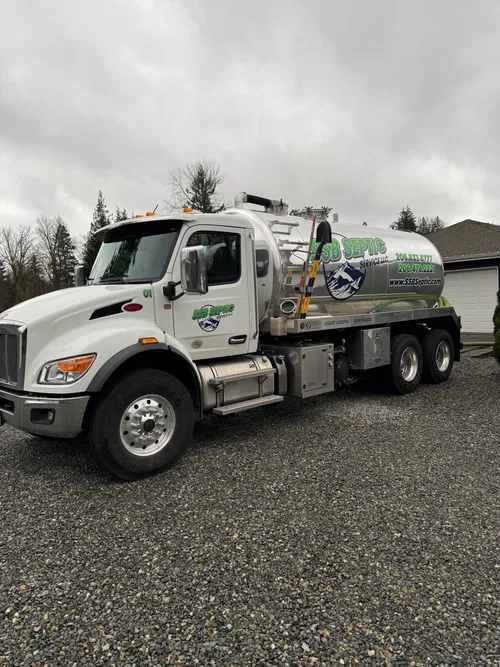
SSB Septic Services
Kent, WA
SSB Septic Services is a family-owned company serving Kent, WA, and the surrounding areas. They provide a range of septic services including tank pumping, system repair, and installation. With over a decade of experience, they focus on eco-friendly solutions and long-term customer satisfaction. The company offers 24/7 emergency response to handle urgent septic system issues promptly. Their expertise includes environmental compliance and sustainable septic system practices.
Sterling Septic & Plumbing LLC
11920 58 Ave E, Puyallup, WA 98373
Sterling Septic & Plumbing LLC provides septic tank pumping, inspections, and repair services in Tacoma, WA. They serve homeowners and realtors across Pierce, King, and Thurston counties. The company offers same-day service and specializes in septic system maintenance and repairs.
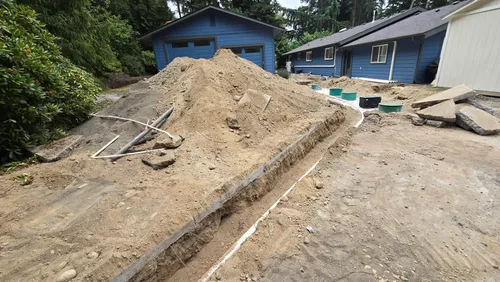
Lilly's Septic Service
26207 Maple Valley Black Diamond Rd SE Ste D1, Maple Valley, WA 98038
Lilly's Septic Service is a septic tank pumping, inspection, repair, and installation company based in Kent, WA. Serving King County and the Puget Sound region, they offer comprehensive septic system services including certified installations and thorough inspections. With over 48 years of experience, Lilly's Septic Service provides expertise in maintaining safe and efficient septic systems for both homes and businesses.

Drain Beast - Kent
600 Central Ave S, Kent, WA 98032
Drain Beast - Kent is a septic system repair company located in Kent, WA. They specialize in trenchless relining, a method that refurbishes old piping systems with minimal excavation by inserting a new lining through a single access point. This approach reduces disruption compared to traditional pipe replacement methods. Drain Beast aims to address plumbing and sewer issues efficiently while minimizing the impact on homeowners' properties.
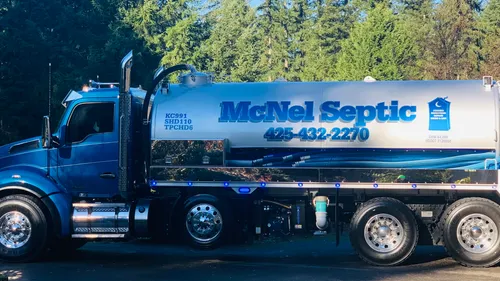
McNel Septic Service
Kent, WA
McNel Septic Service is a locally owned company based in Kent, WA, specializing in septic tank pumping, inspections, repairs, and maintenance for both residential and commercial clients. They serve a broad area including Maple Valley, Black Diamond, Palmer, Ravensdale, and King County. The company offers a range of services such as pumping, system inspections, decommissioning, and pump repairs using small and large capacity trucks with extra-long hoses. Their experienced technicians focus on thorough septic system care and customer support.
Understanding Local Septic System Regulations
In Tacoma and Pierce County, all work on residential septic systems is strictly regulated by the Tacoma-Pierce County Health Department (TPCHD). This means you cannot hire just any contractor; you must use a TPCHD-certified septic professional for inspections, maintenance, and any repairs 1 2. These certified specialists are trained to meet local codes and must report their work through the state's OnlineRME system, ensuring the health department has a record of your system's status.
A key rule homeowners must know is that a TPCHD permit is required for any repair involving structural changes or component replacement. This isn't a mere formality-it's a legal requirement designed to ensure repairs bring your system up to current health and environmental standards. Furthermore, the county imposes a strict "two-repair limit" on septic tanks; after two documented repairs, the tank must be completely replaced. Following any structural repair, a certified professional must perform an 8-hour watertightness test (for occupied homes) to confirm the fix is secure.
Common Signs You Need Septic Repairs
Recognizing early warning signs can prevent a minor issue from becoming a catastrophic system failure. Be alert for these indicators:
- Slow Drains and Backups: If multiple household drains are gurgling, draining slowly, or backing up, it could signal a blockage in the main line or a full septic tank.
- Sewage Odors: Unpleasant smells indoors or around your yard, especially near the drainfield, are a clear sign of trouble.
- Lush, Green Grass Over the Drainfield: While this might look healthy, it often indicates that nutrient-rich wastewater is surfacing and fertilizing the grass-a classic symptom of a failing drainfield.
- Standing Water or Soggy Soil: Puddles or mushy ground in the yard, particularly over the septic tank or drainfield area, suggest the system is overloaded or the drainfield is clogged.
- Alarms Sounding: If your system has a pump, an alarm indicates a high water level in the tank, which could be due to pump failure, float switch issues, or a drainfield problem.
If you notice any of these signs, it's time to contact a certified professional for an inspection. Ignoring them can lead to environmental contamination, property damage, and costly fines from the health department 3.
Types of Septic System Repairs
The scope and cost of septic work can vary widely, from minor adjustments to full system replacements. Here's a breakdown of common repair scenarios.
Minor Repairs and Maintenance
These are the most common fixes and often resolve issues before they escalate.
- Clearing Blockages: Removing clogs from inlet or outlet pipes or the effluent filter.
- Replacing Baffles or Tees: These internal components prevent scum and sludge from exiting the tank; they can deteriorate over time.
- Installing Risers: Adding access risers from the tank lids to the soil surface is a popular upgrade that makes future inspections and pumping much easier and less expensive 4.
- Pump or Electrical Repairs: Fixing or replacing a malfunctioning effluent pump, alarm, or float switch in pumped systems.
Major Repairs: Tank and Drainfield Issues
When the core components of the system fail, more extensive work is required.
- Tank Repair or Replacement: Cracks, leaks, or severe corrosion in a concrete tank may be patched, but as noted, tanks can only be repaired twice before replacement is mandated. A full septic tank replacement involves excavating the old tank and installing a new one that meets current codes.
- Drainfield Repair or Replacement: This is often the most significant repair. If the soil absorption field is clogged (a condition called "biomat" buildup) or sewage is surfacing, the drainfield has likely failed. Repair may involve installing a new drainfield in a designated "reserve area" on your property. In some cases, advanced treatment systems or alternative technologies might be required to make the repair possible on limited land.
Find the perfect septic system repair companies for your needs
Get personalized recommendations and expert advice
The Professional Inspection and Repair Process
When you call a TPCHD-certified professional, they follow a systematic process to diagnose and fix your system.
- Locate and Access: The technician will locate the tank and drainfield. If risers aren't present, they may need to excavate to access the tank lids.
- Initial Assessment & Pumping: Often, the first step is to pump the tank. This allows for a clear inspection of the tank's interior walls, baffles, and overall structure. Inspectors measure scum and sludge levels; if solids fill more than one-third of the tank depth, pumping is necessary 5 6.
- Comprehensive Inspection: The professional inspects all components: tank integrity, baffles/tees, the effluent filter (if present), and the distribution box. For systems with pumps, the electrical components and alarm are tested. The drainfield is evaluated for signs of failure, like wet spots or effluent surfacing 7 8.
- Diagnosis and Permit Acquisition: The inspector diagnoses the problem. If the repair requires a permit (most do), the certified professional will handle the TPCHD permit application process on your behalf.
- Performing the Repair: The technician completes the approved repairs, whether it's replacing a baffle, repairing a cracked pipe, or installing a new pump.
- Testing and Reporting: After major repairs, a watertightness test is conducted. Finally, the professional files a report of all work completed into the OnlineRME system, updating your property's official septic system record 9.
Understanding Costs and Financial Assistance
Septic repair costs in the Tacoma area depend entirely on the problem. Routine inspections typically range from $250 to $350 10. Minor repairs like replacing a baffle or installing risers may cost up to $1,500. A full septic tank replacement can run up to $5,000, while a complete system replacement involving a new drainfield can exceed $20,000 10 11.
Fortunately, financial help is available. The Tacoma-Pierce County Health Department offers rebates to qualified homeowners: $125 off a routine inspection, $200 off tank pumping, and $500 off minor repairs 12 13. Additionally, the City of Tacoma provides low-interest Sewer Conservation Loans to help cover the cost of major repairs or replacements for eligible residents 12. It's worth exploring these options, as investing in a proper repair is far less expensive than dealing with the environmental and legal consequences of a failing system.
Maintaining Your System to Avoid Repairs
The best repair is the one you never need. Adhering to a strict maintenance schedule is the most effective way to prevent failures.
- Pump Regularly: Have your tank pumped every 3-5 years by a licensed pumper, or more frequently if inspections recommend it.
- Annual Inspections for Complex Systems: If your system includes pumps, sand filters, or other advanced components, TPCHD requires an inspection by a certified professional every year. Gravity systems must be inspected at least every three years 14 15.
- Practice Smart Water Use: Spread out laundry loads, fix leaky faucets promptly, and install water-efficient fixtures to avoid overloading the system.
- Mind What You Flush: Only human waste and toilet paper should go down the drain. Avoid flushing wipes (even "flushable" ones), feminine hygiene products, cooking grease, and chemicals, which can clog pipes and disrupt the bacterial balance in the tank 16 17.
Frequently asked questions
Sources
Footnotes
-
Certified Septic System Repair | Tacoma | 24/7 Emergency - https://draintechnorthwest.net/septic-services-tacoma/ ↩
-
Septic System Failure - Tacoma-Pierce County Health Department - https://tpchd.org/homes/septic-systems/failure/ ↩
-
Septic System Failure - Tacoma-Pierce County Health Department - https://tpchd.org/homes/septic-systems/failure/ ↩
-
Care & Maintenance of Your Septic System - Thurston County - https://www.thurstoncountywa.gov/departments/public-health-and-social-services/environmental-health/septic-systems/care-maintenance-your-septic-system ↩
-
Frequently Asked Questions - Tacoma-Pierce County Health ... - https://tpchd.org/homes/septic-systems/operation-and-maintenance/faq/ ↩
-
Septic Tank Inspections - Flohawks - https://flohawks.com/septic-tank-inspections-puyallup/ ↩
-
Septic system inspection requirements in Pierce County WA - https://www.thenewstribune.com/news/local/community/gateway/g-news/article290631874.html ↩
-
Septic systems - City of Bellingham - https://cob.org/services/environment/lake-whatcom/septic-systems ↩
-
Frequent Questions on Septic Systems | US EPA - https://www.epa.gov/septic/frequent-questions-septic-systems ↩
-
Frequently Asked Questions - Tacoma-Pierce County Health ... - https://tpchd.org/homes/septic-systems/operation-and-maintenance/faq/ ↩ ↩2
-
Septic System Inspections FAQs Archives - Tacoma-Pierce County ... - https://tpchd.org/ufaq-category/septic-system-inspections/ ↩
-
Wastewater Resources | City of Tacoma - https://tacoma.gov/government/departments/environmental-services/wastewater/wastewater-resources/ ↩ ↩2
-
Financial Assistance for Septic Systems - Tacoma-Pierce County ... - https://tpchd.org/homes/septic-systems/operation-and-maintenance/financial-assistance/ ↩
-
RSS Repair, Replacement, and Testing Guide - https://www.tpcar.org/2024/06/04/rss-repair-replacement-and-testing-guide/ ↩
-
Operation & Maintenance of Your Septic System - https://tpchd.org/homes/septic-systems/operation-and-maintenance/ ↩
-
Caring for Your Septic System | Washington State Department of ... - https://doh.wa.gov/community-and-environment/wastewater-management/septic-system/caring-your-system ↩
-
Do-It-Yourself Septic System Inspection Field Guide - https://doh.wa.gov/sites/default/files/legacy/Documents/Pubs//337-122.pdf ↩