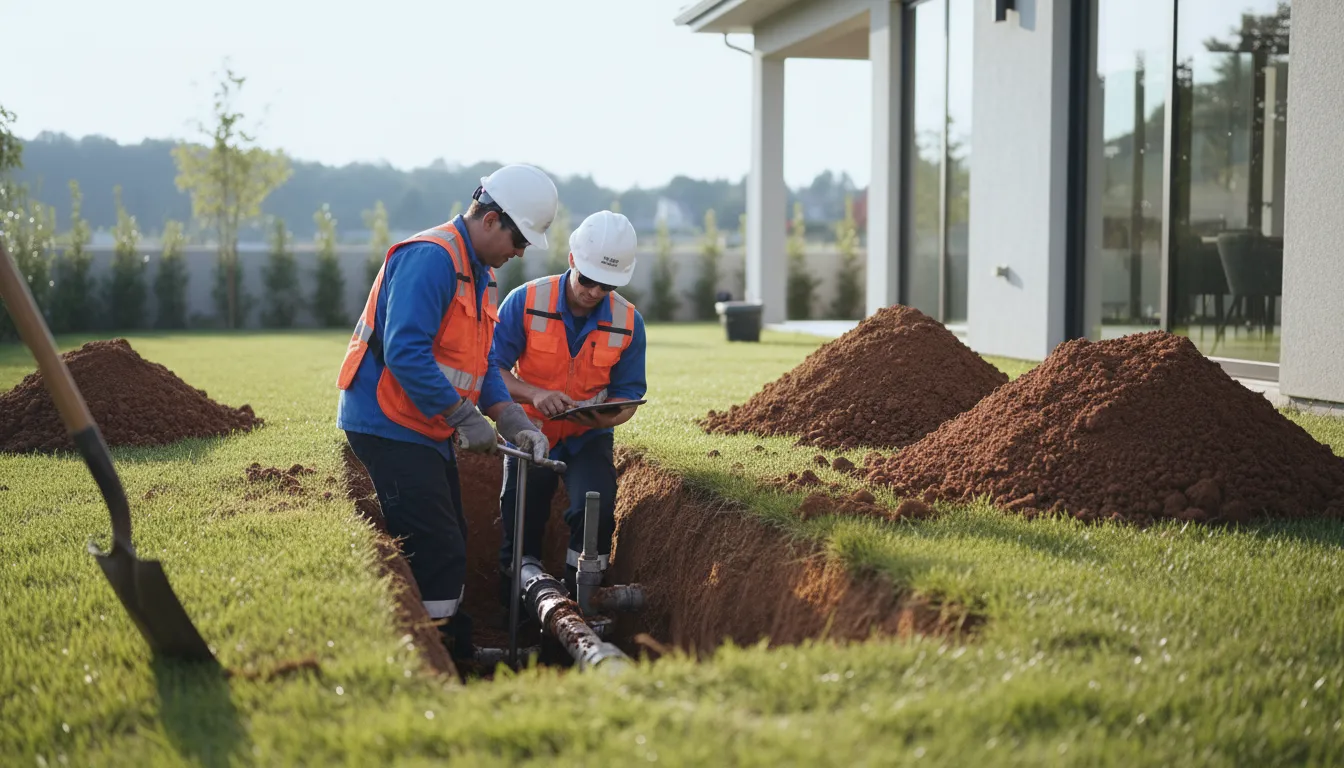
Find the Best Septic System Repair Companies for Your Business
No obligation • Fast responses • Nationwide coverage

Why you can trust Septic Spot
Septic Spot is a leading United States resource for understanding and comparing septic services. Our editors review providers using consistent criteria and verify key business details. Listings and scores are independent, and companies cannot pay to influence our content.
Search providers near you
Top Septic System Repair Companies in Seattle, Washington Ranked
Maintaining a functional septic system is crucial for protecting your property, public health, and the environment in Seattle and King County. When a system fails, it requires prompt, professional septic system repair to address issues like sewage backups or surfacing wastewater. This process is strictly regulated by local health authorities to ensure safety and compliance. The following guide will help you understand the repair process, local regulations, and how to connect with certified professionals who can diagnose issues and restore your system to proper working order.
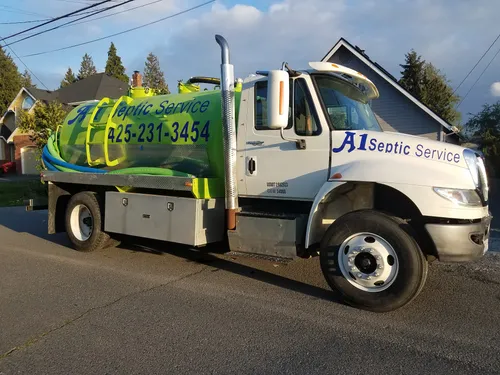
A1 Septic Service
10121 Evergreen Wy Suite 25-696, Everett, WA 98204
A1 Septic Service is a family-owned company based in Everett, WA, providing septic system pumping, inspection, and repair services. Serving Snohomish and King County, they cater to residential, commercial, and municipal customers with over 25 years of experience. Their capabilities include emergency septic pumping available 24/7 to address urgent needs promptly. Established in 1998, A1 Septic Service emphasizes thorough, licensed, and insured work with a commitment to customer satisfaction.
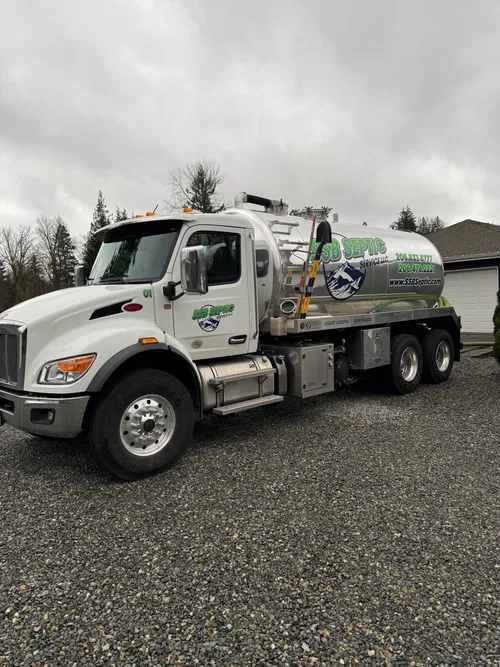
SSB Septic Services
Kent, WA
SSB Septic Services is a family-owned company serving Kent, WA, and the surrounding areas. They provide a range of septic services including tank pumping, system repair, and installation. With over a decade of experience, they focus on eco-friendly solutions and long-term customer satisfaction. The company offers 24/7 emergency response to handle urgent septic system issues promptly. Their expertise includes environmental compliance and sustainable septic system practices.
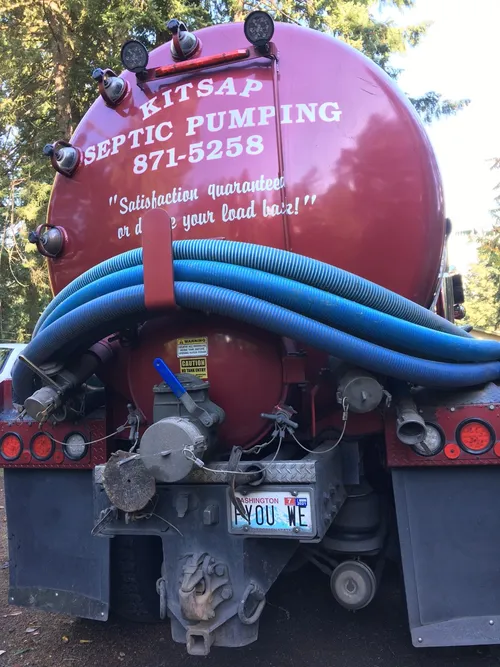
Kitsap Septic
Seattle, WA
Kitsap Septic is a family-owned septic service provider based in Port Orchard, serving Seattle, WA, and the surrounding Kitsap and Mason counties. With over 30 years of experience, they offer septic tank pumping, inspections, and repairs. The company is licensed and insured, known for their distinctive maroon septic trucks and a customer-friendly approach that includes direct communication with live representatives.
Fresh N Clean Septic
17226 NE Woodinville Duvall Rd, Woodinville, WA 98072
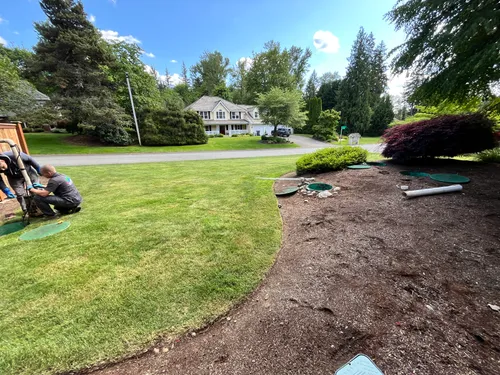
Fresh N Clean Septic provides septic tank pumping, inspection, and repair services in Seattle, WA. They serve the greater Snohomish and King Counties with eco-responsible septic solutions designed to protect both property and the environment. The company offers comprehensive septic system maintenance, including pumping, cleaning, and repairs, supported by licensed and experienced technicians. Fresh N Clean Septic also provides emergency availability to address urgent septic issues promptly.
Lilly's Septic Service
26207 Maple Valley Black Diamond Rd SE Ste D1, Maple Valley, WA 98038
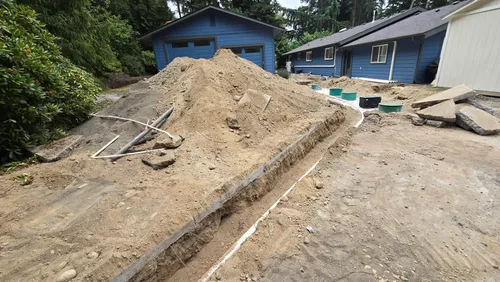
Lilly's Septic Service is a septic tank pumping, inspection, repair, and installation company based in Kent, WA. Serving King County and the Puget Sound region, they offer comprehensive septic system services including certified installations and thorough inspections. With over 48 years of experience, Lilly's Septic Service provides expertise in maintaining safe and efficient septic systems for both homes and businesses.
Understanding Septic System Failures and Repairs
A failing septic system is more than an inconvenience; it's a public health hazard that can contaminate groundwater and surface water. In Seattle's unique landscape, with its mix of dense soils and environmentally sensitive areas, proper wastewater treatment is paramount. Recognizing the signs of failure is the first step toward a necessary septic repair.
Common indicators that your onsite sewage system (OSS) needs attention include:
- Sewage backing up into household drains or toilets.
- Water pooling or soggy soil, often with a foul odor, over the drainfield.
- Bright green, spongy grass over the leach field, even in dry weather.
- Gurgling sounds in your plumbing.
- Failing a routine inspection, which is required every three years for gravity systems and annually for pressure or alternative systems in King County.
When these signs appear, the system is no longer treating wastewater effectively. A failing drainfield, broken pipes, a damaged tank, or a malfunctioning pump are typical culprits. Addressing these problems quickly with professional septic service prevents more extensive environmental damage and avoids potential fines from Public Health - Seattle & King County (PHSKC) 1.
The Regulatory Landscape: Permits and Professionals
Septic system work in King County is not a DIY project. To protect public health and water quality, all significant repairs and replacements are governed by strict codes and require involvement from certified experts. The regulatory body, PHSKC, mandates that any alteration to your system must be permitted and performed by a licensed professional.
Key Regulatory Requirements:
- Certification: Only state-licensed Certified Master Installers or Certified Maintainers are authorized to perform repairs and submit permit applications to the county.
- Permit Necessity: A repair permit is required for any component change or system replacement. As of early 2025, code revisions have clarified that some minor fixes, like repairing a broken pipe, may not require a full permit, but a professional assessment is still essential to determine this.
- System Inspection: Before a repair can be designed, your system must be evaluated. Certified pumpers or inspectors will perform a diagnostic inspection to locate the failure and assess the overall system condition 2.
The goal of these regulations is to ensure repairs are done correctly the first time, using designs that meet current environmental standards. For instance, recent code changes now allow for small pressure distribution drainfields, providing more design flexibility for repairs in challenging sites 3.
The Septic Repair Process: From Failure to Fix
Navigating a septic system repair involves a series of defined steps. Following this process ensures compliance, efficiency, and a long-lasting solution.
- Diagnosis and Location: Contact a certified septic pumper or inspector to evaluate the failure. A critical part of this step is locating your system's "as-built" drawing-the original blueprint filed with the county. This document is invaluable for finding tank and drainfield locations without destructive digging. You can request this record from PHSKC 4.
- Hire a Certified Professional: Engage a Certified Master Installer or Designer. They will assess the diagnostic report and design an appropriate repair solution that complies with King County code.
- Submit Permit Application: Your hired professional will prepare and submit a formal repair proposal and permit application to PHSKC on your behalf. As of recent guidelines, the fee for a repair proposal permit is approximately $718 5.
- Perform the Repair: Once the permit is approved, the certified installer will conduct the actual repair or installation work.
- Final Inspection: After the work is complete, a PHSKC inspector will conduct a final inspection to ensure the repair meets all code requirements and closes out the permit 6.
Find the perfect septic system repair companies for your needs
Get personalized recommendations and expert advice
Types of Repairs: Minor Fixes vs. Major Overhauls
The scope and cost of your septic work depend entirely on the nature and location of the failure. Understanding the distinction between minor and major repairs helps set realistic expectations.
Minor Repairs (May not require a full permit): These are typically component-level fixes that don't alter the system's overall design or capacity. Examples include:
- Replacing a failed effluent pump or alarm float.
- Repairing or replacing a damaged tank baffle.
- Fixing a broken pipe between the house and tank or the tank and drainfield.
- Installing access risers for easier future maintenance. Costs for these services can vary but often range from a few hundred to over a thousand dollars, depending on labor and parts 7.
Major Repairs or System Replacement (Always require a permit): This category involves significant work to the system's core components and always needs a county permit.
- Drainfield Repair/Replacement: This is the most common and costly major repair. If the soil absorption area (leach field) is clogged or saturated, it may need to be expanded, replaced, or entirely redesigned. In poor soil conditions, this might involve installing an advanced treatment system or a mound system 8.
- Septic Tank Replacement: Necessary if the tank is cracked, collapsed, or leaking.
- Complete System Replacement: Required if the existing system is too old, undersized, or irreparably damaged. If a system is over 50 years old and a public sewer line is available at the property line, King County may require a connection to sewer instead of a replacement 9. The cost for a full residential system replacement in the Seattle area can range from $7,000 to $15,000 or more, depending on soil conditions, system type, and site accessibility 10.
Financial Assistance and Advanced Systems
Recognizing the high cost of major repairs, King County offers a Septic Side Sewer Repair Rebate program for eligible homeowners. This program can provide financial assistance for repairing or replacing failing septic systems and connecting to sewer where available. It's designed to improve water quality by helping property owners address pollution sources 11.
For properties with challenging sites (e.g., high groundwater, poor soil, small lots), a standard gravity system repair may not be feasible. In these cases, your certified designer may propose an Alternative Onsite Sewage System. These systems use advanced technology, such as aerobic treatment units (ATUs) or media filters, to provide a higher level of treatment before the effluent reaches the drainfield. They are particularly valuable for protecting sensitive ecosystems around Puget Sound 12.
Maintaining Your System Post-Repair
A successful repair is an investment. Protecting that investment requires consistent, proper maintenance.
- Regular Pumping: Have your tank pumped every 3-5 years by a certified pumper.
- Mindful Water Use: Spread out laundry and dishwasher loads to avoid hydraulically overloading the system.
- Proper Waste Disposal: Never flush anything besides human waste and toilet paper. Avoid pouring grease, chemicals, or medications down the drain.
- Protect the Drainfield: Never drive or park on the drainfield, and keep roof drains and sump pumps directed away from it.
- Schedule Inspections: Adhere to the mandated inspection schedule (every 3 years for gravity systems, annually for pressure systems) to catch small issues before they become major failures 13.
By partnering with certified local professionals for both maintenance and repairs, you ensure your septic system operates reliably, safeguarding your home, your community, and the beautiful Pacific Northwest environment.
Frequently asked questions
Sources
Footnotes
-
On-site sewage/septic repair or replacement - King County - https://kingcounty.gov/en/dept/dph/health-safety/environmental-health/on-site-sewage-systems/applications-permits/repair-replacement ↩
-
Do-It-Yourself Septic System Inspection Field Guide - https://doh.wa.gov/sites/default/files/legacy/Documents/Pubs//337-122.pdf ↩
-
King County Septic Code Changes, Feb. 20, 2025 - https://cdn.kingcounty.gov/-/media/king-county/depts/dph/documents/health-safety/environmental-health/oss/code-revisions/phskc-septic-system-changes.pdf?rev=87ace4e6e81047bd8bed88833ca1972b&hash=5F70EA03E5E49148200106FE4678B76A ↩
-
About septic systems - King County, Washington - https://kingcounty.gov/en/dept/dph/health-safety/environmental-health/on-site-sewage-systems/maintaining-your-system/about ↩
-
OSS Repair Proposals, Permits, and Reporting - King County - https://cdn.kingcounty.gov/-/media/king-county/depts/dph/documents/health-safety/environmental-health/oss/memorandums/memo-2023-jan-2023.pdf ↩
-
Inspection brochure.pub - https://rucore.libraries.rutgers.edu/rutgers-lib/28214/PDF/1/play/ ↩
-
TOP 10 BEST Septic Tank Services in King County, WA - Yelp - https://m.yelp.com/search?find_desc=Septic+Tank+Services&find_loc=King+County%2C+WA ↩
-
Maintaining Your Septic System - https://www.snohd.org/682/Maintaining-Your-Septic-System ↩
-
On-site sewage/septic repair or replacement - King County - https://kingcounty.gov/en/dept/dph/health-safety/environmental-health/on-site-sewage-systems/applications-permits/repair-replacement ↩
-
Property Owners - Clark County - https://clark.wa.gov/public-health/property-owners ↩
-
King County Septic System Maintenance and Side Sewer Repair ... - https://kingcounty.gov/en/dept/dnrp/buildings-property/green-sustainable-building/septic-side-sewer-rebate ↩
-
Green Septic Systems in King County - https://cdn.kingcounty.gov/-/media/king-county/depts/dph/documents/health-safety/environmental-health/oss/educational-downloads/green-septic-systems-brochure.pdf?rev=d358fd17aa354ee9be960ac9f5b49623&hash=1083FC3DD2EB7D5AD2DCC492803593A5 ↩
-
On-site sewage/septic system inspections - King County - https://kingcounty.gov/en/dept/dph/health-safety/environmental-health/on-site-sewage-systems/maintaining-your-system/inspections ↩