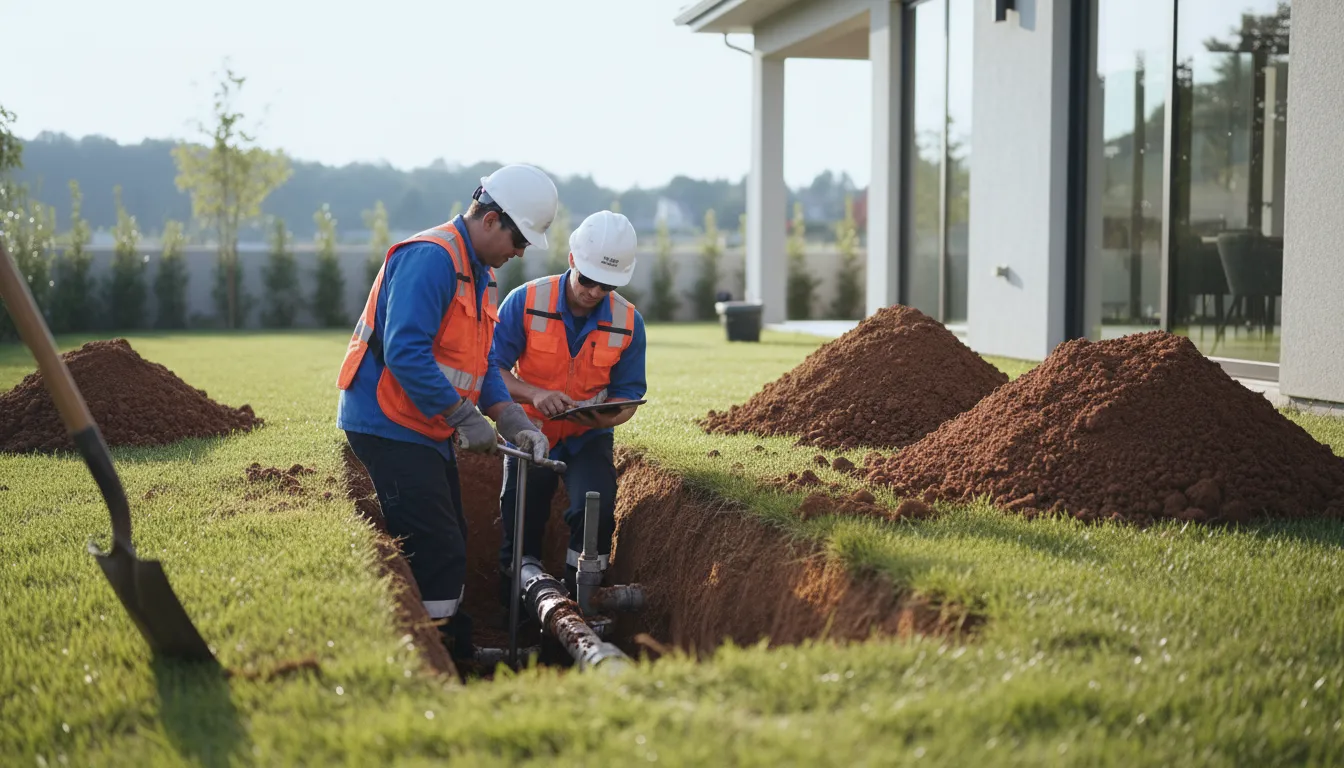
Find the Best Septic System Repair Companies for Your Business
No obligation • Fast responses • Nationwide coverage

Why you can trust Septic Spot
Septic Spot is a leading United States resource for understanding and comparing septic services. Our editors review providers using consistent criteria and verify key business details. Listings and scores are independent, and companies cannot pay to influence our content.
Search providers near you
Top Septic System Repair Companies in Shoreline, Washington Ranked
A failing septic system is a serious health and environmental hazard, especially in a coastal community like Shoreline. Septic system repair involves diagnosing and fixing issues with your tank, pipes, or drain field to restore proper wastewater treatment and prevent contamination. This guide explains the local regulations, common repair types, and the process for getting your Shoreline system fixed correctly and legally. Use the information here to understand your responsibilities and find qualified local professionals to handle your septic repair needs.
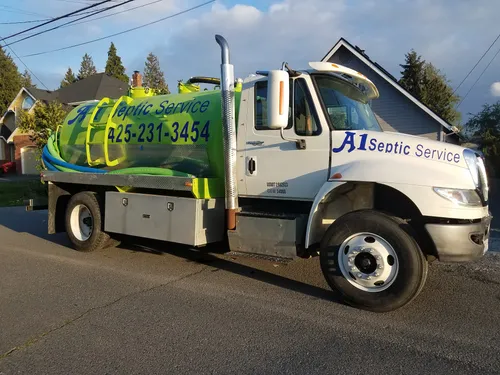
A1 Septic Service
10121 Evergreen Wy Suite 25-696, Everett, WA 98204
A1 Septic Service is a family-owned company based in Everett, WA, providing septic system pumping, inspection, and repair services. Serving Snohomish and King County, they cater to residential, commercial, and municipal customers with over 25 years of experience. Their capabilities include emergency septic pumping available 24/7 to address urgent needs promptly. Established in 1998, A1 Septic Service emphasizes thorough, licensed, and insured work with a commitment to customer satisfaction.
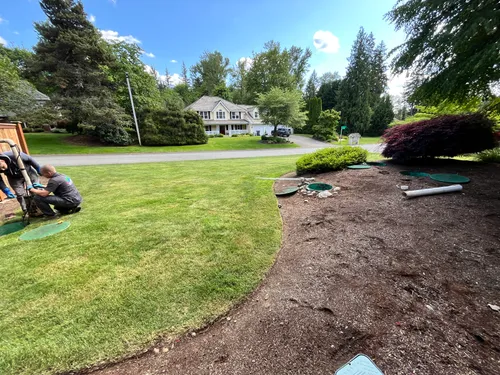
Fresh N Clean Septic
17226 NE Woodinville Duvall Rd, Woodinville, WA 98072
Fresh N Clean Septic provides septic tank pumping, inspection, and repair services in Seattle, WA. They serve the greater Snohomish and King Counties with eco-responsible septic solutions designed to protect both property and the environment. The company offers comprehensive septic system maintenance, including pumping, cleaning, and repairs, supported by licensed and experienced technicians. Fresh N Clean Septic also provides emergency availability to address urgent septic issues promptly.
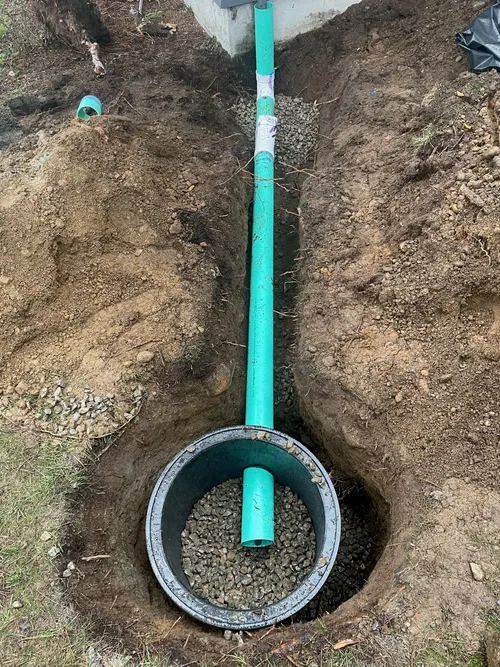
All City Sewer Repair
Seattle, WA
All City Sewer Repair is a septic tank inspection and repair company serving Seattle, WA, including Kirkland and Bellevue. They offer a broad range of plumbing services, focusing on sewer line inspection, repair, and replacement. The company uses modern equipment and techniques to maintain and fix drainage and sewage systems efficiently. Their specialists handle various sewage-related issues, providing thorough inspections and repairs to keep systems functioning properly.

Drain Beast - Kent
600 Central Ave S, Kent, WA 98032
Drain Beast - Kent is a septic system repair company located in Kent, WA. They specialize in trenchless relining, a method that refurbishes old piping systems with minimal excavation by inserting a new lining through a single access point. This approach reduces disruption compared to traditional pipe replacement methods. Drain Beast aims to address plumbing and sewer issues efficiently while minimizing the impact on homeowners' properties.
Septic Response
672 7th Ave, Kirkland, WA 98033
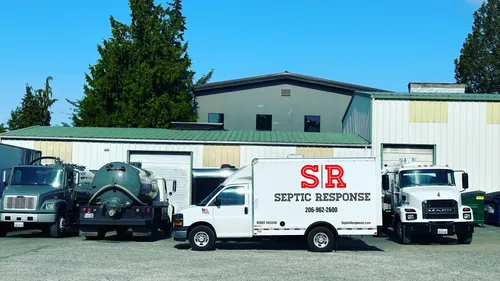
Septic Response is a septic tank service provider based in Seattle, WA, offering a wide range of services including septic tank pumping, inspection, repair, installation, and drain field replacement. They serve King County, Snohomish County, and Pierce County with expertise in maintaining both traditional and advanced septic systems. Their capabilities include inlet pipe cleaning using jetting technology and comprehensive septic system maintenance tailored to local soil and environmental conditions. The company emphasizes preventative maintenance and environmental compliance to extend system lifespan. Septic Response operates 24/7 to support urgent septic needs.
Understanding Shoreline's Septic Repair Regulations
In Shoreline, all septic system maintenance and repair work falls under the jurisdiction of Public Health - Seattle & King County (PHSKC). The city's proximity to Puget Sound adds an extra layer of environmental protection, meaning repairs often require careful coordination with local shoreline management rules 1. The core rule is simple: any repair, alteration, or component replacement on your on-site sewage system requires a permit from PHSKC, and the work must be performed by a King County-certified professional.
The Role of Certified Professionals
You cannot legally repair your own septic system in King County. The law requires that a certified master installer or a certified on-site system maintainer perform the work. These professionals are trained to county standards and understand the specific soil conditions and regulations in the Shoreline area. They are responsible for submitting the repair proposal, obtaining the permit, and ensuring the work passes a final county inspection.
Permit Types: From Minor Fixes to Major Overhauls
Not all repairs require the same level of permitting. PHSKC offers a Limited Repair Permit for specific, minor issues like replacing a broken baffle, repairing a riser, or fixing a section of pipe. This permit process is typically faster. For more extensive work, such as repairing a cracked tank or replacing a drain field, a standard repair permit is required. It's crucial to have a professional inspection first to determine the exact cause of failure and the appropriate permit path.
Special Considerations for Shoreline Properties
If your property is within 200 feet of the shoreline, additional regulations apply. Repairs must comply with the Shoreline Management Program (SMP), which aims to protect water quality and prevent erosion 2. Your certified installer may need to secure specialized permits and implement specific erosion control measures during the repair work. In genuine emergencies where sewage is backing up or surfacing, expedited processes exist, but coordination with county and potentially city shoreline authorities is still essential 3.
Common Septic Repair Scenarios in Shoreline
The type of repair needed depends entirely on where and how your system has failed. A professional inspection is the first step to diagnose the issue accurately.
Tank and Component Repairs
Many problems originate in the septic tank itself or its immediate components. These are often considered minor to moderate repairs:
- Baffle Replacement: The inlet or outlet baffle can corrode or break, allowing solids to escape into the drain field. Replacing it is a common fix.
- Riser and Lid Repair: Damaged, cracked, or missing risers and lids are a safety hazard and can allow surface water to flood the tank. Repairing or replacing them is straightforward.
- Tank Structural Repair: Cracks or leaks in the tank itself can sometimes be repaired, but severe structural damage often necessitates a full tank replacement 4.
- Distribution Box (D-Box) Repair: This box distributes liquid effluent to the drain field lines. If it becomes clogged or damaged, it can be repaired or replaced 5.
Drain Field (Leach Field) Repairs
This is often the most complex and costly type of repair. A failing drain field is usually indicated by soggy ground, foul odors, or sewage ponding in your yard.
- Line Repair: Individual lateral lines can sometimes be repaired or replaced if the failure is isolated.
- Field Rejuvenation: Some techniques, like hydro-jetting or adding oxygen, can temporarily restore a clogged field, but these are not permanent solutions for all failures 6.
- Complete Replacement: When a drain field has completely failed due to age, biomat buildup, or soil saturation, the only permanent solution is to install a new drain field in a new location on your property. This is a major construction project.
Advanced/Alternative System Repairs
Shoreline has many properties with alternative systems like Glendon Biofilters, Aerobic Treatment Units (ATUs), or sand filters. Repairing these systems requires specialists familiar with their mechanical components, pumps, timers, and electrical controls. Standard septic installers may not be qualified for this specialized work.
Find the perfect septic system repair companies for your needs
Get personalized recommendations and expert advice
The Step-by-Step Repair Process
Navigating a septic repair from discovery to completion involves a clear sequence. Following these steps ensures compliance and a lasting fix.
-
System Assessment & Locating Records: Start by contacting PHSKC to obtain your system's "as-built" record drawings. This map shows the exact location and layout of your tank and drain field, which is invaluable for any repair 7. Next, hire a certified pumper or inspector to perform a full inspection, including tank pumping, to diagnose the root cause of the failure.
-
Professional Diagnosis & Proposal: Your chosen certified master installer will use the inspection report to determine the necessary repairs. They will prepare a repair proposal detailing the work to be done 8.
-
Permit Application: The installer submits the repair proposal along with the permit application to PHSKC for review. For limited repairs, this is quick. For major work, the review is more thorough and may involve a site visit from a county sanitarian.
-
Repair Execution: Once the permit is issued, the certified professional completes the repair work according to the approved plan and all county codes.
-
Final Inspection & Documentation: After the repair is complete, a PHSKC inspector visits the site to verify the work meets standards. Once approved, the installer must submit a final "as-built" record of the repair to the county for their files, updating your property's history 9.
Costs and Financial Assistance for Repairs
Septic repair costs in Shoreline vary widely based on the repair's scope and complexity. It's important to get multiple estimates from certified professionals.
- Inspections: A thorough inspection typically costs between $500 and $900.
- Pumping: Necessary for inspection and often before repairs, ranging from $400 to $900.
- Minor Repairs: Fixing a baffle, riser, or small section of pipe may cost between $200 and $800.
- Major Repairs: Repairing a cracked tank or replacing a D-box can range from $3,000 to $7,000.
- System/Drain Field Replacement: This is the most significant expense, often costing $10,000 to $25,000 or more, depending on soil conditions and system type 10.
Given these potential costs, financial assistance is available. Organizations like Craft3 offer specialized Clean Water Loans, which are low-interest loans designed specifically for septic system repair and replacement in Washington state 11. The Washington State Department of Health also provides resources on financing options for homeowners facing necessary septic work.
Maintaining Your System to Avoid Future Repairs
The best repair is the one you never need. Proactive maintenance is the most cost-effective strategy for any Shoreline homeowner with a septic system.
- Pump Regularly: Have your tank pumped every 3-5 years by a certified pumper, depending on household size and usage 12.
- Inspect Annually: Consider an annual check-up by a professional to catch small issues before they become big, expensive failures 13.
- Practice Smart Use: Avoid flushing chemicals, grease, wipes, or excessive garbage disposal use. Conserve water to prevent overloading the system 14.
- Protect the Drain Field: Never drive or park on it, and keep roof drains and other surface water directed away from the area.
Frequently asked questions
Sources
Footnotes
-
Wastewater Permitting and Inspections - City of Shoreline - https://www.shorelinewa.gov/government/departments/public-works/wastewater-utility/wastewater-permitting-and-inspections ↩
-
Focus on: On-Site Sewage Systems and Shoreline Management - https://apps.ecology.wa.gov/publications/documents/2306006.pdf ↩
-
Shoreline Exemptions for Emergency Septic Repairs - https://www.piercecountywa.gov/DocumentCenter/View/130944/PPW-Procedure---Shoreline-Exemptions-for-Emergency-Septic-Repairs?bidId= ↩
-
Maintaining Your Septic System | Clallam County, WA - https://www.clallamcountywa.gov/506/Maintaining-Your-Septic-System ↩
-
Septic Service, Pumping, Installation & Repairs in Duvall, WA - https://septicsolutionsllc.com/duvall ↩
-
Can Leach Fields Be Repaired? | GoodFlow Solutions - https://www.goodflow.com/can-leach-fields-be-repaired/ ↩
-
On-site sewage/septic repair or replacement - King County - https://kingcounty.gov/en/dept/dph/health-safety/environmental-health/on-site-sewage-systems/applications-permits/repair-replacement ↩
-
Septic Repair Services in King County, WA - https://www.clsseptics.com/services/septic-repairs/ ↩
-
On-site sewage/septic repair or replacement - King County - https://kingcounty.gov/en/dept/dph/health-safety/environmental-health/on-site-sewage-systems/applications-permits/repair-replacement ↩
-
WA Septic System Rules Buyers Need to Know (2025-2026 ... - https://www.lanifisherhomesblogs.com/blog/wa-septic-system-rules-buyers-need-to-know-20252026-guide ↩
-
Septic Systems - Washington State Department of Health - https://doh.wa.gov/community-and-environment/wastewater-management/septic-system ↩
-
About septic systems - King County, Washington - https://kingcounty.gov/en/dept/dph/health-safety/environmental-health/on-site-sewage-systems/maintaining-your-system/about ↩
-
On-site sewage/septic system inspections - King County, Washington - https://kingcounty.gov/en/dept/dph/health-safety/environmental-health/on-site-sewage-systems/maintaining-your-system/inspections ↩
-
Homeowner's Septic System Manual - King County - https://cdn.kingcounty.gov/-/media/king-county/depts/dph/documents/health-safety/environmental-health/oss/educational-downloads/homeowners-septic-system-manual.pdf?rev=82630971dc9e4074850c68d917f0eb26&hash=AC8FBC2F982C89461F268174B59624C5 ↩