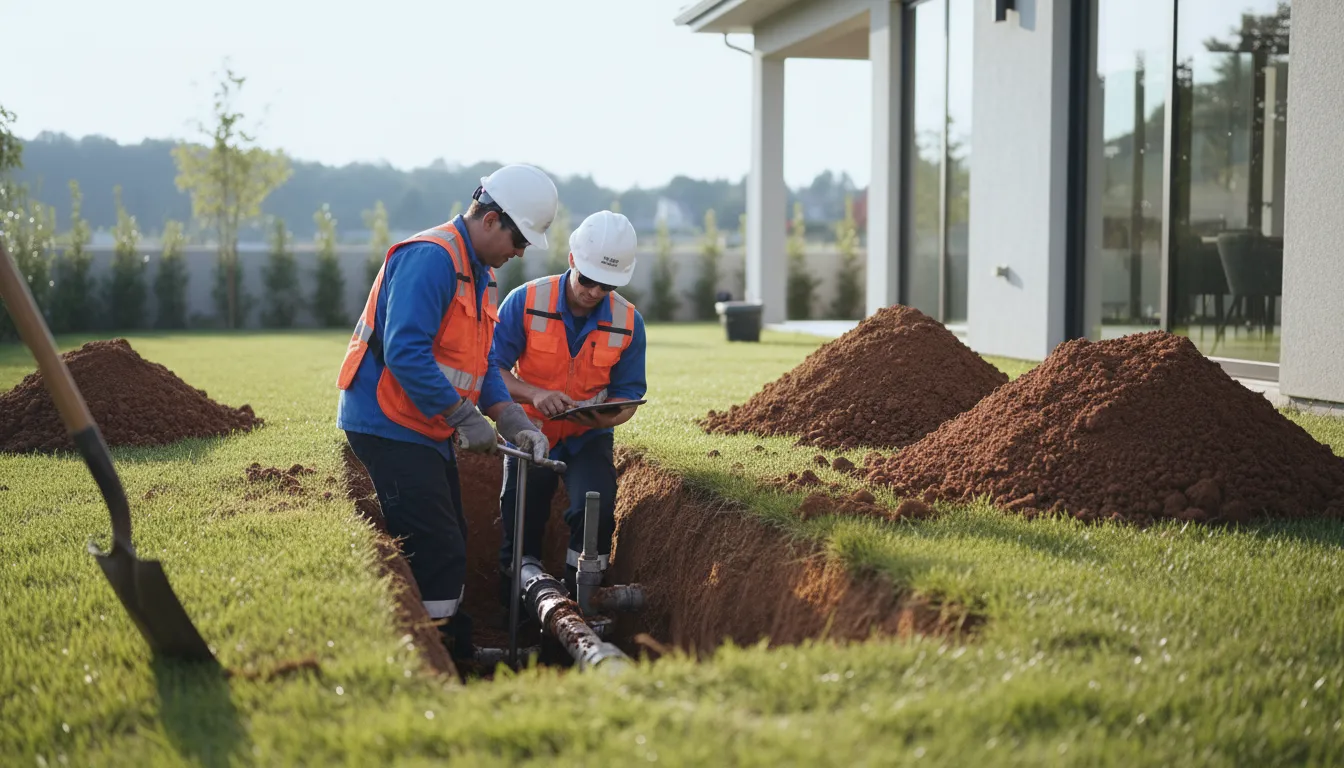
Find the Best Septic System Repair Companies for Your Business
No obligation • Fast responses • Nationwide coverage

Why you can trust Septic Spot
Septic Spot is a leading United States resource for understanding and comparing septic services. Our editors review providers using consistent criteria and verify key business details. Listings and scores are independent, and companies cannot pay to influence our content.
Search providers near you
Top Septic System Repair Companies in Spokane Valley, Washington Ranked
A failing septic system is more than an inconvenience; it's a health hazard and a significant financial liability. Septic system repair involves diagnosing and fixing issues with your on-site sewage system, from the tank to the drainfield, to restore proper wastewater treatment and disposal. In Spokane Valley, these repairs are strictly regulated by local health authorities to protect groundwater and public health. This guide explains the local rules, common repair types, and how to find qualified professionals to ensure your system functions safely and efficiently.
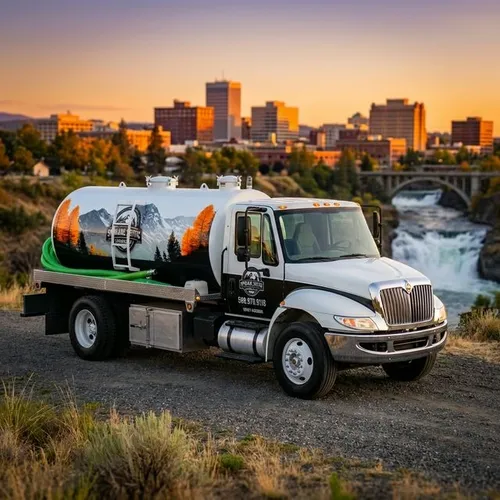
Spokane Septic Services
7514 N Cedar Rd, Spokane, WA 99208
Spokane Septic Services is a septic tank pumping, inspection, and repair company based in Spokane, WA. They serve Spokane and surrounding areas including Spokane Valley, Liberty Lake, Deer Park, Mead, and Colbert. The company offers 24/7 same-day septic tank pumping and emergency septic repairs, along with thorough septic inspections for real estate sales. Their services include drain field repairs and septic baffle replacements, with flat-rate pricing for 1000-gallon tanks. Spokane Septic Services is known for responding quickly to emergencies and maintaining clean work sites.

Eco Septic Tank Pumping Spokane
Spokane, WA
Eco Septic Tank Pumping Spokane provides a range of septic services in Spokane, WA, including septic tank pumping, inspection, repair, and installation. They handle routine cleaning to prevent system backups and offer emergency septic sewer cleaning to address urgent problems. Their process includes thorough tank inspection and proper waste disposal at licensed facilities. The company also supports septic system maintenance with biological treatments and comprehensive inspections to identify potential issues early. They serve Spokane and surrounding areas such as Spokane Valley, Airway Heights, Mead, Cheney, Liberty Lake, and Deer Park.
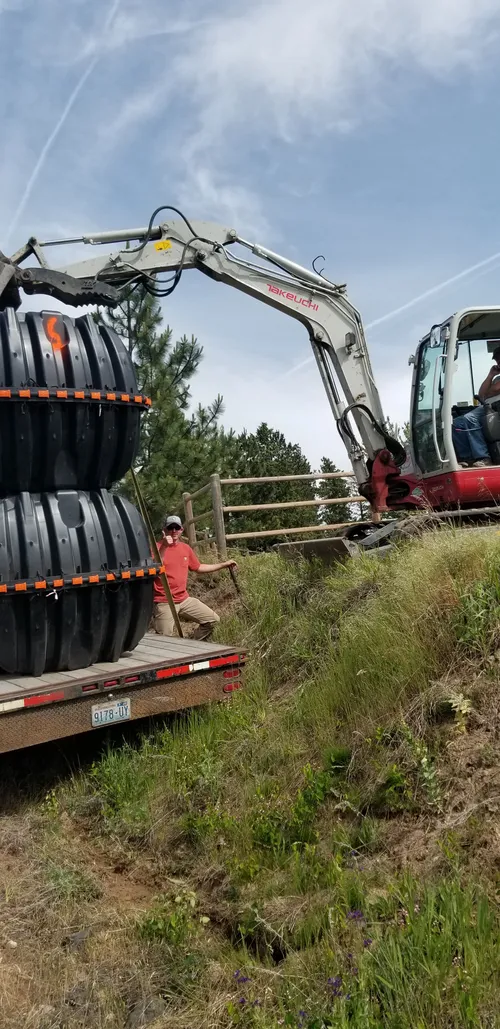
Septic System Design
6304 S Pittsburg St, Spokane, WA 99223
Septic System Design is a Spokane, WA-based company specializing in septic system design, installation, and repair. Owner Steve Schneider brings over 40 years of excavation experience, with 23 years focused on wastewater and septic system work. The company serves clients up to 60 miles from Spokane, offering a range of septic system types including gravity, pressure drain field, drip, pretreated drip, and pretreated drip mound systems. They provide detailed installation services following designer plans and also handle system repairs, addressing issues that may not require full replacement.

Gober's LLC
11215 E Trent Ave, Spokane Valley, WA 99206
Gober's LLC is a full-service septic company based in Spokane, WA, serving Spokane County since 1951. They provide a wide range of septic services including tank inspection, pumping, repairs, installation of new tanks and systems, drain field repair, and sewer connections with permits. Their expertise includes performing purge tests, repairing baffles, sealing seam leaks, and excavating for deep lids and test holes. With over 70 years of experience, Gober's LLC focuses on maintaining septic systems to prevent backups, clogs, and other common issues.
Spokane Septic Repair
17911 N Day Mt Spokane Rd, Mead, WA 99021
Spokane Septic Repair is a septic tank pumping, repair, and installation company serving Spokane, WA. They handle both residential and commercial septic system needs, including drain field installation and repair. With over 30 years of experience, they offer services such as septic system repair, septic tank pumping, complete septic system installation, and clogged drain field repair.
Understanding Spokane Valley's Septic System Regulations
All septic system maintenance and repair work in Spokane Valley falls under the jurisdiction of the Spokane Regional Health District (SRHD). The primary goal of these regulations is to prevent sewage contamination of groundwater, which is a critical concern for the community's health and environment 1.
Before any repair, modification, or expansion of your On-Site Sewage System (OSS) can begin, you must obtain a permit from the SRHD. Starting work without a permit can result in fines and legal complications. The permitting process ensures that repairs are performed to code by licensed professionals, safeguarding your property and the community.
Regular inspections are not just a recommendation-they are a legal requirement. The frequency depends on your system type:
- Conventional Gravity Systems: Must be inspected at least once every three years.
- Alternative/Pump/Advanced Treatment Systems: Require an annual inspection due to their mechanical complexity.
If an inspection reveals a system failure-such as surfacing sewage, slow drains, or backups-the malfunction must be corrected immediately. All inspection reports must be submitted to the SRHD Liquid Waste program within 60 days of completion 2.
Common Septic Repairs Needed in Spokane Valley
Local septic service companies, such as Gobers Septic and Lilac City Septic, routinely address a range of issues specific to the soils and systems in our area 3. Understanding these common repairs can help you identify problems early.
Tank-Related Repairs
The septic tank itself can suffer from age, ground shifting, or lack of maintenance.
- Baffle Repair or Replacement: The inlet and outlet baffles inside the tank prevent solids from flowing into the drainfield. When these break, it can lead to rapid drainfield clogging and failure 4.
- Riser Installation: Many older tanks are buried deep underground. Installing risers brings the tank access lids to the surface, making future inspections, pumping, and repairs much easier and less costly 5.
- Tank Replacement: A severely cracked, collapsed, or leaking tank cannot be repaired and must be replaced. This is a major excavation project but is necessary to prevent environmental contamination.
Drainfield Rehabilitation
The drainfield (or leach field) is where treated wastewater is dispersed into the soil. It's often the most expensive component to fix.
- Pipe Repair/Replacement: Perforated pipes in the drainfield can become crushed, disconnected, or clogged with solids and roots, preventing proper effluent distribution.
- Soil Restoration: Sometimes, the soil itself becomes compacted or clogged with a biomat, a layer that prevents absorption. Techniques like fracturing or replacing the soil may be required 6.
System Component Servicing
Many systems, especially in challenging lots, use mechanical components.
- Lift Station or Pump Repair: Pressurized systems and those with pumps require functional equipment to move effluent. Repairing or replacing failed pumps, floats, and alarm systems is a common service 7.
- Sewer Line Repair: The pipe running from your home to the septic tank can crack, collapse, or become blocked by roots, requiring excavation and repair.
Find the perfect septic system repair companies for your needs
Get personalized recommendations and expert advice
The Inspection Process: Professional vs. DIY
Identifying the need for repair starts with a thorough inspection. Homeowners in Washington State are legally permitted to perform their own inspection on a gravity system, though many opt for a professional 8 9.
Steps for a DIY Inspection
If you choose to inspect your own conventional gravity system, follow these key steps 10 11 12:
- Locate Your System: Start by finding your tank and drainfield. You can request "as-built" records from the SRHD, which often include a diagram.
- Uncover Access Ports: Carefully excavate to expose the tank's manhole and inspection port lids.
- Check Liquid Levels: The wastewater level inside the tank should be below the outlet baffle. A level higher than the outlet indicates a blockage in the drainfield.
- Inspect Tank Integrity: Look for visible cracks, signs of leakage, or strong sewage odors around the tank.
- Measure Sludge and Scum: Use a simple "sludge judge" or pole to measure the layers of solid waste. If the sludge or scum layer is too thick (typically more than one-third of the liquid depth), pumping is urgently needed.
- Survey the Drainfield: Walk the drainfield area. Look for soggy ground, surfacing effluent, unusually lush grass, or foul odors-all signs of failure.
- Submit Your Report: Complete the official Washington State Department of Health inspection form and submit it to SRHD within 60 days 13.
Benefits of a Professional Inspection
Hiring a licensed professional for your septic system inspection offers several advantages:
- Expertise: They can identify subtle signs of trouble you might miss.
- Compliance: They guarantee the report will meet all SRHD requirements.
- Safety: They have the equipment and knowledge to open heavy lids and work around hazardous gases safely.
- System Knowledge: They can inspect all system types, including complex alternative systems with pumps and electrical components.
Understanding Repair and Replacement Costs
The cost of septic work in Spokane Valley varies widely based on the repair's scope and the system's complexity. Below are general price ranges, though you should always get multiple local estimates 14 15.
- Routine Inspection: $500 - $900
- Tank Pumping/Cleaning: $400 - $900
- Minor Repairs: Fixing or replacing baffles, installing risers, or repairing a pump typically ranges from $200 to $800.
- Major Drainfield Repairs: Partial or full drainfield rehabilitation is a significant undertaking, with costs ranging from $5,000 to $25,000 or more.
- Complete System Replacement: If a system is beyond repair, installing a new conventional or alternative system can easily exceed $15,000 to $30,000+16.
- SRHD Permit Fees: Permit costs vary. Contact the SRHD Liquid Waste program at 509-324-1560 ext. 1 for the most current fee schedule 17 18.
Maintaining Your System to Avoid Costly Repairs
The best repair is the one you never need. Proactive maintenance is far less expensive than emergency fixes.
- Pump Regularly: Have your tank pumped every 3-5 years, or as indicated by inspections.
- Conserve Water: Spread out laundry loads and fix leaks to avoid hydraulically overloading the system.
- Mind What You Flush: Only human waste and toilet paper should go down the drain. Avoid chemicals, grease, wipes, and feminine hygiene products.
- Protect the Drainfield: Never drive or park on it, and keep roof drains and landscaping runoff directed away from the area.
Frequently asked questions
Sources
Footnotes
-
Septic Systems | Spokane Regional Health District - https://srhd.org/programs-and-services/land-use/oss ↩
-
Maintaining Your Septic System - https://www.snohd.org/682/Maintaining-Your-Septic-System ↩
-
Gobers Septic - https://goberseptic.com/ ↩
-
Do-It-Yourself Septic System Inspection Field Guide - https://doh.wa.gov/sites/default/files/legacy/Documents/Pubs//337-122.pdf ↩
-
Septic Tank Services in Spokane, WA - https://tricountysepticandgreasetrapsolutions.com/about-us/ ↩
-
A Homeowner's Ultimate Guide to Septic Replacement or Repair: Everything You Need to Know - https://excavationplus.net/septic/a-homeowners-ultimate-guide-to-septic-replacement-or-repair-everything-you-need-to-know/ ↩
-
Lilac City Septic Services Co | Spokane, WA & surrounding ... - https://lilaccityseptic.com/ ↩
-
Caring for Your Septic System | Washington State Department of ... - https://doh.wa.gov/community-and-environment/wastewater-management/septic-system/caring-your-system ↩
-
Clallam County: Educating Homeowners about Their Septic Systems - https://apps.ecology.wa.gov/publications/documents/1210046.pdf ↩
-
Do-It-Yourself Septic System Inspection Checklist - Gravity System - https://doh.wa.gov/sites/default/files/legacy/Documents/Pubs/337-123.pdf ↩
-
Do-It-Yourself Septic System Inspection Field Guide - https://doh.wa.gov/sites/default/files/legacy/Documents/Pubs/337-124.pdf ↩
-
DIY Septic Tank Inspections - Flohawks - https://flohawks.com/diy-septic-tank-inspections-a-step-by-step-guide/ ↩
-
On-Site Septic Operations and Maintenance - https://srhd.org/programs-and-services/oss/on-site-septic-operations-and-maintenance ↩
-
Wells and Septic Systems After a Fire - https://srhd.org/programs-and-services/drinking-water-private-wells/wells-septic-systems-after-a-fire ↩
-
Assessing Septic Systems: Protect Your Investment Property Purchase - https://www.investmentpropertiesinfo.com/learn/assessing-septic-systems-protect-your-investment ↩
-
Septic System Pricing Guide for Washington State Homeowners ... - https://www.caringrealestate.com/blog/septic-system-pricing-guide-for-washington-state-homeowners-2025/ ↩
-
WA Septic System Rules Buyers Need to Know (2025-2026 ... - https://www.lanifisherhomesblogs.com/blog/wa-septic-system-rules-buyers-need-to-know-20252026-guide ↩
-
HEALTH On-Site Sewage System Permitting Process - https://assets.srhd.org/assets/media/documents/On-Site-System-Permitting-Process.pdf ↩