Find the Best Septic Tank Inspection Companies for Your Business
No obligation • Fast responses • Nationwide coverage

Why you can trust Septic Spot
Septic Spot is a leading United States resource for understanding and comparing septic services. Our editors review providers using consistent criteria and verify key business details. Listings and scores are independent, and companies cannot pay to influence our content.
Search providers near you
Top Septic Tank Inspection Companies in Little Rock, Arkansas Ranked
A septic tank inspection is a critical evaluation of your onsite wastewater system's health and functionality. In Little Rock, this process is vital for protecting your property value, ensuring public health, and complying with Arkansas state regulations. Whether you're buying a home, maintaining your current system, or addressing a potential issue, understanding how to find a qualified local professional for this essential service is the first step toward responsible homeownership.

S & S SEPTIC SYSTEMS AND ENVIRONMENTAL SERVICES, LLC
13726 W Gary Ln, Ward, AR 72176
S & S SEPTIC SYSTEMS AND ENVIRONMENTAL SERVICES, LLC is a family-owned company based near Little Rock, AR, offering septic system installation, repair, and inspection services. They serve customers throughout Arkansas, providing new septic system installations, replacements, and repairs tailored to each situation. The company focuses on delivering durable septic solutions designed to last for many years and works closely with clients to ensure proper system design and diagnosis.
Jay's Pump Service
16429 N Sardis Rd, Mabelvale, AR 72103
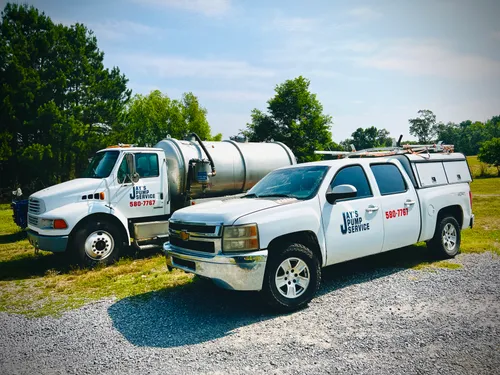
Jay's Pump Service is a family-owned septic service provider based in Little Rock, AR. Established in 2000, the company offers a range of septic system services including tank pumping, inspections, lift pump replacement, and drain field repairs. Their skilled technicians also handle tank locating, riser installation, and commercial lift station cleaning. Jay's Pump Service provides emergency call availability during evening hours to support urgent septic needs.
Why Septic System Evaluations Are Essential in Little Rock
Your septic system is an out-of-sight but crucial component of your home. A professional septic system assessment does more than just check a box; it safeguards your investment and your environment. In Pulaski County, failing systems can contaminate groundwater, create public health hazards, and lead to costly repairs or even replacement. Regular inspections, recommended every 1-3 years by the EPA, help identify minor issues before they become major emergencies. For home buyers, a thorough septic inspection is as important as a home inspection, providing peace of mind about one of the property's most expensive systems.
Arkansas and Little Rock Regulations for Septic Inspections
All septic work in Arkansas, including inspections, is regulated by the Arkansas Department of Health (ADH). It is illegal for an unlicensed individual to perform an official evaluation. Professionals must pass examinations and be licensed by the ADH to ensure they understand state codes and proper procedures 1.
Key regulations that impact inspections include:
- Permit Requirements: Any new system installation requires a permit from the ADH, involving a soil test and approved design2 3. An inspection verifies the system was built to these permitted specifications.
- Nuisance Abatement: If a system is deemed a nuisance or health hazard, the ADH can require the owner to bring it up to code within 30 working days of notification 4. A professional inspection is often the first step in this remediation process.
- Compliance Verification: The inspection itself ensures the system complies with current rules for proper installation and maintenance, preventing environmental hazards5.
What a Comprehensive Septic Inspection Involves
A full septic tank inspection in Little Rock is a detailed process that goes far beyond simply looking into the tank. Licensed professionals follow a systematic approach to evaluate the entire system's condition and performance.
1. Locating and Gaining Access
The technician will first locate all components of your system-the septic tank, distribution box, and drain field. This may involve consulting property records or using probing tools. They will then carefully excavate to expose the tank's access covers, which are typically buried under 6-12 inches of soil.
2. Evaluating the Tank and Internal Components
Once opened, the inspector conducts a visual examination of the tank's interior:
- Sludge and Scum Measurement: They measure the levels of sludge (solid waste at the bottom) and scum (floating fats and oils). These levels determine if the tank needs immediate pumping.
- Structural Inspection: The tank walls, floor, and baffles are checked for cracks, leaks, or signs of deterioration.
- Baffle and Tee Check: The inlet and outlet baffles (or tees) are crucial for preventing solids from flowing into the drain field. The inspector ensures they are intact and properly positioned 6.
3. The Hydraulic Loading Test (Drain Field Test)
This is a key part of a full inspection, especially for real estate transactions. The inspector will run a substantial volume of water through the household plumbing-often up to 50 gallons per bedroom-to simulate a heavy usage period. They then monitor:
- How quickly water exits the tank into the drain field.
- Whether water surfaces or "backs up" in the tank or household drains.
- If there is any surfacing of effluent in the yard over the drain field. This test assesses the drain field's absorption capacity and identifies any hydraulic failure7.
4. Reporting and Documentation
After the evaluation, the inspector provides a detailed report documenting the system's size, location, condition, and performance. This report is essential for homeowners, potential buyers, and sometimes for submission to the health department to verify compliance8.
Understanding Costs for Septic Inspections in Little Rock
The price of a septic inspection depends on the depth of the evaluation required.
- Full System Inspection: For a complete inspection including the hydraulic load test, homeowners in Little Rock can expect to pay between $300 and $600 9. This is the standard for real estate transactions.
- Pumping Service: A routine pumping service, which is maintenance and not a full inspection, typically costs $250 to $500, depending on tank size and accessibility10 11.
- Combined Service: Many professionals recommend pumping the tank during the inspection. This ensures all components are fully visible for assessment and provides maintenance value. The combined cost may be less than scheduling each service separately.
Find the perfect septic tank inspection companies for your needs
Get personalized recommendations and expert advice
The Critical Difference: Inspection vs. Pumping
A common misconception is that pumping a tank is equivalent to an inspection. This is not the case. Pumping is a maintenance task that removes accumulated solids. An onsite wastewater system evaluation is a diagnostic procedure. While a pumper may note obvious issues, only a licensed inspector performs the comprehensive checks and hydraulic tests required to certify the system's functionality, especially for legal or real estate purposes. Think of it like changing your car's oil versus having a certified mechanic perform a full diagnostic scan before you buy it.
Preparing Your Home for a Septic Inspection
A little preparation can ensure your inspection goes smoothly and yields accurate results:
- Locate Records: Have any available system diagrams, permits, or maintenance records ready for the inspector.
- Clear Access: Ensure the area around your septic tank (often indicated by sewer cleanouts or a slight depression in the yard) is clear of vehicles, lawn furniture, and landscaping.
- Mark Components: If you know the location of your tank lids or drain field, marking them with flags can save time.
- Ensure Water Access: The inspector will need access to a water source, like an outdoor spigot, to perform the hydraulic test.
- Be Available: Plan to be home to provide access and answer any questions about the system's history12.
When Is a Septic Inspection Absolutely Necessary?
Beyond routine maintenance, several situations mandate a professional system check:
- Purchasing or Selling a Home: This is the most common trigger. Most lenders require a passing inspection before approving a mortgage on a property with a septic system.
- Suspected System Failure: Signs like slow drains, sewage odors indoors or in the yard, gurgling pipes, or soggy, bright green grass over the drain field all warrant an immediate inspection.
- Home Renovation: If you're planning to add a bedroom or significantly increase your home's water usage, an inspection can determine if your existing system can handle the additional load.
- Health Department Directive: As noted, if the ADH identifies your system as a potential hazard, you will need an inspection and subsequent repairs to achieve compliance13.
Frequently asked questions
Sources
Footnotes
-
Arkansas Septic License & Certification | 2024 Contractor Guide - https://www.servicetitan.com/licensing/septic/arkansas ↩
-
Arkansas Septic System Requirements - National Tank Outlet - https://www.ntotank.com/blog/arkansas-septic-system-requirements ↩
-
Septic Regulations in Arkansas - https://irp.cdn-website.com/90f0e035/files/uploaded/Septic%20Regulations%20in%20Arkansas.pdf ↩
-
Rules and Regulations - Arkansas Secretary of State - https://www.sos.arkansas.gov/uploads/rulesRegs/Arkansas%20Register/2008/dec_2008/007.04.08--001.pdf ↩
-
Onsite Wastewater FAQs - Arkansas Department of Health - https://healthy.arkansas.gov/programs-services/public-health-safety/onsite-wastewater/onsite-wastewater-faqs/ ↩
-
Septic Inspection Process: What Homeowners Should Know | LunsPro - https://www.lunspro.com/vlog/the-septic-system-inspection-process-what-homeowners-should-know ↩
-
What to Expect from a Septic Inspection - https://www.wrenvironmental.com/blog/2023/may/what-to-expect-from-a-septic-inspection/ ↩
-
How to Read Your Septic Tank Inspection Report: A Complete Guide - https://dandhsepticservices.com/septic-tank-inspection-report/ ↩
-
Septic Systems: Homebuyer's Guide | Little Rock % - https://www.centralarinspections.com/blog/septic-systems-homebuyers-guide/ ↩
-
Frequent Questions on Septic Systems | US EPA - https://www.epa.gov/septic/frequent-questions-septic-systems ↩
-
Septic Tank Inspections - https://www.tidytimsinc.com/septics/inspections ↩
-
Preparing for Septic Tank Inspection: 7 Key Steps - https://septic911.com/preparing-for-septic-tank-inspection/ ↩
-
A.C.A. § 14-236-101 - Arkansas Department of Health - https://healthy.arkansas.gov/wp-content/uploads/Act402_and_Onsite_Wastewater_Rules.pdf ↩