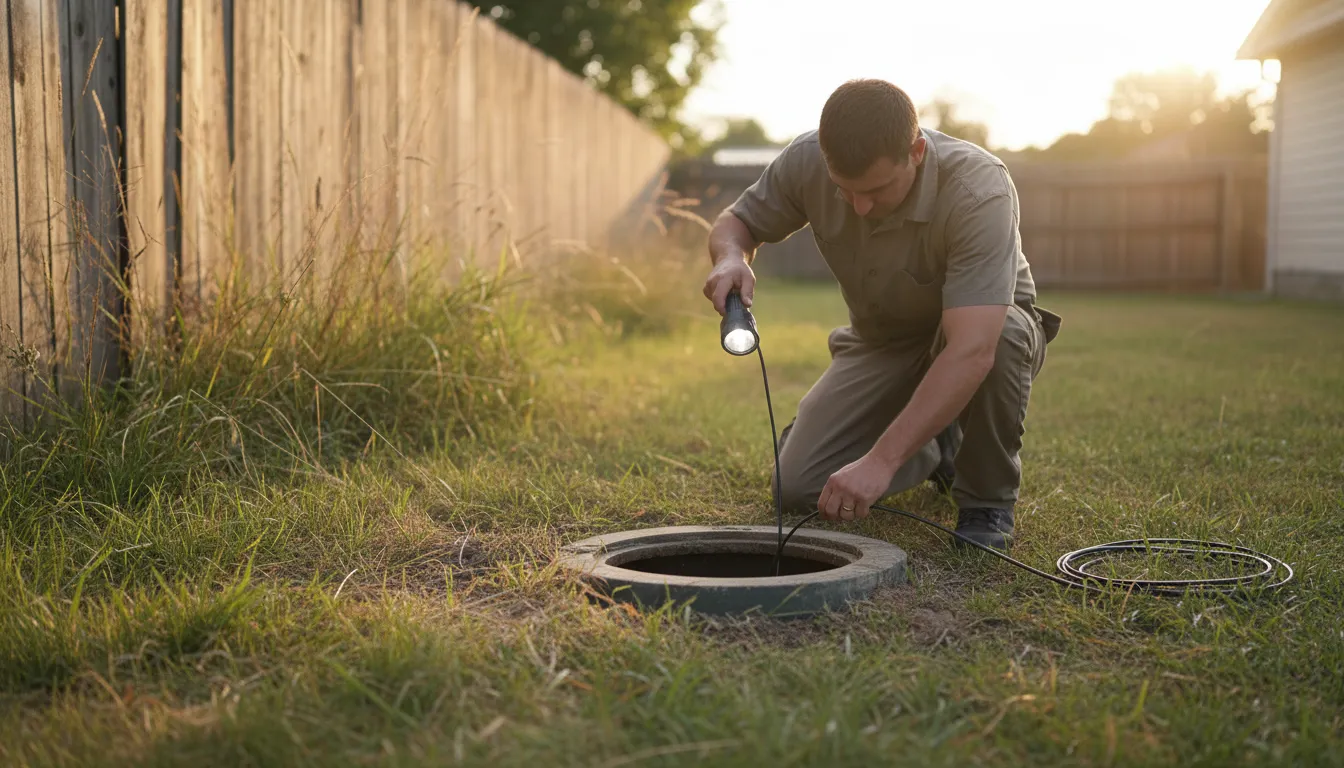
Find the Best Septic Tank Inspection Companies for Your Business
No obligation • Fast responses • Nationwide coverage

Why you can trust Septic Spot
Septic Spot is a leading United States resource for understanding and comparing septic services. Our editors review providers using consistent criteria and verify key business details. Listings and scores are independent, and companies cannot pay to influence our content.
Search providers near you
Top Septic Tank Inspection Companies in Avondale, Arizona Ranked
A septic system inspection is a critical evaluation of your onsite wastewater treatment system's health and functionality. In Avondale, these assessments are especially important due to specific state and county regulations governing property transfers. This guide helps you understand the inspection process, its requirements, and how to find qualified local professionals to perform this essential service.
ProInspect
2336 W Roy Rogers Rd, Phoenix, AZ 85085
ProInspect is a septic tank inspection company based in Phoenix, AZ. They provide detailed septic system inspections to help clients identify potential issues before purchasing property. Their certified inspectors focus on uncovering problems that may be overlooked by others, ensuring a thorough evaluation of septic tanks.
Macho Contracting
6424 E Greenway Pkwy #100, Scottsdale, AZ 85254
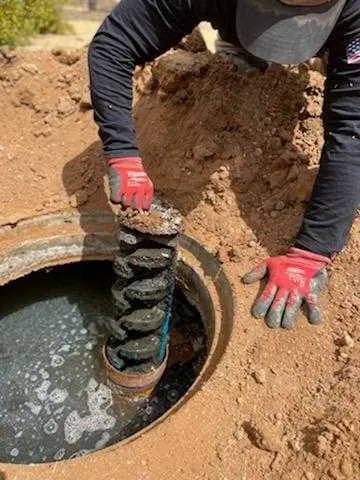
Macho Contracting is a family-owned plumbing and septic company serving Phoenix, AZ, and the surrounding Valley since 2016. They specialize in septic tank pumping, inspections, system repairs, and pump replacement services, with over 25 years of combined experience in onsite wastewater management. Their expertise includes handling underground systems, sewer line repairs, and complex septic system designs tailored to Arizona soil conditions. The company is fully licensed, NAWT-certified, and OSHA-trained, emphasizing safety and compliance in all projects.
Reddi Services
12268 92nd Dr, Peoria, AZ 85381
Reddi Services is a family-owned plumbing and HVAC company serving Phoenix, AZ, and the Kansas City metro areas. Since 1957, they have provided full-service plumbing, drain cleaning, cooling, and heating solutions for residential and commercial customers. Their services include septic tank pumping and inspection, along with comprehensive plumbing inspections to diagnose issues. Reddi Services maintains licensed and insured technicians and offers 24/7 emergency service without after-hours charges, ensuring help is available whenever needed.
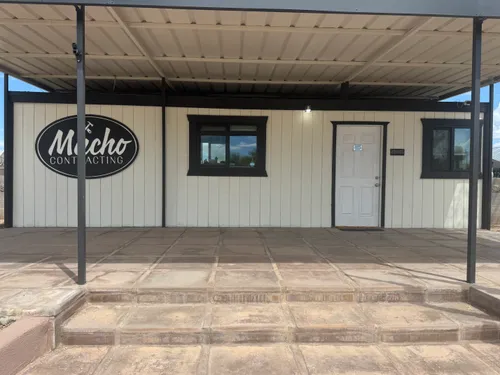
Macho Contracting
1974 E Deer Valley Dr, Phoenix, AZ 85024
Macho Contracting is a family-owned plumbing and septic company based in Phoenix, AZ, serving the Valley and surrounding areas. They specialize in septic tank pumping, inspections, system repairs, and pump replacements, with over 25 years of experience in onsite wastewater management. Their services include handling underground systems, sewer line repairs, and complex septic system designs tailored to Arizona soil conditions. Since 2016, Macho Contracting has provided licensed and certified plumbing and septic solutions, including pump and lift station services, with a focus on innovative and quality workmanship.

AmeriSpec Inspection Services
4605 E Chandler Blvd, Phoenix, AZ 85048
AmeriSpec Inspection Services is a septic tank inspection company based in Phoenix, AZ. They provide detailed residential and commercial property inspections using advanced technology to identify potential issues and deliver comprehensive reports. Their service includes a thorough 400+ point inspection with color photographs and same-day reporting. AmeriSpec has been recognized as a leading home inspection company since 2022 by Forbes Advisor and Bob Vila, highlighting their expertise and reputation in Arizona.
Understanding Septic Inspections in Avondale
A septic tank inspection, often called a system evaluation or certification, is more than a simple check. It's a detailed process to ensure your wastewater system is operating safely and not posing a risk to public health or the environment. For many Avondale homeowners, the first encounter with a mandatory inspection comes during the sale of a property. Arizona law, specifically the Arizona Department of Environmental Quality (ADEQ) Transfer of Ownership Program, requires a system inspection within six months prior to a property sale. This rule, found in A.A.C. R18-9-A316, takes precedence over any conflicting terms in a sales contract.
Because Avondale is in Maricopa County, local rules from the Maricopa County Environmental Services Department (MCESD) also apply to system permitting and modifications 1. This dual layer of regulation means inspections must be thorough and performed by specifically credentialed individuals to be valid for a transfer of ownership.
When is a Septic System Inspection Required?
The most common trigger for a formal inspection is a real estate transaction. However, there are other times when a system evaluation is a wise decision.
Mandatory Transfer Inspection: Sellers are required to retain a qualified inspector to evaluate the septic facility within the six months leading up to transferring ownership 2 3. The resulting Report of Inspection (ROI) must be provided to the buyer before closing, though it is not filed with the state or county 2 4. After the sale, the buyer has 15 days to submit a Notice of Transfer form and a $50 fee to either Maricopa County or ADEQ 5 6.
Routine Maintenance Inspections: Outside of a sale, experts recommend having your septic system inspected every 1 to 3 years as part of regular maintenance 7. This proactive approach can identify minor issues before they become major, costly failures.
Suspected System Problems: If you notice warning signs like slow drains, sewage backups, soggy ground or foul odors near the drain field, or unusually lush grass over the septic area, an immediate inspection is warranted.
System Modifications or Upgrades: If you plan to add a bedroom or otherwise increase the home's capacity, the county may require an inspection and evaluation of the existing system's adequacy.
The Step-by-Step Inspection Process
A comprehensive septic system evaluation in Arizona involves several physical and administrative steps designed to assess every component.
1. Initial Assessment & Record Review: The inspector begins by reviewing available information about the system, including its age, design (tank size, drain field type), and any available maintenance or pumping records.
2. Locating & Uncovering System Components: The inspector must locate the septic tank and drain field. This often involves probing the yard and may require digging to expose the tank's access lids, which are typically buried 6 to 24 inches below the surface 8.
3. Tank Inspection & Pumping:
- Sludge and Scum Measurement: The inspector measures the layers of scum (floating solids) and sludge (settled solids) inside the tank. This determines if the tank needs to be pumped. For a transfer inspection, any significant accumulation must be pumped out.
- Structural Integrity: The tank is checked for cracks, leaks, corrosion, or other structural damage.
- Baffle/Tee Inspection: The inlet and outlet baffles or tees are examined to ensure they are intact and functioning properly. Damaged baffles can allow solids to escape into the drain field, causing clogs and failure.
4. Flow Test & Hydraulic Function: The inspector will often conduct a flow test by flushing toilets and running water to verify that wastewater is moving correctly from the house, into the tank, and out to the drain field 9 10.
5. Drain Field Evaluation: This is a crucial part of the inspection. The inspector examines the soil absorption area (leach field) for signs of failure, such as surfacing sewage, pooling water, or saturated soil. They also check for improper drainage or unauthorized driving/construction over the field.
6. Reporting: Finally, the inspector compiles a detailed Report of Inspection (ROI). This document outlines all findings, notes any code violations or necessary repairs, and states whether the system is functioning adequately for transfer 11.
Find the perfect septic tank inspection companies for your needs
Get personalized recommendations and expert advice
Who Can Perform a Legally Valid Inspection in Avondale?
Not just any contractor can perform an inspection for a property transfer. Arizona regulations require the evaluation to be conducted by a professional with specific credentials 12. Qualified inspectors include:
- Individuals who have completed ADEQ-approved training.
- Registered Professional Engineers.
- Registered Sanitarians.
- Licensed septic contractors holding specific Arizona Registrar of Contractors (ROC) licenses, such as A (General Commercial), A-12 (Sewer and Drains), B-4 (Sewer and Septic), C-41 (Plumbing), KA (Dual General Commercial), K-41 (Dual Plumbing), or L-41 (Residential Plumbing).
Always verify a provider's credentials before hiring them for a transfer inspection. It's also important to note that Arizona law strictly prohibits the use of cesspools for sewage disposal, and properties with cesspools cannot be transferred under the standard process 13.
Costs and Considerations for Avondale Homeowners
The cost of a septic inspection in Arizona varies based on several factors, including the size of the system, its accessibility (how deep the lids are buried), and the scope of the inspection (basic check vs. full transfer certification) 14 15. A routine maintenance inspection will generally cost less than the comprehensive inspection required for a property sale, which includes pumping and detailed reporting.
Investing in regular inspections every few years is far more economical than dealing with a complete system failure, which can cost tens of thousands of dollars to replace 16. For new homeowners, the inspection report provides peace of mind about a critical, and often overlooked, part of the property.
Maintaining Your System After the Inspection
An inspection often includes pumping if needed. To keep your system healthy afterward, follow these guidelines:
- Pump Regularly: Even with inspections, plan to pump your tank every 3 to 5 years, depending on household size and usage.
- Conserve Water: Spread out laundry loads and fix leaks to avoid overloading the system.
- Mind What You Flush: Only human waste and toilet paper should go down the drain. Avoid chemicals, grease, diapers, wipes (even "flushable" ones), and medications.
- Protect the Drain Field: Never park or build over the leach field, and divert rainwater runoff away from it.
Frequently asked questions
Sources
Footnotes
-
MINOR PLAN REVIEW OF AN EXISTING ON-SITE WASTEWATER ... - https://www.maricopa.gov/DocumentCenter/View/7432/Minor-Plan-Review-Instructions-PDF ↩
-
Onsite Wastewater (Septic Systems) - Ownership Transfer - https://www.maricopa.gov/2491/Onsite-Wastewater-Ownership-Transfer ↩ ↩2
-
Onsite Wastewater (Septic Systems) - Ownership Transfer - https://www.maricopa.gov/2491/Onsite-Wastewater-Ownership-Transfer ↩
-
Onsite Wastewater | Notice of Transfer and Inspection - ADEQ - http://azdeq.gov/wqd-onsite-wastewater-notice-transfer-and-inspection ↩
-
Onsite Wastewater | Notice of Transfer and Inspection - ADEQ - http://azdeq.gov/wqd-onsite-wastewater-notice-transfer-and-inspection ↩
-
NOTICE OF TRANSFER - https://cms3.revize.com/revize/gilaaz/documents/docs/CommunityDevelopment/Wastewater/NoticeofTransfer.pdf ↩
-
Homeowners' Guide to Septic Systems - Yavapai County - https://www.yavapaiaz.gov/Resident-Services/Flood-Control/Stormwater-Management-Program/Homeowners-Guide-to-Septic-Systems ↩
-
Inspecting Your Household Septic System - https://extension.arizona.edu/publication/inspecting-your-household-septic-system ↩
-
Navigating a Septic Certification in Arizona - https://www.machocontracting.com/navigating-septic-certification-in-arizona ↩
-
What to Expect During a Septic System Inspection | Able Plumbing - https://www.ableplumbingsolutions.com/what-to-expect-during-a-septic-system-inspection/ ↩
-
What Arizona Homebuyers Should Know About Septic ... - https://tucsonsepticsystems.com/septic/what-arizona-homebuyers-should-know-about-septic-inspections/ ↩
-
What You Should Know When You're Having Your Septic System ... - https://extension.arizona.edu/publication/what-you-should-know-when-youre-having-your-septic-system-inspected-transfer-ownership ↩
-
WHAT YOU SHOULD KNOW - https://cales.arizona.edu/backyards/sites/cals.arizona.edu.backyards/files/b13winter_pp4-7.pdf ↩
-
How Much Does a Septic Inspection Cost in Arizona? - https://www.advantageairmechanical.com/blog/septic-inspection-cost-arizona ↩
-
How Much Does a Septic Inspection Cost? | SewerTime Blog - https://sewertime.com/blog/septic-inspection-cost/ ↩
-
Why Maintain Your Septic System | US EPA - https://www.epa.gov/septic/why-maintain-your-septic-system ↩