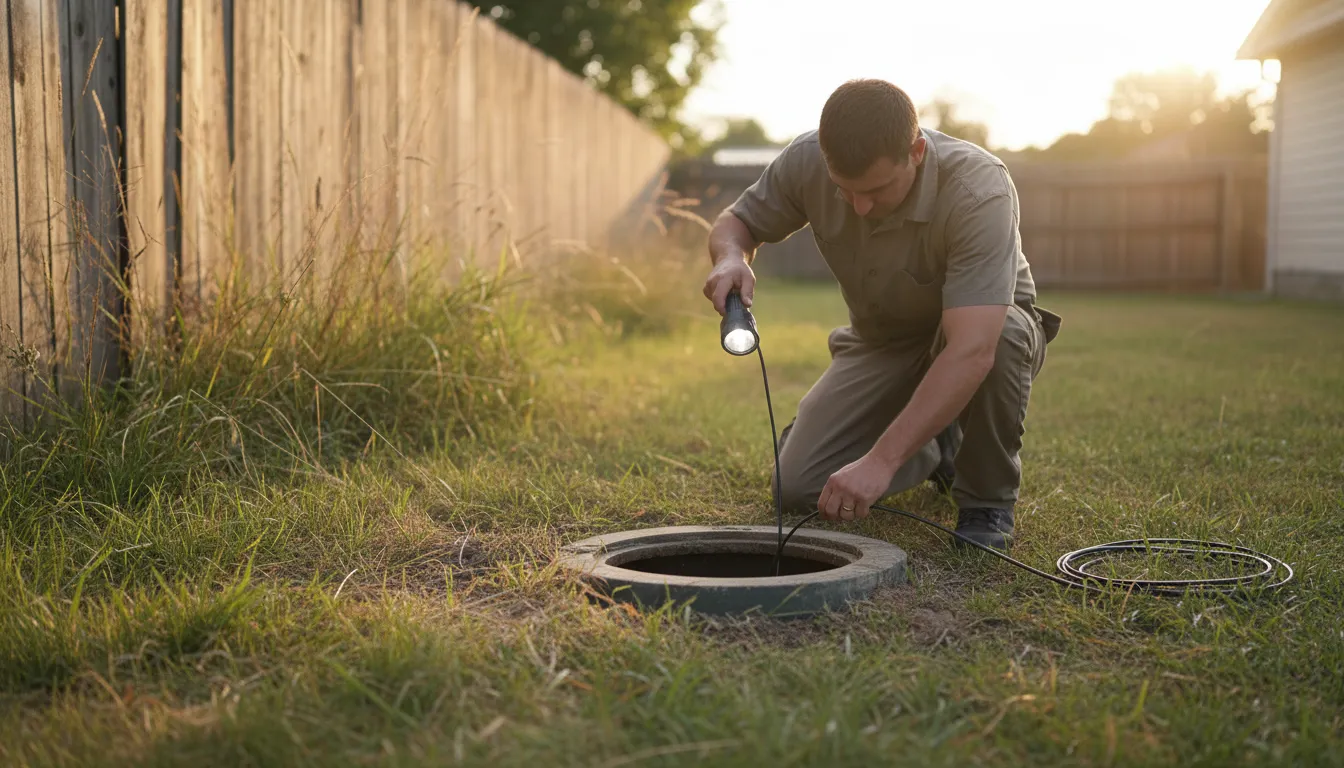
Find the Best Septic Tank Inspection Companies for Your Business
No obligation • Fast responses • Nationwide coverage

Why you can trust Septic Spot
Septic Spot is a leading United States resource for understanding and comparing septic services. Our editors review providers using consistent criteria and verify key business details. Listings and scores are independent, and companies cannot pay to influence our content.
Search providers near you
Top Septic Tank Inspection Companies in Tempe, Arizona Ranked
A septic tank inspection is a critical evaluation of your home's on-site wastewater treatment system, ensuring it is safe, functional, and compliant with state law. In Tempe, this process is especially important because Arizona mandates a certified inspection during the sale of any property with a septic system. Understanding what an inspection entails helps protect your investment, whether you're buying, selling, or maintaining your home. This guide provides the local information you need to navigate the process, understand the costs, and find qualified professionals to conduct your system evaluation.
ProInspect
2336 W Roy Rogers Rd, Phoenix, AZ 85085
ProInspect is a septic tank inspection company based in Phoenix, AZ. They provide detailed septic system inspections to help clients identify potential issues before purchasing property. Their certified inspectors focus on uncovering problems that may be overlooked by others, ensuring a thorough evaluation of septic tanks.
Macho Contracting
6424 E Greenway Pkwy #100, Scottsdale, AZ 85254
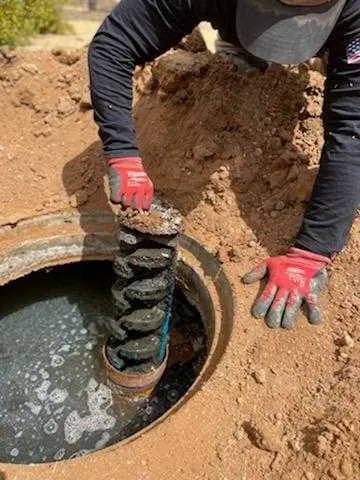
Macho Contracting is a family-owned plumbing and septic company serving Phoenix, AZ, and the surrounding Valley since 2016. They specialize in septic tank pumping, inspections, system repairs, and pump replacement services, with over 25 years of combined experience in onsite wastewater management. Their expertise includes handling underground systems, sewer line repairs, and complex septic system designs tailored to Arizona soil conditions. The company is fully licensed, NAWT-certified, and OSHA-trained, emphasizing safety and compliance in all projects.
Reddi Services
12268 92nd Dr, Peoria, AZ 85381
Reddi Services is a family-owned plumbing and HVAC company serving Phoenix, AZ, and the Kansas City metro areas. Since 1957, they have provided full-service plumbing, drain cleaning, cooling, and heating solutions for residential and commercial customers. Their services include septic tank pumping and inspection, along with comprehensive plumbing inspections to diagnose issues. Reddi Services maintains licensed and insured technicians and offers 24/7 emergency service without after-hours charges, ensuring help is available whenever needed.
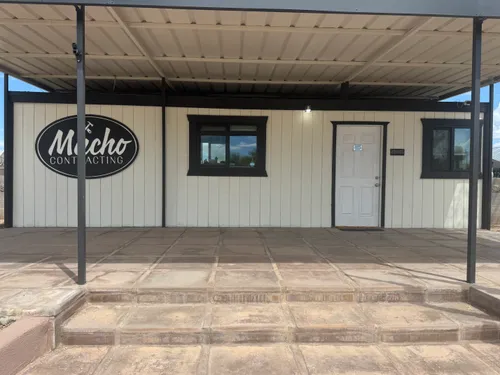
Macho Contracting
1974 E Deer Valley Dr, Phoenix, AZ 85024
Macho Contracting is a family-owned plumbing and septic company based in Phoenix, AZ, serving the Valley and surrounding areas. They specialize in septic tank pumping, inspections, system repairs, and pump replacements, with over 25 years of experience in onsite wastewater management. Their services include handling underground systems, sewer line repairs, and complex septic system designs tailored to Arizona soil conditions. Since 2016, Macho Contracting has provided licensed and certified plumbing and septic solutions, including pump and lift station services, with a focus on innovative and quality workmanship.

Down South Septic & Drain
Phoenix, AZ
Down South Septic & Drain is a family-owned business based in East Mesa, Arizona. They provide septic system services including septic tank cleaning and pumping, ADEQ septic inspections, and drain clean outs. The company serves the East Valley area, covering locations such as Apache Junction, Mesa, Gilbert, Gold Canyon, Queen Creek, San Tan Valley, and Florence.
Why Septic System Inspections Are Required in Tempe
In Arizona, a septic system inspection is not just a good idea-it's the law for property transfers. State regulations (specifically A.A.C. R18-9-A316) require that a certified inspector evaluate any onsite wastewater treatment facility within six months before the ownership changes hands. The primary trigger for this mandatory assessment is the sale or transfer of the property.
The responsibility for arranging and paying for this transfer inspection typically falls to the seller 1. The goal is to provide full disclosure to the buyer about the condition of a system that will be their responsibility. Once completed, a formal inspection report must be submitted to the Arizona Department of Environmental Quality (ADEQ) 2. It's worth noting that brand new, unused systems are exempt from this transfer inspection requirement 3.
The Step-by-Step Inspection Process
A thorough septic system evaluation in Tempe involves much more than just looking at a tank. Certified inspectors follow a detailed process to assess the entire system's health.
1. Locating the System Components The first step is often to locate all critical parts of the system that may be buried and forgotten. The inspector will find the septic tank, distribution box, and the leach field (also called a drain field). Accurate location is essential for testing and for future maintenance.
2. Initial Visual Assessment Before any digging or pumping, the inspector conducts a visual check of the property. They look for warning signs like overly lush vegetation over the drain field, soggy soil, or unpleasant odors-all potential indicators of a failing system or surfacing sewage.
3. Tank Access and Pumping To inspect the tank itself, the lid must be excavated and opened. For a comprehensive inspection, the tank is usually pumped out. This allows the inspector to see inside clearly, which is crucial for the next steps.
4. Internal Tank Inspection With the tank empty, the inspector examines its structural integrity. They check for cracks, leaks, and the condition of internal components like inlet and outlet baffles or tees, which are vital for controlling the flow and preventing solids from escaping into the drain field 4.
5. Hydraulic Load Test A key part of the process is a flow test. The inspector will run a substantial amount of water from the house through the system to simulate normal use. This test checks if wastewater moves properly from the home, through the tank, and out into the drain field without backing up or pooling 5 6.
6. Final Reporting and Classification After the evaluation, the inspector completes the official ADEQ report. The system will receive one of three classifications:
- Functional: The system is operating as designed with no significant issues.
- Functional with Concerns: The system is currently working but has issues that need monitoring or repair.
- Not Functional: The system has failed and is causing a public health nuisance or environmental violation 7.
Find the perfect septic tank inspection companies for your needs
Get personalized recommendations and expert advice
Understanding Inspection Costs and Related Pricing
The cost of a septic inspection in Tempe can vary based on the depth of the evaluation and the system's characteristics. It's helpful to understand the typical price ranges.
A basic visual inspection and report, which may satisfy legal requirements for some transactions, typically ranges from $200 to $300. However, most transfer inspections are more comprehensive.
A full evaluation that includes pumping the tank to allow for a complete internal assessment generally costs between $400 and $650 or more8. The pumping itself, if done separately, can range from $150 to $1,000+, heavily dependent on tank size and how easy it is to access 8.
It's important to view this inspection cost in context. If an inspection reveals a system is "Not Functional," the cost of replacing a septic system in Arizona can range from $3,000 to $10,000 or more9. The inspection fee is a relatively small investment to uncover potential problems before a sale is finalized or before minor issues become major failures.
What Happens If the Inspection Finds Problems?
A common concern for sellers and buyers alike is what occurs if the inspection report lists "concerns" or declares the system "not functional." According to Arizona law, the inspection's purpose is disclosure. The seller is not legally required to repair the system to complete the sale10.
However, the findings must be fully disclosed to the buyer on the ADEQ report 11 12. This disclosure empowers the buyer. They can then negotiate with the seller for repairs, a price reduction, or back out of the purchase agreement altogether if the findings are significant. For a homeowner not selling, an inspection that finds concerns provides a crucial early warning, allowing for proactive repairs that are often far less expensive than emergency fixes or a full system replacement.
Maintaining Your System After the Inspection
Once you have a clean bill of health for your septic system, regular maintenance is key to keeping it functional. Even if not required by law outside of a sale, having your tank pumped and inspected every 3-5 years is a standard recommendation. Be mindful of what goes down your drains, avoid pouring grease or chemicals into the system, and divert rainwater drainage away from your drain field. Proper care extends the life of your system and protects your property value.
Frequently asked questions
Sources
Footnotes
-
WHAT YOU SHOULD KNOW - https://cales.arizona.edu/backyards/sites/cals.arizona.edu.backyards/files/b13winter_pp4-7.pdf ↩
-
ADEQ Septic Inspections:15 FAQ'S - https://prioritypumpingaz.com/adeq-septic-inspections15-faqs/ ↩
-
What Arizona Homebuyers Should Know About Septic Inspections - https://tucsonsepticsystems.com/septic/what-arizona-homebuyers-should-know-about-septic-inspections/ ↩
-
Septic Certifications | Gross Septic Pumping - https://www.grossseptic.com/septic-certifications/ ↩
-
Arizona Septic Tank Inspection Guide - https://www.clickapro.com/septic-tank-inspection-guide/ ↩
-
What to Expect from a Septic Inspection - https://www.wrenvironmental.com/blog/2023/may/what-to-expect-from-a-septic-inspection/ ↩
-
Onsite Wastewater (Septic Systems) - Ownership Transfer - https://www.maricopa.gov/2491/Onsite-Wastewater-Ownership-Transfer ↩
-
Inspecting Your Household Septic System - https://extension.arizona.edu/publication/inspecting-your-household-septic-system ↩ ↩2
-
How Much Does a Septic Inspection Cost in Arizona? - https://www.advantageairmechanical.com/blog/septic-inspection-cost-arizona ↩
-
Septic Inspections in Arizona: A Seller's Responsibility - https://prioritypumpingaz.com/septic-inspection-sellers-responsibility/ ↩
-
What You Should Know When You're Having Your Septic System ... - https://extension.arizona.edu/publication/what-you-should-know-when-youre-having-your-septic-system-inspected-transfer-ownership ↩
-
ADEQ Septic Inspections:15 FAQ'S - HomeField East Valley - https://www.homefieldonsite.com/east-valley/adeq-septic-inspections15-faqs/ ↩