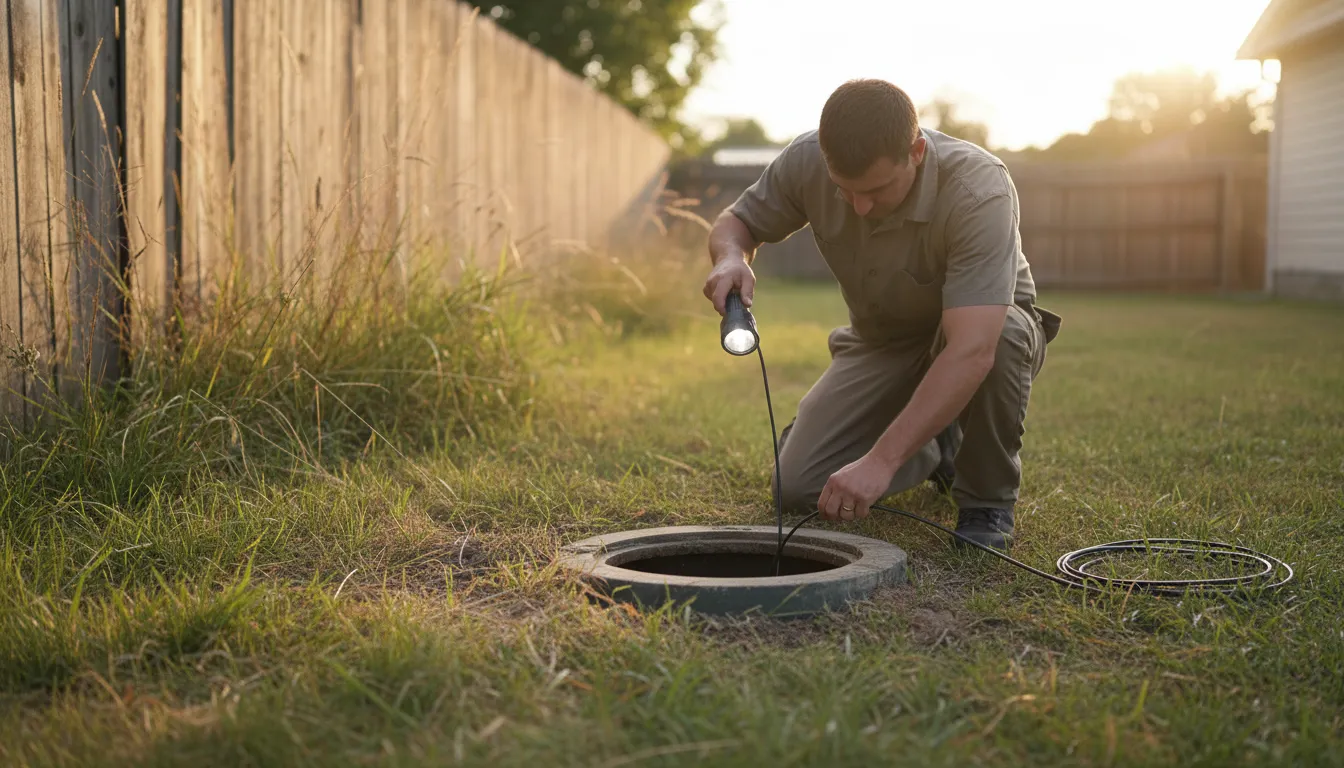
Find the Best Septic Tank Inspection Companies for Your Business
No obligation • Fast responses • Nationwide coverage

Why you can trust Septic Spot
Septic Spot is a leading United States resource for understanding and comparing septic services. Our editors review providers using consistent criteria and verify key business details. Listings and scores are independent, and companies cannot pay to influence our content.
Search providers near you
Top Septic Tank Inspection Companies in Caldwell, Idaho Ranked
A septic system inspection is a critical evaluation of your onsite wastewater treatment system's health and functionality. In Caldwell, where many homes rely on these private systems, a professional assessment ensures your property remains safe, compliant, and environmentally sound. Whether you're buying a home, selling property, or maintaining your existing system, understanding the local inspection process helps you find qualified professionals and make informed decisions for your home.
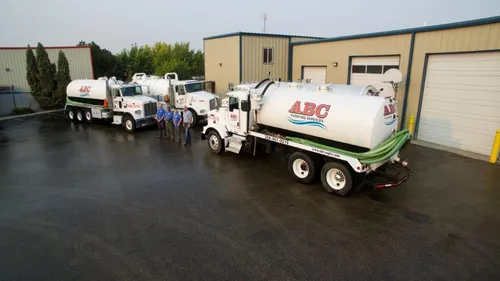
ABC Pumping Service
281 N Baltic Pl, Meridian, ID 83642
ABC Pumping Service is a septic tank and system specialist based in Boise, ID, serving Meridian and surrounding areas. They provide a range of services including septic tank pumping, inspection, repair, installation, drain field repair, and pump maintenance. With over 30 years of experience, ABC Pumping Service is familiar with both old and new septic systems and offers 24/7 emergency services. One notable capability is their expertise in repairing damaged drain fields to prevent septic system failure. They also install and maintain advanced wastewater treatment systems such as ETPS units, serving both residential and commercial clients.
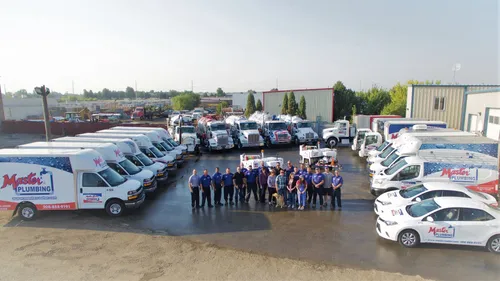
Master Plumbing
9446 W Fairview Ave Suite B, Boise, ID 83704
Master Plumbing is a septic tank pumping, inspection, and installation company based in Boise, ID. They serve homeowners throughout Southwest Idaho, offering a range of plumbing services including septic system installation, maintenance, and advanced wastewater treatment solutions such as the Extended Treatment Package System (ETPS) using BioMicrobics FAST Technology. With over 140 years of combined experience, Master Plumbing employs certified journeyman plumbers who are knowledgeable in meeting Idaho Department of Environmental Quality requirements. The company also provides 24/7 emergency plumbing services to address urgent needs at any time.
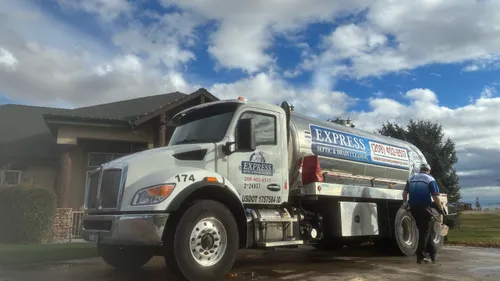
Express Septic & Drain Cleaning
3206 Airport Rd, Nampa, ID 83687
Express Septic & Drain Cleaning is a locally owned company serving Meridian, ID, and the greater Treasure Valley area. Since 2006, they have provided septic tank pumping, inspection, testing, and riser installation services. Their team also offers comprehensive drain cleaning solutions to address various plumbing needs. The company emphasizes professional, clean, and efficient service, with trained and background-checked technicians who provide updates throughout the service process.
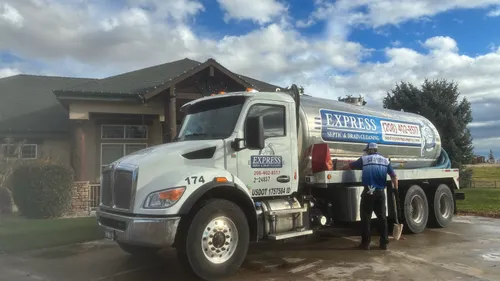
Express Septic & Drain Cleaning
6003 W Overland Rd l107, Boise, ID 83709
Express Septic & Drain Cleaning is a septic tank pumping and inspection company serving Boise, ID, and the greater Treasure Valley area including Nampa and surrounding communities. Established in 2006, the locally owned business offers septic tank location, pumping, inspection, testing, and riser installation services. They also provide comprehensive drain cleaning solutions to address various plumbing needs. The company emphasizes professional, clean, and efficient service while keeping customers informed with automatic updates and technician details.
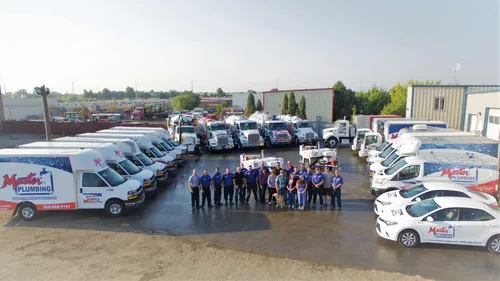
Master Plumbing
393 W State St c, Eagle, ID 83616
Master Plumbing is a septic tank pumping, inspection, and installation contractor serving Boise, ID. They offer a full range of plumbing services including septic system installation, maintenance, and advanced wastewater treatment solutions such as BioMicrobics FAST Technology and Extended Treatment Package Systems (ETPS) for challenging soil conditions. With over 140 years of combined experience, their certified journeyman plumbers provide knowledgeable and customized solutions. Master Plumbing also offers 24/7 emergency plumbing services to address urgent needs at any time.
Why Septic System Inspections Are Essential in Caldwell
In Canyon County, septic systems are a common method for treating household wastewater. Unlike a municipal sewer connection, the responsibility for maintenance and environmental safety falls entirely on the homeowner. A thorough septic tank evaluation is not just about checking a box; it's a preventative health measure for your property and the local groundwater. Regular inspections can identify minor issues before they become catastrophic failures, which can lead to costly repairs, property damage, and contamination of soil and water sources 1.
Local regulations, enforced by Southwest District Health (SWDH), mandate inspections for specific situations. The most common triggers are during a property transfer (real estate transaction), when applying for a new building permit, or after a major system repair. Proactive homeowners also schedule periodic assessments every 1-3 years as part of a responsible maintenance plan to avoid emergencies and extend the life of their drainfield.
Understanding Local Regulations and Permit Requirements
Navigating the regulatory landscape is a key part of any septic service in Idaho. For Caldwell residents, Southwest District Health is the governing authority for onsite wastewater systems. Their regulations are designed to protect public health and Idaho's water quality.
A valid permit from SWDH is required for any new septic system installation, a major alteration, or a repair 2. Furthermore, only licensed septic pumpers and inspectors are legally authorized to perform work on these systems. This licensing ensures the professional has the training to adhere to state codes regarding system design, installation, and inspection protocols. When you hire a licensed inspector, they will be familiar with the specific requirements for Caldwell, such as ensuring tanks are watertight, have accessible risers to the surface, and possess functional inlet and outlet baffles.
It's also important to note that the disposal of septage (the material pumped from a tank) is strictly regulated. All waste must be taken to an authorized disposal site. In Caldwell, pumpers can utilize the City of Caldwell Wastewater Treatment Plant, which requires them to hold a yearly pumper permit and conduct pH testing on delivered loads 3.
What Does a Professional Inspection Involve?
A comprehensive septic system inspection goes far beyond just looking at the tank. A licensed professional follows a systematic process to evaluate the entire system's condition. Here's a breakdown of what you can expect during a standard assessment:
- Locating and Uncovering the Tank: The inspector will first locate your septic tank and distribution box. They will then uncover the manhole access ports, which, by code, should be within 18 inches of the surface for easy service.
- Checking Tank Integrity and Scum/Sludge Levels: This is the core of the tank inspection. The inspector will measure the thickness of the scum layer (floating solids) and the sludge layer (settled solids) at the bottom of the tank. A primary goal is to ensure these layers do not exceed 35-40% of the tank's total liquid volume, as excessive buildup can lead to solids escaping into the drainfield and causing clogging and failure 4 5.
- Inspecting Critical Components: The inlet and outlet baffles or tees are examined for integrity. These components are crucial for preventing scum from exiting the tank and ensuring only clarified liquid flows to the drainfield. Damaged or missing baffles are a common reason an inspection may not pass 6.
- Evaluating the Drainfield: The inspector will assess the condition of the drainfield (leach field) area. They look for telltale signs of failure, such as soggy ground, standing water, unexplained lush grass, or sewage odors emanating from the soil 7. They may also check the distribution box for even flow to all sections of the field.
- Providing a Detailed Report: Following the inspection, you should receive a written report detailing the findings, including sludge/scum measurements, component conditions, and any recommendations for pumping, repair, or further investigation.
Find the perfect septic tank inspection companies for your needs
Get personalized recommendations and expert advice
Common Inspection Findings and What They Mean
Understanding potential issues can help you interpret an inspector's report. Here are some frequent findings:
- High Sludge/Scum Levels: This is the most common reason a tank needs pumping. If layers are too thick, pumping is immediately recommended to restore proper treatment volume and protect the drainfield.
- Damaged or Missing Baffles: Without functional baffles, solids can flow directly into the drainfield pipes, causing rapid clogging. This typically requires a repair by a licensed professional to bring the system into compliance.
- Cracks or Leaks in the Tank: A compromised tank can allow untreated wastewater to leak into the surrounding soil (environmental hazard) or allow groundwater to flood into the tank (overloading the system). Significant structural damage often necessitates tank replacement.
- Signs of Drainfield Failure: Soggy areas or effluent surfacing are serious indicators that the soil is no longer absorbing water. This can result from a clogged tank, compromised pipes, or soil saturation, and often requires extensive-and expensive-remediation.
Cost of Septic Inspections and Related Services in Caldwell
Investing in a professional inspection is a small price compared to the cost of a system replacement. In the Caldwell area, pricing can vary based on the tank's accessibility, its size, and the depth of the report required.
- Standard Septic Tank Inspection: For a typical residential system, you can expect a range of $200 to $500+ 8. This usually includes locating and uncovering the tank, measuring sludge/scum, inspecting visible components, and a basic assessment of the drainfield area.
- Septic Tank Pumping: If the inspection reveals the tank is more than one-third full, pumping will be recommended. Pumping costs in Caldwell typically range from $300 to $600+, primarily depending on the tank's capacity (e.g., 1,000 vs. 1,500 gallons) 9.
- Additional Fees: Be aware that if a Southwest District Health inspector is required to be on-site for a permit-related inspection (like for a new installation), the department charges an on-site fee, which is approximately $100 10.
Always request a detailed quote from service providers that outlines exactly what is included in the inspection fee.
Preparing for a Real Estate Septic Inspection
For home buyers and sellers in Caldwell, a septic inspection is a pivotal part of the transaction process. Sellers can avoid delays and renegotiations by being proactive.
For Sellers: Consider a pre-listing inspection. This allows you to identify and address any issues before the buyer's inspector arrives. Ensure all tank access lids (risers) are clearly marked and easily accessible. Clear any debris, vehicles, or landscaping from above the tank and drainfield area. Having a record of your last pumping date is also very helpful 11.
For Buyers: Always make your offer contingent on a satisfactory septic inspection conducted by a licensed professional of your choosing. Review the report carefully, paying close attention to the sludge/scum measurements, baffle condition, and any notes on the drainfield. Use the findings to make an informed decision about proceeding with the purchase or negotiating repairs with the seller 12.
Maintaining Your System After a Clean Inspection
Passing an inspection is a great milestone, but ongoing maintenance is key to long-term system health. Adhere to the following best practices:
- Pump Regularly: Based on household size and tank capacity, plan to pump your tank every 3 to 5 years. Your inspector can give you a more personalized recommendation 13.
- Conserve Water: Fix leaks and spread out laundry loads to avoid hydraulically overloading the system.
- Mind What You Flush: Only human waste and toilet paper should go down the drain. Avoid chemicals, grease, wipes (even "flushable" ones), and excessive use of garbage disposals 14.
- Protect the Drainfield: Never drive or park heavy vehicles over it, and avoid planting trees with deep roots nearby.
Frequently asked questions
Sources
Disclaimer: Regulations and fees are subject to change. Always check directly with Southwest District Health and licensed professionals for the most current information and guidance specific to your property.
Footnotes
-
Frequent Questions on Septic Systems | US EPA - https://www.epa.gov/septic/frequent-questions-septic-systems ↩
-
Septic - Eastern Idaho Public Health - https://eiph.id.gov/environmental-health/septic/ ↩
-
Septic Disposal | City of Caldwell, Idaho - https://www.cityofcaldwell.org/Departments/Wastewater-Treatment-Plant/Septic-Disposal ↩
-
IDAHO SEPTIC PUMPERS TECHNICAL GUIDANCE ... - https://www2.deq.idaho.gov/admin/LEIA/api/document/download/23934 ↩
-
How to Get Septic to Pass Inspection - https://www.guardianangelinspections.com/how-to-get-septic-to-pass-inspection ↩
-
Homeowner Installer Manual - https://idahopublichealth.com/environmental/septicsystems/New-Sewer-Installers-Manual.pdf ↩
-
What to Expect During a Commercial Septic System Inspection - https://mackenservices.com/2024/08/what-to-expect-during-a-commercial-septic-system-inspection/ ↩
-
Understanding the Price of Septic Tank Inspections - https://www.theflushfellas.com/understanding-the-price-of-septic-tank-inspections ↩
-
Caldwell Septic Inspections, Repairs & Pumping Services - https://septicsystempumping.com/septic-company-caldwell-id/septic/ ↩
-
Septic & Land Development - Southwest District Health - https://swdh.id.gov/licensing-permitting/septic-land-development/ ↩
-
Septic Well Pre-Inspection for Magnolia Sellers - Avoid Delays - https://deborahstepanek.com/blog/septic-and-well-preinspections-for-magnolia-sellers ↩
-
Septic Inspection: What Buyers Should Know - https://www.mashvisor.com/blog/septic-inspection-buyers/ ↩
-
Septic Permits - https://www.siphidaho.org/environmental-health/septic-onsite.php ↩
-
A Homeowner's Guide to Septic Systems - https://idahopublichealth.com/environmental/septicsystems/474190-septic_homeowners_guide.pdf ↩