Find the Best Septic Tank Inspection Companies for Your Business
No obligation • Fast responses • Nationwide coverage

Why you can trust Septic Spot
Septic Spot is a leading United States resource for understanding and comparing septic services. Our editors review providers using consistent criteria and verify key business details. Listings and scores are independent, and companies cannot pay to influence our content.
Search providers near you
Top Septic Tank Inspection Companies in Nampa, Idaho Ranked
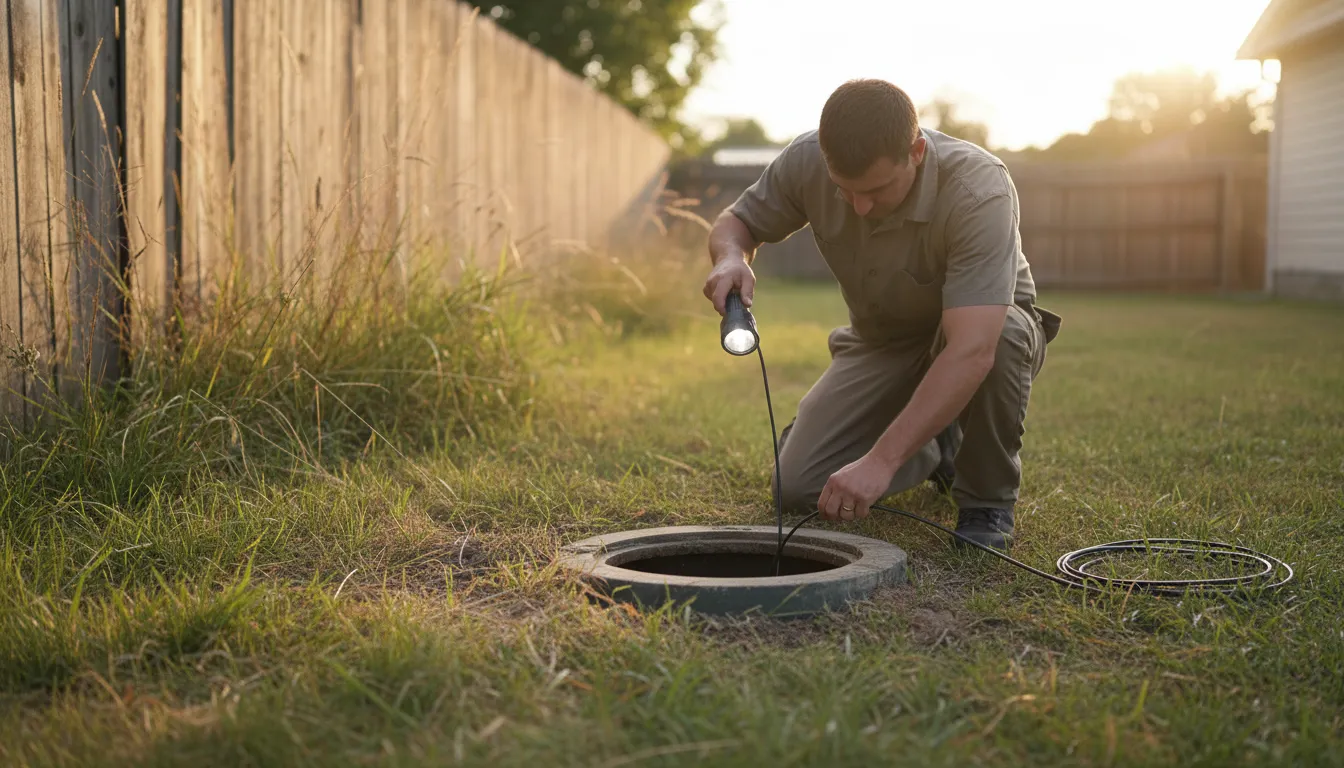
A septic system inspection is a vital evaluation of your home's private wastewater treatment system. For Nampa homeowners, this professional assessment ensures your septic tank and drainfield are functioning properly, protecting your property value, your family's health, and the local environment. This guide explains the inspection process, local regulations, and typical costs, helping you understand what to expect and how to find qualified local professionals for your system evaluation.
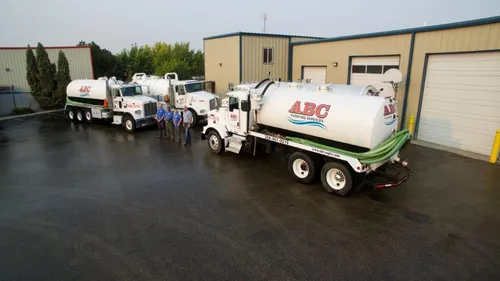
ABC Pumping Service
281 N Baltic Pl, Meridian, ID 83642
ABC Pumping Service is a septic tank and system specialist based in Boise, ID, serving Meridian and surrounding areas. They provide a range of services including septic tank pumping, inspection, repair, installation, drain field repair, and pump maintenance. With over 30 years of experience, ABC Pumping Service is familiar with both old and new septic systems and offers 24/7 emergency services. One notable capability is their expertise in repairing damaged drain fields to prevent septic system failure. They also install and maintain advanced wastewater treatment systems such as ETPS units, serving both residential and commercial clients.
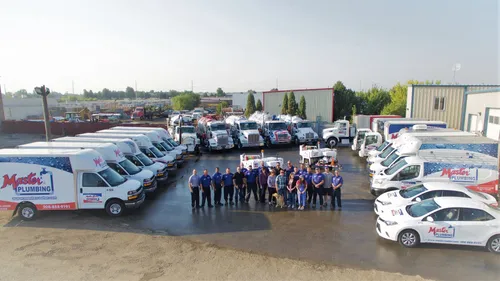
Master Plumbing
9446 W Fairview Ave Suite B, Boise, ID 83704
Master Plumbing is a septic tank pumping, inspection, and installation company based in Boise, ID. They serve homeowners throughout Southwest Idaho, offering a range of plumbing services including septic system installation, maintenance, and advanced wastewater treatment solutions such as the Extended Treatment Package System (ETPS) using BioMicrobics FAST Technology. With over 140 years of combined experience, Master Plumbing employs certified journeyman plumbers who are knowledgeable in meeting Idaho Department of Environmental Quality requirements. The company also provides 24/7 emergency plumbing services to address urgent needs at any time.
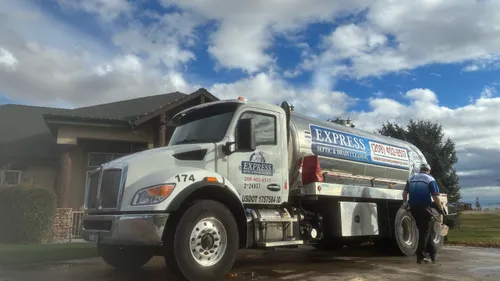
Express Septic & Drain Cleaning
3206 Airport Rd, Nampa, ID 83687
Express Septic & Drain Cleaning is a locally owned company serving Meridian, ID, and the greater Treasure Valley area. Since 2006, they have provided septic tank pumping, inspection, testing, and riser installation services. Their team also offers comprehensive drain cleaning solutions to address various plumbing needs. The company emphasizes professional, clean, and efficient service, with trained and background-checked technicians who provide updates throughout the service process.
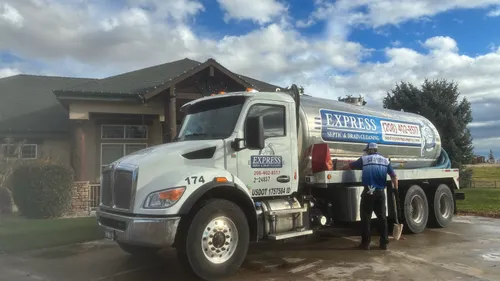
Express Septic & Drain Cleaning
6003 W Overland Rd l107, Boise, ID 83709
Express Septic & Drain Cleaning is a septic tank pumping and inspection company serving Boise, ID, and the greater Treasure Valley area including Nampa and surrounding communities. Established in 2006, the locally owned business offers septic tank location, pumping, inspection, testing, and riser installation services. They also provide comprehensive drain cleaning solutions to address various plumbing needs. The company emphasizes professional, clean, and efficient service while keeping customers informed with automatic updates and technician details.
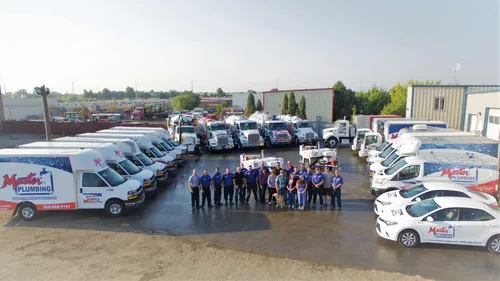
Master Plumbing
393 W State St c, Eagle, ID 83616
Master Plumbing is a septic tank pumping, inspection, and installation contractor serving Boise, ID. They offer a full range of plumbing services including septic system installation, maintenance, and advanced wastewater treatment solutions such as BioMicrobics FAST Technology and Extended Treatment Package Systems (ETPS) for challenging soil conditions. With over 140 years of combined experience, their certified journeyman plumbers provide knowledgeable and customized solutions. Master Plumbing also offers 24/7 emergency plumbing services to address urgent needs at any time.
Why Septic System Inspections Are Critical in Nampa
In Canyon County, where many homes rely on onsite wastewater systems, a routine septic evaluation is not just a good idea-it's a cornerstone of responsible homeownership. Southwest District Health (SWDH) is the local agency regulating these systems, requiring permits for new installations, repairs, or expansions. An inspection provides a clear snapshot of your system's health, identifying minor issues before they become costly failures. Regular checks, recommended every 1-3 years, can prevent emergencies like sewage backups or drainfield failure, which can lead to expensive repairs and environmental contamination 1 2.
Understanding Local Regulations and Requirements
Navigating the rules for septic systems in Nampa starts with knowing the authorities and their requirements.
- Permitting Authority: All regulatory oversight for onsite wastewater systems in Nampa and the surrounding area falls under Southwest District Health (SWDH) 3. They enforce the state and local codes that ensure systems are designed, installed, and maintained properly.
- When Inspections Are Required: SWDH mandates system evaluations for new installations and for significant repairs or expansions. Furthermore, a septic tank inspection is very commonly required during real estate transactions when a lender is involved, as it provides assurance about the property's wastewater infrastructure.
- Professional Licensing: Anyone pumping or inspecting septic tanks in Idaho must be licensed. SWDH requires pumpers to obtain a license, which includes a fee for the first truck 4. Hiring a licensed professional ensures the work meets regulatory standards and is performed safely.
What a Professional Septic Inspection Involves
A comprehensive septic system assessment is a multi-step process conducted by a trained inspector. Here's what you can expect during a typical evaluation:
- Locate and Access: The inspector will first locate your septic tank and drainfield. They will then carefully excavate and open both the main manhole cover and the smaller inspection port to get a full view inside the tank.
- Assess Sludge and Scum Levels: This is a core part of the inspection. Using specialized tools, the inspector measures the depth of the sludge layer at the bottom and the scum layer floating at the top. A key rule of thumb: if the combined solids fill more than one-third of the tank's depth, pumping is immediately needed to prevent system failure.
- Check Critical Components: The inspector will examine the inlet and outlet baffles (or tees). These components are crucial for preventing solids from flowing out of the tank and into the drainfield. They check for blockages, damage, or deterioration 5 6.
- Evaluate Tank and Drainfield Integrity: The tank itself is inspected for cracks, leaks, or structural issues. The inspector also surveys the drainfield area for warning signs like soggy ground, foul odors, or surfacing sewage, which indicate saturation and potential failure.
- Provide a Detailed Report: After the evaluation, you should receive a written report detailing the functional state of your system, any issues found, and recommended actions. This report is an essential document for maintenance records and real estate disclosures 7.
Find the perfect septic tank inspection companies for your needs
Get personalized recommendations and expert advice
Costs for Inspection and Pumping in Nampa
Understanding the potential costs helps homeowners budget for this essential maintenance. Prices can vary based on tank size, accessibility, and the scope of the inspection.
- Inspection Fees: A professional septic system inspection in the Nampa area typically ranges from $150 to $450. This fee covers the evaluator's time, expertise, and report.
- Pumping Costs: If the inspection reveals your tank needs to be pumped, that service is separate. Pumping costs in the region generally range from $300 to over $1,200, with an average around $423, depending heavily on tank capacity (e.g., 900-gallon vs. 1,500-gallon) 8.
- Regulatory Fees: Note that SWDH may charge fees for their services, such as a $100 site visit for a pumper inspection 9.
Maintenance Frequency and System Basics
Adhering to a regular maintenance schedule is the most effective way to extend the life of your septic system and avoid surprises.
- Recommended Schedule: Industry experts and health authorities recommend having your system inspected every 3 years and pumped every 3 to 5 years 10. However, the exact frequency can depend on household size and usage.
- Tank Sizing: For a typical 1-4 bedroom home in Idaho, the minimum septic tank size is often between 900 and 1,000 gallons 11. Knowing your tank's size helps in planning maintenance.
- Signs You Need an Immediate Inspection: Don't wait for your scheduled check if you notice warning signs. These include slow-draining sinks or toilets, sewage odors in your yard or home, or unusually wet, spongy, or green patches of grass over the drainfield 12. These symptoms indicate a system that may be failing and requires professional attention right away.
Choosing a Service Provider in Nampa
When it's time to schedule your septic tank evaluation, selecting the right provider is key. Look for companies that are licensed by Southwest District Health, as this ensures they understand local codes. Seek out professionals with strong local reputations, clear communication, and who offer comprehensive inspections (not just pumping). A trustworthy inspector will be happy to explain their process, provide a detailed written report, and answer all your questions about the health of your system.
Frequently asked questions
Sources
Footnotes
-
Homeowner's Guide to Septic Systems - https://phd5.idaho.gov/Documents/Environmental-Health/EPA_Septic_System_Guide_4-8-16.pdf ↩
-
Frequent Questions on Septic Systems | US EPA - https://www.epa.gov/septic/frequent-questions-septic-systems ↩
-
Septic & Land Development - https://swdh.id.gov/licensing-permitting/septic-land-development/ ↩
-
Septic and Septage - Idaho Department of Environmental Quality - https://www.deq.idaho.gov/water-quality/wastewater/septic-and-septage/ ↩
-
Checklist for Septic System Inspections - Plumas County - https://plumascounty.us/DocumentCenter/View/30614/checklist_septic_system_inspections ↩
-
What Is the Role of Septic Tank Inspection in Real Estate - https://www.houzeo.com/blog/septic-tank-inspection/ ↩
-
Septic Tank Inspection Report: How to Read It Correctly - https://dandhsepticservices.com/septic-tank-inspection-report/ ↩
-
Septic Tank Pumping Cost: Guide & Pricing in 2025 - Splash Plumbing - https://www.splashplumbing.com/how-much-does-it-cost-to-pump-septic-tank-understanding-pricing-and-factors-involved/ ↩
-
Septic & Land Development - Southwest District Health - https://swdh.id.gov/licensing-permitting/septic-land-development/ ↩
-
of your home septic system - Panhandle Health District - https://panhandlehealthdistrict.org/wp-content/uploads/2022/03/CARE-AND-MAINTENANCE-OF-YOUR-SEPTIC-SYSTEM.pdf ↩
-
Sewage System Permit Application and Installation Guidelines - https://panhandlehealthdistrict.org/wp-content/uploads/2019/05/Septic-Application-Guidelines.pdf ↩
-
A Guide to Septic Inspection - https://curtisplumbing.net/tucson-septic-service/a-guide-to-septic-inspection/ ↩