Find the Best Septic Tank Inspection Companies for Your Business
No obligation • Fast responses • Nationwide coverage

Why you can trust Septic Spot
Septic Spot is a leading United States resource for understanding and comparing septic services. Our editors review providers using consistent criteria and verify key business details. Listings and scores are independent, and companies cannot pay to influence our content.
Search providers near you
Top Septic Tank Inspection Companies in Lexington, Kentucky Ranked
A septic tank inspection is a professional assessment of your private wastewater treatment system's health and functionality. In Lexington, where many homes rely on these on-site sewage systems, regular evaluations are crucial for protecting your property value, ensuring environmental safety, and preventing costly failures. This guide helps you understand the inspection process, local regulations, and how to find qualified professionals to maintain your system's integrity.

CHC Home Inspection
2333 Alexandria Dr, Lexington, KY 40504
CHC Home Inspection is a septic tank inspection company based in Louisville, KY, serving clients throughout Kentucky. The company offers a wide range of residential and commercial inspection services, including septic inspections, mold assessments, radon tests, termite inspections, and sewer scopes. Founded by Clay Hoskins, CHC Home Inspection has over five years of experience and a team of skilled inspectors who provide timely reports, often delivered the same day or within 24 hours. The company also has a strategic partnership with a local contracting firm to provide repair estimates based on inspection findings.

Doctor Rooter Plumbing
1703 Richmond Rd N, Berea, KY 40403
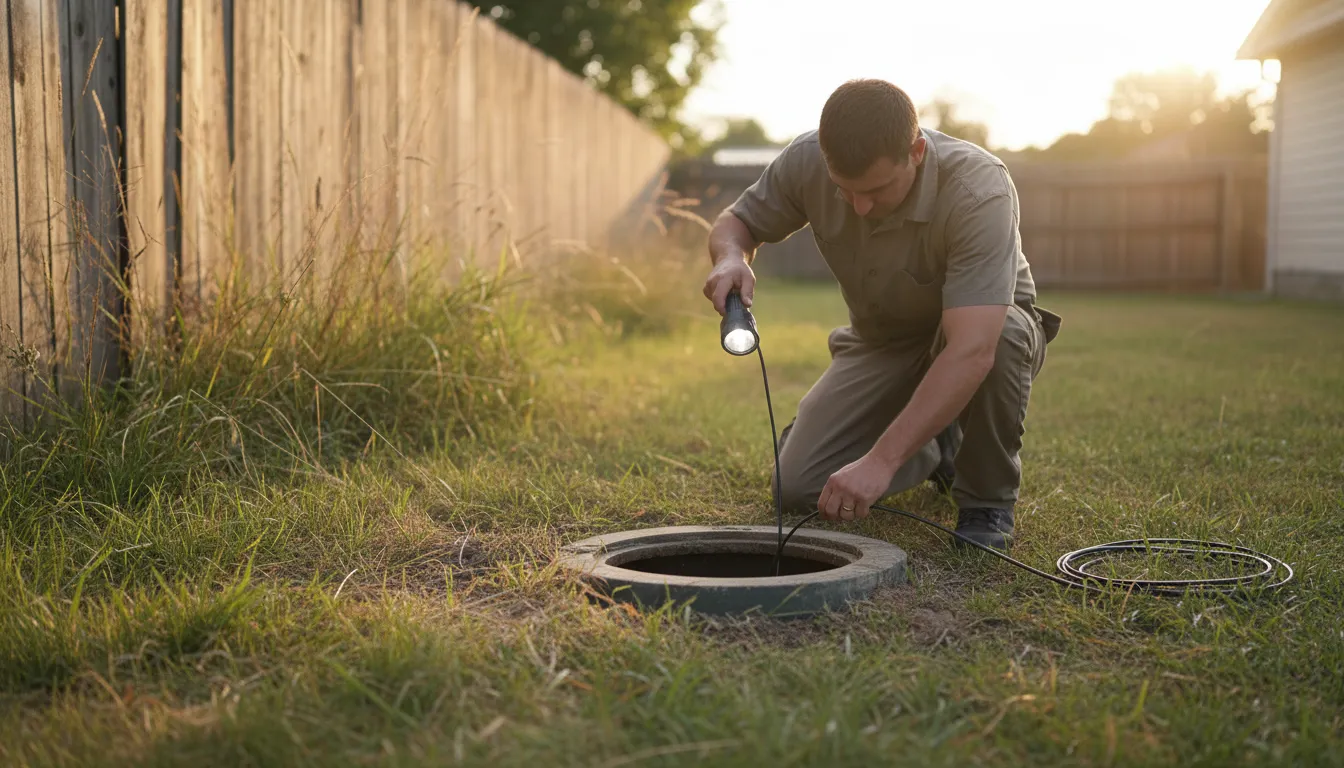
Doctor Rooter Plumbing is a septic tank inspection company based in Lexington, KY. They provide a range of plumbing services including septic tank location and inspection, faucet and water heater installation, main line clog clearing, and water line repairs. The company demonstrates capability in using camera technology to locate septic tanks and offers comprehensive plumbing solutions for residential needs.
Apex Solutions
3025 Stanford Rd, Danville, KY 40422
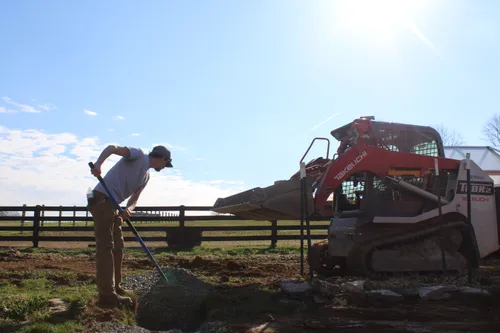
Apex Solutions is a multi-service contractor based in Lexington, KY, offering septic tank pumping, inspection, repair, and installation along with plumbing, electrical, HVAC, and pool installation services. Serving residential, commercial, and industrial clients across multiple counties, they provide comprehensive solutions including licensed septic system maintenance and repairs. Established in 2009, Apex Solutions brings over a decade of experience to the Bluegrass State and offers 24/7 emergency service for urgent needs.
Major Duke's Services
Lexington, KY
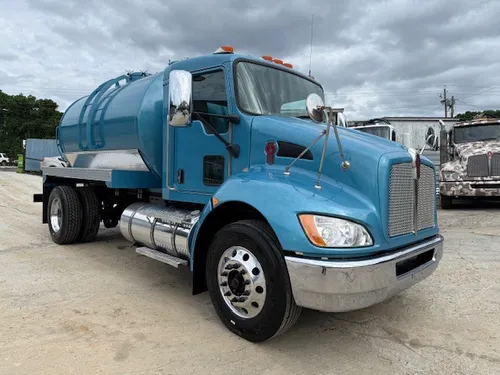
Major Duke's Services is a septic and grease system company based in Lexington, KY. They provide septic tank cleaning, grease trap cleaning, septic system inspections, repairs, installations, and drain field services for both residential and commercial clients. The company is licensed and insured, with certified pumping truck operations and expertise in hydro jetting to clear blockages efficiently. Serving Central Kentucky, they understand local soil conditions and common septic challenges, offering tailored solutions for newer and older properties. Their services include emergency repairs and routine maintenance to keep systems functional and compliant.
Setters Septic Tank Service and Portable Restrooms, LLC
5036 Old Maysville Rd, Mt Sterling, KY 40353
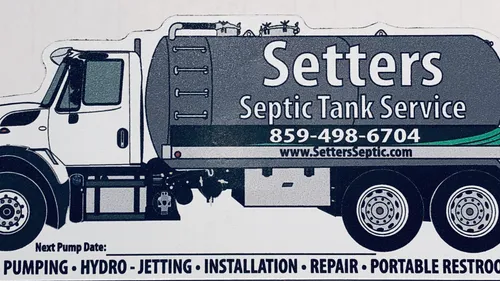
Setters Septic Tank Service and Portable Restrooms, LLC is a family-owned business based in Lexington, KY, offering comprehensive septic system services and portable restroom rentals. They provide septic tank installation, cleaning, repair, and inspection, using their own video camera equipment to locate blockages efficiently. Their capabilities include hydro-jet line cleaning and grease trap service, supporting both residential and commercial clients. The company also supplies septic system chemicals and offers deluxe portable restroom trailers for special events.
Understanding Septic Systems and Inspections in Fayette County
Unlike homes connected to municipal sewer lines, properties with septic systems treat wastewater on-site. The system typically consists of a buried tank where solids settle and begin to decompose, and a drainfield (or leach field) where the treated liquid effluent is dispersed into the soil. A septic system evaluation is the best way to ensure this entire process is working correctly. While the state of Kentucky does not mandate a septic inspection during a property transfer, the Lexington-Fayette County Health Department (LFCHD) strictly regulates system installation and requires permits for repairs. For homeowners, a voluntary inspection is a wise investment in preventative maintenance.
Why Get a Septic Inspection in Lexington?
Scheduling a professional septic tank check offers multiple benefits for Bluegrass homeowners.
- Preventative Maintenance: Catching small issues like minor cracks, clogged inlet/outlet baffles, or high sludge levels early can prevent a full system failure, which is disruptive and extremely expensive to fix.
- Property Transactions: Even though not required by law, a clean inspection report can be a powerful negotiating tool during a home sale or purchase, providing peace of mind to both buyer and seller 1.
- Environmental Protection: A failing system can contaminate groundwater, nearby streams, and even your yard with untreated sewage, posing health risks and violating environmental regulations.
- Compliance with Health Codes: The LFCHD can require an inspection if a system failure is reported, and they conduct mandatory inspections for all new, repaired, or altered systems.
The Professional Septic Inspection Process: What to Expect
A certified inspector follows a thorough, multi-step process to evaluate every component of your on-site sewage system 2.
1. Locating the System: The inspector will first locate and uncover the tank's access lids, the distribution box (if present), and map the general area of the drainfield. This may involve consulting property records or using probing tools.
2. Tank Inspection: This is the core of the septic tank assessment. The inspector will:
- Check the tank's structural integrity for cracks, leaks, or corrosion.
- Measure the levels of sludge (settled solids) and scum (floating fats/oils). If the sludge layer is too high, it indicates the need for pumping.
- Inspect the inlet and outlet baffles to ensure they are intact and functional, preventing solids from escaping into the drainfield.
3. Distribution Box & Drainfield Inspection: The inspector will examine the distribution box (D-box) to ensure effluent is flowing evenly to all sections of the drainfield. The drainfield area will be checked for signs of failure, such as soggy, spongy soil, foul odors, or surfacing sewage (ponding) 3.
4. Pump and Mechanical Components: If your system includes a pump, grinder, or aeration unit (common in modern alternative systems), the inspector will test these mechanical parts to ensure they are operating correctly.
5. Report & Recommendations: After the evaluation, you should receive a detailed written report outlining the system's condition, any deficiencies found, and recommended actions. This may include immediate repairs, routine pumping, or suggestions for improving system longevity.
Local Regulations and the Role of the Health Department
The LFCHD's Onsite Sewage Program is the local regulatory authority. Key points for Lexington homeowners include:
- Permits Are Required: Any new septic system installation or major repair requires a permit from the health department before work begins 4.
- Site Evaluations: For new construction, an environmentalist from the department performs a site evaluation to determine soil suitability and the proper type and size of the system 5 6. The department charges a fee for reviewing these site plans, typically in the range of $200-$300 7 8.
- Inspections for New Work: The LFCHD conducts inspections during the installation of new systems or major alterations to ensure they meet state construction standards, such as those outlined in 902 KAR 10:081.
- Response to Failures: If a system fails, the health department must be notified and may inspect the property within 48 hours 9. They will then issue orders to have the system repaired to comply with regulations.
Find the perfect septic tank inspection companies for your needs
Get personalized recommendations and expert advice
Septic System Maintenance: A Homeowner's Responsibility
Regular inspections are just one part of responsible system ownership. Proper maintenance extends the life of your system and is more cost-effective than dealing with a failure.
- Pump Regularly: Even with careful use, tanks need to be pumped to remove accumulated solids. The general recommendation is to have your tank pumped every 3 to 5 years, but the frequency depends on household size and usage. In Lexington, pumping costs typically range from $300 to $600, depending on tank size.
- Conserve Water: Spreading out laundry loads and fixing leaky faucets reduces the hydraulic load on your system, allowing the drainfield to properly treat effluent.
- Mind What You Flush: Only human waste and toilet paper should go down the drain. Avoid flushing chemicals, grease, diapers, wipes (even "flushable" ones), and coffee grounds, as they can clog or destroy the biological treatment process 10.
- Protect the Drainfield: Never drive or park vehicles on the drainfield, and avoid building structures like sheds or patios over it. Also, divert rainwater runoff from roofs and driveways away from the area to prevent saturation.
Costs Associated with Septic Services in Lexington
Understanding typical costs helps in budgeting for system care.
- Septic System Inspection: A comprehensive septic system inspection generally costs between $300 and $600 or more, depending on the system's complexity, size, and accessibility 11.
- Septic Tank Pumping: As noted, pumping service usually falls in the $300 to $600 range 12 13.
- Site Evaluation Fees: Paid to the health department for new system planning, these fees are separate from contractor costs.
It's important to get detailed quotes from local, licensed professionals, as prices can vary based on the specific services included.
Finding a Qualified Septic Inspector or Service Provider
When searching for a professional, look for a contractor licensed by the state of Kentucky to service septic systems (as per 902 KAR 10:170) 14. They should be familiar with Fayette County's specific regulations and health department procedures. A reputable provider will be able to explain their inspection process clearly, provide references, and supply a detailed report upon completion. They can also assist with pulling necessary permits from the LFCHD for any required repairs.
Frequently asked questions
Sources
Footnotes
-
KY Well & Septic Inspections 2026: Buyer's Complete Guide - https://askdoss.com/how-to-handle-well-and-septic-inspections-in-kentucky-what-buyers-must-know/ ↩
-
Septic System Inspection Checklist for the Home Buyer - https://www.kysepticservice.com/helpful-info/home-inspection-checklist-for-the-home-buyer-septic-system-tank-and-leach-field.html ↩
-
What Is a Septic Tank Inspection - https://martinseptic.com/what-does-a-septic-tank-inspection-involve/ ↩
-
Onsite Sewage Program (Septic, Septic Tank Pumper) - https://www.lfchd.org/onsite-sewage-septic-tank-program/ ↩
-
On-Site Sewage - WEDCO District Health Department - https://wedcohealth.org/environmental-health/on-site-sewage/ ↩
-
On-Site Sewage - Lincoln Trail District Health Department - https://ltdhd.org/on-site-sewage/ ↩
-
Septic Systems - Northern Kentucky Health Department - https://nkyhealth.org/septic/ ↩
-
Onsite Sewage (Septic Systems) - https://healthdepartment.org/community-health/onsite-sewage-septic-systems/ ↩
-
Sec. 16-37. - Septic tanks, cesspools, etc. - American Legal Publishing - https://codelibrary.amlegal.com/codes/lexingtonfayettecoky/latest/lexingtonfayettecoky_code/0-0-0-9578 ↩
-
A Kentucky Homeowner's Guide - https://bggreensource.org/wp-content/uploads/2021/11/1-KentuckyHomeownerGuide7-06_Updated-12.13.2019.pdf ↩
-
Buying a Home with Septic? Inspection in Kentucky & Ohio - https://kentuckyinspectionservices.com/services/septic-inspection/ ↩
-
What should you know about septic system inspections in closings? | Lange, Quill & Powers, PLC - https://www.lqplaw.com/blog/2025/07/what-should-you-know-about-septic-system-inspections-in-closings/ ↩
-
Frequent Questions on Septic Systems | US EPA - https://www.epa.gov/septic/frequent-questions-septic-systems ↩
-
Onsite Sewage Disposal Systems Program - Cabinet for Health and Family Services - https://www.chfs.ky.gov/agencies/dph/dphps/emb/Pages/environmentmgmt.aspx ↩