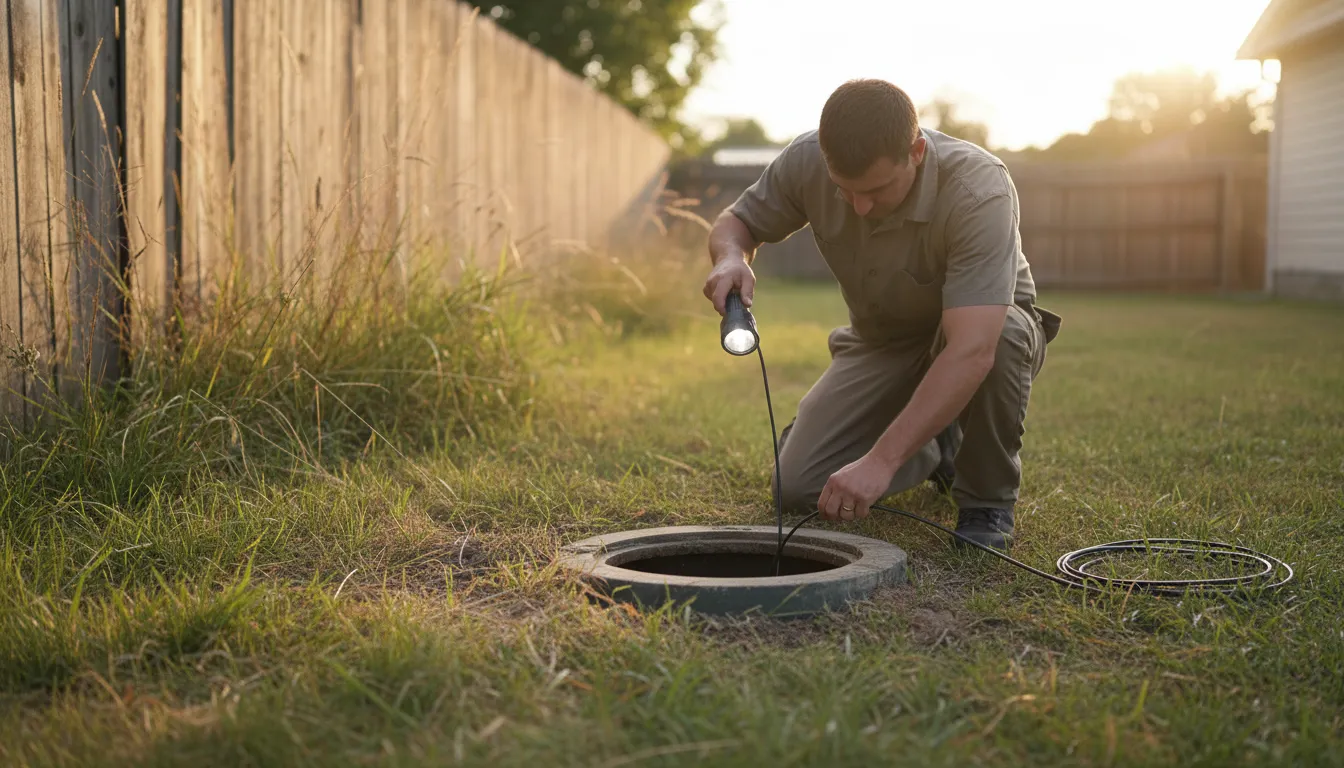
Find the Best Septic Tank Inspection Companies for Your Business
No obligation • Fast responses • Nationwide coverage

Why you can trust Septic Spot
Septic Spot is a leading United States resource for understanding and comparing septic services. Our editors review providers using consistent criteria and verify key business details. Listings and scores are independent, and companies cannot pay to influence our content.
Search providers near you
Top Septic Tank Inspection Companies in Bossier City, Louisiana Ranked
A septic system inspection is a critical evaluation of your onsite wastewater treatment system to ensure it is functioning safely and efficiently. For Bossier City homeowners, these evaluations are not just about peace of mind; they are a regulatory requirement to protect public health and the local environment. This guide explains what a septic inspection entails, why it's important for your property, and how you can connect with qualified local professionals to schedule your next system check.

Black Hawk Septic Service
405 Hamilton Rd, Bossier City, LA 71111
Black Hawk Septic Service provides septic tank pumping, inspections, and installation services in Shreveport, LA, and surrounding areas including Benton and Bossier City. With over 15 years of experience, they handle septic system inspections, real estate inspections, pump-outs, and aerobic septic system installations. The company offers emergency septic services and can manage a wide range of septic system needs.
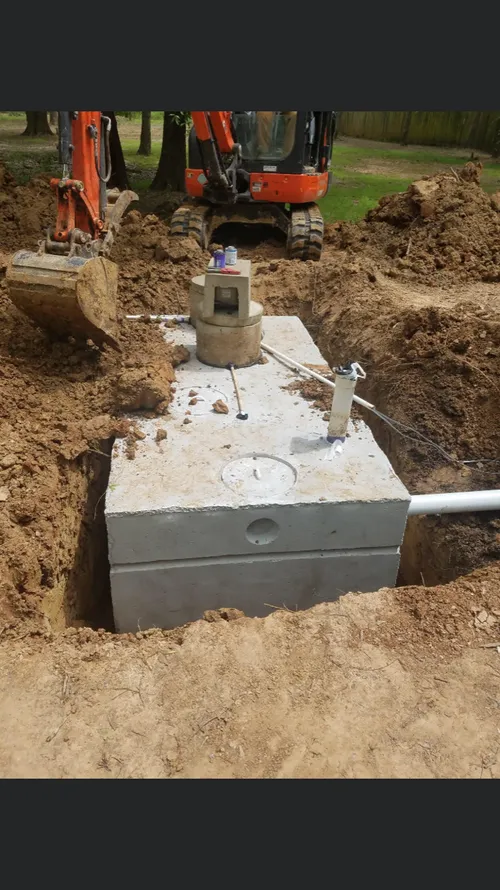
Nattin Septic Service
Shreveport, LA
Nattin Septic Service provides a range of septic system services in Shreveport, LA, and surrounding areas including Bossier City, Benton, Bossier Parish, and Caddo Parish. They handle septic tank pumping, inspections, repairs, and installations, ensuring septic systems operate properly and helping prevent sewage problems. Their capabilities include septic pump repair and replacement, as well as addressing sprinkler, pump, line, or wiring issues related to septic systems. The company offers free estimates for septic system installations and serves both homeowners and property owners in the region.
A&E Contractor and Waste Management
Shreveport, LA
A&E Contractor and Waste Management provides septic system installation, repair, inspection, and pumping services in Shreveport, LA. The company handles everything from new septic tank installations to repairs and regular maintenance, using a full range of equipment to complete jobs efficiently. They inspect existing systems and offer estimates before starting work, ensuring customers can review the results upon completion. A&E Contractor and Waste Management has served the Shreveport area since its founding, focusing on septic solutions for residential properties.
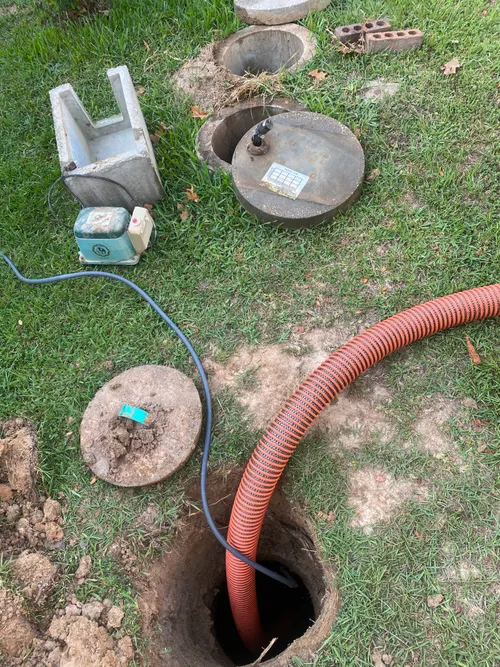
Blue Heron Septic
1090 Kay Ln, Shreveport, LA 71115
Blue Heron Septic is a septic service provider based in Shreveport, LA, serving residential and commercial clients in the Northwest Louisiana area including Caddo, Bossier, and DeSoto Parishes. They offer a full range of septic services such as installations, repairs, inspections, pumping, and cleaning. Their certified professionals use modern tools and technology to deliver reliable septic system solutions. Every tank cleaning includes a complimentary system inspection to help maintain system health and prevent issues.
Why Septic System Inspections Are Required in Bossier Parish
In Louisiana, septic system maintenance is regulated by the Louisiana Department of Health (LDH) to prevent groundwater contamination and public health hazards. For residents of Bossier City and the surrounding parish, this means adhering to a mandated schedule. State regulations require that conventional septic tanks be inspected by a licensed professional at least every six years 1. Furthermore, these systems must be pumped at least every eight years, though many require servicing more frequently.
The local environment in Northwest Louisiana, with its soil composition and water table, makes proper system function especially important. A failing system can lead to sewage backing up into your home or surfacing in your yard, creating unsanitary conditions and potential fines. Regular septic tank evaluations are your first line of defense, ensuring your system complies with state law and operates without issue.
What a Professional Septic Inspection Involves
A comprehensive septic system assessment is a multi-step process conducted by a licensed installer or inspector. While costs can vary based on system size and complexity, a standard inspection in the Bossier City area typically ranges from $200 to $600 2. Here's what you can expect during the procedure:
Locating and Accessing the System The inspector will first locate your septic tank and drainfield, often using probe rods or electronic locating equipment. They will then carefully excavate and open the manhole and inspection ports to gain access to the tank's interior.
Evaluating Tank Conditions and Sludge Levels This is the core of the inspection. The professional will measure the depth of the sludge layer at the bottom of the tank and the scum layer floating on top. A key rule of thumb is that the sludge should not fill more than one-third of the tank's liquid volume. Excessive accumulation is the primary indicator that pumping is needed.
Checking Critical Components The inspector will examine the inlet and outlet baffles (or tees) to ensure they are intact and not blocked. Damaged baffles can allow solids to escape into the drainfield, causing premature failure. The outlet pipe and the tank itself will also be checked for cracks, leaks, or structural issues.
Assessing the Drainfield No inspection is complete without evaluating the drainfield (or leach field). The inspector will look for signs of failure, such as overly soggy soil, foul odors, or the surfacing of sewage effluent. Healthy, percolating soil is essential for the final treatment of wastewater 3 4.
Find the perfect septic tank inspection companies for your needs
Get personalized recommendations and expert advice
Special Considerations for Advanced and Abandoned Systems
Not all septic systems in Bossier City are conventional gravity-fed tanks. Many newer homes or those with challenging soil conditions utilize Alternative Treatment Units (ATUs), which are mechanical systems.
Inspections for Alternative Treatment Units (ATUs) ATUs, which include aerobic treatment units, have more complex components like aerators, pumps, and electrical controls. Consequently, Louisiana regulations require more frequent maintenance, often involving a professional check every six months by a certified maintenance provider 5. An inspection for an ATU will include all the standard tank checks plus a thorough review of these mechanical and electrical components to ensure they are operating correctly 6.
Dealing with Abandoned Septic Tanks If you are connecting to a municipal sewer line or replacing an old system, proper abandonment of the existing septic tank is legally required. A licensed hauler must first pump out all waste from the old tank. Afterward, the tank must either be physically removed from the ground or, more commonly, crushed and filled with soil or another inert material 7. This crucial step prevents dangerous cave-ins and soil contamination.
Understanding Pumping Frequency and Costs
While inspections identify problems, pumping is the essential maintenance that solves the most common one: sludge overload. The state's eight-year pumping minimum is a baseline; most households find their tanks need pumping every 3 to 5 years depending on usage and tank size 8.
What Influences Septic Pumping Cost? For a standard 1,000 to 1,500-gallon tank common in Bossier City, homeowners can expect pumping costs to generally range from $300 to $600 or more 9 10. The final price depends on:
- Tank Size and Accessibility: Larger tanks cost more to pump. Difficult access can increase labor time.
- Pumping Frequency: A regularly pumped tank is quicker and easier to service than one that is severely overdue.
- Local Hauler Rates: Disposal fees at treatment facilities can affect the overall price.
Skipping regular pumping is a false economy. Letting sludge accumulate too high can lead to drainfield failure, which often costs tens of thousands of dollars to replace-far more than the periodic cost of pumping.
How to Prepare for a Septic Inspection
A little preparation can help your inspection go smoothly and may even influence the outcome.
- Know Your System: Have any available records, such as the "as-built" diagram of your system's location, ready for the inspector.
- Ensure Access: Clear the area around your septic tank lid and drainfield. Trim any grass and remove yard debris, vehicles, or storage sheds that might block access.
- Conserve Water: Avoid running dishwashers, washing machines, or taking long showers immediately before the inspection. A full tank of water makes it harder to measure sludge levels accurately.
- Be Present: Consider being home to ask questions and walk the property with the inspector. They can point out potential issues and offer valuable maintenance tips.
Frequently asked questions
Sources
Footnotes
-
Louisiana Administrative Code - https://ldh.la.gov/assets/oph/Center-EH/sanitarian/onsitewastewater/8145.pdf ↩
-
Understanding Septic Tank Inspections: A Complete Homeowner's ... - https://septic-masters.com/septic-tank-inspection-homeowner-guide/ ↩
-
How to Get Septic to Pass Inspection - https://www.guardianangelinspections.com/how-to-get-septic-to-pass-inspection ↩
-
Inspection of Septic Systems | Oklahoma State University - https://extension.okstate.edu/fact-sheets/inspection-of-septic-systems.html ↩
-
Information Packet for Applicants - https://ldh.la.gov/assets/oph/Center-EH/sanitarian/onsitewastewater/PlanReMechTreat.pdf ↩
-
La. Admin. Code tit. 51, § XIII-715 - Septic Tanks [formerly Section I ... - https://www.law.cornell.edu/regulations/louisiana/La-Admin-Code-tit-51-SS-XIII-715 ↩
-
Onsite Sewage Treatment System Maintenance, Health and ... - https://www.deq.louisiana.gov/assets/docs/Enviroschool/EnviroschoolOnsiteSewage-web.pdf ↩
-
Sanitation - Louisiana Sea Grant - http://www.laseagrant.org/wp-content/uploads/2014/03/Sanitation1.pdf ↩
-
Frequent Questions on Septic Systems | US EPA - https://www.epa.gov/septic/frequent-questions-septic-systems ↩
-
How Much Does a Septic Inspection Cost? [2026 Data] | Angi - https://www.angi.com/articles/septic-inspection-cost.htm ↩