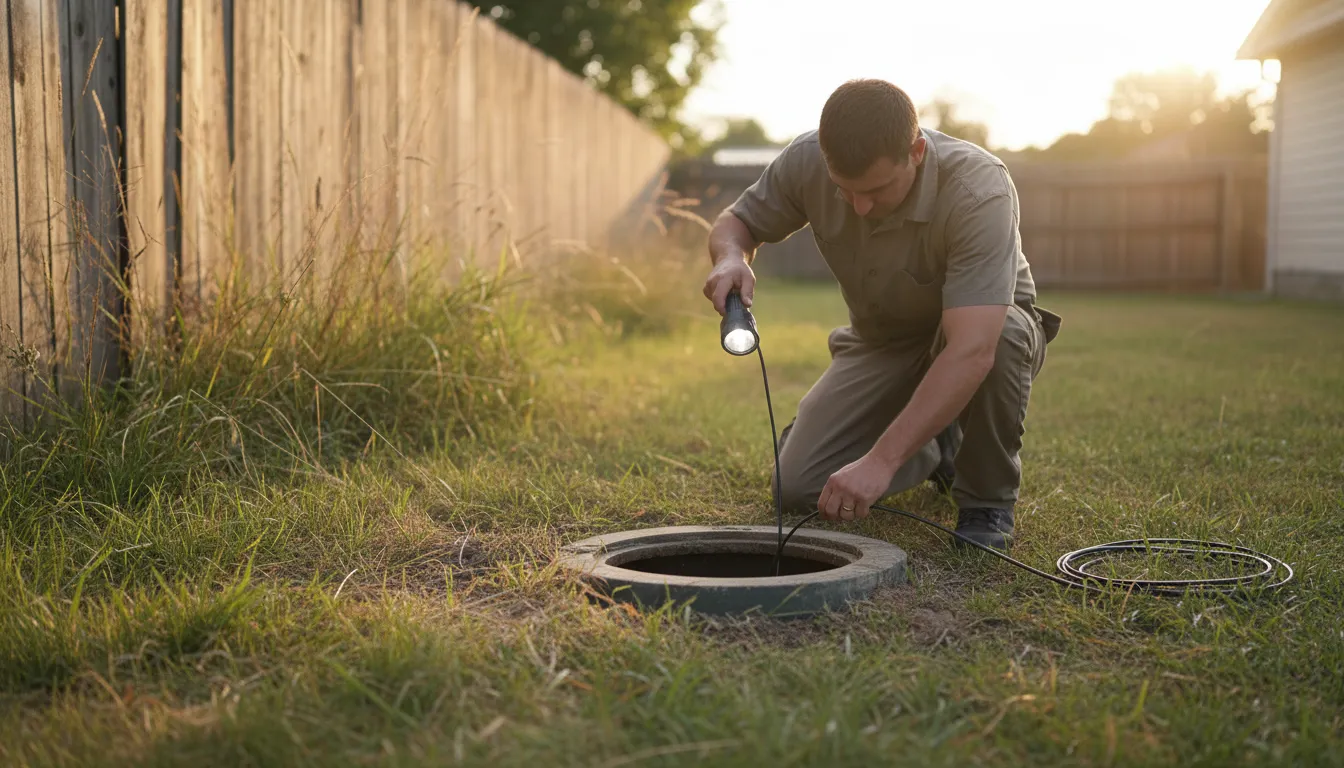
Find the Best Septic Tank Inspection Companies for Your Business
No obligation • Fast responses • Nationwide coverage

Why you can trust Septic Spot
Septic Spot is a leading United States resource for understanding and comparing septic services. Our editors review providers using consistent criteria and verify key business details. Listings and scores are independent, and companies cannot pay to influence our content.
Search providers near you
Top Septic Tank Inspection Companies in New Orleans, Louisiana Ranked
A septic tank inspection is a critical evaluation of your onsite wastewater system to ensure it's functioning safely and legally. In a city like New Orleans, with its unique high water table and soil conditions, regular system assessments are vital for protecting your property, your family's health, and the local environment. This guide will help you understand the process, state requirements, and what to look for when finding a qualified local professional to evaluate your septic system.
Why Septic System Inspections Are Essential in New Orleans
Living in the Greater New Orleans area presents specific challenges for septic systems. The region's flat topography, frequent heavy rainfall, and high groundwater levels can stress even a well-designed system. A failing system is more than an inconvenience; it can lead to sewage backups into your home, contamination of groundwater, and the creation of unhealthy conditions in your yard. Regular inspections are your first line of defense, helping to identify minor issues like a clogged effluent filter or rising sludge levels before they escalate into costly repairs or a public health nuisance. State law mandates these checks to prevent environmental contamination, making a professional evaluation both a smart maintenance practice and a legal responsibility for homeowners 1.
Understanding Louisiana's Septic Inspection Regulations
The Louisiana Department of Health (LDH) sets the rules for all onsite wastewater systems in the state through its Sanitary Code. For homeowners, the most important regulations to know are the required inspection and pumping frequencies. LDH mandates that all septic systems be inspected by a licensed professional at least every six years and pumped at least every eight years. These are minimum requirements; some systems, especially older ones or those under heavy use, may need more frequent attention. Furthermore, any new installation or major alteration to an existing system requires a permit from the LDH, and the department must be notified 24 hours in advance of the installation for an inspection by a local Sanitarian 2 3. Non-compliance, such as discharging sewage onto the ground, is strictly prohibited and can result in significant penalties.
The Role of Homeowners in System Maintenance
While inspections and pumping must be performed by licensed contractors, homeowners have ongoing responsibilities. Louisiana actively discourages the use of septic tank additives, as they can sometimes do more harm than good by disturbing the natural bacterial balance or sending solids into the drainfield 4. For certain advanced treatment systems, homeowners may even be required to obtain certification to perform basic maintenance. Keeping records of all inspections, pumpings, and repairs is also crucial, as this history is a key part of any professional system assessment.
What Does a Professional Septic Inspection Involve?
A thorough septic system evaluation is a multi-step process that goes beyond just looking at the tank. A qualified inspector will perform a comprehensive review to give you a complete picture of your system's health.
Record Review and Site Evaluation: The process often begins with a review of any available permits, design records, and your maintenance history. The inspector will also assess the overall site conditions around your tank and drainfield.
Tank Access and Visual Inspection: The inspector will locate and open the tank's access ports. This allows for a visual check of the tank's structural integrity, looking for cracks, corrosion, or signs of deterioration. The liquid level inside the tank is also checked at this stage.
Sludge and Scum Measurement: This is a core part of the inspection. Using specialized tools, the inspector measures the depth of the sludge layer at the bottom of the tank and the scum layer floating on top. A general rule is that the system may need pumping if the sludge covers more than one-third of the liquid depth or if the scum layer is too thick.
Component Check: The inspector will examine all mechanical and filtering components. This includes evaluating the condition of the effluent filter (which prevents solids from leaving the tank), checking any pumps for proper operation, inspecting electrical connections, and assessing the distribution box that sends liquid to the drainfield.
Drainfield Assessment: Finally, the inspector will evaluate the absorption field, or drainfield. They look for telltale signs of failure, such as standing water, soggy soil, or unusually lush vegetation over the field lines, which can indicate that untreated wastewater is coming to the surface 5 6.
Find the perfect septic tank inspection companies for your needs
Get personalized recommendations and expert advice
Typical Costs for Inspection and Related Services in New Orleans
Understanding the potential costs can help you budget for this essential home maintenance. Prices can vary based on your tank's size, accessibility, and the comprehensiveness of the inspection.
- Routine Inspection: A standard inspection to check sludge/scum levels and basic components typically ranges between $100 and $250 7.
- Comprehensive Inspection: A more in-depth evaluation, which might include a full drainfield assessment, camera scoping of lines, or detailed reporting for a real estate transaction, can range from $300 to $600 depending on the system's complexity 8.
- Pumping Service: If the inspection reveals your tank needs pumping, that service is typically separate. Pumping a standard 1,000-2,000 gallon tank in the New Orleans area usually costs between $200 and $500, depending on tank size and location 9.
- Combined Service Cost: It's common to bundle an inspection with a pumping. A thorough maintenance visit that includes both a comprehensive inspection and a pump-out can cost up to $1,000 in some scenarios, providing significant value by addressing all critical needs at once 10.
Choosing a Qualified Septic Inspector in New Orleans
Not all contractors are equal. When your home's wastewater system and compliance with state law are on the line, it's important to choose a reputable professional. Always verify that the contractor is licensed by the Louisiana Department of Health to perform onsite wastewater work 11. Look for companies with strong local reputations, proper insurance, and those who are willing to explain the inspection process clearly. Ask for a detailed scope of work that outlines exactly what their inspection includes-does it cover the drainfield? Will they provide a written report? Getting answers to these questions upfront ensures you receive a valuable service that meets both your needs and regulatory requirements.
Signs You May Need an Inspection Sooner Than Scheduled
Don't wait for your six-year mark if you notice warning signs. Contact a professional for an inspection if you experience:
- Slow drains or gurgling sounds from plumbing fixtures throughout the house.
- Sewage backups in your home or water pooling in your yard, especially over the drainfield area.
- Unpleasant odors around the septic tank or drainfield.
- Unusually bright green, lush grass over the drainfield, particularly during dry weather.
- You are planning to sell your home; a pre-listing inspection is highly advisable.
Proactive care through regular professional inspections is the most effective way to extend the life of your septic system, avoid emergency repairs, and ensure your New Orleans home remains safe and compliant.
Frequently asked questions
Sources
Footnotes
-
Louisiana Administrative Code - https://ldh.la.gov/assets/oph/Center-EH/sanitarian/onsitewastewater/8145.pdf ↩
-
Information Packet for Applicants - (For Septic Tanks with Secondary ... - https://ldh.la.gov/assets/oph/Center-EH/sanitarian/onsitewastewater/ApplicationPacketforSepticTankswithSecondaryTreatment.pdf ↩
-
Wastewater Installers: Definitions and Permit Specifications - https://www.lsuagcenter.com/articles/page1763050885007 ↩
-
Onsite Sewage Treatment System Maintenance, Health and ... - https://www.deq.louisiana.gov/assets/docs/Enviroschool/EnviroschoolOnsiteSewage-web.pdf ↩
-
Frequent Questions on Septic Systems | US EPA - https://www.epa.gov/septic/frequent-questions-septic-systems ↩
-
How to Get Septic to Pass Inspection - https://www.guardianangelinspections.com/how-to-get-septic-to-pass-inspection ↩
-
Septic Tank Inspection Cost: What to Expect & What's Involved - https://atlantaseptictankpros.com/septic-tank-inspection-cost-what-to-expect-whats-involved/ ↩
-
Exploring the Costs of Septic Tank Inspections: What to Expect - https://www.theflushfellas.com/exploring-the-costs-of-septic-tank-inspections-what-to-expect ↩
-
Residential Septic Tank Pricing | Homeowner's Guide to Costs - https://www.ntotank.com/blog/residential-septic-tank-pricing ↩
-
Septic System Cost Estimate: A Complete Breakdown - Land Perc - https://landperc.com/septic-system-cost-estimate/ ↩
-
Louisiana Septic License & Certification | 2025 Contractor Guide - https://www.servicetitan.com/licensing/septic/louisiana ↩