Find the Best Septic Tank Inspection Companies for Your Business
No obligation • Fast responses • Nationwide coverage

Why you can trust Septic Spot
Septic Spot is a leading United States resource for understanding and comparing septic services. Our editors review providers using consistent criteria and verify key business details. Listings and scores are independent, and companies cannot pay to influence our content.
Search providers near you
Top Septic Tank Inspection Companies in Boston, Massachusetts Ranked
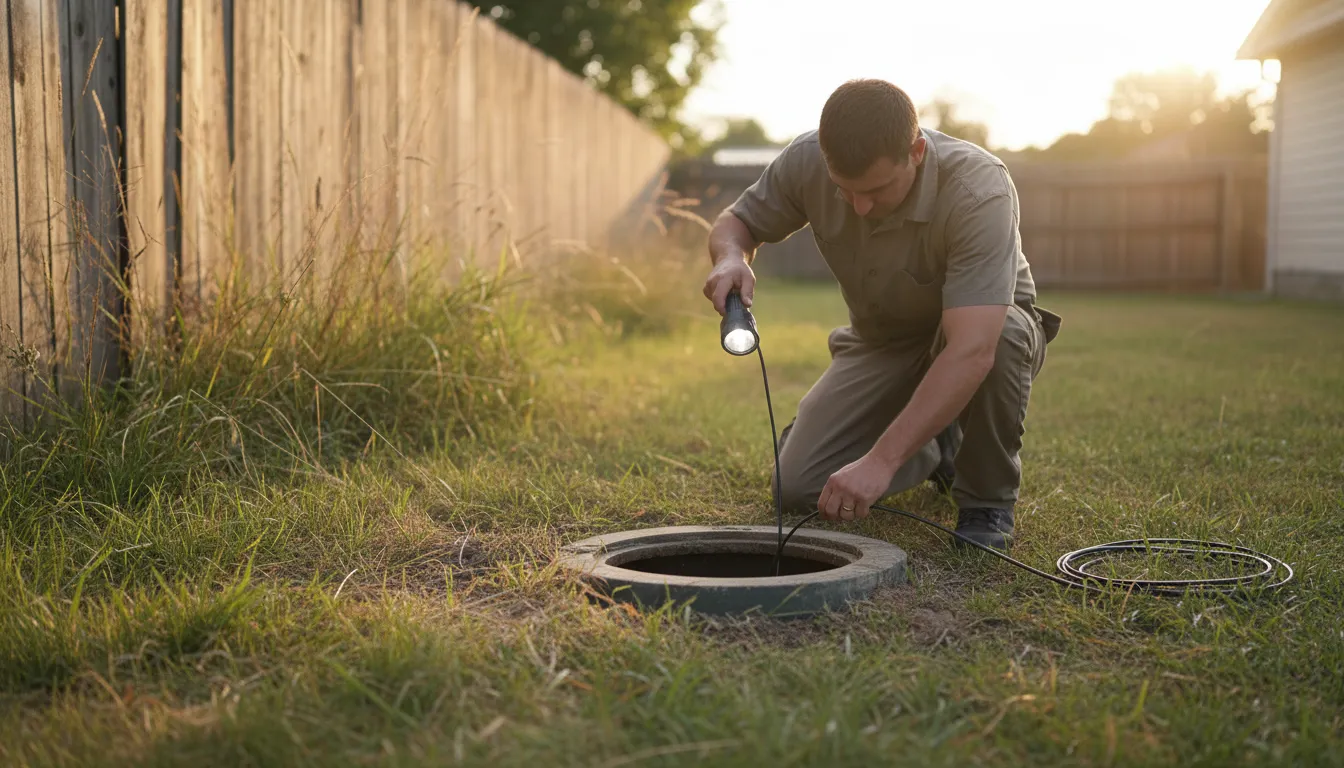
A septic tank inspection is a critical evaluation of your private wastewater system, ensuring it functions safely and complies with state health codes. In Boston, these assessments are governed by strict Massachusetts Title 5 regulations, making them essential for protecting property value, public health, and the local environment. This guide will help you understand when an inspection is required, what the process entails, and how to connect with certified local professionals to ensure your system is in full compliance.
Rooterman
67 Andover Rd, Billerica, MA 01821
Rooterman is a septic tank pumping, inspection, repair, and installation company serving Boston, MA. With over 50 years of experience since 1970, they provide residential and commercial septic services including certified Title V inspections and sewer and drain maintenance. Their team is licensed and insured, offering same-day service for most non-emergency issues and supporting property owners in maintaining safe and compliant septic systems.
Rosano Davis Sanitary Pumping Inc
9 Rocky Ln, Cohasset, MA 02025
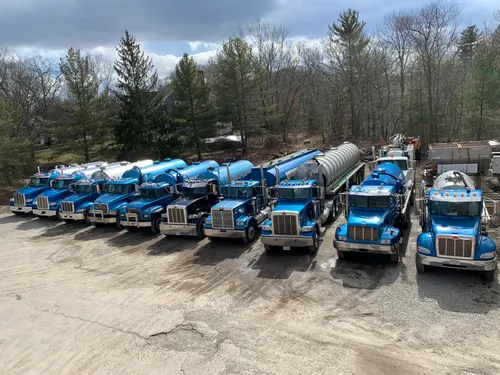
Rosano Davis Sanitary Pumping Inc is a family-owned septic system company serving Boston, MA. They provide a full range of services including septic system pumping, inspection, repair, and new system installation. Their capabilities include electronic locating of septic tanks and covers to minimize property disruption, as well as color video pipe inspection and high-pressure washing of leaching lines. The company manages all aspects of septic system installation, from excavation to landscaping, using their own equipment to ensure a complete service.

Title 5 Specialists
22 Taft St, Dorchester, MA 02125
Title 5 Specialists is a septic tank inspection company based in Boston, MA, providing Title V inspections throughout Eastern Massachusetts. They focus on delivering honest septic system inspections without conflicts of interest, as they do not design, repair, or install systems. Their inspectors aim to complete inspections quickly and cleanly while minimizing disruption to lawns and landscaping.
Northboro / Curtis Septic Service
124 Main St, Northborough, MA 01532
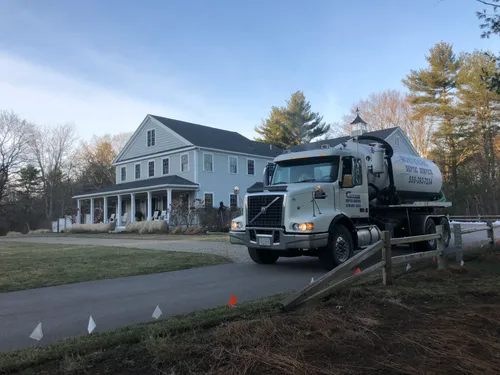
Northboro / Curtis Septic Service is a septic contractor based in Worcester, MA, offering a range of services including septic system installation, repair, pumping, cleaning, and maintenance for both residential and commercial clients. They also provide septic to town sewer conversions and Title 5 inspections across Worcester County and several surrounding counties. The company maintains strong relationships with local Boards of Health to ensure compliance and quality service.

Lakeside Sewerage Services Inc
780 N Bigelow St, Marlborough, MA 01752
Lakeside Sewerage Services Inc is a family and woman-owned business providing septic tank pumping and inspection services in Worcester, MA. Serving MetroWest and Central Massachusetts, they offer residential and commercial septic system maintenance, including licensed Title 5 inspections. Established in 1958, Lakeside Sewerage Services has over 60 years of experience in septic system cleaning and maintenance. They also provide emergency services to address urgent septic needs promptly.
Understanding Title 5: Boston's Septic Inspection Mandate
In Massachusetts, a septic system evaluation is not merely a recommendation-it's a legal requirement under the state's Title 5 code. This comprehensive set of rules sets the standard for inspecting and maintaining on-site sewage disposal systems. For Boston homeowners, understanding Title 5 is the first step in responsible property ownership. The law is designed to prevent groundwater contamination and public health hazards by ensuring every system is functioning correctly.
The mandate is enforced by local Boards of Health, which require official documentation proving your system has passed inspection within a specific timeframe. This isn't a generic check-up; it's a detailed, state-certified process that results in a lengthy official report. Whether you're planning to sell your home or simply maintaining it, knowing the triggers for a mandatory inspection will help you avoid legal and financial complications down the line.
When Is a Septic System Inspection Required in Boston?
Knowing the specific circumstances that trigger a mandatory inspection can save you from unexpected hurdles, especially during time-sensitive transactions. The primary reasons are legally defined and non-negotiable.
- Property Transfer (Sale): This is the most common trigger. A passing Title 5 inspection report is required when selling a property with a septic system. The inspection must have been completed within two years prior to the sale. In some cases, a sale can proceed with a conditional agreement if an inspection is scheduled to occur within six months after the transfer.
- System Expansion or Change in Use: If you apply for a permit to significantly increase the flow to the system-such as by adding a bedroom to your home-you will need a new inspection. Changing the property's use, like converting a single-family home into a multi-unit dwelling, also triggers the requirement.
- Suspected Failure: If your system shows signs of malfunction, like sewage backups, foul odors indoors, or soggy, bright green grass over the drainfield, the local Board of Health can order an inspection. If the system fails, repair or replacement is mandated, typically within two years, or immediately if it poses a direct public health threat.
- Regular Maintenance for Condominiums: For larger shared systems, such as those serving condominium complexes with five or more units, Title 5 requires an inspection every three years, regardless of property sales 1.
Validity of a Passed Inspection Report
Once your system passes, the official report isn't valid indefinitely. A standard passed inspection is valid for two years from the date it was conducted. However, there is an important extension: if you can provide documentation proving the septic tank has been pumped annually by a licensed professional, the validity of the inspection report extends to three years 2. This incentivizes and rewards consistent, documented maintenance.
The Step-by-Step Title 5 Inspection Process
A certified Title 5 inspection is a thorough, multi-stage investigation. It's far more involved than simply looking at the tank. Here's what you can expect when a professional conducts a system assessment.
- Record Review & Site Evaluation: The inspector begins by reviewing any available permits, as-built plans, and maintenance records for your system. A visual walkover of the property is conducted to identify any surface evidence of failure, such as odors, wet spots, or unusually lush vegetation over the leaching area.
- Locating & Uncovering System Components: The inspector must locate all critical components-the septic tank, distribution box, and soil absorption system (leach field). These are then uncovered to allow for a physical examination. This step can be labor-intensive if the system is deep or its location is unknown.
- Tank Inspection: The septic tank is opened. The inspector checks the tank's structural integrity, examines the inlet and outlet baffles (which are crucial for preventing solids from leaving the tank), and measures the levels of scum and sludge. Excessive sludge buildup is a common reason for failure 3.
- Distribution Box & Leaching Area Check: The distribution box (D-box) is inspected to ensure it is level and distributing wastewater evenly to all sections of the leach field. The soil absorption system is evaluated for signs of hydraulic failure, such as ponding or soil clogging.
- Official Reporting: Following the assessment, the inspector completes a detailed 17-page State Title 5 Inspection Report. This document includes findings, a determination of pass or fail, and any required conditions. Copies are submitted to the local Board of Health and provided to the property owner 4 5.
Find the perfect septic tank inspection companies for your needs
Get personalized recommendations and expert advice
What Does a Septic Inspection Cost in Boston?
The cost of a Title 5 inspection in Boston is influenced by the complexity of the work required. On average, you can expect the inspection fee itself to range from $400 to $800. It's crucial to understand that this fee typically covers only the inspection service.
A necessary and almost universal additional cost is pumping the septic tank. To accurately measure sludge and scum levels and inspect the tank's interior, it must be empty. Pumping services usually add $200 to $300 to the total cost 6 7. Therefore, a realistic total budget for a full Title 5 inspection with pumping often falls between $600 and $1,100.
Several factors can cause the price to vary:
- System Accessibility: If the tank lid is buried deep, the leach field is overgrown, or the distribution box is difficult to locate, additional labor will increase the cost.
- System Size and Complexity: Larger systems or those with alternative technology may require more time to inspect thoroughly.
- Pumping Frequency: If the tank hasn't been pumped in many years and is overly full, it may require additional effort.
Finding a Certified Septic Inspector in Boston
For a Title 5 inspection to be legally valid, it must be performed by a Massachusetts State-Certified Inspector. Not all septic service companies employ certified inspectors, so verification is key. You can often find a list of approved inspectors through your local Boston Board of Health or by checking resources provided by the state 8 9.
When contacting providers, ask directly if they have a state-certified Title 5 inspector on staff. A reputable professional will be able to provide their certification number and walk you through the entire process, including coordinating the necessary pumping service. Choosing a certified expert ensures the inspection is done correctly and your report will be accepted by local authorities.
The Consequences of a Failed Inspection
A failing inspection result is a serious matter, but it provides a clear roadmap for remediation. The inspection report will detail the specific reasons for the failure, which commonly include a compromised tank structure, failed baffles, excessive sludge, or a malfunctioning leach field.
Upon failure, the property owner is responsible for having the system repaired or replaced according to state and local codes. You typically have up to two years to complete this work, though immediate action is required if the failure constitutes a direct public health threat. The local Board of Health must approve all repair plans and will conduct a final inspection once work is complete to issue a new passing report 10 11.
Maintaining Your System Between Inspections
Proactive maintenance is the best way to ensure your system passes inspection when the time comes and extends its lifespan. Key maintenance tasks include:
- Regular Pumping: Have the tank pumped every 3-5 years by a licensed hauler, and keep the receipt for your records. Annual pumping, as noted, can extend your inspection validity.
- Water Conservation: Reducing overall water flow into the system prevents overload and helps the soil treatment area function properly.
- Mindful Flushing: Only human waste and toilet paper should go down the drain. Avoid chemicals, grease, wipes (even "flushable" ones), and other solids that can clog the system.
- Protect the Drainfield: Never park vehicles or build structures over the leach field, and divert rainwater runoff away from it.
Frequently asked questions
Sources
Footnotes
-
Buying or Selling Property with a Septic System - Mass.gov - https://www.mass.gov/guides/buying-or-selling-property-with-a-septic-system ↩
-
What is a Title 5 Septic Inspection? When Do You Need One? - https://www.upnest.com/post/title-5-inspection/ ↩
-
Septic Inspection Massachusetts - https://sherwoodinspection.com/septic-inspection-massachusetts/ ↩
-
Guidance for the Inspection of On-site Sewage Disposal ... - https://www.mass.gov/guides/guidance-for-the-inspection-of-on-site-sewage-disposal-systems ↩
-
Title V Septic Inspections in Massachusetts - https://www.panzarealestate.com/blog/2025/2/10/title-v-septic-inspections-in-massachusetts-what-home-sellers-need-to-know ↩
-
Title 5 Septic inspection costs - https://title5specialists.com/title-5-septic-inspection-costs/ ↩
-
What is a Title 5 Septic Inspection? When Do You Need One? - https://sell.realtor.com/resources/title-5-inspection/ ↩
-
Consumer Protection Tips: Septic System Inspections and Repairs - https://www.mass.gov/guides/consumer-protection-tips-septic-system-inspections-and-repairs ↩
-
FAQ on Title 5 - Septic Preservation Services - https://septicpreservation.com/1106-2/ ↩
-
Title 5 septic system regulations - State Library of Massachusetts - https://archives.lib.state.ma.us/server/api/core/bitstreams/1a084553-08d1-43c2-a060-9daa614dbace/content ↩
-
The Complete Guide to Massachusetts Title 5 Inspection - https://allclearseptic.com/the-complete-guide-to-massachusetts-title-5-inspection/ ↩