Find the Best Septic Tank Inspection Companies for Your Business
No obligation • Fast responses • Nationwide coverage

Why you can trust Septic Spot
Septic Spot is a leading United States resource for understanding and comparing septic services. Our editors review providers using consistent criteria and verify key business details. Listings and scores are independent, and companies cannot pay to influence our content.
Search providers near you
Top Septic Tank Inspection Companies in Lowell, Massachusetts Ranked
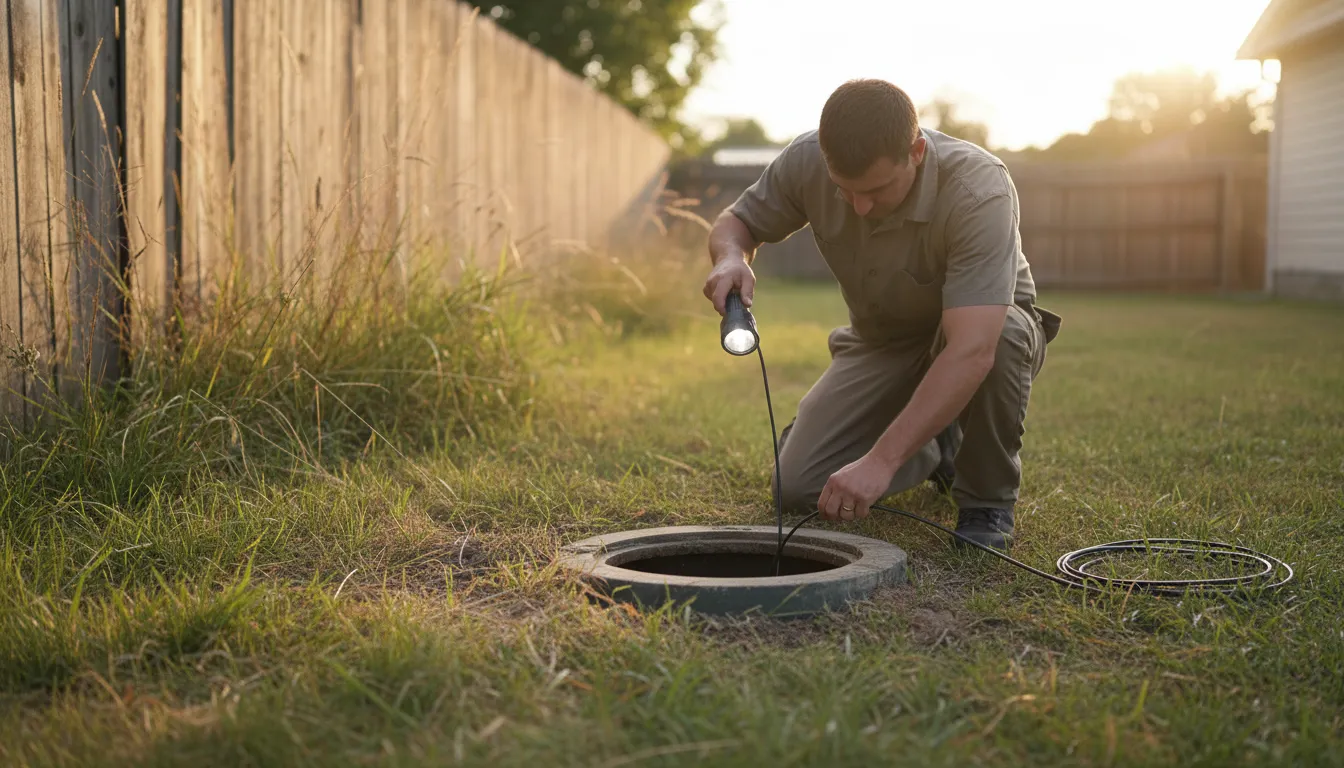
A septic system inspection is a critical evaluation of your property's on-site wastewater treatment system, ensuring it functions safely and complies with state law. In Lowell, these assessments are governed by Massachusetts' strict Title 5 regulations, making them a non-negotiable part of real estate transactions and major property changes. Understanding the process, costs, and local requirements helps homeowners and buyers navigate this essential step with confidence, protecting their investment and public health.
Rooterman
67 Andover Rd, Billerica, MA 01821
Rooterman is a septic tank pumping, inspection, repair, and installation company serving Boston, MA. With over 50 years of experience since 1970, they provide residential and commercial septic services including certified Title V inspections and sewer and drain maintenance. Their team is licensed and insured, offering same-day service for most non-emergency issues and supporting property owners in maintaining safe and compliant septic systems.
Kent Septic LLC
4 Crane Way # B, Hooksett, NH 03106
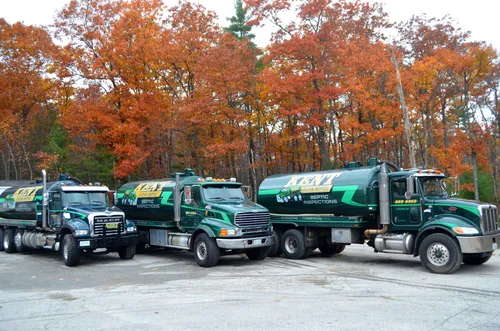
Kent Septic LLC is a septic tank pumping and inspection company serving Manchester, NH. They provide pump station installation and repair for private residences, housing complexes, and municipalities. Their services include septic inspections to help homeowners understand system conditions and maintenance tips. Kent Septic also offers jetting services to clean lines up to 300 feet and provides pumping services for homeowners and condo associations.

Title 5 Specialists
22 Taft St, Dorchester, MA 02125
Title 5 Specialists is a septic tank inspection company based in Boston, MA, providing Title V inspections throughout Eastern Massachusetts. They focus on delivering honest septic system inspections without conflicts of interest, as they do not design, repair, or install systems. Their inspectors aim to complete inspections quickly and cleanly while minimizing disruption to lawns and landscaping.
Northboro / Curtis Septic Service
124 Main St, Northborough, MA 01532
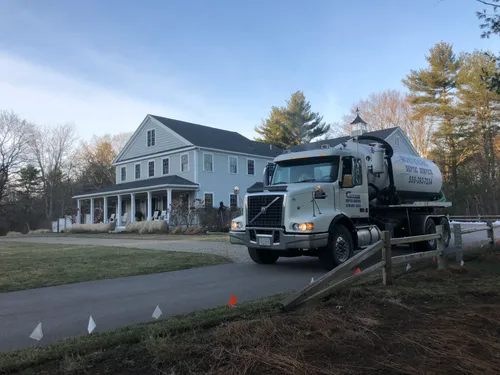
Northboro / Curtis Septic Service is a septic contractor based in Worcester, MA, offering a range of services including septic system installation, repair, pumping, cleaning, and maintenance for both residential and commercial clients. They also provide septic to town sewer conversions and Title 5 inspections across Worcester County and several surrounding counties. The company maintains strong relationships with local Boards of Health to ensure compliance and quality service.
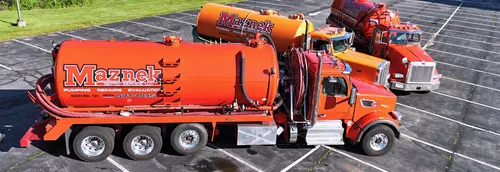
Maznek Septic Services LLC
41 Wendover Way, Bedford, NH 03110
Maznek Septic Services LLC provides comprehensive septic system services in Manchester, NH, and surrounding areas of central and southern New Hampshire. Their offerings include septic tank pumping, inspections by certified evaluators, septic system repairs, and drain field maintenance. The company is skilled in septic pump replacement and grease trap pumping for commercial clients such as restaurants and hospitals. Maznek Septic Services also performs system locating and camera scans to support real estate transactions and pre-construction planning. Their approach includes thorough septic tank cleaning and component checks to help prevent costly repairs and system failures.
Understanding Title 5: The Law Behind Septic Inspections in Massachusetts
In Lowell, and throughout Massachusetts, a septic system evaluation is not just a good idea-it's the law. The state's Title 5 Environmental Code sets the mandatory standards for inspecting, testing, and certifying all on-site sewage disposal systems. This code is administered by the Massachusetts Department of Environmental Protection (MassDEP) but enforced locally by the Lowell Board of Health. The primary goal is to prevent groundwater contamination and public health hazards by ensuring failing systems are identified and repaired.
A Title 5 inspection is much more than a quick look. It is a comprehensive onsite wastewater system assessment that must be performed by a state-licensed inspector. The official results are documented on a state-mandated form, which becomes a legal document for the property. For Lowell homeowners, this means any significant property event will likely require you to engage a certified professional to conduct this detailed review.
When Is a Septic Inspection Required in Lowell?
You cannot schedule a Title 5 inspection on a whim for official purposes; state law specifies precise triggers. Knowing these can help you plan and avoid legal or transactional delays.
Mandatory Scenarios Include:
- Property Sale or Title Transfer: This is the most common reason. A passing Title 5 inspection report is required before selling a home with a septic system. The inspection must be completed within two years prior to the sale closing.
- Expanding Your Home's Footprint: Any construction that increases the footprint of your house (like adding a bedroom or an extension) triggers the need for an inspection 1.
- Changing Property Use: Converting a seasonal home to year-round use or changing the type of dwelling (e.g., from single-family to multi-family) requires verification that the existing system can handle the new wastewater load.
- After a System Failure: If a system fails, it must be repaired or replaced within two years. The repaired system will then need a new inspection for certification.
It's important to note that the clock starts for real estate transactions at the signing of the Purchase and Sale Agreement, not the initial offer. Weather can sometimes delay the required hydraulic load test; in such cases, the inspection may be completed up to six months after the sale if a waiver is granted.
The Step-by-Step Septic Inspection Process
What should you expect when the inspector arrives? A proper septic tank and leaching field evaluation is a methodical process.
- Site Preparation & Component Exposure: The inspector will first locate and expose the tank's manholes, covers, and distribution box. If you have "as-built" plans of your system, providing them can significantly reduce time and cost by minimizing excavation 2 3.
- Tank Assessment: The inspector checks the tank for structural integrity, looking for cracks, leaks, and assessing the condition of inlet and outlet baffles. The sludge and scum layers are measured to determine if pumping is needed 4.
- Pumping & Checking for Backflow: The tank is typically pumped out during the inspection. This allows the inspector to check for backflow from the absorption area into the tank, a key indicator of a failing leaching field 5.
- Hydraulic Load Test (Dye Test): This is the core of the Title 5 test. A large volume of water is run into the system to simulate a day's worth of wastewater flow. Inspectors often add dye to the water to see if it surfaces in the yard, which would indicate a failure 6.
- Leaching Field Evaluation: The inspector examines the soil absorption system (the leach field) for signs of failure, such as soggy ground, surfacing effluent, or unpleasant odors.
- Reporting: All findings are recorded on the official MassDEP Title 5 inspection form. The inspector will issue a pass, conditional pass (for minor, repairable issues), or fail 7.
Find the perfect septic tank inspection companies for your needs
Get personalized recommendations and expert advice
Costs: What to Budget for a Lowell Septic Inspection
The price of a septic system compliance inspection in Lowell varies based on system size, complexity, and ease of access. On average, homeowners can expect to pay between $400 and $1,000, with many standard inspections falling in the $600-$800 range 8.
What Influences the Cost?
- System Accessibility: If tank lids are buried deep or system components are hard to locate, extra excavation work will increase the price.
- Pumping: While often included, pumping the tank is a separate service. If your tank hasn't been pumped in several years, this will be necessary for the inspection and adds to the total cost.
- System Complexity: Larger homes with larger tanks or more elaborate drainage fields may incur higher fees.
- Inspector Fees: Always verify your inspector is DEP-trained and state-licensed. Rates can vary between companies.
It's crucial to view this cost in context. A failing inspection can lead to mandatory repair or replacement, which can cost anywhere from a few hundred dollars for minor fixes to over $12,000 for a completely new system 9 10. The inspection fee is a relatively small investment to uncover potential liabilities.
Maintaining Your System to Pass Inspection
Routine maintenance is the best way to ensure a smooth, passing inspection when the time comes. A well-cared-for system is far less likely to present costly surprises.
Key Maintenance Tips:
- Pump Regularly: The single most important maintenance task. In Massachusetts, it's recommended to pump your septic tank every 3 to 5 years. If you use a garbage disposal, annual pumping is advised to prevent solids from clogging the drain field.
- Conserve Water: Reduce hydraulic overload on your system by fixing leaks, using high-efficiency fixtures, and spreading out laundry loads.
- Mind What You Flush: Only human waste and toilet paper should go down the drain. Avoid flushing chemicals, grease, diapers, wipes (even "flushable" ones), and feminine hygiene products.
- Protect the Drain Field: Never park vehicles or build structures over the leaching area. Keep roof drains and sump pumps directed away from it.
Proactive maintenance not only helps your system pass inspection but also extends its lifespan, protecting your property value and the local environment in Lowell.
What Happens If Your System Fails Inspection?
Receiving a "failed" report can be stressful, but it's not the end of the road. State law provides a clear path forward.
- Two-Year Repair Period: If a system fails, the property owner has two years to complete the necessary repairs or replacement 11 12. The local Board of Health must approve the repair plan.
- Conditional Pass: For minor issues, such as a damaged baffle or a high sludge level that pumping can resolve, an inspector may issue a "conditional pass." This allows the sale to proceed as long as the specified repairs are completed by a set date 13.
- Financing Options: The state offers various loan programs, like the MassDEP Septic Repair Loan Program, to help homeowners finance the cost of repairing or replacing a failing system.
A failure highlights the importance of the Title 5 law-it identifies systems that are contaminating groundwater before they become a public health crisis. Addressing it promptly is a legal and environmental responsibility.
Frequently asked questions
Sources
Footnotes
-
Title 5 Overview - https://www.townofgb.org/DocumentCenter/View/542/Title-5-Overview-PDF ↩
-
Consumer Protection Tips: Septic System Inspections and Repairs - https://www.mass.gov/guides/consumer-protection-tips-septic-system-inspections-and-repairs ↩
-
Septic Inspection Massachusetts - https://sherwoodinspection.com/septic-inspection-massachusetts/ ↩
-
Septic System Inspection: Detailed Process by Van Delden - https://www.vdwws.com/blog/what-happens-during-a-septic-system-inspection-part-ii ↩
-
Everything You Need to Know about a Septic Inspection - https://wini.com/articles/everything-you-need-to-know-about-a-septic-inspection/ ↩
-
Guidance for the Inspection of On-site Sewage Disposal ... - https://www.mass.gov/guides/guidance-for-the-inspection-of-on-site-sewage-disposal-systems ↩
-
Title 5 Official Inspection Form - Mass.gov - https://www.mass.gov/doc/title-5-official-inspection-form-0/download ↩
-
Frequent Questions on Septic Systems | US EPA - https://www.epa.gov/septic/frequent-questions-septic-systems ↩
-
What is a Title 5 Septic Inspection? When Do You Need One? - https://www.upnest.com/post/title-5-inspection/ ↩
-
Title 5 Septic inspection costs - https://title5specialists.com/title-5-septic-inspection-costs/ ↩
-
Title 5 Inspection (Massachusetts Septic System Inspections) - https://www.northboroseptic.com/about/title-5-inspections/ ↩
-
Buying or Selling Property with a Septic System - Mass.gov - https://www.mass.gov/guides/buying-or-selling-property-with-a-septic-system ↩
-
The Complete Guide to Massachusetts Title 5 Inspection - https://allclearseptic.com/the-complete-guide-to-massachusetts-title-5-inspection/ ↩