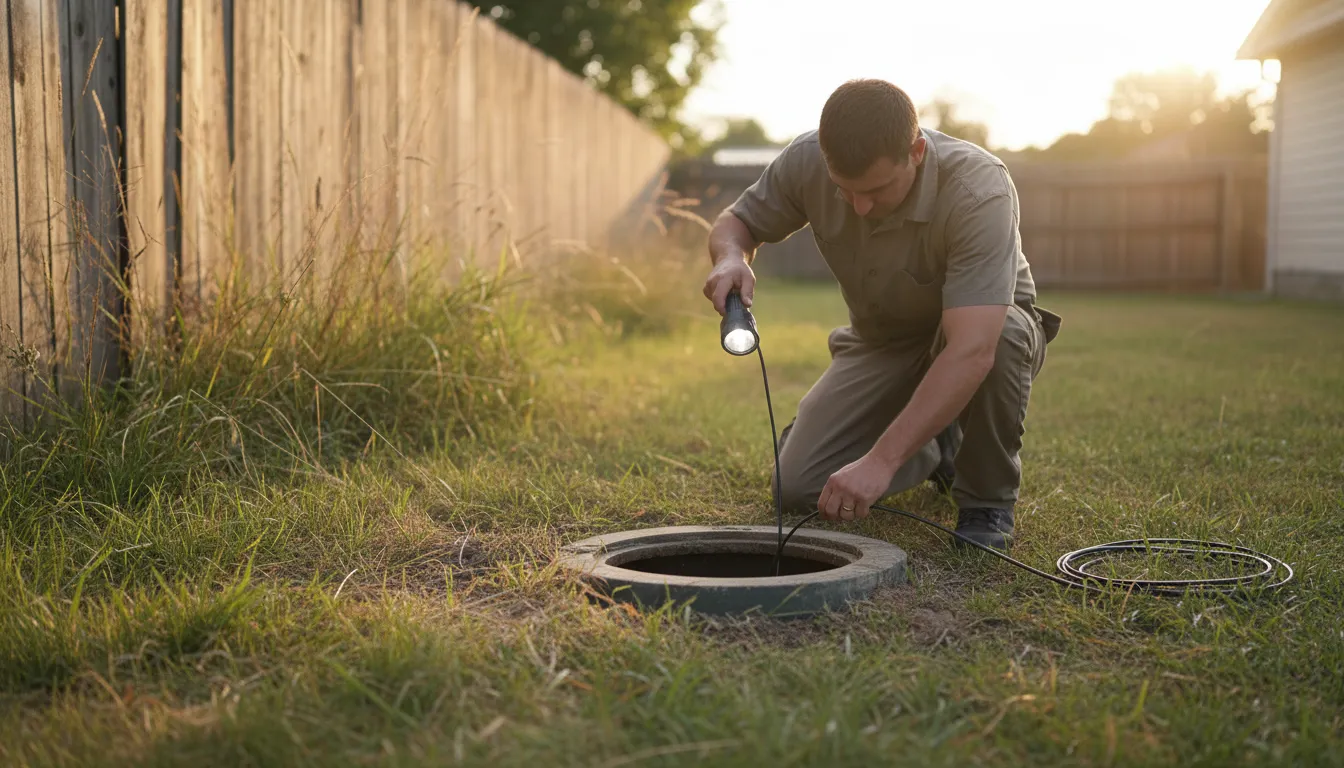
Find the Best Septic Tank Inspection Companies for Your Business
No obligation • Fast responses • Nationwide coverage

Why you can trust Septic Spot
Septic Spot is a leading United States resource for understanding and comparing septic services. Our editors review providers using consistent criteria and verify key business details. Listings and scores are independent, and companies cannot pay to influence our content.
Search providers near you
Top Septic Tank Inspection Companies in Fall River, Massachusetts Ranked
A septic system inspection is a critical evaluation of your home's on-site wastewater treatment system, ensuring it functions properly and poses no risk to public health or the environment. In Fall River, these assessments are not just a good idea-they are a legal requirement for key property transactions and changes. This guide explains the local rules, the inspection process, and how you can find qualified professionals to perform this essential service for your home.
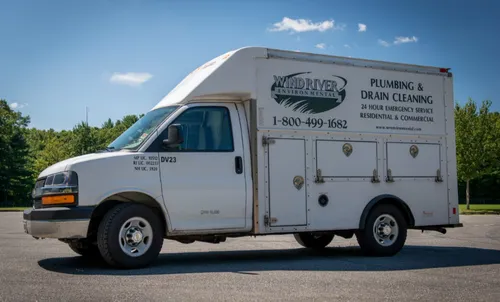
Wind River Environmental of Johnston, RI
141 Shun Pike, Johnston, RI 02919
Wind River Environmental of Johnston, RI provides septic tank pumping, inspection, and repair services in Providence, RI. Serving residential, commercial, and municipal clients, the company offers tailored solutions that comply with local codes and regulations. With a history dating back to 1946, Wind River Environmental brings decades of experience and a broad resource network to handle projects of varying complexity. The company is available 24/7 to address urgent septic and wastewater needs.
Devine Septic LLC
Providence, RI
Devine Septic LLC is a septic tank inspection and repair company serving Providence, RI. With over 10 years of experience, they offer services including septic system maintenance, emergency repairs, and Title V inspections required for home sales in Massachusetts. They focus on educating customers about septic system operation to help prevent issues and maintain efficient performance.

A & D Sanitation.
223 Hinchey Ln, Somerset, MA 02726
A & D Sanitation provides septic tank pumping, inspection, and repair services in Providence, RI. The company handles septic system maintenance including pumping, line snaking to clear blockages, and basic repairs such as installing filters, risers, and covers. They also offer yearly bacteria treatments and inspections required for Rhode Island point-of-sale ISDS. Their services include maintaining cesspool tight tanks and providing tank seals and jetting.

Croome Sanitation Inc
26 Hillside Ave, Rehoboth, MA 02769
Croome Sanitation Inc is a family-owned septic service company serving Providence, RI, and the surrounding areas of Southeast Massachusetts and Rhode Island. Established in 1962, the company offers a wide range of septic system services including pumping, Title 5 inspections, sewer camera diagnostics, pump station maintenance, and excavation work. Their expertise extends to wastewater treatment systems, providing comprehensive care to maintain system health and compliance with local regulations. Croome Sanitation also offers same-day and emergency services to address urgent septic needs.
Michael Perri & Sons Septic Service, Inc.
Providence, RI
Michael Perri & Sons Septic Service, Inc. is a family-owned and operated septic company serving Providence, RI, and the entire state of Rhode Island. They provide a full range of septic services including routine pumping, cleaning, inspections, repairs, and new system installations. Their skilled team also offers hydro-jetting, backhoe services, enzyme bacteria treatments, and drainage installation to maintain and protect septic systems. With over 50 years of experience and licenses for underground utility work, they handle both residential and commercial septic needs across multiple Rhode Island communities.
Understanding Title 5: The Law in Massachusetts
In Fall River and throughout Massachusetts, septic system evaluations are governed by the state's Title 5 regulations. This isn't a general check-up; it's a formal, state-certified process with strict protocols. The law mandates an inspection be conducted by a licensed inspector for specific "triggering" events. The local Board of Health is the authority that enforces these rules, and they must receive a copy of the official inspection report 1.
The primary goal is to identify systems that are failing and pose a threat to public health by contaminating groundwater or surface water. A passing inspection provides a documented assurance of the system's condition, which is crucial for real estate transactions and municipal permitting.
When Is a Septic System Inspection Required in Fall River?
You cannot schedule a septic inspection on a whim for regulatory purposes; it must be tied to a qualifying event. Knowing these triggers can help you plan and avoid legal or sale complications.
- Property Transfer (Sale): This is the most common reason. Before selling a home with a septic system, a Title 5 inspection must be completed, and the report must be submitted to the Fall River Board of Health. The inspection's validity is key-a pass is good for two to three years from the date of the inspection.
- Expanding Your Home: If you plan to increase the footprint of your house or, most notably, add a bedroom, you must have the system inspected. Bedrooms increase the estimated wastewater flow, so the town needs to verify the existing system can handle the new load.
- Change of Use: Converting a property's use, such as from a single-family home to a multi-family dwelling or a commercial space, triggers an inspection due to the change in wastewater volume and character.
- Board of Health Order: If the Board of Health has reason to suspect a system is failing (e.g., from complaints, sewage odors, or surfacing effluent), they can order an inspection.
There is an important exception for real estate sales: if weather conditions like frozen ground or snow cover prevent a proper inspection at the time of sale, the transaction can proceed provided an inspection is scheduled and occurs within six months after the sale 2.
The Step-by-Step Inspection Process
A certified Title 5 inspection is a thorough, multi-step procedure. Here's what you can expect when a professional evaluates your system in Fall River.
- Record Search: The inspector begins by reviewing all available records at the Fall River Board of Health. They look for the original system design (the "as-built" plan), any previous inspection reports, and permits for repairs. This history helps locate the system and understand its design.
- Locating System Components: Using the plans and specialized tools, the inspector finds and marks all critical components: the septic tank, the distribution box (D-box), and the leaching area (drain field or stone bed).
- Digging and Accessing: The inspector or their crew will excavate to uncover the tank's manhole covers and the D-box lid. Regulations require these access points to be within three feet of the ground surface for inspection.
- Pumping and Visual Inspection: The tank is typically pumped out (at an additional cost) to allow for a complete internal assessment. The inspector checks for:
- Structural integrity: Cracks, leaks, or deterioration of the tank.
- Baffles and tees: Ensuring inlet and outlet baffles are intact to prevent solids from flowing into the drain field.
- Scum and sludge layers: Measuring their depth to determine if the tank needs pumping more frequently.
- Liquid level: Checking for abnormally high levels that indicate a blockage or drain field failure.
- Drain Field Evaluation: The inspector assesses the leaching area for signs of failure, such as soggy ground, surfacing sewage, or overly lush vegetation.
- Reporting: Finally, the inspector completes the official state Title 5 inspection form. This report details the findings and is submitted to the homeowner and the Fall River Board of Health. It will state one of three results.
Find the perfect septic tank inspection companies for your needs
Get personalized recommendations and expert advice
Understanding Your Inspection Results
The formal report will conclude with one of three determinations, each with different implications.
- PASS: The system complies with Title 5 regulations. This certificate is valid for two to three years (the validity period should be confirmed on the report) and satisfies the requirement for a sale or permit 3.
- CONDITIONAL PASS: The system is fundamentally sound but has minor, specified deficiencies that must be repaired within a set timeframe (often 60 days). Examples include a missing or broken baffle, a damaged tank cover, or a minor leak at a pipe joint. Once repairs are made and verified, the conditional pass converts to a full pass 4.
- FAIL: The system poses a threat to public health or the environment. Common reasons for failure include a structurally unsound tank, a clogged or hydraulically failed drain field, or improper location (e.g., too close to a well). A failed system must be repaired or replaced according to a new design approved by the Board of Health before the property can be sold or the intended expansion can be permitted 5.
Costs and Financial Assistance
Understanding the potential costs helps in budgeting for a required inspection or navigating a real estate transaction.
- Inspection Fee: The fee for the certified inspection itself in the Fall River area typically ranges from $400 to $800. This covers the inspector's time, expertise, and report filing 6.
- Pumping Fee: Since a thorough inspection requires an empty tank, pumping is almost always necessary. This adds $200 to $300 to the total cost 7 8.
- Repair/Replacement Costs: If the system fails, costs can escalate significantly. Replacing a traditional septic system can cost tens of thousands of dollars. Fortunately, Massachusetts offers the Home Septic Loan Program, which provides low-interest loans to homeowners for the repair or replacement of failed septic systems 9. Your local inspector or the Board of Health can provide information on this program.
Choosing a Qualified Septic Inspector in Fall River
Since this is a legal and technical process, choosing the right professional is crucial. Look for a state-certified Title 5 inspector. Many local septic service companies that offer pumping and repair also have certified inspectors on staff. Ensure they are familiar with Fall River's specific topography and Board of Health procedures. It's wise to get quotes from two or three providers, ensuring they include both the inspection and the required pumping in their estimate.
Maintaining Your System Post-Inspection
Passing an inspection is a relief, but maintaining your system is an ongoing responsibility. To avoid future failures and costly repairs, pump your tank every 3-5 years (more frequently if you have a garbage disposal or a large household), conserve water to avoid overloading the system, and never pour grease, chemicals, or non-biodegradable items down the drain. Proper care extends the life of your drain field and helps ensure your system will pass the next time it's inspected.
Frequently asked questions
Sources
Footnotes
-
Title 5 Inspection (Massachusetts Septic System Inspections) - https://www.northboroseptic.com/about/title-5-inspections/ ↩
-
Title 5 septic system regulations - State Library of Massachusetts - https://archives.lib.state.ma.us/server/api/core/bitstreams/1a084553-08d1-43c2-a060-9daa614dbace/content ↩
-
Guidance for the Inspection of On-site Sewage Disposal ... - https://www.mass.gov/guides/guidance-for-the-inspection-of-on-site-sewage-disposal-systems ↩
-
Septic Inspection Massachusetts - https://sherwoodinspection.com/septic-inspection-massachusetts/ ↩
-
Consumer Protection Tips: Septic System Inspections and Repairs - https://www.mass.gov/guides/consumer-protection-tips-septic-system-inspections-and-repairs ↩
-
Buying a Home with a Septic System & Title 5 Inspections - https://www.lamacchiarealty.com/buying-or-selling-home-with-septic-system/ ↩
-
Massachusetts Title 5 Septic Rules | Martha's Vineyard Buyer Agents - https://www.mvbuyeragents.com/title-5-septic-systems-faq ↩
-
Title 5 Inspections - Legacy Pumping - https://www.legacypumpinginc.com/title5inspections ↩
-
The Complete Guide to Massachusetts Title 5 Inspection - All Clear Septic - https://allclearseptic.com/the-complete-guide-to-massachusetts-title-5-inspection/ ↩