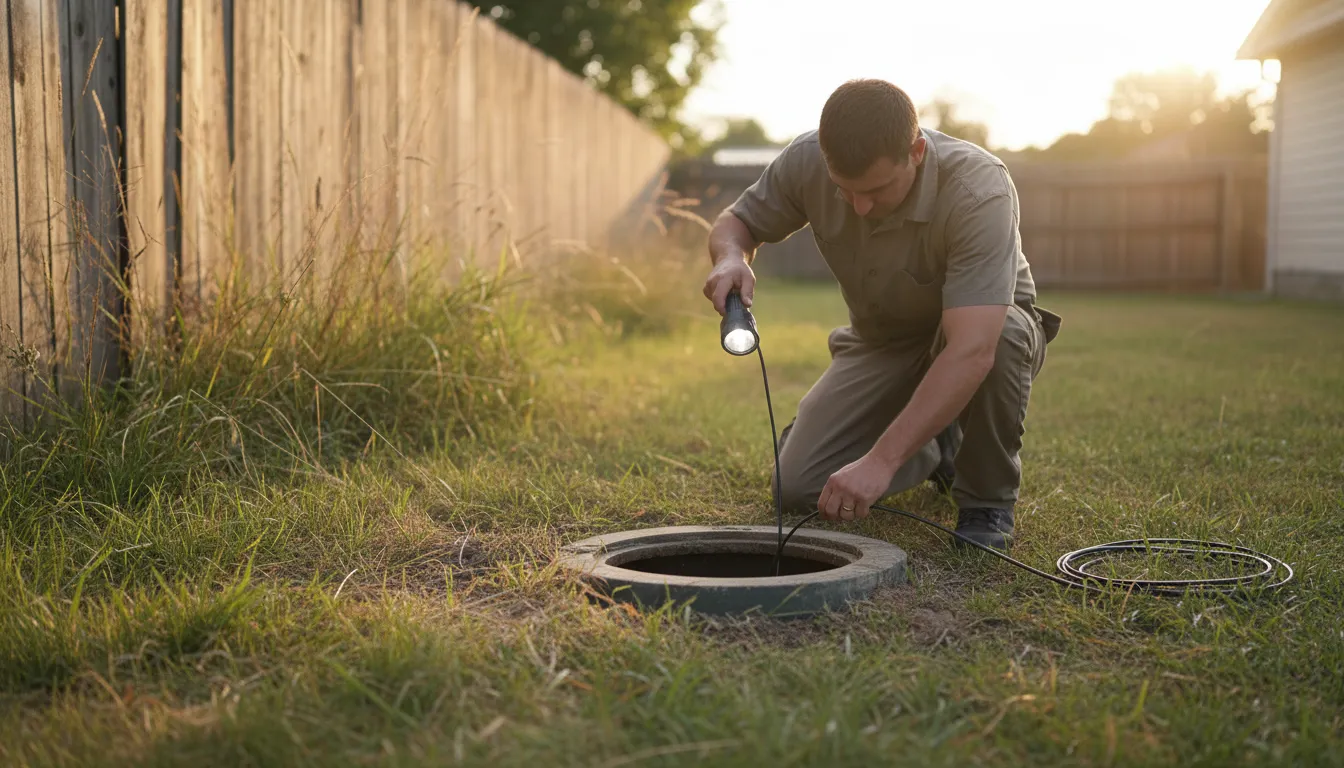
Find the Best Septic Tank Inspection Companies for Your Business
No obligation • Fast responses • Nationwide coverage

Why you can trust Septic Spot
Septic Spot is a leading United States resource for understanding and comparing septic services. Our editors review providers using consistent criteria and verify key business details. Listings and scores are independent, and companies cannot pay to influence our content.
Search providers near you
Top Septic Tank Inspection Companies in Leominster, Massachusetts Ranked
A septic tank inspection is a critical evaluation of your home's private wastewater treatment system, ensuring it functions safely and complies with state and local health codes. In Leominster, these assessments are especially important due to Massachusetts' stringent Title 5 regulations, which govern the inspection and maintenance of septic systems. This guide will help you understand the process, requirements, and how to connect with qualified local professionals to ensure your system is in proper working order.
Rooterman
67 Andover Rd, Billerica, MA 01821
Rooterman is a septic tank pumping, inspection, repair, and installation company serving Boston, MA. With over 50 years of experience since 1970, they provide residential and commercial septic services including certified Title V inspections and sewer and drain maintenance. Their team is licensed and insured, offering same-day service for most non-emergency issues and supporting property owners in maintaining safe and compliant septic systems.
Northboro / Curtis Septic Service
124 Main St, Northborough, MA 01532
Northboro / Curtis Septic Service is a septic contractor based in Worcester, MA, offering a range of services including septic system installation, repair, pumping, cleaning, and maintenance for both residential and commercial clients. They also provide septic to town sewer conversions and Title 5 inspections across Worcester County and several surrounding counties. The company maintains strong relationships with local Boards of Health to ensure compliance and quality service.
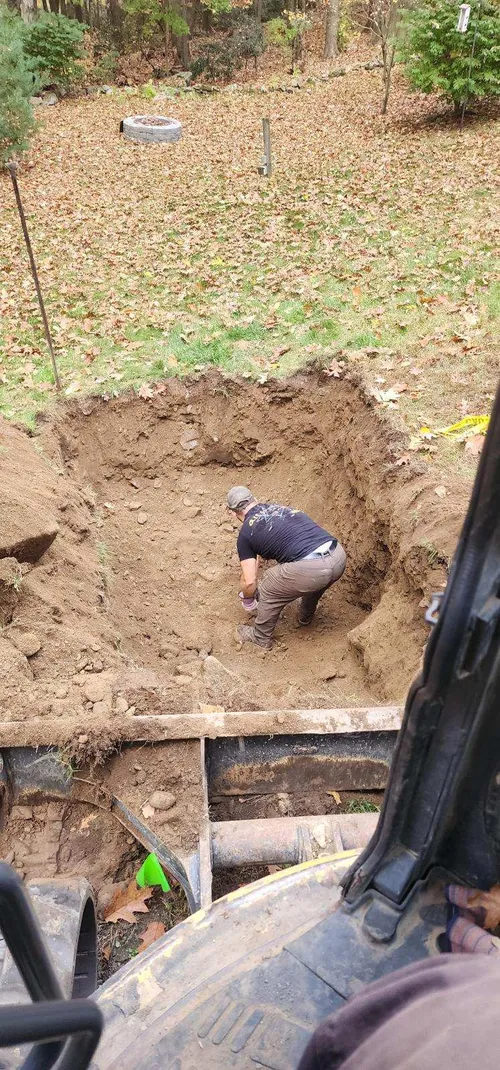
Chase Harris Septic Services
85 Dudley Rd, Sutton, MA 01590
Chase Harris Septic Services is a family-owned business providing septic system maintenance, repair, installation, and inspection services in Worcester, MA. With decades of experience, they serve residential and commercial clients, offering comprehensive septic pumping, Title 5 inspections, and grease trap cleaning. Their team also handles excavation and site preparation to ensure proper system installation and repair. Chase Harris Septic Services is known for meeting local codes and regulations, including Title 5 compliance, and uses advanced equipment to maintain system efficiency and safety.

Lakeside Sewerage Services Inc
780 N Bigelow St, Marlborough, MA 01752
Lakeside Sewerage Services Inc is a family and woman-owned business providing septic tank pumping and inspection services in Worcester, MA. Serving MetroWest and Central Massachusetts, they offer residential and commercial septic system maintenance, including licensed Title 5 inspections. Established in 1958, Lakeside Sewerage Services has over 60 years of experience in septic system cleaning and maintenance. They also provide emergency services to address urgent septic needs promptly.
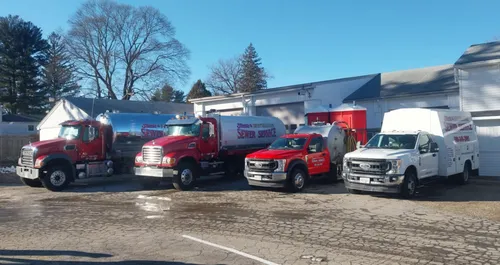
Slims & Berthiaume Sewer Service Inc
510 Stafford St, Charlton, MA 01507
Slims & Berthiaume Sewer Service Inc offers a full range of septic services in Worcester, MA. Serving both residential and commercial clients, they provide septic tank pumping, inspections including Title V, system repairs, new installations, and drain cleaning. The company also uses color camera inspections and handles excavations. With over 60 years of experience since 1956, they have a long history of serving central Massachusetts.
Understanding Title 5 Inspections in Leominster
In Massachusetts, a septic system evaluation is formally known as a Title 5 inspection. This is not a casual check but a legally defined procedure with specific protocols. For homeowners in Leominster, this process is mandated by the state's Department of Environmental Protection (MassDEP) and overseen locally by the Leominster Board of Health.
The primary trigger for a mandatory system inspection is the transfer of property, such as a sale. The goal is to protect public health and the environment by identifying failing systems before a property changes hands. A passing Title 5 inspection in Leominster is generally valid for two years from the date of the report. However, if the system is pumped annually and the service is properly documented, this validity period can be extended to three years 1. If an inspection reveals a failure, the property owner typically has two years to complete the necessary repairs or system upgrade.
The Step-by-Step Inspection Process
A thorough septic system inspection involves a series of methodical steps designed to assess every critical component.
1. Record Review and Site Evaluation The process begins before any digging. The certified inspector will review the "as-built" plans for your system, which are often on file with the Leominster Board of Health. This provides a blueprint of where the tank, distribution box, and leaching field (also called a drainfield) are supposed to be located. The inspector will also survey the property for any visual signs of failure, such as soggy ground, foul odors, or unusually lush grass over the leaching area.
2. Locating and Exposing System Components Using the plans and specialized tools, the inspector will locate the septic tank and distribution box. The access covers (lids) to these components must be excavated and exposed for a visual examination. This step is crucial, as buried lids can make a proper inspection impossible.
3. Tank and Baffle Inspection Once the tank is open, the inspector will check its structural integrity. They look for cracks, decay (in concrete tanks), rust (in steel tanks), or root intrusion that could compromise the tank. A key part of this stage is inspecting the inlet and outlet baffles-the devices that control the flow of wastewater into and out of the tank. Damaged or missing baffles can allow solids to escape into the drainfield, causing premature failure. It is highly recommended to have the tank pumped at the time of inspection to allow for a thorough evaluation of the baffles and tank walls.
4. Flow Test and Leaching Area Assessment The inspector will then introduce water into the system (often through toilets and sinks) to perform a flow test. They monitor the distribution box to ensure effluent is flowing evenly to all sections of the leaching field. The leaching area itself is checked for signs of hydraulic failure, such as ponding, surfacing sewage, or backflow into the tank or home 2.
5. Reporting and Submission Following the assessment, the inspector completes the official Massachusetts Title 5 Inspection Report. This document states whether the system passes, conditionally passes, or fails. A copy is provided to the homeowner, and the results are submitted directly to the Leominster Health Department for review 3.
Who Can Perform an Inspection?
Not just any contractor can perform a legally valid Title 5 inspection in Leominster. The inspector must be approved by the Massachusetts Department of Environmental Protection (MassDEP) 4 5. These approved inspectors have undergone specific training and certification to understand the complex state regulations. Always verify a provider's MassDEP approval status before hiring them for a real estate-related system evaluation.
Find the perfect septic tank inspection companies for your needs
Get personalized recommendations and expert advice
Costs Associated with Septic Inspections in Leominster
Understanding the potential costs helps in planning, especially during a property transaction. Pricing can vary based on the size of the system, its accessibility, and the specific inspector.
- Title 5 Inspection Fee: The core cost for the inspection itself typically ranges from $400 to $800 in the Leominster area.
- Septic Pumping Fee: While technically separate, pumping is so strongly advised during an inspection that it's a standard bundled cost. Pumping a tank generally costs an additional $200 to $300 6.
- Additional Potential Fees: Costs can increase if special circumstances arise. For example, if the septic tank is buried deeper than three feet, extra excavation charges may apply (e.g., $75 per extra foot) 7. If the inspection results in a "Conditional Pass," there will be costs associated with the required repairs before a full pass is issued 8.
Beyond the Sale: The Importance of Routine Checks
While a full Title 5 inspection is legally required for property transfers, proactive homeowners should consider periodic system assessments outside of real estate transactions. A routine check-up can identify minor issues-like a slow drain or a small crack-before they escalate into a major failure requiring a costly replacement. Regular maintenance, including pumping every 2-3 years, is the most effective way to extend the life of your leaching field and avoid emergencies.
What Happens If Your System Fails?
A failing septic system is a serious health hazard and environmental concern. If your Title 5 inspection results in a failure, the Leominster Board of Health will require you to address it. You have two years to complete repairs or a full system upgrade 9. Options range from repairing a damaged component to installing a completely new leaching field or advanced treatment system. Working with a licensed septic system installer and your local health department is essential to navigate the repair process and ensure compliance with all codes.
Frequently asked questions
Sources
Footnotes
-
Title 5 septic system regulations - State Library of Massachusetts - https://archives.lib.state.ma.us/server/api/core/bitstreams/1a084553-08d1-43c2-a060-9daa614dbace/content ↩
-
What to Expect from a Septic Inspection - https://www.wrenvironmental.com/blog/2023/may/what-to-expect-from-a-septic-inspection/ ↩
-
The Complete Guide to Massachusetts Title 5 Inspection - https://allclearseptic.com/the-complete-guide-to-massachusetts-title-5-inspection/ ↩
-
Title V - Septic Systems | Leominster, MA - https://www.leominster-ma.gov/294/Title-V---Septic-Systems ↩
-
Massachusetts Title 5 Septic Regulations Explained - https://primeengineering.org/massachusetts-title-5-septic-regulations-explained/ ↩
-
Buying a Home with a Septic System & Title 5 Inspections - https://www.lamacchiarealty.com/buying-or-selling-home-with-septic-system/ ↩
-
Title 5 Inspections - Legacy Pumping - https://www.legacypumpinginc.com/title5inspections ↩
-
Septic Inspection Massachusetts - https://sherwoodinspection.com/septic-inspection-massachusetts/ ↩
-
Consumer Protection Tips: Septic System Inspections and Repairs - https://www.mass.gov/guides/consumer-protection-tips-septic-system-inspections-and-repairs ↩