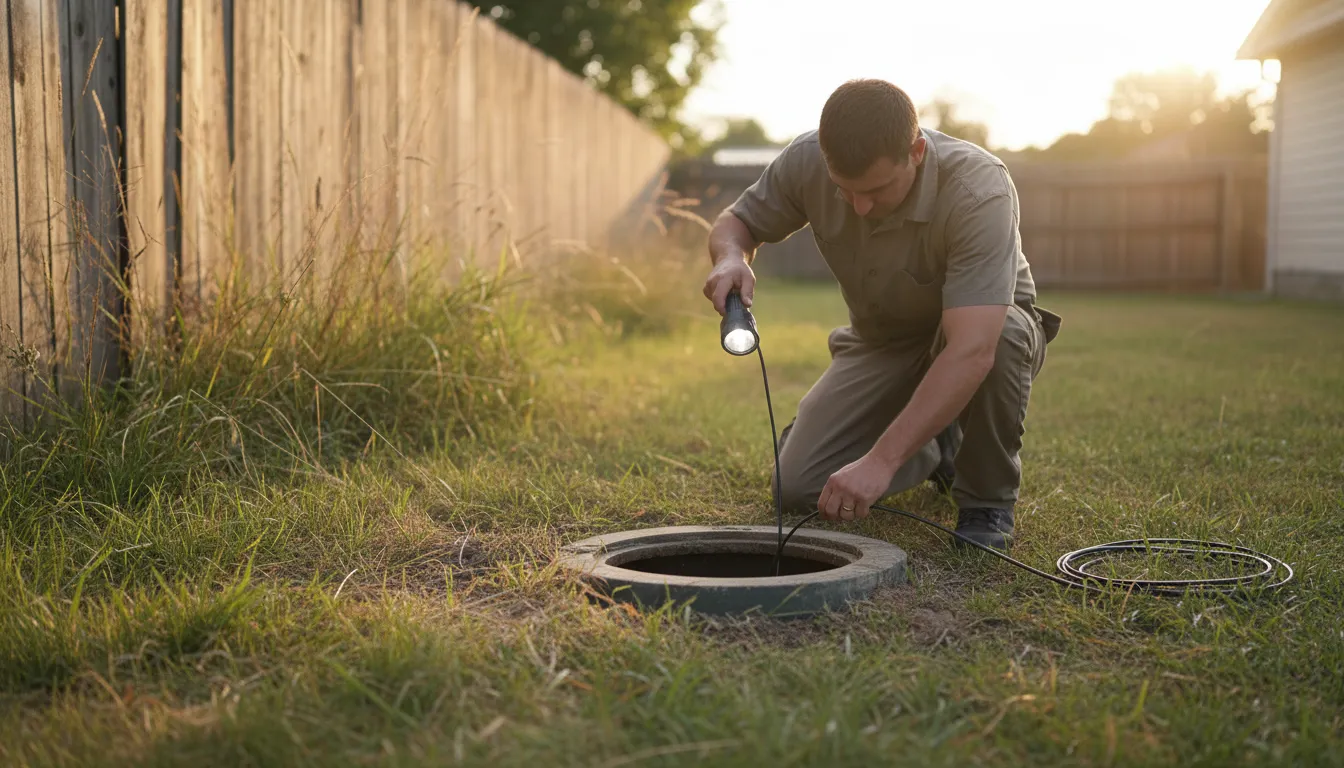
Find the Best Septic Tank Inspection Companies for Your Business
No obligation • Fast responses • Nationwide coverage

Why you can trust Septic Spot
Septic Spot is a leading United States resource for understanding and comparing septic services. Our editors review providers using consistent criteria and verify key business details. Listings and scores are independent, and companies cannot pay to influence our content.
Search providers near you
Top Septic Tank Inspection Companies in Lynn, Massachusetts Ranked
A septic tank inspection is a critical evaluation of your on-site wastewater system, ensuring it functions safely and complies with state health regulations. In Lynn, this process is governed by strict Massachusetts Title 5 rules, making it essential for protecting your property value and public health. This guide will help you understand when an inspection is required, what it entails, and how to navigate the process to find a qualified local professional for your system assessment.
Rooterman
67 Andover Rd, Billerica, MA 01821
Rooterman is a septic tank pumping, inspection, repair, and installation company serving Boston, MA. With over 50 years of experience since 1970, they provide residential and commercial septic services including certified Title V inspections and sewer and drain maintenance. Their team is licensed and insured, offering same-day service for most non-emergency issues and supporting property owners in maintaining safe and compliant septic systems.
Rosano Davis Sanitary Pumping Inc
9 Rocky Ln, Cohasset, MA 02025
Rosano Davis Sanitary Pumping Inc is a family-owned septic system company serving Boston, MA. They provide a full range of services including septic system pumping, inspection, repair, and new system installation. Their capabilities include electronic locating of septic tanks and covers to minimize property disruption, as well as color video pipe inspection and high-pressure washing of leaching lines. The company manages all aspects of septic system installation, from excavation to landscaping, using their own equipment to ensure a complete service.
Title 5 Specialists
22 Taft St, Dorchester, MA 02125
Title 5 Specialists is a septic tank inspection company based in Boston, MA, providing Title V inspections throughout Eastern Massachusetts. They focus on delivering honest septic system inspections without conflicts of interest, as they do not design, repair, or install systems. Their inspectors aim to complete inspections quickly and cleanly while minimizing disruption to lawns and landscaping.
Bateson Enterprises Inc
111 Argilla Rd, Andover, MA 01810
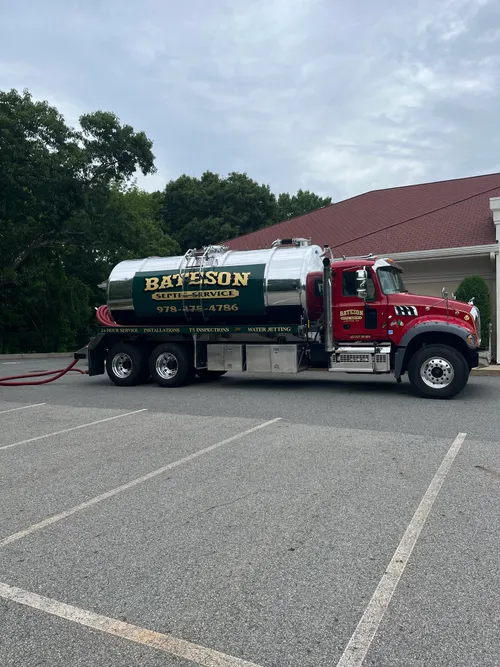
Bateson Enterprises Inc is a septic system company serving Lowell, MA, and the surrounding areas. They provide a range of septic services including tank installation, system repair, pumping, and inspections. The company also offers specialized services such as water jetting, mainline snaking, video inspection, and Title V inspections. With over 30 years of experience, Bateson Enterprises Inc handles all types of septic systems and related repairs. They are equipped to manage both maintenance and emergency needs for residential and commercial septic systems.
Berl Title 5
Boston, MA
Berl Title 5 is a septic tank inspection company based in Boston, MA. They specialize in Title 5 inspections, which are official state-authorized evaluations required for home sales. Their services include uncovering septic tanks and distribution boxes, contacting local authorities for system records, locating nearby wells and wetlands, and submitting inspection results to the Board of Health. They also offer soil evaluations and percolation tests necessary for septic system design, as well as unofficial system inspections to assess system condition.
Understanding Title 5: The Law Behind Septic Inspections in Massachusetts
In Massachusetts, a septic system evaluation is not just a good idea-it's the law for many property transactions. The state's Title 5 code (310 CMR 15.000) sets the standard for all on-site sewage disposal systems, including inspections, design, and construction. For homeowners in Lynn, this means any official septic system inspection must be performed by a state-certified Title 5 inspector, and the results must be filed with both the Lynn Board of Health and the Massachusetts Department of Environmental Protection (MassDEP).
The primary goal of these regulations is to prevent groundwater contamination and protect public health by identifying failing systems. A failed system can contaminate drinking water sources, create unsanitary conditions, and pose significant environmental risks. Therefore, compliance isn't just about paperwork; it's a cornerstone of community health and environmental stewardship on the North Shore.
When Is a Septic System Inspection Required in Lynn?
Knowing the triggers for a mandatory inspection can help you plan and avoid legal or transactional delays. The most common requirement is during the sale or transfer of a property that uses a septic system. Most lenders will not approve a mortgage without a passing Title 5 inspection report.
Beyond real estate transactions, other common scenarios that necessitate a system assessment include:
- Increasing the habitable space: Adding a bedroom or significantly expanding the footprint of your home.
- Changing the building's use: For example, converting a single-family home into a multi-unit dwelling.
- Board of Health orders: If the local health department suspects a system failure due to complaints, odors, or surfacing sewage.
- Periodic review: While not always mandated on a strict schedule for existing homeowners, an inspection is generally valid for two to three years once completed 1. Proactive checks are wise for maintenance planning.
The Step-by-Step Title 5 Inspection Process
A certified inspector follows a detailed protocol to evaluate every component of your wastewater system. Here's what you can expect during a comprehensive septic inspection in Lynn.
1. Pre-Inspection Review & Site Evaluation
Before arriving, the inspector will review the existing records for your property at the Board of Health, including any "as-built" plans that show the original system layout. On-site, the process begins with a visual survey of your yard. The inspector looks for warning signs of failure such as:
- Soggy, saturated soil or standing water over the drain field.
- Unusually lush, green grass over the leaching area.
- Foul odors emanating from the yard or basement.
- Sewage backing up into household drains.
2. Component Exposure & Tank Assessment
The inspector will then locate and expose key system components. This typically involves digging to uncover the septic tank access lids, the distribution box (D-box), and possibly portions of the soil absorption system (drain field) 2 3. The tank itself undergoes a crucial test: the inspector measures the levels of sludge (solid waste at the bottom) and scum (floating layer). According to Title 5, the sludge layer must not fill more than one-third of the tank's liquid depth 2 4. If the tank is too full, it may need to be pumped to complete the inspection, which adds to the cost.
3. System Testing & Final Evaluation
With the components exposed, the inspector checks the integrity of the tank (for cracks or leaks), the functionality of the distribution box (for even flow to the drain field), and the condition of the leaching area 5. They will assess whether the effluent is being properly treated and absorbed by the soil. All findings are meticulously recorded on the state's Official Title 5 Inspection Form.
Find the perfect septic tank inspection companies for your needs
Get personalized recommendations and expert advice
Understanding Inspection Results: Pass, Conditional Pass, or Fail
At the conclusion of the evaluation, your septic system will receive one of three classifications:
- PASS: Congratulations! Your system is functioning properly and complies with all Title 5 requirements. This report is filed with the authorities, and you can proceed with your real estate transaction or project 6.
- CONDITIONAL PASS: This indicates the system is currently working but has minor issues that must be repaired within a specified time frame (often 60 to 120 days). Common reasons include a damaged tank baffle, a malfunctioning distribution box, or a minor pipe leak 7 8. Once repairs are verified by the inspector, the conditional pass is upgraded to a full pass.
- FAIL: A failure means the system poses a threat to public health or the environment. Causes can include a structurally failed tank, effluent ponding on the surface, or a completely clogged drain field 9 10. A failed system legally requires upgrading, repair, or replacement, and the property transfer cannot proceed until it is addressed and re-inspected.
Cost of a Septic Tank Inspection in Lynn
The price for a Title 5 inspection in the Lynn area is not fixed but typically ranges from $400 to $800 for the inspection itself 11. Several factors can influence the final cost:
- System Accessibility: If tank lids or components are buried deeper than three feet, require extensive digging, or are under hardscapes like patios, extra labor will increase the price.
- Need for Pumping: If the tank needs to be pumped to measure sludge or inspect components, this adds $300 to $500 or more, depending on tank size 12 13. Important Note: You should not pump your tank immediately before an inspection. The system should be under normal use for at least two weeks prior to give an accurate reading of sludge levels 14.
- System Complexity: Larger systems, those with pumps or alternative technology, may require more time to inspect.
When budgeting, it's prudent to plan for a total cost between $400 and $1,300+, depending on whether ancillary services like pumping are necessary 15.
Preparing for a Successful Inspection
A little preparation can facilitate a smoother inspection and help avoid a conditional or failed result.
- Locate Your System: Know where your tank and drain field are. Having the "as-built" plan is immensely helpful.
- Ensure Access: Clear the area around the tank lids and distribution box of any obstructions like vehicles, sheds, or landscaping.
- Conserve Water: In the days before the inspection, avoid excessive water use (like running multiple laundry loads) which could flood the system.
- Do Not Pump Ahead of Time: As mentioned, let the system operate normally.
- Disclose Everything: Inform the inspector of any known issues or past repairs. Honesty helps them conduct a more thorough assessment.
Choosing a certified, experienced local inspector is the most important step. Look for professionals with strong knowledge of Lynn's soil conditions and a reputation for clear, detailed reporting.
Frequently asked questions
Sources
Footnotes
-
Massachusetts Title 5 Septic Regulations Explained - https://primeengineering.org/massachusetts-title-5-septic-regulations-explained/ ↩
-
Guidance for the Inspection of On-site Sewage Disposal ... - https://www.mass.gov/guides/guidance-for-the-inspection-of-on-site-sewage-disposal-systems ↩ ↩2
-
Title 5 Inspection (Massachusetts Septic System Inspections) - https://www.northboroseptic.com/about/title-5-inspections/ ↩
-
How to Get Septic to Pass Inspection - https://www.guardianangelinspections.com/how-to-get-septic-to-pass-inspection ↩
-
BOARD OF HEALTH - https://www.carlislema.gov/DocumentCenter/View/2541 ↩
-
Title 5 septic system regulations - State Library of Massachusetts - https://archives.lib.state.ma.us/server/api/core/bitstreams/1a084553-08d1-43c2-a060-9daa614dbace/content ↩
-
Buying or Selling Property with a Septic System - Mass.gov - https://www.mass.gov/guides/buying-or-selling-property-with-a-septic-system ↩
-
Title 5 Inspections - Legacy Pumping - https://www.legacypumpinginc.com/title5inspections ↩
-
The Complete Guide to Massachusetts Title 5 Inspection - All Clear Septic - https://allclearseptic.com/the-complete-guide-to-massachusetts-title-5-inspection/ ↩
-
Title 5 Official Inspection Form - Mass.gov - https://www.mass.gov/doc/title-5-official-inspection-form-0/download ↩
-
Title 5 Overview - https://www.townofgb.org/DocumentCenter/View/542/Title-5-Overview-PDF ↩
-
What is a Title 5 Septic Inspection? When Do You Need One? - https://www.upnest.com/post/title-5-inspection/ ↩
-
A Complete Guide to Septic System Inspections | GAI Inc - https://www.guardianangelinspections.com/complete-guide-septic-system-inspection ↩
-
FAQ on Title 5 - Septic Preservation Services - https://septicpreservation.com/1106-2/ ↩
-
Title 5 Septic inspection costs - https://title5specialists.com/title-5-septic-inspection-costs/ ↩