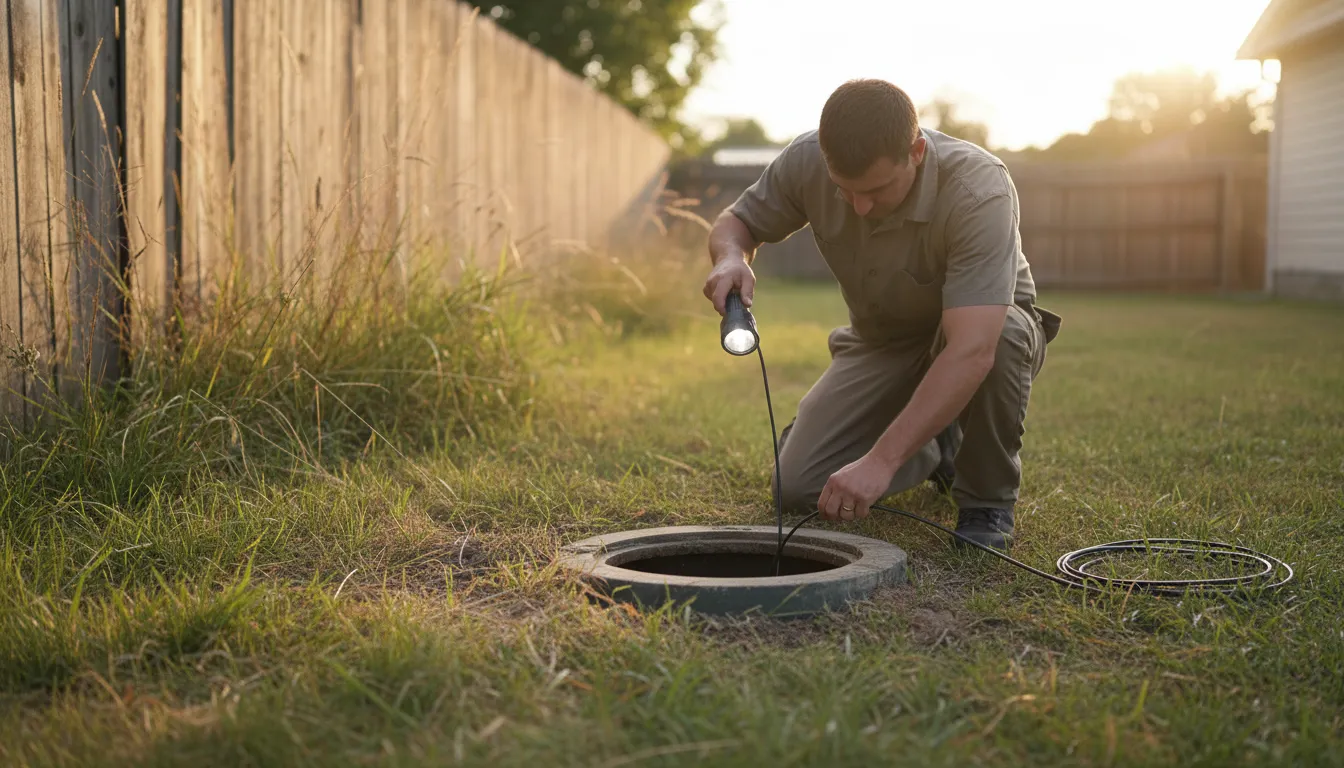
Find the Best Septic Tank Inspection Companies for Your Business
No obligation • Fast responses • Nationwide coverage

Why you can trust Septic Spot
Septic Spot is a leading United States resource for understanding and comparing septic services. Our editors review providers using consistent criteria and verify key business details. Listings and scores are independent, and companies cannot pay to influence our content.
Search providers near you
Top Septic Tank Inspection Companies in Medford, Massachusetts Ranked
A septic tank inspection is a professional evaluation of your on-site wastewater treatment system to ensure it is functioning properly and complies with state health and environmental regulations. In Massachusetts, these inspections are a critical part of property transactions and ongoing maintenance, governed by strict state codes known as Title 5. This guide explains the inspection process, requirements, and how to find qualified local professionals to assess your system.
Rooterman
67 Andover Rd, Billerica, MA 01821
Rooterman is a septic tank pumping, inspection, repair, and installation company serving Boston, MA. With over 50 years of experience since 1970, they provide residential and commercial septic services including certified Title V inspections and sewer and drain maintenance. Their team is licensed and insured, offering same-day service for most non-emergency issues and supporting property owners in maintaining safe and compliant septic systems.
Rosano Davis Sanitary Pumping Inc
9 Rocky Ln, Cohasset, MA 02025
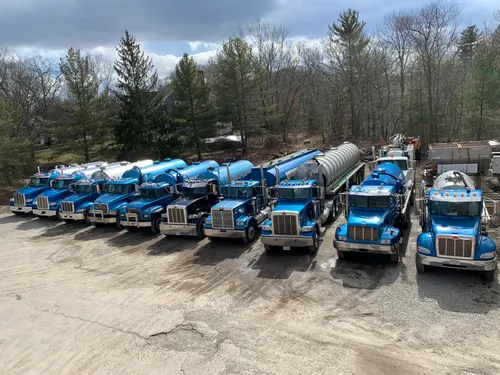
Rosano Davis Sanitary Pumping Inc is a family-owned septic system company serving Boston, MA. They provide a full range of services including septic system pumping, inspection, repair, and new system installation. Their capabilities include electronic locating of septic tanks and covers to minimize property disruption, as well as color video pipe inspection and high-pressure washing of leaching lines. The company manages all aspects of septic system installation, from excavation to landscaping, using their own equipment to ensure a complete service.

Title 5 Specialists
22 Taft St, Dorchester, MA 02125
Title 5 Specialists is a septic tank inspection company based in Boston, MA, providing Title V inspections throughout Eastern Massachusetts. They focus on delivering honest septic system inspections without conflicts of interest, as they do not design, repair, or install systems. Their inspectors aim to complete inspections quickly and cleanly while minimizing disruption to lawns and landscaping.
Northboro / Curtis Septic Service
124 Main St, Northborough, MA 01532
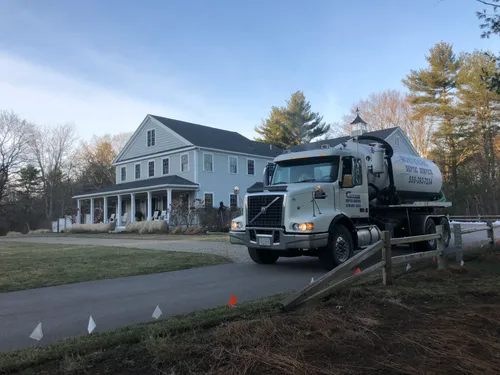
Northboro / Curtis Septic Service is a septic contractor based in Worcester, MA, offering a range of services including septic system installation, repair, pumping, cleaning, and maintenance for both residential and commercial clients. They also provide septic to town sewer conversions and Title 5 inspections across Worcester County and several surrounding counties. The company maintains strong relationships with local Boards of Health to ensure compliance and quality service.

Lakeside Sewerage Services Inc
780 N Bigelow St, Marlborough, MA 01752
Lakeside Sewerage Services Inc is a family and woman-owned business providing septic tank pumping and inspection services in Worcester, MA. Serving MetroWest and Central Massachusetts, they offer residential and commercial septic system maintenance, including licensed Title 5 inspections. Established in 1958, Lakeside Sewerage Services has over 60 years of experience in septic system cleaning and maintenance. They also provide emergency services to address urgent septic needs promptly.
Understanding Massachusetts Title 5 Regulations
Massachusetts has some of the most comprehensive septic system regulations in the country, known as Title 5 of the State Environmental Code (310 CMR 15.000). These rules are designed to protect public health and water quality by ensuring that over 650,000 on-site systems across the state operate safely. The Massachusetts Department of Environmental Protection (MassDEP) administers these regulations, but local Boards of Health are responsible for their enforcement.
The core principle of Title 5 is that a septic system is a component of a property, just like its roof or foundation, and must be evaluated for functionality. The inspection is not a simple visual check; it is a detailed process that requires exposing and assessing key components. Only inspectors approved by the MassDEP are legally authorized to conduct official Title 5 inspections for property transfer purposes.
When Is a Septic Inspection Required?
Knowing when you need a formal inspection is crucial for compliance and avoiding delays in real estate or renovation projects.
Mandatory Inspection Triggers:
- Property Sale or Transfer: This is the most common trigger. A valid Title 5 inspection certificate is required when selling a property served by a septic system. The inspection must have been completed within two years prior to the transfer.
- Change in Building Footprint: Any expansion of the house, such as adding a bedroom, deck, or garage, that alters the building's footprint typically requires a new inspection 1.
- Increased Design Flow: If you are increasing the system's capacity or changing its use (e.g., converting a single-family home to a multi-family), an inspection and potential upgrade are necessary.
- Board of Health Order: Local health agents can order an inspection if they suspect a system is failing or creating a nuisance.
- System Failure: If a system is suspected of failing, an inspection is the first step to diagnose the problem and determine necessary repairs.
Recommended Inspection Schedule: Even without a mandatory trigger, experts strongly recommend having your septic tank pumped and inspected every 3 to 5 years as part of routine maintenance 2. This proactive approach can identify minor issues before they become costly failures.
The Title 5 Inspection Process: Step-by-Step
A proper Title 5 inspection is a thorough, multi-step procedure conducted by a certified professional.
- Site Preparation: The inspector will locate all system components, including the septic tank, distribution box, and drain field. This often involves digging to expose manhole covers, inspection ports, and cleanouts 3.
- Tank Evaluation: The inspector will measure sludge and scum layers inside the tank to determine if pumping is needed. They will check the tank's structural integrity, baffles, and inlet/outlet tees for damage or blockages.
- Hydraulic Load Test: For conventional systems, this test involves running a significant amount of water (often 100+ gallons per minute) into the system to see if the drain field can accept the flow without surfacing or backing up. This simulates a heavy usage period 4.
- Component Check: The distribution box (if present) is examined for levelness and proper flow distribution to the drain field lines.
- Drain Field Assessment: The inspector looks for signs of failure, such as soggy soil, foul odors, or surfacing sewage above the leaching area.
- Reporting: The inspector completes a standardized "Form I: Inspection Form" and submits the results to the local Board of Health. The property owner receives a copy, which will state whether the system Passed, Conditionally Passed, or Failed.
Inspection Outcomes: Pass, Conditional Pass, and Failure
The inspection report will clearly state the system's status.
- Pass: The system complies with all Title 5 requirements. The certificate of compliance is valid for 2 years from the inspection date for property transfer. If the tank is pumped annually, the certificate can be valid for up to 3 years.
- Conditional Pass: This is given when a system is functionally adequate but requires specific, minor repairs or upgrades (e.g., replacing a damaged baffle or distribution box lid). The property transfer can proceed, but the new owner must complete the repairs within a specified time frame, often 30 to 60 days 5.
- Failure: A system fails if it poses a threat to public health or the environment, such as surfacing sewage, contaminating groundwater, or having a damaged tank. A failed system must be upgraded, repaired, or replaced, typically within 2 years of the inspection date. The property cannot be transferred without a variance or a binding contract for the repair.
Find the perfect septic tank inspection companies for your needs
Get personalized recommendations and expert advice
Costs and Considerations for Massachusetts Inspections
The cost of a Title 5 inspection in Massachusetts is influenced by system size, complexity, and property location.
- Standard Inspection: For a typical residential system, homeowners can expect to pay between $300 and $500 for a full Title 5 inspection 6.
- Factors Increasing Cost: Larger systems, systems with difficult access, those requiring extensive digging to locate components, or properties on the Cape and Islands may see higher fees.
- Additional Costs: The inspection fee usually does not include the cost of pumping the tank, which is an additional $300-$500. If the system fails, repair costs can range from a few hundred dollars for minor fixes to $12,000 or more for a complete system replacement 7.
It's important to get detailed quotes from several MassDEP-approved inspectors. Ensure the quote specifies what is included, such as the hydraulic load test and submission of paperwork to the Board of Health.
Special System Types and 2023 Regulation Updates
Massachusetts regulations account for different system technologies and are periodically updated.
- Shared Systems: Systems serving multiple properties (condominiums, shared drain fields) require inspection every 3 years.
- Large Systems: Systems designed for a flow of 10,000 to 15,000+ gallons per day have their own, more frequent inspection schedules mandated by the state 8.
- 2023 Nitrogen-Reducing Technology Requirements: A significant update took effect in July 2023. New construction or major expansions within state-designated Nitrogen Sensitive Areas (NSAs) and Watershed Permit Areas are now required to install Nitrogen-Reducing (NR) septic systems 9. These advanced systems use technology to significantly reduce nitrogen pollution, which is crucial for protecting coastal waters and estuaries on Cape Cod and elsewhere.
Finding a Qualified Inspector in Massachusetts
Your inspection is only as good as the inspector performing it. Always verify that a professional is on the current MassDEP list of approved Title 5 inspectors. You can find this list through the MassDEP website or by contacting your local Board of Health. Look for inspectors with extensive local experience, proper insurance, and clear communication about their process and fees. A reputable inspector will be able to explain each step of the procedure and what the potential outcomes mean for you as a homeowner or buyer.
Frequently asked questions
Sources
Footnotes
-
Title V - Septic Systems | Leominster, MA - https://www.leominster-ma.gov/294/Title-V---Septic-Systems ↩
-
Title 5/Septic Systems - Acton, MA - https://www.acton-ma.gov/DocumentCenter/View/882/Massachusetts-DEP-Title-5-FAQs ↩
-
Title V Inspections - Septic System Repairs - https://kjmdig.com/title-v-inspections/ ↩
-
Guidance for the Inspection of On-site Sewage Disposal Systems - https://www.mass.gov/guides/guidance-for-the-inspection-of-on-site-sewage-disposal-systems ↩
-
Massachusetts Title 5 Septic Rules - Martha's Vineyard Buyer Agents - https://www.mvbuyeragents.com/title-5-septic-systems-faq ↩
-
Title 5 Inspections | Hampden, MA - https://hampdenma.gov/175/Title-5-Inspections ↩
-
Title 5 Overview - https://www.townofgb.org/DocumentCenter/View/542/Title-5-Overview-PDF ↩
-
Buying or Selling Property with a Septic System - Mass.gov - https://www.mass.gov/guides/buying-or-selling-property-with-a-septic-system ↩
-
2023 Title 5 Regulation Changes - Barnstable County - https://www.capecod.gov/departments/masstc/learn/homeowner-resources/2023-title-5-regulation-changes/ ↩