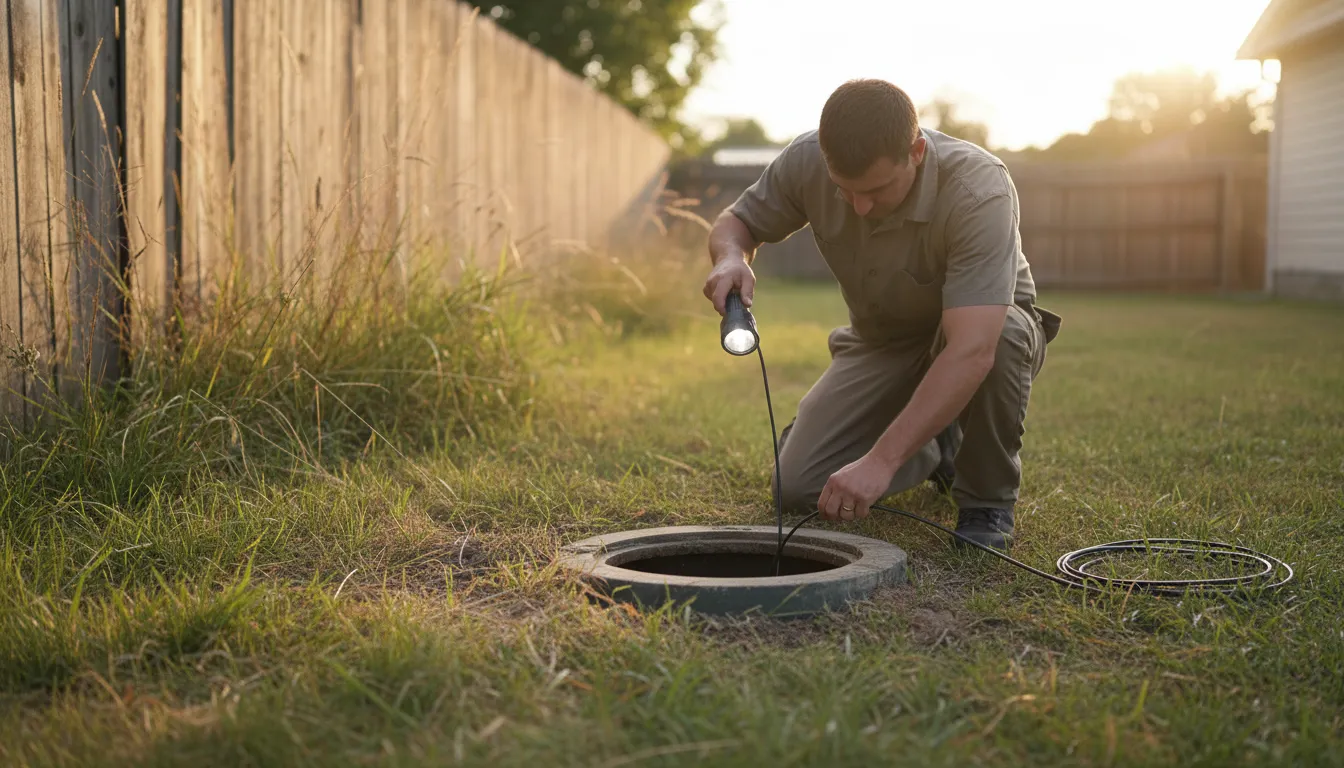
Find the Best Septic Tank Inspection Companies for Your Business
No obligation • Fast responses • Nationwide coverage

Why you can trust Septic Spot
Septic Spot is a leading United States resource for understanding and comparing septic services. Our editors review providers using consistent criteria and verify key business details. Listings and scores are independent, and companies cannot pay to influence our content.
Search providers near you
Top Septic Tank Inspection Companies in Newton, Massachusetts Ranked
A septic tank inspection is a critical evaluation of your onsite wastewater system, ensuring it functions safely and complies with local health regulations. In Newton, these assessments are especially important due to strict state and local codes designed to protect public health and the environment. This guide explains the process, requirements, and local considerations for septic system evaluations, helping you connect with qualified professionals to maintain your property's value and safety.
Rooterman
67 Andover Rd, Billerica, MA 01821
Rooterman is a septic tank pumping, inspection, repair, and installation company serving Boston, MA. With over 50 years of experience since 1970, they provide residential and commercial septic services including certified Title V inspections and sewer and drain maintenance. Their team is licensed and insured, offering same-day service for most non-emergency issues and supporting property owners in maintaining safe and compliant septic systems.
Rosano Davis Sanitary Pumping Inc
9 Rocky Ln, Cohasset, MA 02025
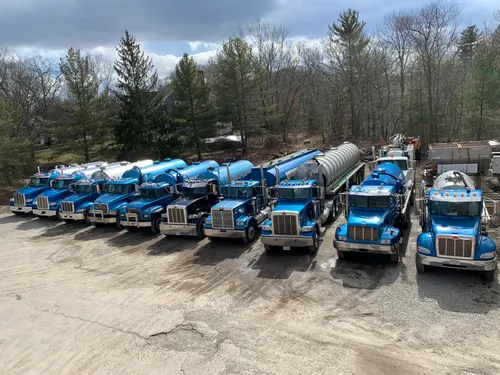
Rosano Davis Sanitary Pumping Inc is a family-owned septic system company serving Boston, MA. They provide a full range of services including septic system pumping, inspection, repair, and new system installation. Their capabilities include electronic locating of septic tanks and covers to minimize property disruption, as well as color video pipe inspection and high-pressure washing of leaching lines. The company manages all aspects of septic system installation, from excavation to landscaping, using their own equipment to ensure a complete service.

Title 5 Specialists
22 Taft St, Dorchester, MA 02125
Title 5 Specialists is a septic tank inspection company based in Boston, MA, providing Title V inspections throughout Eastern Massachusetts. They focus on delivering honest septic system inspections without conflicts of interest, as they do not design, repair, or install systems. Their inspectors aim to complete inspections quickly and cleanly while minimizing disruption to lawns and landscaping.
Northboro / Curtis Septic Service
124 Main St, Northborough, MA 01532
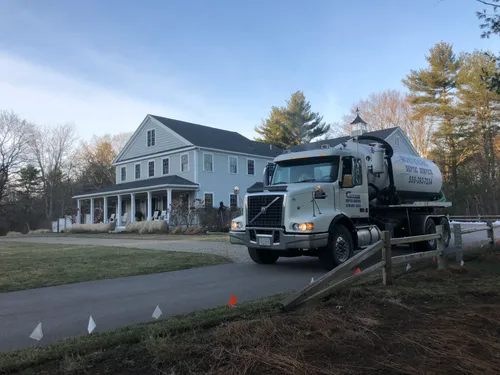
Northboro / Curtis Septic Service is a septic contractor based in Worcester, MA, offering a range of services including septic system installation, repair, pumping, cleaning, and maintenance for both residential and commercial clients. They also provide septic to town sewer conversions and Title 5 inspections across Worcester County and several surrounding counties. The company maintains strong relationships with local Boards of Health to ensure compliance and quality service.
Chase Harris Septic Services
85 Dudley Rd, Sutton, MA 01590
Chase Harris Septic Services is a family-owned business providing septic system maintenance, repair, installation, and inspection services in Worcester, MA. With decades of experience, they serve residential and commercial clients, offering comprehensive septic pumping, Title 5 inspections, and grease trap cleaning. Their team also handles excavation and site preparation to ensure proper system installation and repair. Chase Harris Septic Services is known for meeting local codes and regulations, including Title 5 compliance, and uses advanced equipment to maintain system efficiency and safety.
Understanding Title 5: Newton's Septic Inspection Standard
In Massachusetts, a septic system inspection is governed by the state's Title 5 regulations. For Newton homeowners, this isn't just a recommendation-it's a legal requirement for certain property transactions. A Title 5 inspection is a comprehensive evaluation performed by a state-certified inspector to determine if your septic system is functioning properly or is in a state of failure.
The Newton Health Department enforces these regulations in accordance with standards set by the Massachusetts Department of Environmental Protection (MassDEP). The goal is to prevent groundwater contamination and public health hazards. When you schedule a system assessment, you are ensuring your property meets these vital safety benchmarks.
When Is a Septic Inspection Required?
Knowing when you need a professional system evaluation can save you from legal and financial complications. In Newton, inspections are mandatory in the following scenarios:
- Property Transfer: A passing Title 5 inspection is required within two years prior to the sale of a home. This is one of the most common triggers for an inspection.
- Change of Property Use: If you are significantly altering how the property is used (e.g., converting a single-family home into a multi-unit dwelling), an inspection is typically required.
- Structural Changes: Major additions to the home that increase the number of bedrooms or otherwise impact wastewater flow can necessitate a new inspection.
- Suspected System Failure: Signs like slow drains, sewage odors, or soggy areas in the leach field are clear indicators that an inspection is urgently needed.
A passing inspection report is generally valid for two years. However, if the system is pumped annually and records are provided, the validity can be extended to three years.
The Septic Inspection Process: Step-by-Step
A thorough septic system evaluation is a detailed process. Understanding what the inspector will do can help you prepare your property and know what to expect.
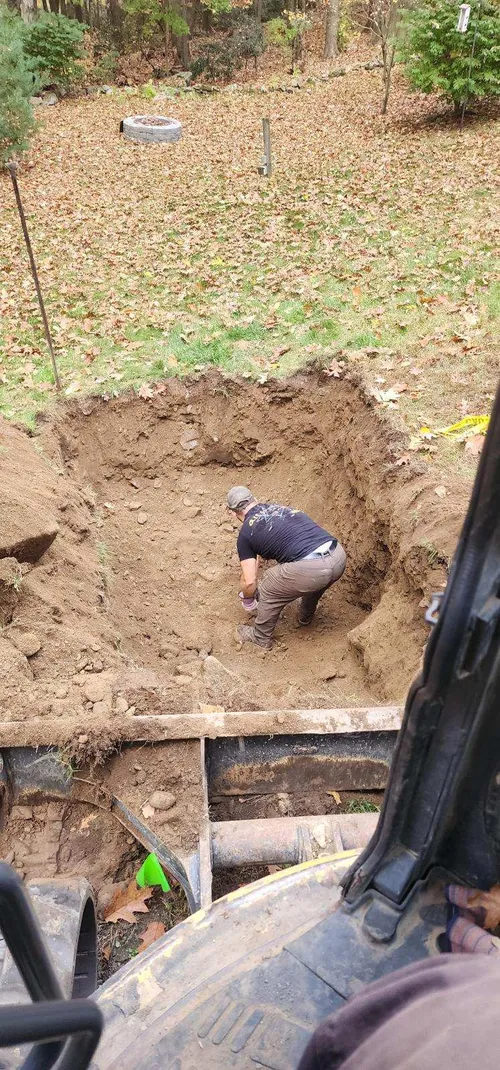
1. Locating & Excavation The inspector first locates all system components: the septic tank, distribution box, and leach field. They will then excavate the soil over the tank's access covers and the distribution box, typically digging an area of about 3 feet by 4 feet and 3 feet deep to allow for a complete visual assessment.
2. Tank Assessment Once opened, the tank is checked for structural integrity. The inspector looks for cracks, decay, root intrusion, and assesses the liquid and scum levels. Proper baffles at the inlet and outlet are crucial for preventing solids from entering the drain field and are carefully examined 1.
3. Flow Test & Hydraulic Load Water is run in the house to simulate normal use. The inspector monitors the system for any backflow into the home, sluggish drainage, or surfacing effluent in the yard. This "flow test" checks the system's capacity to handle a hydraulic load 2.
4. Leach Field Evaluation The inspector visually surveys the leach field (also called a leaching area or drain field) for signs of failure. This includes looking for surfacing sewage, overly lush vegetation, or ponding wastewater-all indicators that the soil is no longer properly absorbing and filtering the effluent 3.
5. Reporting & Submission Within 30 days of the inspection, the certified professional must submit the official report to the Newton Board of Health. The system will receive one of three determinations: Pass, Conditional Pass (requires minor repairs), or Fail. In the case of a failure, the system must be repaired or replaced within two years.
Costs and the Role of Pumping
The cost for a Title 5 septic inspection in Newton typically ranges from $400 to $8004. It's important to note that this is for the inspection itself. Pumping is a separate but often related service. While not always mandatory for a septic tank inspection, most inspectors strongly recommend it to allow for a thorough internal assessment of the tank's walls and baffles. Pumping costs an additional $200 to $300, depending on tank size 4.
For cesspools, pumping is required during the inspection. Even outside of an inspection, the U.S. Environmental Protection Agency recommends routine septic tank pumping every 3 to 5 years as essential preventative maintenance to extend the life of your entire system 5.
Find the perfect septic tank inspection companies for your needs
Get personalized recommendations and expert advice
What Happens If Your System Fails?
Receiving a "Failed" result on your Title 5 inspection report is a serious matter, but it comes with a clear path forward. Massachusetts law requires that a failed system be repaired or replaced within two years of the inspection date 6. The Newton Health Department must approve any repair or replacement plan.
Working with a qualified septic professional is crucial to navigate the design, permitting, and installation process for a new system or major repair. Addressing a failure promptly protects your property value, prevents environmental contamination, and ensures the health and safety of your household and community.
Choosing a Certified Septic Inspector in Newton
Not all plumbers or contractors are qualified to perform official Title 5 inspections. You must hire a professional who is specifically certified by the state of Massachusetts to conduct these evaluations 7. When searching for a provider, verify their certification and ask about their experience with Newton's specific soil conditions and local health department procedures.
A reliable inspector will be transparent about their process, explain what they are looking for, and provide a clear breakdown of costs for both the inspection and any recommended pumping. They should also be willing to walk you through the report findings and discuss next steps if any issues are uncovered.
Maintaining Your System Between Inspections
Proactive care is the best way to avoid a costly failure. Beyond regular pumping, you can maintain your septic system by:
- Conserving water to reduce hydraulic load on the drain field.
- Avoiding flushing non-biodegradable items (wipes, feminine products, grease).
- Keeping heavy vehicles and structures off the leach field area.
- Diverting roof drains and surface water away from the system.
- Using septic-safe cleaning and personal care products.
Regular maintenance not only keeps your system functioning smoothly but can also provide documentation that may extend the validity of a future inspection report.
Frequently asked questions
Sources
Footnotes
-
Septic Inspection Massachusetts - https://sherwoodinspection.com/septic-inspection-massachusetts/ ↩
-
Septic Inspection Process: What Homeowners Should Know | LunsPro - https://www.lunspro.com/vlog/the-septic-system-inspection-process-what-homeowners-should-know ↩
-
The Complete Guide to Massachusetts Title 5 Inspection - https://allclearseptic.com/the-complete-guide-to-massachusetts-title-5-inspection/ ↩
-
Title 5 septic system regulations - State Library of Massachusetts - https://archives.lib.state.ma.us/server/api/core/bitstreams/1a084553-08d1-43c2-a060-9daa614dbace/content ↩ ↩2
-
Frequent Questions on Septic Systems | US EPA - https://www.epa.gov/septic/frequent-questions-septic-systems ↩
-
Consumer Protection Tips: Septic System Inspections and Repairs - https://www.mass.gov/guides/consumer-protection-tips-septic-system-inspections-and-repairs ↩
-
What is a Title 5 Septic Inspection? When Do You Need One? - https://www.upnest.com/post/title-5-inspection/ ↩