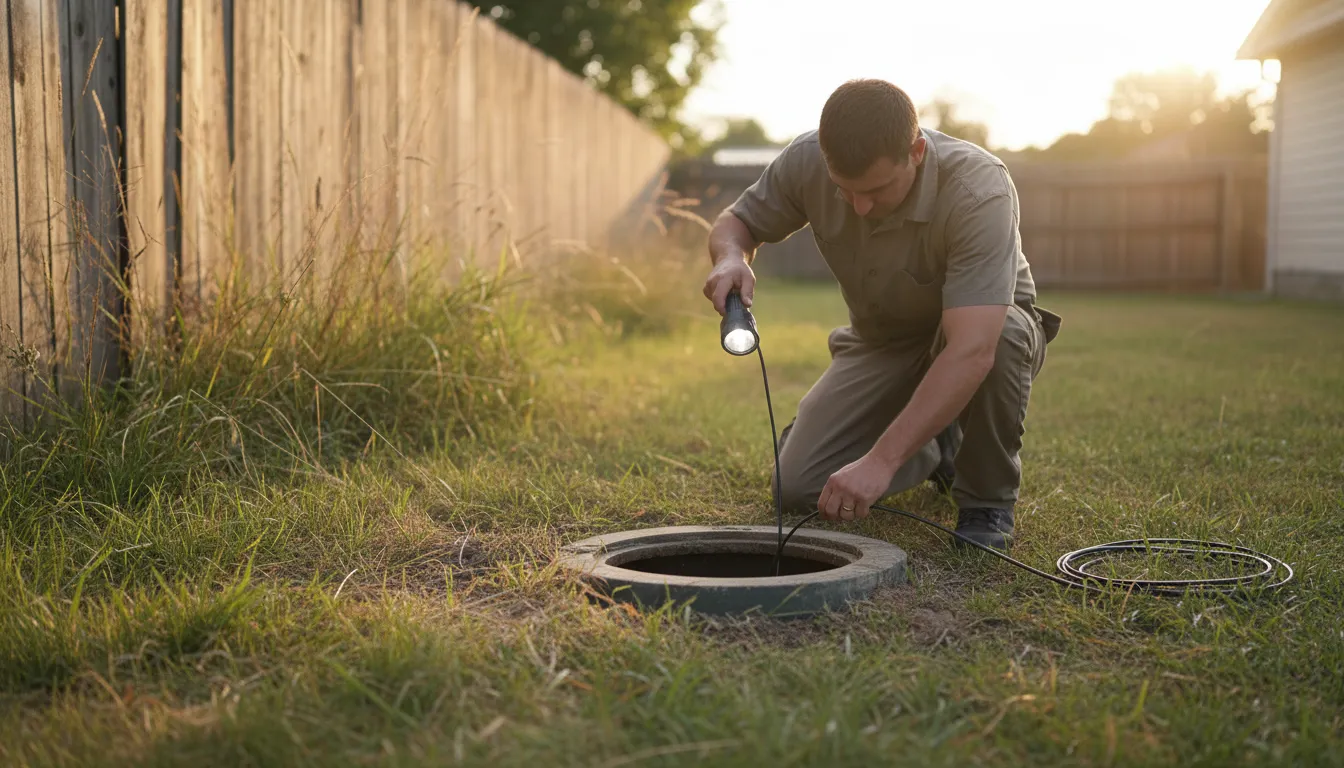
Find the Best Septic Tank Inspection Companies for Your Business
No obligation • Fast responses • Nationwide coverage

Why you can trust Septic Spot
Septic Spot is a leading United States resource for understanding and comparing septic services. Our editors review providers using consistent criteria and verify key business details. Listings and scores are independent, and companies cannot pay to influence our content.
Search providers near you
Top Septic Tank Inspection Companies in Bloomington, Minnesota Ranked
A septic tank inspection is a critical evaluation of your home's onsite wastewater treatment system, conducted by a licensed professional. In Bloomington, these assessments are not just a good idea-they are a state-mandated requirement to protect public health and local groundwater. This process ensures your system is structurally sound, functioning properly, and in compliance with Minnesota Pollution Control Agency (MPCA) rules. For homeowners, understanding the inspection process helps you maintain your property, prepare for a sale, and find qualified local professionals to perform this essential service.
Alto Sewer Service - MN Drain Cleaning Company
1019 Concord St N, South St Paul, MN 55075
Alto Sewer Service - MN Drain Cleaning Company is based in Minneapolis, MN, providing commercial and residential septic tank pumping and inspection services. Established in 1965, the company offers a range of services including water jetting, video inspections, pipe locating, steam thawing, and septic maintenance. They serve the Twin Cities Metro area with expertise in handling clogged plumbing and septic system needs. Alto Sewer Service operates 24 hours a day, 364 days a year, offering after-hours availability for urgent situations.
Alto Sewer & Drain Cleaning Services
Minneapolis, MN
Alto Sewer & Drain Cleaning Services is a full-service company based in Minneapolis, MN, specializing in septic tank pumping, inspection, and comprehensive drain and sewer cleaning. They offer services such as hydro-jetting, video inspections to diagnose pipe issues, commercial pumping, and frozen pipe thawing. Their licensed and bonded septic maintenance supports subsurface sewage treatment systems. Alto Sewer focuses on preventing blockages and maintaining system longevity through routine cleaning and professional care.
Why Septic System Inspections Are Required in Bloomington
Bloomington, like all of Minnesota, operates under strict state regulations for Subsurface Sewage Treatment Systems (SSTS). The primary goal is to prevent groundwater contamination, which is a significant concern for environmental and public health. State rules mandate that every septic system be inspected at least once every three years by a state-certified inspector or maintenance provider 1. Local ordinances in Bloomington may adopt even more stringent requirements, so checking with the city's building department is always recommended for the most current rules 2.
Beyond routine maintenance, a compliance inspection is almost always required when you sell your home. This ensures the system does not pose an "Imminent Threat to Public Health or Safety" (ITPHS) or a "Failure to Protect Groundwater" (FTPGW) before the property changes hands. The validity of a compliance inspection certificate can last for up to three years, providing crucial documentation for real estate transactions 3.
What a Professional Inspection Involves
A thorough septic system evaluation is more than a quick look. A standard compliance inspection is a multi-step process designed to assess every critical component.
Tank Pumping and Access: To properly inspect the tank itself, it must be pumped empty. This allows the inspector to examine the interior for structural issues. Pumping is typically a separate service performed by a licensed maintainer and is a prerequisite for a complete assessment.
Structural Integrity Check: Once the tank is empty, the inspector looks for cracks, leaks, and corrosion in the tank walls and lid. They also check the inlet and outlet baffles to ensure they are intact and functioning correctly, which is vital for preventing solids from escaping into the drainfield 4 5.
Drainfield Assessment: The inspector evaluates the soil treatment area, or drainfield, for signs of failure. Key indicators include soggy ground or surfacing effluent, which signal that the system is overloaded or clogged and not properly treating wastewater 6.
System Compliance Review: The inspector determines if the system's design and current condition meet state standards. They will classify the system as compliant or non-compliant, noting any deficiencies that need correction, such as an outdated system or improper setbacks from wells or property lines 7.
Final Documentation: You will receive a detailed report outlining the findings. This report is the official record of your system's status and is necessary for proving compliance with MPCA regulations.
Understanding Inspection and Service Costs
The cost of a septic inspection in Bloomington can vary based on the system's size, complexity, and accessibility. For a standard compliance inspection (which requires the tank to already be pumped), homeowners can expect to pay between $300 and $800.
It's important to note that the pumping service itself is usually a separate fee. Pumping costs typically range from $250 to $500, depending on tank size and location 8 9. Many licensed providers offer bundled packages for inspection and pumping, which can be more convenient and sometimes more cost-effective. Always confirm what is included in a quoted price.
Find the perfect septic tank inspection companies for your needs
Get personalized recommendations and expert advice
The Role of Licensed Professionals
In Minnesota, only individuals certified by the MPCA are authorized to perform septic system inspections and pumping 10. Hiring a certified professional is non-negotiable for a valid compliance inspection. These experts have the training to identify subtle signs of system distress and understand the complex state and local codes that govern SSTS in Bloomington.
When selecting a provider, verify their state certification. A qualified inspector or maintainer will be familiar with Bloomington's specific conditions and can provide accurate advice on maintenance schedules, potential repairs, and the paperwork required for real estate transactions.
Maintenance Beyond the Inspection
Regular inspections are a cornerstone of septic system care, but proactive maintenance extends their lifespan. Adhering to the three-year inspection and pumping schedule is the best practice, though some systems may require more frequent service depending on household size and usage 11.
Between inspections, homeowners should be mindful of what goes into the system. Avoid flushing non-biodegradable items, excessive use of garbage disposals, and pouring grease or harsh chemicals down drains. Conserving water and diverting rainwater drainage away from the drainfield also reduces strain on the system.
Navigating a System Failure or Non-Compliance
If an inspection reveals your system is non-compliant or failing, prompt action is required. Issues can range from minor repairs, like replacing a baffle, to major undertakings like a drainfield replacement or full system upgrade. Your inspection report and the licensed professional who created it can guide you on the necessary steps and likely costs involved. Addressing problems quickly is essential to restoring compliance, protecting your property value, and safeguarding the environment.
Frequently asked questions
Sources
Footnotes
-
Septic Systems | Lino Lakes, MN - https://linolakes.us/188/Septic-Systems ↩
-
Septic systems | Minnesota Pollution Control Agency - https://www.pca.state.mn.us/business-with-us/septic-systems ↩
-
SSTS Rule Update: Septic Tanks Need To Be Pumped Complete ... - https://www.mnrealtor.com/blogs/mnr-news1/2021/01/08/ssts-rule-change ↩
-
SSTS inspections - Minnesota Pollution Control Agency - https://www.pca.state.mn.us/business-with-us/ssts-inspections ↩
-
The Septic System Quagmire: Septic System Regulation in Minnesota - Barna, Guzy & Steffen, LTD. - https://www.bgs.com/blog/2013/09/16/the-septic-system-quagmire-septic-system-regulation-in-minnesota/ ↩
-
Compliance inspections for subsurface sewage treatment systems - https://www.pca.state.mn.us/sites/default/files/wq-wwists4-39.pdf ↩
-
🏡 Selling Your Home, with a Septic System in Minnesota: What You Need to Know - https://www.septiccheck.com/post/selling-your-home-with-a-septic-system-in-minnesota-what-you-need-to-know ↩
-
Understanding the Costs: Septic Inspection and Repair in ... - https://mikesseptic.com/2025/07/understanding-the-costs-septic-inspection-and-repair-in-bloomington-mn/ ↩
-
Septic Tank Pumping Cost & Maintenance | Reliable Plumbing Services - https://www.benjaminfranklinplumbing.com/league-city/blog/2025/february/how-much-does-it-cost-to-pump-a-septic-tank-essential-budget-guide/ ↩
-
SSTS service and maintenance - Minnesota Pollution Control Agency - https://www.pca.state.mn.us/business-with-us/ssts-service-and-maintenance ↩
-
How Often Should You Pump Your Septic Tank: 3 Factors Solved - https://www.frasiers.com/blog/sewage-tank-pump-frequency/ ↩