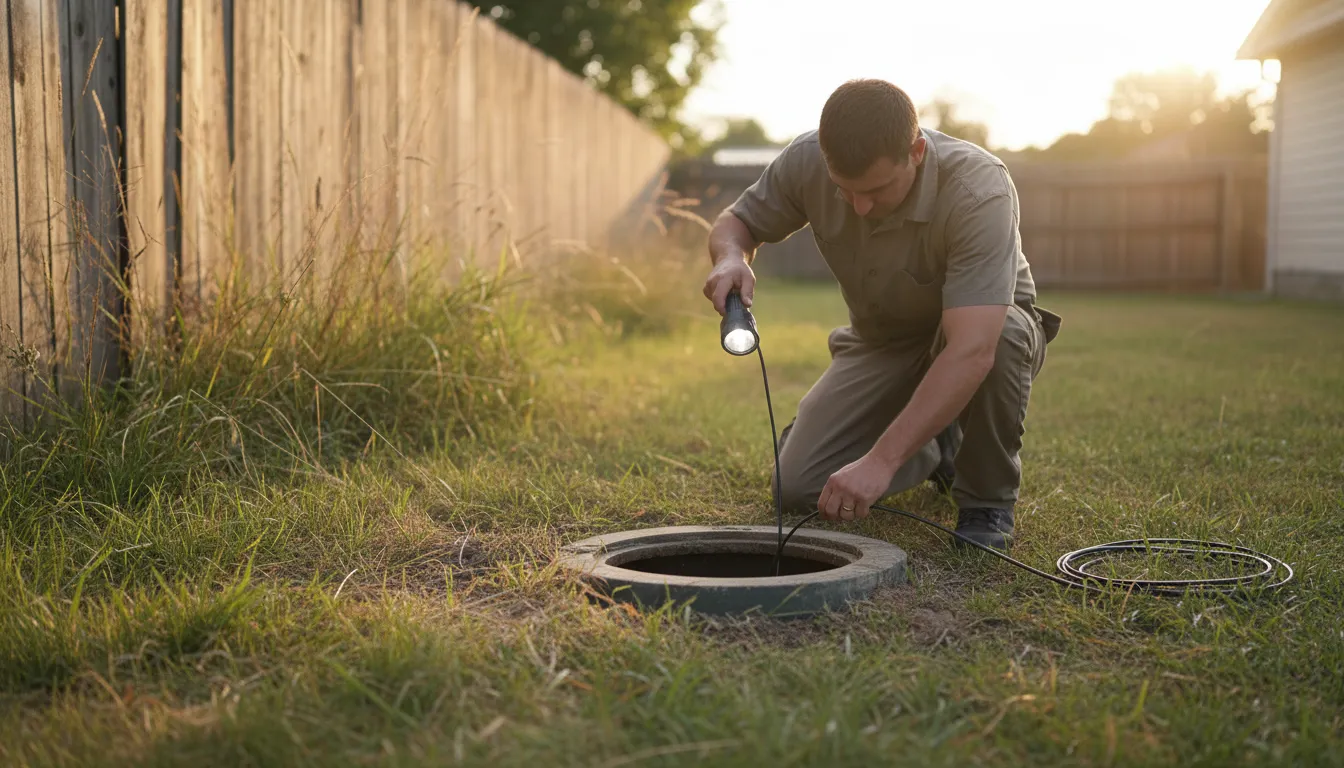
Find the Best Septic Tank Inspection Companies for Your Business
No obligation • Fast responses • Nationwide coverage

Why you can trust Septic Spot
Septic Spot is a leading United States resource for understanding and comparing septic services. Our editors review providers using consistent criteria and verify key business details. Listings and scores are independent, and companies cannot pay to influence our content.
Search providers near you
Top Septic Tank Inspection Companies in Minneapolis, Minnesota Ranked
A septic tank inspection is a professional assessment of your onsite wastewater treatment system to ensure it is functioning properly and complies with state and local health regulations. This process is critical for protecting your property value, preventing environmental contamination, and safeguarding public health. For Minneapolis homeowners, navigating the specific requirements can be complex, but connecting with a qualified, licensed local inspector is the first step toward ensuring your system's compliance and longevity.
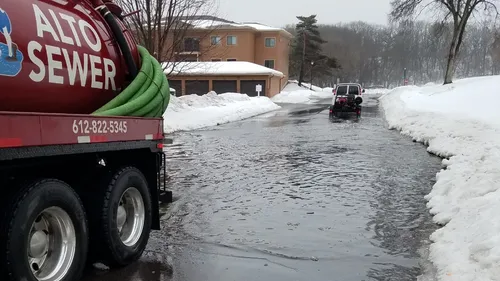
Alto Sewer Service - MN Drain Cleaning Company
1019 Concord St N, South St Paul, MN 55075
Alto Sewer Service - MN Drain Cleaning Company is based in Minneapolis, MN, providing commercial and residential septic tank pumping and inspection services. Established in 1965, the company offers a range of services including water jetting, video inspections, pipe locating, steam thawing, and septic maintenance. They serve the Twin Cities Metro area with expertise in handling clogged plumbing and septic system needs. Alto Sewer Service operates 24 hours a day, 364 days a year, offering after-hours availability for urgent situations.
Alto Sewer & Drain Cleaning Services
Minneapolis, MN
Alto Sewer & Drain Cleaning Services is a full-service company based in Minneapolis, MN, specializing in septic tank pumping, inspection, and comprehensive drain and sewer cleaning. They offer services such as hydro-jetting, video inspections to diagnose pipe issues, commercial pumping, and frozen pipe thawing. Their licensed and bonded septic maintenance supports subsurface sewage treatment systems. Alto Sewer focuses on preventing blockages and maintaining system longevity through routine cleaning and professional care.
Understanding Septic System Evaluations in Minnesota
In Minnesota, septic system inspections are not merely a suggestion; they are a regulated component of property ownership governed by state rules. The Minnesota Pollution Control Agency (MPCA) oversees these regulations under Chapters 7080-7083, which set the standards for system design, maintenance, and inspection. The goal is to prevent system failures that can lead to groundwater pollution, which is a significant concern for both rural and suburban communities in the Twin Cities metro area.
A professional septic system assessment involves much more than a visual check. It is a comprehensive process where a licensed inspector evaluates the entire system, from the tank to the drain field. For homeowners, this evaluation provides a clear snapshot of their system's health and identifies potential issues before they become expensive, hazardous failures. Regular inspections are a cornerstone of responsible septic system stewardship.
When is a Septic Inspection Required in Minneapolis?
Understanding the triggers for a mandatory inspection can help you plan and avoid legal or financial pitfalls. The requirements can vary slightly by county and city within the metro, but state rules provide a clear framework.
- Property Transfer: One of the most common reasons for a septic tank check is the sale of a home. Many local jurisdictions in the Minneapolis area require a current Certificate of Compliance before a property with a septic system can be legally transferred. This certificate, issued by an MPCA-licensed professional, verifies the system is in compliance with state standards.
- Building Permits: If you are applying for a permit to build an addition, modify your home, or increase the potential wastewater flow, the local permitting office (such as Minneapolis Development Review) will likely require an inspection of your existing septic system.
- Periodic Maintenance Inspections: Even without a property transaction, state and local ordinances often mandate routine septic system evaluations. For existing systems, a Compliance Certificate is typically valid for three years, meaning an inspection is required at least that often. For new systems, the certificate may be valid for five years.
- Suspected System Failure: Signs like slow drains, sewage backups, soggy ground or foul odors in your yard, or unusually lush grass over the drain field are clear indicators that a professional diagnostic inspection is urgently needed.
What Does a Professional Inspection Involve?
A thorough septic system diagnostic follows a standardized procedure to ensure no component is overlooked. Here is what you can expect when a licensed inspector arrives at your Minneapolis home:
- Pumping the Tank: This is a non-negotiable first step. The tank must be completely pumped empty to allow the inspector to examine the interior walls, inlet and outlet pipes, and baffles for structural integrity. You cannot properly inspect a full tank.
- Structural Integrity Check: The inspector will look for cracks, leaks, corrosion, or deterioration in the tank itself. This is crucial for preventing untreated wastewater from escaping into the surrounding soil.
- Component Evaluation: Key components like baffles (which prevent scum and sludge from exiting the tank) and effluent filters (if present) are checked for damage or blockages. For systems with pumps or alarms, these mechanical parts are tested for proper operation 1.
- Drain Field Assessment: The inspector evaluates the absorption area, or drain field, for signs of hydraulic failure. This includes checking for surfacing sewage, soggy soil, or standing water, which indicate the soil is no longer absorbing liquid properly 2.
- Reporting and Certification: After the evaluation, the inspector provides a detailed report of their findings. If the system is compliant, they will issue a Certificate of Compliance to the homeowner, which must often be submitted to the local government unit 3.
The Importance of Using an MPCA-Licensed Inspector
In Minnesota, septic system inspections must be performed by professionals certified by the MPCA. This licensure ensures the individual has the required training and follows state-mandated protocols. Hiring an unlicensed person for a compliance inspection is not only against the rules but also risks an invalid report that won't be accepted by local authorities during a property sale or permit application 4 5.
Licensed inspectors and maintainers understand the nuances of Minnesota's rules and the specific requirements that may apply in Hennepin, Ramsey, or your particular county. They are your assurance that the inspection will be done correctly and that any findings or certifications will be legally recognized.
Cost of Septic Inspections in the Twin Cities
The price for a septic tank evaluation in Minneapolis and surrounding communities typically ranges from $300 to $800 6 7. This cost usually includes the mandatory pumping of the tank. Several factors influence the final price:
- Tank Size and Accessibility: Larger tanks or those with difficult access may cost more to pump and inspect.
- System Complexity: A standard gravity-fed system is generally less expensive to inspect than a system with a pump, mound, or other advanced treatment components.
- Scope of Service: A basic compliance inspection differs from a more in-depth inspection triggered by suspected problems, which may involve additional diagnostic work.
While this is an upfront cost, it is a proactive investment. Identifying a minor issue like a broken baffle during an inspection can prevent a catastrophic drain field failure later, saving you tens of thousands of dollars in excavation and replacement costs.
Find the perfect septic tank inspection companies for your needs
Get personalized recommendations and expert advice
Maintaining Your System Between Inspections
A successful inspection starts with good daily and annual maintenance habits. You are the first line of defense for your septic system's health.
- Mind What You Flush: Only human waste and toilet paper should go down the drain. Avoid flushing wipes (even "flushable" ones), feminine hygiene products, cooking grease, and chemicals, which can clog pipes and disrupt the bacterial balance in the tank.
- Conserve Water: Excessive water flow can overwhelm the system. Spread out laundry loads, fix leaky faucets promptly, and consider installing water-efficient fixtures.
- Protect the Drain Field: Never drive or park vehicles over the drain field, as this compacts the soil. Avoid planting trees or deep-rooted shrubs nearby, and keep roof drains and sump pump discharges away from the area.
- Pump Regularly: Even outside of inspections, tanks need to be pumped every 3-5 years, depending on household size and usage, to remove accumulated solids and prevent them from flowing into and clogging the drain field.
Navigating Local Requirements
While state rules provide the baseline, local cities and counties in the Minneapolis metro area can have additional ordinances. For example, the City of Lino Lakes has specific information and requirements for homeowners 8. It is always advisable to check with your local city hall or environmental health department to understand any specific inspection triggers, reporting procedures, or fees that apply to your property. A simple call to your local permitting office can clarify whether an inspection is needed for your planned home project or property sale.
Frequently asked questions
Sources
Footnotes
-
Compliance Inspection - Northland Septic Maintenance - https://www.northlandseptic.com/our-services/compliance-inspection/ ↩
-
Septic System Inspections in Willmar and Central Minnesota - https://www.propertyinspectionsinc.com/septic-inspection ↩
-
Local septic system programs | Minnesota Pollution Control Agency - https://www.pca.state.mn.us/business-with-us/local-septic-system-programs ↩
-
Selling Your Home, with a Septic System in Minnesota - https://www.septiccheck.com/post/selling-your-home-with-a-septic-system-in-minnesota-what-you-need-to-know ↩
-
Septic systems | Minnesota Pollution Control Agency - https://www.pca.state.mn.us/business-with-us/septic-systems ↩
-
Understanding the Costs: Septic Inspection and Repair in ... - https://mikesseptic.com/2025/07/understanding-the-costs-septic-inspection-and-repair-in-bloomington-mn/ ↩
-
Minnesota Septic Inspection Rule | Jack Chivers Realty - https://www.jackchiversrealty.com/news/2021/01/13/new-minnesota-septic-rule ↩
-
Septic Systems | Lino Lakes, MN - https://linolakes.us/188/Septic-Systems ↩