Find the Best Septic Tank Inspection Companies for Your Business
No obligation • Fast responses • Nationwide coverage

Why you can trust Septic Spot
Septic Spot is a leading United States resource for understanding and comparing septic services. Our editors review providers using consistent criteria and verify key business details. Listings and scores are independent, and companies cannot pay to influence our content.
Search providers near you
Top Septic Tank Inspection Companies in Brooklyn Park, Minnesota Ranked
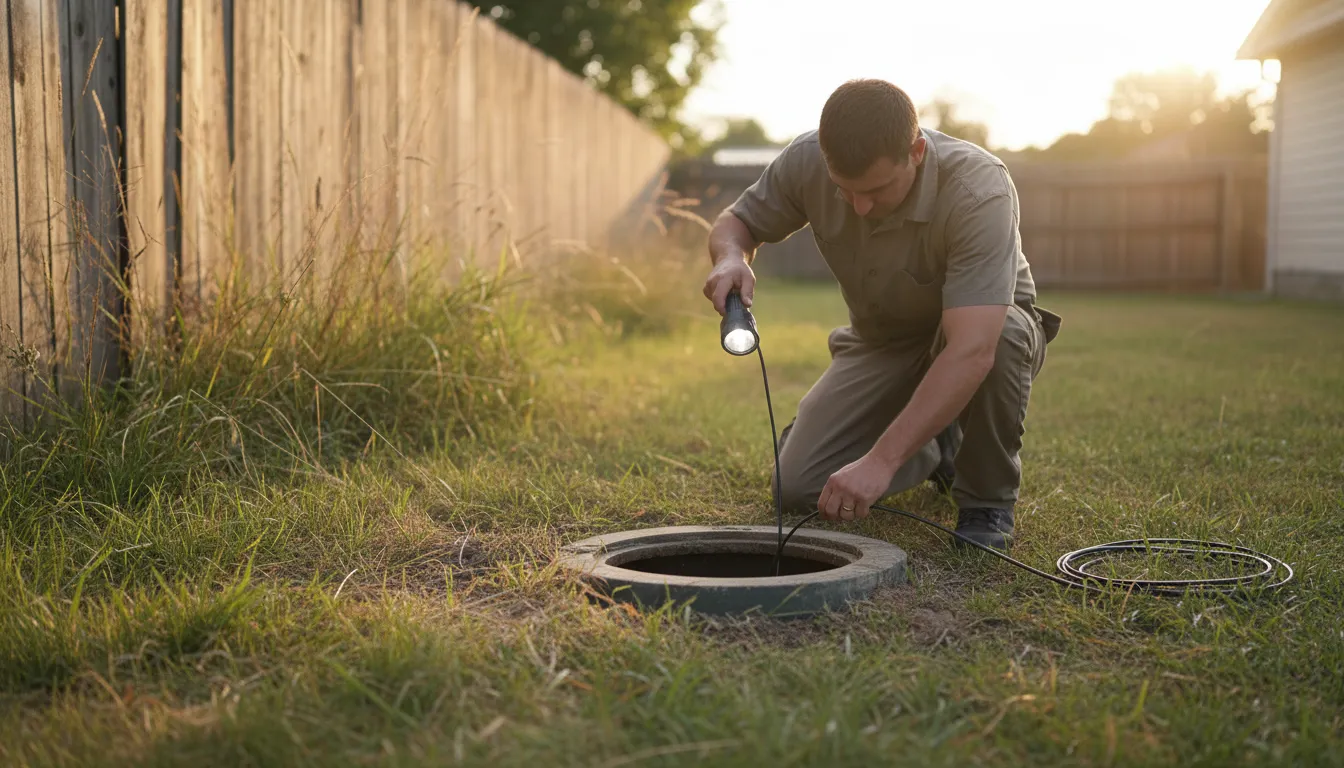
A septic tank inspection is a critical evaluation of your private wastewater treatment system, ensuring it functions safely and complies with state health and environmental regulations. For homeowners in Brooklyn Park, these assessments are not just about maintenance-they are a legal requirement tied to property transfers and routine upkeep. This guide explains the inspection process, local rules, and how to connect with licensed professionals who can perform this essential service for your home.
Alto Sewer Service - MN Drain Cleaning Company
1019 Concord St N, South St Paul, MN 55075
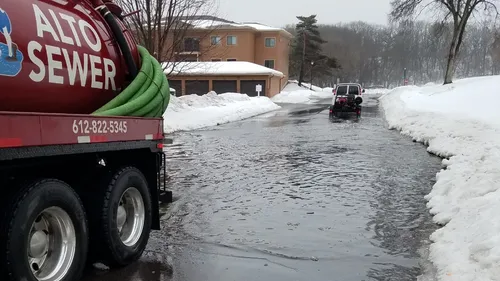
Alto Sewer Service - MN Drain Cleaning Company is based in Minneapolis, MN, providing commercial and residential septic tank pumping and inspection services. Established in 1965, the company offers a range of services including water jetting, video inspections, pipe locating, steam thawing, and septic maintenance. They serve the Twin Cities Metro area with expertise in handling clogged plumbing and septic system needs. Alto Sewer Service operates 24 hours a day, 364 days a year, offering after-hours availability for urgent situations.
Alto Sewer & Drain Cleaning Services
Minneapolis, MN
Alto Sewer & Drain Cleaning Services is a full-service company based in Minneapolis, MN, specializing in septic tank pumping, inspection, and comprehensive drain and sewer cleaning. They offer services such as hydro-jetting, video inspections to diagnose pipe issues, commercial pumping, and frozen pipe thawing. Their licensed and bonded septic maintenance supports subsurface sewage treatment systems. Alto Sewer focuses on preventing blockages and maintaining system longevity through routine cleaning and professional care.
Understanding Septic System Inspections in Minnesota
In Minnesota, a septic system inspection is a formal process conducted by a state-licensed professional. It's designed to evaluate the entire Subsurface Sewage Treatment System (SSTS), from the tank to the soil treatment area (drainfield). The goal is to protect public health and water quality by identifying failures before they cause contamination. For Brooklyn Park residents, this process is governed by the Minnesota Pollution Control Agency (MPCA), which sets stringent standards for system performance and maintenance.
While Brooklyn Park is a largely developed suburban city with extensive municipal sewer service, there are still properties that rely on private septic systems. If your home is one of them, understanding and adhering to these regulations is your responsibility as a property owner. Regular system evaluations help prevent costly emergencies, environmental damage, and legal complications during a real estate transaction.
Why Septic Inspections Are Required in Brooklyn Park
The primary driver for septic system evaluations is state law. Minnesota rules mandate that all SSTS be inspected at least once every three years by a licensed inspector. This routine check ensures that sludge and scum levels are within safe limits and that all components are structurally sound.
A second major trigger is a property sale. Most local governments in Minnesota, including those in the Brooklyn Park area, require a compliance inspection before the transfer of ownership can be completed. This protects the buyer from inheriting a failing system and ensures the community's groundwater remains protected. Think of it as a crucial home inspection specifically for your wastewater infrastructure.
Key Benefits of Regular System Check-Ups
- Prevent System Failure: Catching small issues early, like a cracked baffle or high sludge level, can prevent a complete drainfield failure, which is extremely expensive to repair.
- Ensure Safety: A malfunctioning system can contaminate groundwater with harmful bacteria and nutrients, posing a risk to your family and neighbors.
- Maintain Property Value: A system with a valid Certificate of Compliance is a valuable asset and makes your property more marketable.
- Fulfill Legal Obligations: Staying on schedule with inspections keeps you in compliance with MPCA regulations, avoiding potential fines.
What Does a Professional Septic Inspection Involve?
A comprehensive septic tank assessment is more than just a quick look. Licensed professionals follow a detailed process to evaluate every component of your system.
- Pumping: The tank must be pumped empty to allow for a thorough internal inspection. This is a necessary step to check the tank's structure and is often performed as part of the service.
- Tank Integrity Check: The inspector examines the tank (concrete, fiberglass, or polyethylene) for cracks, leaks, and corrosion. They also check the inlet and outlet baffles or tees, as well as any risers and lids, for damage or wear 1.
- Sludge and Scum Measurement: Even with pumping, the inspector assesses how quickly solids accumulate, which indicates how well the system is functioning and helps determine the optimal pumping schedule.
- Drainfield Evaluation: The inspector examines the soil treatment area for signs of failure, such as surfacing sewage, soggy ground, or unusually lush vegetation. They check for hydraulic overloading and ensure the soil is adequately absorbing the treated effluent 2.
- Reporting: After the evaluation, you will receive a detailed report. This will conclude with one of two official determinations:
- Certificate of Compliance: This means your system passed. For new or replacement systems, it's valid for three years; for existing systems in compliance, it's valid for five years 3.
- Notice of Noncompliance: This indicates the system failed the inspection. The report will detail the necessary repairs or upgrades, and you will have a set timeframe to complete them.
Find the perfect septic tank inspection companies for your needs
Get personalized recommendations and expert advice
Costs Associated with Septic Inspections and Pumping
Understanding the potential costs helps homeowners budget for this essential maintenance. It's important to note that inspection and pumping are typically bundled services, as a proper inspection cannot be done on a full tank.
- Inspection Fees: In the Brooklyn Park area and across Minnesota, a standard compliance inspection typically ranges from $100 to $250 4. This fee covers the inspector's time, expertise, and the official reporting.
- Pumping Costs: The cost to pump the septic tank varies based on its size (e.g., 1,000-gallon vs. 1,500-gallon) and accessibility. You can generally expect pumping services to cost between $300 and $500 5. Some companies may offer a combined package price for inspection and pumping.
Always request a detailed quote upfront that specifies what services are included. While price is a factor, the inspector's licensing and reputation are paramount for a reliable assessment.
Navigating the Inspection Process for Home Sellers
If you're planning to sell your home in Brooklyn Park and it has a septic system, a compliance inspection is one of your key tasks. Proactivity is your best strategy. Scheduling the inspection well before listing your home gives you time to address any potential issues that could delay or derail a sale.
- Hire a Licensed Professional: Verify the inspector is licensed by the state of Minnesota to perform SSTS inspections. You can ask for their license number and confirm it with the MPCA.
- Understand the Outcome: If you receive a Certificate of Compliance, provide a copy to potential buyers-it's a strong selling point. If you receive a Notice of Noncompliance, you will need to hire a licensed installer to make the required repairs and have the system re-inspected before the sale can proceed 6.
- Disclose Everything: Transparency is critical. Provide all records of past maintenance, inspections, and repairs to the buyer. Honesty builds trust and can prevent legal issues after the sale.
Maintaining Your System Between Inspections
A successful inspection starts with good daily and annual maintenance habits. You are the first line of defense for your septic system's health.
- Conserve Water: Fix leaks and spread out laundry loads to avoid overwhelming the system.
- Mind What You Flush: Only human waste and toilet paper should go down the drain. Never flush wipes (even "flushable" ones), feminine hygiene products, grease, or chemicals.
- Protect the Drainfield: Never park vehicles or build structures over the drainfield. Keep roof drains and sump pumps directed away from it.
- Keep Records: Maintain a file with all inspection reports, pumping receipts, and repair records. This log is invaluable for troubleshooting and is essential during a home sale.
By partnering with a qualified local professional for your regular inspections and following these maintenance tips, you can ensure your Brooklyn Park septic system operates reliably for years to come.
Frequently asked questions
Sources
Footnotes
-
SSTS inspections - Minnesota Pollution Control Agency - https://www.pca.state.mn.us/business-with-us/ssts-inspections ↩
-
Keep your septic system healthy - Minnesota Pollution Control Agency - https://www.pca.state.mn.us/news-and-stories/keep-your-septic-system-healthy ↩
-
SSTS service and maintenance - Minnesota Pollution Control Agency - https://www.pca.state.mn.us/business-with-us/ssts-service-and-maintenance ↩
-
Septic Tank Inspection Cost Guide | What to Expect & Save | Blog - https://www.blueribbonseptic.com/blog/septic-tank-inspection-costs-are-you-paying-too-much ↩
-
Septic Tank Pumping Cost: What to Expect and Budget For - https://atlantaseptictankpros.com/septic-tank-pumping-cost-what-to-expect-and-budget-for/ ↩
-
🏡 Selling Your Home, with a Septic System in Minnesota: What You Need to Know - https://www.septiccheck.com/post/selling-your-home-with-a-septic-system-in-minnesota-what-you-need-to-know ↩