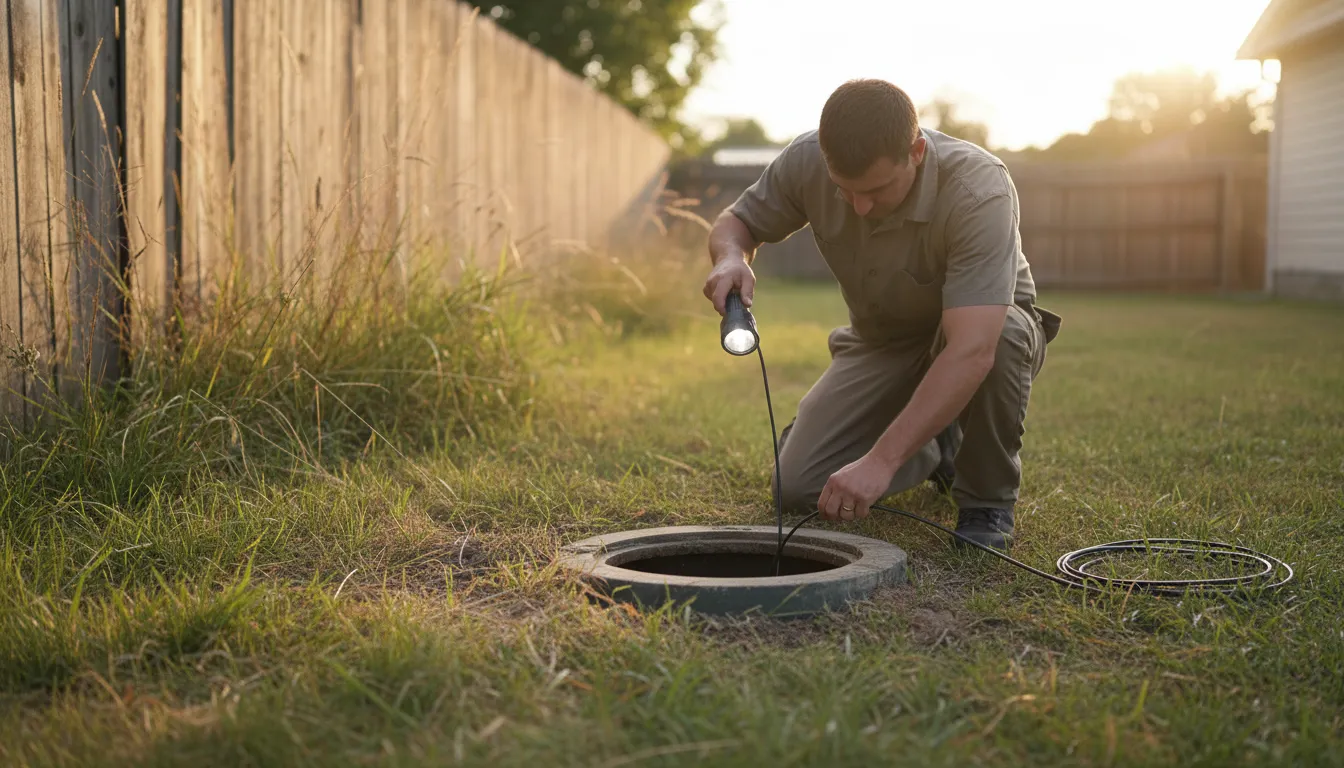
Find the Best Septic Tank Inspection Companies for Your Business
No obligation • Fast responses • Nationwide coverage

Why you can trust Septic Spot
Septic Spot is a leading United States resource for understanding and comparing septic services. Our editors review providers using consistent criteria and verify key business details. Listings and scores are independent, and companies cannot pay to influence our content.
Search providers near you
Top Septic Tank Inspection Companies in Burnsville, Minnesota Ranked
A septic tank inspection is a professional assessment of your home's on-site wastewater treatment system to ensure it is functioning safely and in compliance with local and state regulations. For Burnsville homeowners, these evaluations are not just a good idea-they are often a legal requirement tied to property transfers, renovations, or routine maintenance schedules. Understanding the process and local rules helps protect your property value, your family's health, and the local environment. This guide provides the essential information you need to find qualified local professionals and navigate the inspection process confidently.
Alto Sewer Service - MN Drain Cleaning Company
1019 Concord St N, South St Paul, MN 55075
Alto Sewer Service - MN Drain Cleaning Company is based in Minneapolis, MN, providing commercial and residential septic tank pumping and inspection services. Established in 1965, the company offers a range of services including water jetting, video inspections, pipe locating, steam thawing, and septic maintenance. They serve the Twin Cities Metro area with expertise in handling clogged plumbing and septic system needs. Alto Sewer Service operates 24 hours a day, 364 days a year, offering after-hours availability for urgent situations.
Alto Sewer & Drain Cleaning Services
Minneapolis, MN
Alto Sewer & Drain Cleaning Services is a full-service company based in Minneapolis, MN, specializing in septic tank pumping, inspection, and comprehensive drain and sewer cleaning. They offer services such as hydro-jetting, video inspections to diagnose pipe issues, commercial pumping, and frozen pipe thawing. Their licensed and bonded septic maintenance supports subsurface sewage treatment systems. Alto Sewer focuses on preventing blockages and maintaining system longevity through routine cleaning and professional care.
Why Septic Inspections Are Critical in Burnsville
In Burnsville, your septic system is a critical, yet often out-of-sight, component of your property. Regular septic system evaluations are mandated by both the City of Burnsville's Sewer Ordinance and the Minnesota Pollution Control Agency (MPCA). These rules are designed to prevent groundwater contamination and public health hazards. A failing system can lead to sewage backing up into your home or surfacing in your yard, creating significant health risks and expensive emergency repairs. Proactive inspections are the most effective way to catch minor issues before they become major failures.
Beyond health and safety, a current inspection report is frequently a cornerstone of real estate transactions. Most buyers and lenders will require a recent compliance inspection before finalizing a sale. Staying ahead of the schedule ensures you are prepared, whether you're planning to sell your home or simply maintain it responsibly.
Understanding Local Regulations and Triggers
Burnsville, as part of Dakota County, follows specific state and local codes for Subsurface Sewage Treatment Systems (SSTS). It's crucial to know what triggers a mandatory inspection.
Common Inspection Triggers:
- Property Transfer: A compliance inspection is generally required before the sale of a property with a septic system.
- System Alterations: Adding a bedroom, constructing a building addition (like a garage or deck), or any change that increases wastewater flow typically requires a system review 1.
- Routine Maintenance: The MPCA recommends systems be assessed at least every three years, with pumping every 3 to 5 years depending on household size and usage.
A key rule for Burnsville residents: all inspection, maintenance, and pumping activities must be performed by a state-licensed SSTS business 2. Hiring a licensed professional ensures the work meets state standards and that any required paperwork is filed correctly with the county.
The Step-by-Step Inspection Process
A thorough septic tank assessment is a detailed physical evaluation, not just a quick look. Here's what you can expect a licensed professional to do:
- Locate & Expose: The technician will locate and uncover the tank's access lids. If records are lost, this may involve probing the yard.
- Pump the Tank: For a proper internal inspection, the tank must be pumped empty. This allows the inspector to see all interior components clearly.
- Internal Tank Inspection: The inspector checks the tank's concrete, fiberglass, or plastic structure for cracks, leaks, and overall integrity. The inlet and outlet baffles (or tees) are examined to ensure they are intact and functioning; damaged baffles can allow solids to clog the drainfield 3.
- Sludge and Scum Measurement: The levels of sludge (at the bottom) and scum (at the top) are measured. This indicates how efficiently the tank is separating solids and if it is due for more frequent pumping 4.
- Drainfield Evaluation: The inspector examines the soil treatment area (drainfield) for signs of failure, such as soggy ground, foul odors, or surfacing sewage 5 6.
- Report & Compliance: The inspector provides a detailed report on the system's condition. If it's a compliance inspection for a sale, they will submit the official form to the local permitting authority (Dakota County) 7.
Find the perfect septic tank inspection companies for your needs
Get personalized recommendations and expert advice
What to Expect for Inspection and Pumping Costs
Budgeting for septic maintenance is part of responsible homeownership in Burnsville. Costs can vary based on tank size, accessibility, and the scope of the inspection.
- Septic Inspection Cost: A standard inspection in the Burnsville area typically ranges from $100 to $300 8. This fee often does not include the cost of pumping the tank.
- Septic Pumping Cost: Pumping is a separate, usually required, part of the inspection process. In our region, pumping costs generally fall between $290 and $560 9.
- Annual Maintenance Budget: Experts often recommend setting aside $300 to $500 per year to cover routine inspections, pumping every few years, and any minor repairs that arise 10. This proactive fund is far less than the cost of a full drainfield replacement.
Always request a detailed quote that breaks down inspection fees, pumping charges, and any potential extra costs before work begins.
Choosing a Qualified Service Provider in Burnsville
Since Minnesota law requires a licensed professional, verifying credentials is your first step. Look for a business licensed by the MPCA for SSTS maintenance and inspection. You can also check with the Dakota County Environmental Resources Department for a list of licensed providers 11. When contacting companies, ask if they are familiar with Burnsville's specific city ordinances and Dakota County's reporting procedures. Read reviews, ask for references from neighbors, and ensure they provide a comprehensive written report. A reputable inspector will be able to clearly explain each step of the process and the findings.
Maintaining Your System Between Inspections
A good inspection report is a snapshot of your system's health. To keep it healthy between professional check-ups, practice good habits: conserve water to avoid overloading the system, avoid pouring grease, chemicals, or non-biodegradable items down the drain, and never drive or build heavy structures over the tank or drainfield. Be mindful of what you flush and use septic-safe toilet paper. Knowing the location of your tank and drainfield and keeping a record of all inspections and pumpings will also be invaluable for future maintenance and property transactions.
Frequently asked questions
Sources
Footnotes
-
Septic Systems | Scott County, MN - https://www.scottcountymn.gov/604/Septic-Systems ↩
-
SUBSURFACE SEWAGE TREATMENT ORDINANCE 7-11-2 - https://greenstep.pca.state.mn.us/sites/default/files/21.2BurnsvilleActionFile.pdf ↩
-
SSTS inspections - Minnesota Pollution Control Agency - https://www.pca.state.mn.us/business-with-us/ssts-inspections ↩
-
Keep your septic system healthy - Minnesota Pollution Control Agency - https://www.pca.state.mn.us/news-and-stories/keep-your-septic-system-healthy ↩
-
SSTS service and maintenance - Minnesota Pollution Control Agency - https://www.pca.state.mn.us/business-with-us/ssts-service-and-maintenance ↩
-
🏡 Selling Your Home, with a Septic System in Minnesota: What You Need to Know - https://www.septiccheck.com/post/selling-your-home-with-a-septic-system-in-minnesota-what-you-need-to-know ↩
-
Compliance inspections for subsurface sewage treatment systems - https://www.pca.state.mn.us/sites/default/files/wq-wwists4-39.pdf ↩
-
Septic Tank Inspection Cost Guide | What to Expect & Save | Blog - https://www.blueribbonseptic.com/blog/septic-tank-inspection-costs-are-you-paying-too-much ↩
-
How Much Does a Septic System Inspection Cost? [2025 Data] - https://www.homeadvisor.com/cost/plumbing/septic-inspection-cost/ ↩
-
Septic Inspection and Repair in Bloomington, MN - https://mikesseptic.com/2025/07/understanding-the-costs-septic-inspection-and-repair-in-bloomington-mn/ ↩
-
Septic Systems - Dakota County - http://www.co.dakota.mn.us/Environment/WaterResources/SepticSystem/Pages/default.aspx ↩