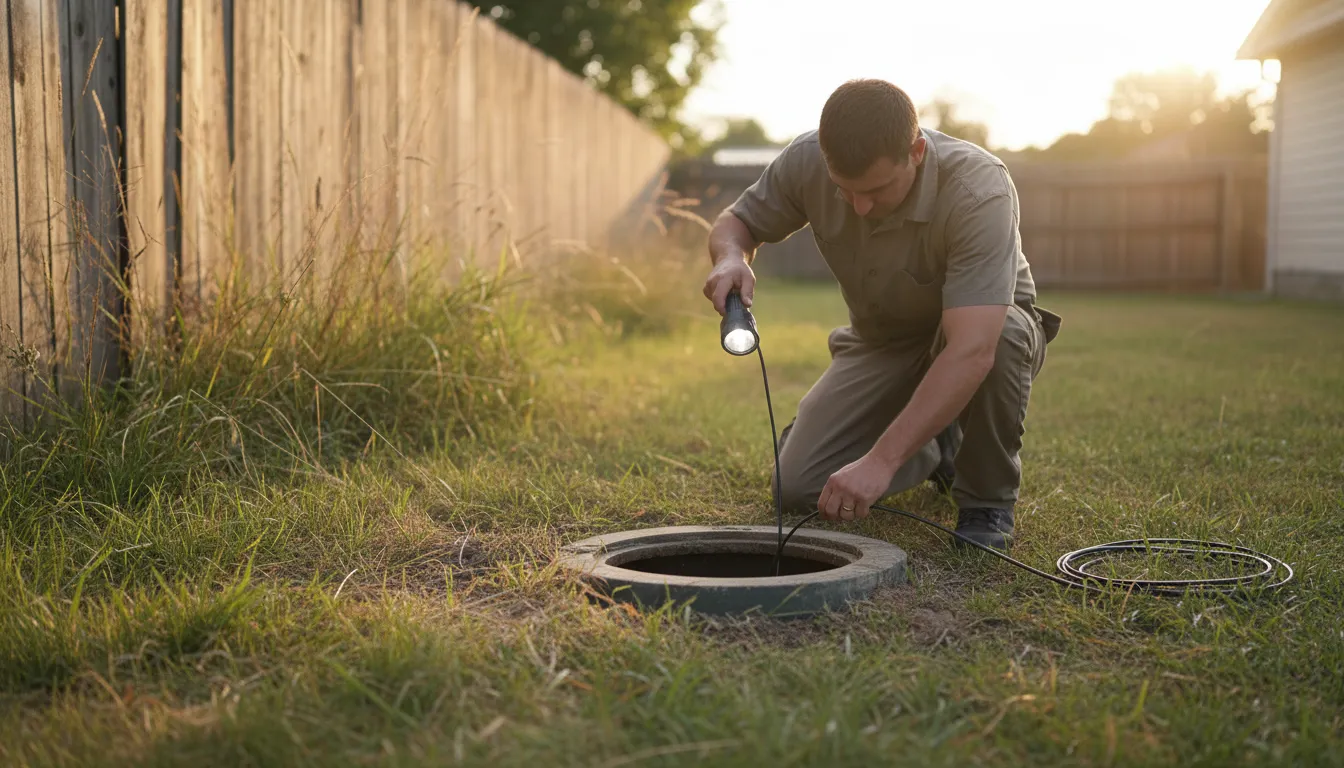
Find the Best Septic Tank Inspection Companies for Your Business
No obligation • Fast responses • Nationwide coverage

Why you can trust Septic Spot
Septic Spot is a leading United States resource for understanding and comparing septic services. Our editors review providers using consistent criteria and verify key business details. Listings and scores are independent, and companies cannot pay to influence our content.
Search providers near you
Top Septic Tank Inspection Companies in Minnetonka, Minnesota Ranked
A septic tank inspection is a critical evaluation of your home's on-site wastewater treatment system, conducted by a licensed professional. In Minnetonka, these inspections are not just a good idea-they are a legal requirement to protect public health and local water quality. This guide will help you understand the process, regulations, and how to connect with qualified local professionals who can ensure your system is functioning properly and in compliance with state law.
Alto Sewer Service - MN Drain Cleaning Company
1019 Concord St N, South St Paul, MN 55075
Alto Sewer Service - MN Drain Cleaning Company is based in Minneapolis, MN, providing commercial and residential septic tank pumping and inspection services. Established in 1965, the company offers a range of services including water jetting, video inspections, pipe locating, steam thawing, and septic maintenance. They serve the Twin Cities Metro area with expertise in handling clogged plumbing and septic system needs. Alto Sewer Service operates 24 hours a day, 364 days a year, offering after-hours availability for urgent situations.
Alto Sewer & Drain Cleaning Services
Minneapolis, MN
Alto Sewer & Drain Cleaning Services is a full-service company based in Minneapolis, MN, specializing in septic tank pumping, inspection, and comprehensive drain and sewer cleaning. They offer services such as hydro-jetting, video inspections to diagnose pipe issues, commercial pumping, and frozen pipe thawing. Their licensed and bonded septic maintenance supports subsurface sewage treatment systems. Alto Sewer focuses on preventing blockages and maintaining system longevity through routine cleaning and professional care.
Why Septic System Inspections Are Mandatory in Minnetonka
Minnetonka, like all of Minnesota, operates under strict state rules administered by the Minnesota Pollution Control Agency (MPCA) for Subsurface Sewage Treatment Systems (SSTS). These regulations are designed to prevent groundwater contamination, which is a significant concern for communities relying on well water. A failing septic system can leach untreated sewage into the soil, contaminating drinking water sources with harmful bacteria and nutrients.
State law requires that every SSTS be inspected and pumped at least once every three years by a licensed Maintainer or Inspector. This regular septic system evaluation is the cornerstone of preventative maintenance, helping to identify small issues before they become expensive, environmentally hazardous failures. Hennepin County and the City of Minnetonka enforce these MPCA rules, and local ordinances may apply, making compliance essential for every homeowner with a septic tank.
What a Professional Septic Inspection Involves
A comprehensive septic tank assessment is a multi-step process that goes far beyond just checking the tank level. When a licensed technician arrives at your Minnetonka home, they will perform a series of checks to evaluate the entire system's health and compliance.
Locating and Accessing the System: The first step is often locating the tank and drainfield, especially if you don't have a detailed map of your property. Inspectors will look for risers, inspection pipes, and markers. If your tank lacks proper access risers, installing them (at an additional cost) may be recommended for a thorough inspection.
Internal Tank Evaluation: This is the core of the inspection. The technician will:
- Evaluate Sewage Level: Check if the liquid level is appropriately below the outlet pipe.
- Inspect Baffles: Examine the inlet and outlet baffles (or tees) for integrity. Damaged baffles can allow solids to escape into the drainfield, causing clogging and failure.
- Measure Scum and Sludge: Measure the thickness of the floating scum layer and the settled sludge layer at the bottom. A general rule is that if the sludge occupies more than one-third of the tank's liquid depth, pumping is required 1.
Checking Structural Integrity: The inspector will check the tank, riser joints, and pipes for cracks, leaks, or signs of deterioration. A watertight tank is crucial to prevent sewage from escaping into the surrounding soil and groundwater.
Final Reporting: After the evaluation, you will receive an official compliance inspection report. This document will state whether your system is "compliant," "noncompliant," or an "imminent threat to public health"2. This report is a vital legal document, especially if you plan to sell your home.
Find the perfect septic tank inspection companies for your needs
Get personalized recommendations and expert advice
Understanding Costs for Inspection and Pumping
The typical cost for a combined septic tank inspection and pumping service in the Minnetonka area ranges from $300 to $500 3. This price can vary based on several factors:
- Tank Size: Larger tanks require more time and labor to pump.
- System Accessibility: Tanks that are buried deep, located far from driveway access, or lack inspection risers may incur higher charges due to the extra time and equipment needed.
- Scope of Service: The standard inspection often includes a basic assessment of system components. A more detailed system assessment or additional diagnostics may cost extra4.
If your tank requires riser installation for safe and easy future access, you can expect an additional cost of $200 to $5005 6. While this is an upfront investment, it can save money on future service calls and is often recommended by inspectors.
The Critical Role of Inspections in Property Transfer
If you are buying or selling a home in Minnetonka with a septic system, a compliance inspection takes on added urgency. Minnesota law requires that a valid compliance inspection report be submitted to the local government unit (the city or county) before a property with an SSTS can be legally transferred7 8.
For sellers, this means you must hire a licensed inspector to evaluate the system and provide a report to the city or county. A "compliant" status is necessary for a smooth sale. For buyers, reviewing this report is a non-negotiable part of your due diligence. It reveals the condition of a major, costly component of the property and can be a point of negotiation if repairs are needed.
Maintaining Your System Between Inspections
A three-year inspection cycle doesn't mean you can ignore your septic system in the interim. Proper daily care extends its lifespan and helps it pass inspection. Key maintenance tips include:
- Conserve Water: Spread out laundry loads and fix leaky faucets to avoid overloading the drainfield.
- Mind What You Flush: Only human waste and toilet paper should go down the drain. Avoid flushing chemicals, grease, wipes (even "flushable" ones), and feminine hygiene products.
- Protect the Drainfield: Never park vehicles or build structures over the drainfield. Keep rainwater drainage systems directed away from it.
Staying proactive with maintenance makes the mandatory triennial inspection a straightforward formality rather than a stressful event.
Frequently asked questions
Sources
Footnotes
-
Septic System Inspection Requirements in Minnesota - https://nsglc.olemiss.edu/Advisory/misc/pdfs/septic-in-mn.pdf ↩
-
Compliance inspection report form - Existing subsurface Sewage ... - https://www.aitkincountymn.gov/departments/env/pdf-septic-info/Compliance%20Inspection%20Form%20updated%204-28-21.pdf ↩
-
Septic Inspection and Repair in Bloomington, MN - https://mikesseptic.com/2025/07/understanding-the-costs-septic-inspection-and-repair-in-bloomington-mn/ ↩
-
SSTS inspections - Minnesota Pollution Control Agency - https://www.pca.state.mn.us/business-with-us/ssts-inspections ↩
-
SSTS service and maintenance - Minnesota Pollution Control Agency - https://www.pca.state.mn.us/business-with-us/ssts-service-and-maintenance ↩
-
Keep your septic system healthy - Minnesota Pollution Control Agency - https://www.pca.state.mn.us/news-and-stories/keep-your-septic-system-healthy ↩
-
Septic Systems | Lino Lakes, MN - https://linolakes.us/188/Septic-Systems ↩
-
The Septic System Quagmire: Septic System Regulation in Minnesota - Barna, Guzy & Steffen, LTD. - https://www.bgs.com/blog/2013/09/16/the-septic-system-quagmire-septic-system-regulation-in-minnesota/ ↩