Find the Best Septic Tank Inspection Companies for Your Business
No obligation • Fast responses • Nationwide coverage

Why you can trust Septic Spot
Septic Spot is a leading United States resource for understanding and comparing septic services. Our editors review providers using consistent criteria and verify key business details. Listings and scores are independent, and companies cannot pay to influence our content.
Search providers near you
Top Septic Tank Inspection Companies in Plymouth, Minnesota Ranked
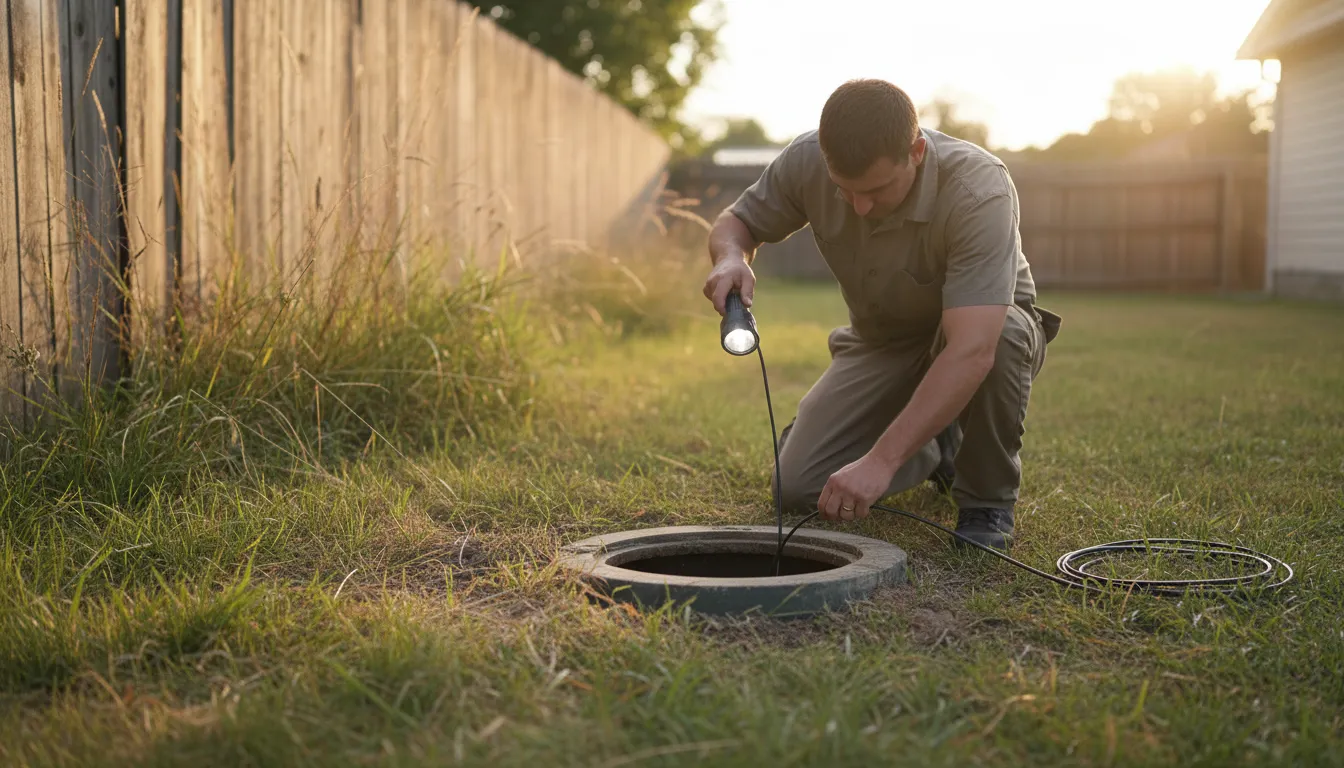
A septic tank inspection is a critical evaluation of your onsite wastewater treatment system to ensure it is functioning safely and in compliance with local regulations. This process is vital for protecting your property, your family's health, and the local environment, including Plymouth's lakes and groundwater. For homeowners in Plymouth, finding a qualified local professional to perform this essential service is the first step in responsible system maintenance.
Alto Sewer Service - MN Drain Cleaning Company
1019 Concord St N, South St Paul, MN 55075
Alto Sewer Service - MN Drain Cleaning Company is based in Minneapolis, MN, providing commercial and residential septic tank pumping and inspection services. Established in 1965, the company offers a range of services including water jetting, video inspections, pipe locating, steam thawing, and septic maintenance. They serve the Twin Cities Metro area with expertise in handling clogged plumbing and septic system needs. Alto Sewer Service operates 24 hours a day, 364 days a year, offering after-hours availability for urgent situations.
Alto Sewer & Drain Cleaning Services
Minneapolis, MN
Alto Sewer & Drain Cleaning Services is a full-service company based in Minneapolis, MN, specializing in septic tank pumping, inspection, and comprehensive drain and sewer cleaning. They offer services such as hydro-jetting, video inspections to diagnose pipe issues, commercial pumping, and frozen pipe thawing. Their licensed and bonded septic maintenance supports subsurface sewage treatment systems. Alto Sewer focuses on preventing blockages and maintaining system longevity through routine cleaning and professional care.
Why Septic System Inspections Are Required in Plymouth
In Minnesota, septic systems are classified as Subsurface Sewage Treatment Systems (SSTS). State law, specifically Minnesota Rules Chapters 7080-7083, mandates regular maintenance and inspection of these systems to prevent contamination and public health hazards. While these are state-level rules, enforcement and administration for Plymouth residents fall under Hennepin County Environmental Services 1.
The primary requirement is that every septic system must be inspected and pumped at least once every three years2 3. This is not a suggestion-it's a legal requirement for ongoing compliance. Furthermore, a current compliance inspection is almost always required during a property transfer or sale4 5. Having your system inspected proactively, rather than during a rushed real estate transaction, can save you significant time, stress, and potential cost.
What a Licensed Inspector Checks During Your Evaluation
A comprehensive septic system assessment involves more than just looking at the tank. A licensed maintenance provider will perform a series of checks to evaluate the entire system's health.
Initial Steps:
- Locating the Tank and Access: The inspector will first locate your septic tank and its access points, which may involve removing covers or risers.
- Pumping Solids: A core part of the inspection involves pumping out the accumulated sludge and scum from the tank. It's important to note that proper pumping must be done through the maintenance hole, not just the smaller inspection pipe, to ensure all solids are removed.
Key Component Inspection:
- Tank Integrity: The inspector checks for cracks, leaks, rust (in steel tanks), and the overall structural soundness of the tank itself.
- Baffles and Tees: The inlet and outlet baffles (or tees) are inspected to ensure they are intact. These components are crucial for preventing solids from flowing out into the drain field.
- Effluent Filter: If your system has one, the filter will be cleaned and checked.
- System Depth: The operating depth of the system is verified to ensure it is not too shallow or too deep.
Reporting: Following the inspection, the licensed provider must file a formal compliance report with the local unit of government-in this case, Hennepin County 6. You will receive a copy of this report, which serves as your proof of compliance.
Understanding Inspection and Pumping Costs
The cost for a combined septic tank inspection and pumping service in the Plymouth area can vary based on the tank's size, accessibility, and the scope of the inspection.
- Routine Three-Year Inspection & Pumping: For a standard compliance inspection that includes pumping, homeowners can generally expect costs to range from $300 to $500 7.
- Real Estate or Point-of-Sale Inspection: An inspection conducted for a property transfer may be more comprehensive and can often be on the higher end of the range, sometimes from $300 to over $600, depending on the system's complexity and the need for a detailed compliance certificate 8.
- Additional Service Costs: The initial quote is typically for the core service. Replacing damaged risers or lids, cleaning a clogged effluent filter, or repairing baffles will add to the total cost.
Find the perfect septic tank inspection companies for your needs
Get personalized recommendations and expert advice
The Consequences of Skipping an Inspection
Neglecting the mandatory three-year inspection is risky. A failing septic system can lead to:
- Environmental Contamination: Untreated sewage can seep into the ground, contaminating Plymouth's groundwater, and potentially reaching lakes and streams.
- Health Hazards: Exposure to pathogens from sewage poses a serious risk to your family and community.
- Property Damage: Sewage backups into your home or soggy, foul-smelling drain fields are expensive and unpleasant to repair.
- Legal and Financial Penalties: Non-compliance can result in fines from the county. More critically, an uninspected or failing system can derail a home sale, forcing costly emergency repairs or lowering your property's value.
Choosing a Qualified Septic Service Provider in Plymouth
Not every plumber or handyman is qualified to perform a legal septic inspection in Minnesota. It is essential to hire a licensed SSTS maintenance provider 9. These professionals have the specific training and certification required by the state to assess your system and file the official compliance paperwork. Always verify a provider's license and ask if they handle the reporting directly with Hennepin County.
Maintaining Your System Between Inspections
A professional inspection every three years is the cornerstone of system care, but what you do between visits matters greatly. You can keep your system healthy by:
- Conserving water to avoid overloading the tank.
- Avoiding flushing anything besides human waste and toilet paper.
- Never pouring grease, chemicals, or medications down the drain.
- Keeping vehicles and heavy structures off your drain field.
- Diverting roof drains and surface water away from the system area 10.
Disclaimer: Local requirements can change and may be more stringent than state minimums. For the most current and specific rules applicable to your Plymouth property, always check directly with Hennepin County Environmental Services or the City of Plymouth Community & Economic Development department.
Frequently asked questions
Sources
Footnotes
-
Local septic system programs - https://www.pca.state.mn.us/business-with-us/local-septic-system-programs ↩
-
SSTS service and maintenance - Minnesota Pollution Control Agency - https://www.pca.state.mn.us/business-with-us/ssts-service-and-maintenance ↩
-
Septic Systems | Lino Lakes, MN - https://linolakes.us/188/Septic-Systems ↩
-
Septic systems | Minnesota Pollution Control Agency - https://www.pca.state.mn.us/business-with-us/septic-systems ↩
-
Sewer & Water Permit | City of Plymouth, MN - https://www.plymouthmn.gov/departments/community-economic-development/permits-inspections/sewer-water-permit ↩
-
The Septic System Quagmire: Septic System Regulation in Minnesota - Barna, Guzy & Steffen, LTD. - https://www.bgs.com/blog/2013/09/16/the-septic-system-quagmire-septic-system-regulation-in-minnesota/ ↩
-
How Much Does It Cost To Empty A Septic Tank In MN - https://www.millcityhomebuyers.com/blog/cost-to-empty-septic-tank/ ↩
-
Septic Inspection and Repair in Bloomington, MN - https://mikesseptic.com/2025/07/understanding-the-costs-septic-inspection-and-repair-in-bloomington-mn/ ↩
-
SSTS inspections - Minnesota Pollution Control Agency - https://www.pca.state.mn.us/business-with-us/ssts-inspections ↩
-
Keep your septic system healthy - Minnesota Pollution Control Agency - https://www.pca.state.mn.us/news-and-stories/keep-your-septic-system-healthy ↩