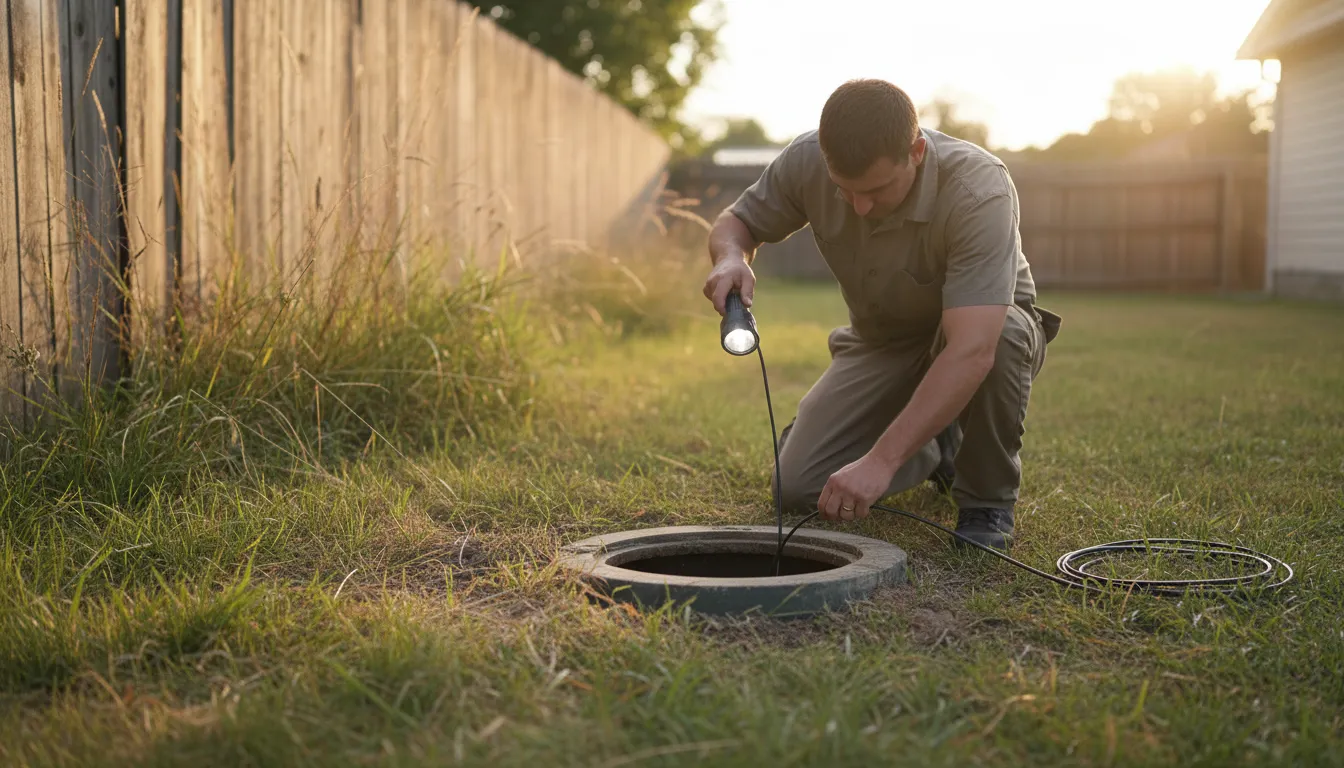
Find the Best Septic Tank Inspection Companies for Your Business
No obligation • Fast responses • Nationwide coverage

Why you can trust Septic Spot
Septic Spot is a leading United States resource for understanding and comparing septic services. Our editors review providers using consistent criteria and verify key business details. Listings and scores are independent, and companies cannot pay to influence our content.
Search providers near you
Top Septic Tank Inspection Companies in Shakopee, Minnesota Ranked
A septic tank inspection is a critical evaluation of your onsite wastewater treatment system to ensure it is functioning safely and in compliance with local and state regulations. For Shakopee homeowners, these evaluations are not just about maintenance-they are often a legal requirement for property transfers, new construction, or system upgrades. This guide will help you understand the process, costs, and local rules, empowering you to find qualified professionals to assess your system's health.
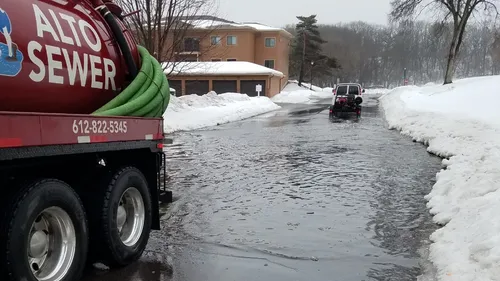
Alto Sewer Service - MN Drain Cleaning Company
1019 Concord St N, South St Paul, MN 55075
Alto Sewer Service - MN Drain Cleaning Company is based in Minneapolis, MN, providing commercial and residential septic tank pumping and inspection services. Established in 1965, the company offers a range of services including water jetting, video inspections, pipe locating, steam thawing, and septic maintenance. They serve the Twin Cities Metro area with expertise in handling clogged plumbing and septic system needs. Alto Sewer Service operates 24 hours a day, 364 days a year, offering after-hours availability for urgent situations.
Alto Sewer & Drain Cleaning Services
Minneapolis, MN
Alto Sewer & Drain Cleaning Services is a full-service company based in Minneapolis, MN, specializing in septic tank pumping, inspection, and comprehensive drain and sewer cleaning. They offer services such as hydro-jetting, video inspections to diagnose pipe issues, commercial pumping, and frozen pipe thawing. Their licensed and bonded septic maintenance supports subsurface sewage treatment systems. Alto Sewer focuses on preventing blockages and maintaining system longevity through routine cleaning and professional care.
Why Septic System Inspections Are Essential in Shakopee
In Scott County, where Shakopee is located, septic systems are governed by Minnesota Rules Chapters 7080-7083 1. These rules mandate that all Subsurface Sewage Treatment Systems (SSTS) be properly maintained to protect public health and Minnesota's water resources. A professional septic system evaluation is the primary tool for verifying compliance. Regular inspections prevent environmental contamination, costly emergency repairs, and ensure your family's wastewater is being treated effectively.
Beyond routine care, a compliance inspection is legally required in several specific situations in Shakopee:
- Property Transfer: When selling or buying a home with a septic system.
- Adding a Bedroom: Increasing the design flow capacity of the home triggers a review.
- Change of Use: Converting a property from residential to commercial use, or from seasonal to year-round occupancy.
- New or Replacement System: Verification after installation is required.
Understanding the Shakopee Septic Inspection Process
A thorough septic tank assessment follows a standardized procedure conducted by a state-certified inspector or maintenance provider. Here's what you can expect during a typical inspection in Shakopee:
1. System Location & Access The inspector will first locate all components of your system, including the tank and drainfield. Easy access is key. Properties with installed risers (conduits that bring tank access to the surface) typically have lower inspection costs because they save time and labor.
2. Tank Pumping for Inspection A crucial update to Minnesota's SSTS rules requires that tanks be pumped completely empty to perform a proper compliance inspection 2. This is done through the tank's maintenance hole, not the smaller inspection pipes, to allow for a clear view inside. While maintenance pumping is required at least every three years, this inspection pumping serves a different, diagnostic purpose.
3. Internal Tank Assessment With the tank empty, the inspector checks critical components:
- Baffles: The inlet and outlet baffles are inspected to ensure they are intact and in place. Damaged baffles can allow solids to escape into the drainfield, causing premature failure.
- Sludge and Scum Levels: Even with the tank pumped, the inspector measures any residual sludge (at the bottom) and scum (at the top) to assess how quickly solids accumulate.
- Structural Integrity: The tank is checked for cracks, leaks below the operating depth, or leaks at the risers and joints.
4. Drainfield Evaluation The inspector will evaluate the soil treatment area (drainfield) for signs of failure. This includes looking for surfacing sewage, overly saturated soil, or odors-all indicators that the system is not properly absorbing and filtering liquid effluent.
5. Reporting Finally, the inspector provides a detailed report of the findings to you, the homeowner. If the inspection is for compliance, a copy must also be submitted to Scott County. This report is your official record of the system's condition.
Find the perfect septic tank inspection companies for your needs
Get personalized recommendations and expert advice
Local Shakopee & Scott County Regulations You Should Know
Staying informed about local requirements helps you avoid violations. Key regulations include:
- Three-Year Pumping Rule: At a minimum, solids must be removed from your septic tank by a licensed professional every three years, regardless of inspection needs.
- Setback Requirements: Septic tanks must be at least 10 feet from an occupied building, and drainfields must be at least 20 feet away 3 4. Inspections verify these distances are maintained.
- Certified Professionals: All inspections and pumping must be performed by individuals certified by the Minnesota Pollution Control Agency (MPCA) 5.
Cost of Septic Inspections in Shakopee
The price for a routine septic inspection and pumping in the Shakopee area typically ranges from $300 to $500 6 7. Several factors can influence this cost:
- Tank Access: As mentioned, properties without risers may incur higher charges.
- Tank Depth and Size: Larger or deeper tanks may cost more to pump and inspect.
- System Type: Alternative systems, like mound systems, are more complex and may have higher inspection and servicing costs 8.
- Inspection Purpose: A basic maintenance check may differ in cost from a full compliance inspection for a real estate transaction.
It's important to view this cost as an investment. Identifying a minor issue like a broken baffle during an inspection can prevent a $10,000+ drainfield replacement down the line.
Maintaining Your System Between Inspections
A good inspection report starts with good daily habits. To keep your Shakopee septic system healthy between professional evaluations:
- Conserve Water: Fix leaks and spread out laundry loads to avoid overwhelming the drainfield.
- Mind What You Flush: Only human waste and toilet paper should go down the drain. Avoid chemicals, grease, wipes (even "flushable" ones), and feminine hygiene products 9.
- Protect the Drainfield: Never park vehicles or build structures over the soil treatment area. Keep roof drains and sump pumps directed away from it.
- Keep Records: Maintain a file of all inspection reports, pumping receipts, and system diagrams.
Disclaimer: Regulations can change. Always verify current requirements directly with the Scott County Zoning Department before proceeding with any system modification or property transaction 10.
Frequently asked questions
Sources
Footnotes
-
Septic systems | Minnesota Pollution Control Agency - https://www.pca.state.mn.us/business-with-us/septic-systems ↩
-
SSTS Rule Update: Septic Tanks Need To Be Pumped Complete ... - https://www.mnrealtor.com/blogs/mnr-news1/2021/01/08/ssts-rule-change ↩
-
Septic | Chisago County, MN - Official Website - https://www.chisagocountymn.gov/373/Septic ↩
-
Minnesota Septic Inspection Rule | Jack Chivers Realty - https://www.jackchiversrealty.com/news/2021/01/13/new-minnesota-septic-rule ↩
-
SSTS service and maintenance - Minnesota Pollution Control Agency - https://www.pca.state.mn.us/business-with-us/ssts-service-and-maintenance ↩
-
Frequently Asked Questions - CivicPlus.CMS.FAQ - Scott County - https://www.scottcountymn.gov/faq.aspx?TID=41 ↩
-
Septic Inspection and Repair in Bloomington, MN - https://mikesseptic.com/2025/07/understanding-the-costs-septic-inspection-and-repair-in-bloomington-mn/ ↩
-
MN Well & Septic Guide 2026: What Buyers Need to Know - AskDoss - https://askdoss.com/well-water-and-septic-systems-in-rural-minnesota-what-buyers-must-know/ ↩
-
Keep your septic system healthy - Minnesota Pollution Control Agency - https://www.pca.state.mn.us/news-and-stories/keep-your-septic-system-healthy ↩
-
Septic Systems | Scott County, MN - https://www.scottcountymn.gov/604/Septic-Systems ↩