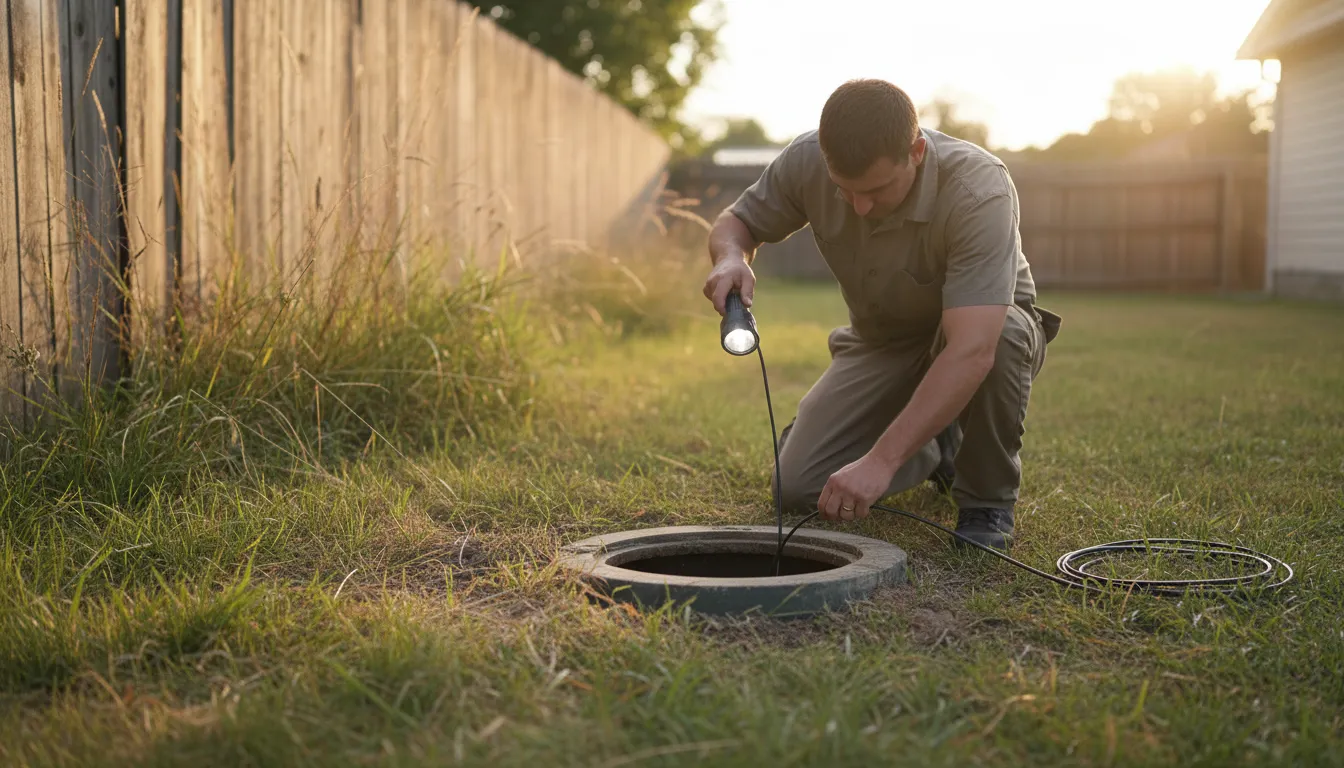
Find the Best Septic Tank Inspection Companies for Your Business
No obligation • Fast responses • Nationwide coverage

Why you can trust Septic Spot
Septic Spot is a leading United States resource for understanding and comparing septic services. Our editors review providers using consistent criteria and verify key business details. Listings and scores are independent, and companies cannot pay to influence our content.
Search providers near you
Top Septic Tank Inspection Companies in St Paul, Minnesota Ranked
A septic system inspection is a critical evaluation of your onsite wastewater treatment system's health, safety, and compliance with state and local regulations. For homeowners in the St. Paul area, these assessments are essential for protecting your property investment, ensuring environmental safety, and meeting legal requirements, especially during real estate transactions. This guide helps you understand the process, regulations, and what to look for when seeking a qualified professional to evaluate your system.
Alto Sewer Service - MN Drain Cleaning Company
1019 Concord St N, South St Paul, MN 55075
Alto Sewer Service - MN Drain Cleaning Company is based in Minneapolis, MN, providing commercial and residential septic tank pumping and inspection services. Established in 1965, the company offers a range of services including water jetting, video inspections, pipe locating, steam thawing, and septic maintenance. They serve the Twin Cities Metro area with expertise in handling clogged plumbing and septic system needs. Alto Sewer Service operates 24 hours a day, 364 days a year, offering after-hours availability for urgent situations.
Alto Sewer & Drain Cleaning Services
Minneapolis, MN
Alto Sewer & Drain Cleaning Services is a full-service company based in Minneapolis, MN, specializing in septic tank pumping, inspection, and comprehensive drain and sewer cleaning. They offer services such as hydro-jetting, video inspections to diagnose pipe issues, commercial pumping, and frozen pipe thawing. Their licensed and bonded septic maintenance supports subsurface sewage treatment systems. Alto Sewer focuses on preventing blockages and maintaining system longevity through routine cleaning and professional care.
Understanding Septic System Regulations in Minnesota
Septic systems in Minnesota, including properties in the areas surrounding St. Paul, are governed by strict state rules. All systems must comply with Minnesota Pollution Control Agency (MPCA) Rules Chapters 7080-7083, which set the standards for design, installation, inspection, and maintenance. A key requirement is that systems must be inspected by a licensed professional at least every three years, and an inspection is almost always mandated during the sale of a property.
It's important to note that while the City of St. Paul is largely served by municipal sewer lines, these septic regulations apply to homes and properties in peripheral areas of Ramsey County and neighboring jurisdictions that rely on private onsite systems. Local government units (LGUs) can enforce regulations that are stricter than the state minimums, so contacting your local county environmental health department is a crucial first step to understand the specific requirements for your address.
What a Comprehensive Septic Inspection Involves
A thorough septic system evaluation, or septic assessment, goes far beyond just looking at the tank. Since a 2021 rule change in Minnesota, a full compliance inspection generally requires the tank to be pumped empty to allow for a complete internal examination 1. Here's what a licensed inspector will typically assess:
- Tank Integrity & Pumping: The tank is pumped to check for leaks, cracks, structural soundness, and the condition of inlet and outlet pipes. The inspector will also examine internal components like baffles and tees, which are vital for proper function.
- Drainfield Evaluation: The condition of the soil absorption area (drainfield) is critically examined. The inspector looks for signs of failure such as surfacing sewage, soggy ground, or overly lush vegetation, which indicate the soil is not properly treating the wastewater.
- Component Check: All system components are inspected, including the tank lid, risers (which provide access to the tank), distribution boxes, and any pumps or alarms. Proper, secure lids are a key safety feature.
- Setback Verification: The inspector will verify that the entire system meets required minimum distances (setbacks) from wells, property lines, water bodies, and buildings as per state and local code 2.
Upon passing inspection, the homeowner receives a Certificate of Compliance, which is also filed with the local government. This certificate is often required to finalize a home sale or obtain building permits for remodeling.
The Importance of Regular Septic Evaluations
Why is this periodic check-up so important? First, it's a proactive measure for environmental protection. A failing system can contaminate groundwater, nearby lakes, and streams with harmful bacteria and nutrients, posing a public health risk 3. Second, it protects your property value. An unexpected septic failure can lead to costly emergency repairs or a full system replacement, which can cost tens of thousands of dollars. Regular inspections help catch minor issues before they become major disasters.
For home buyers, a septic inspection is a non-negotiable part of due diligence. It reveals the true condition of a critical home system that is expensive to replace. Sellers also benefit by having an inspection done before listing; a clean bill of health makes the property more attractive and can prevent deal-breaking surprises during the buyer's inspection period 4 5.
Find the perfect septic tank inspection companies for your needs
Get personalized recommendations and expert advice
Finding a Qualified Septic Inspector in the St. Paul Area
When searching for a professional to conduct your septic system inspection, certification is paramount. In Minnesota, individuals performing these inspections must hold the proper SSTS (Subsurface Sewage Treatment System) certification from the MPCA 6 7. Always ask for proof of this certification.
Look for companies with extensive local experience. They will be familiar with the soil types common in the region, the specific requirements of Ramsey County and surrounding LGUs, and the typical issues that arise with systems in our climate. A reputable inspector will provide a detailed written report of their findings, not just a verbal summary. This report should include the condition of all components, measurements of sludge and scum layers (from the pump-out), and a clear pass/fail status regarding compliance 8.
Be wary of quotes that seem unusually low, as they may not include the mandatory tank pumping or a full compliance inspection. A proper evaluation is an investment in your property's longevity and safety.
Costs, Frequency, and Addressing Problems
The cost for a full septic tank pumping and inspection in the Minnesota market can vary based on tank size, accessibility, and the inspector's fees, but homeowners can generally expect a range between $200 and $600 or more for a comprehensive assessment 9. Remember, this is a legally required maintenance task that must be performed at least every three years, so budgeting for it is essential 10 11.
What happens if your system fails the inspection? The inspector and your local LGU will outline the necessary corrective actions. This could range from minor repairs, like replacing a damaged baffle or tank lid, to major undertakings like repairing a leaking tank or replacing a failed drainfield. State and local rules require that failed systems be upgraded, repaired, or replaced within a designated timeframe to restore compliance 12. Your inspector can often provide recommendations for qualified installers to complete any needed work.
Maintaining Your System Between Inspections
Good daily habits extend the life of your septic system. Avoid flushing anything besides human waste and toilet paper. Never pour grease, chemicals, or medications down the drain, as they can kill the beneficial bacteria in your tank and contaminate groundwater. Be mindful of water usage; spreading out laundry loads and fixing leaky faucets reduces the hydraulic load on your drainfield. Finally, always keep detailed records of every pumping, inspection, and repair. This history is invaluable for troubleshooting issues and is a key document during a property sale 13.
Frequently asked questions
Sources
Footnotes
-
Minnesota Septic Inspection Rule - Jack Chivers Realty - https://www.jackchiversrealty.com/news/2021/01/13/new-minnesota-septic-rule ↩
-
SSTS design - Minnesota Pollution Control Agency - https://www.pca.state.mn.us/business-with-us/ssts-design ↩
-
Septic systems | Minnesota Pollution Control Agency - https://www.pca.state.mn.us/business-with-us/septic-systems ↩
-
Buying a home or cabin with a septic system - https://septic.umn.edu/buying-septic-system ↩
-
The Septic System Quagmire: Septic System Regulation in Minnesota - https://www.bgs.com/blog/2013/09/16/the-septic-system-quagmire-septic-system-regulation-in-minnesota/ ↩
-
SSTS inspections - Minnesota Pollution Control Agency - https://www.pca.state.mn.us/business-with-us/ssts-inspections ↩
-
SSTS individual certification - Minnesota Pollution Control Agency - https://www.pca.state.mn.us/business-with-us/ssts-individual-certification ↩
-
What to Expect from a Septic Inspection - Wind River Environmental - https://www.wrenvironmental.com/blog/2023/may/what-to-expect-from-a-septic-inspection/ ↩
-
Septic Tank Inspection Cost: What to Expect & What's Involved - https://atlantaseptictankpros.com/septic-tank-inspection-cost-what-to-expect-whats-involved/ ↩
-
Septic Systems | Lino Lakes, MN - https://linolakes.us/188/Septic-Systems ↩
-
Septic System Regulation in Minnesota - Barna, Guzy & Steffen - https://www.bgs.com/blog/2013/09/16/the-septic-system-quagmire-septic-system-regulation-in-minnesota/ ↩
-
Septic System Inspections in Willmar and Central Minnesota - https://www.propertyinspectionsinc.com/septic-inspection ↩
-
Septic System Basics - Apple Septic Services Inc. - https://appleseptic.com/new-page ↩