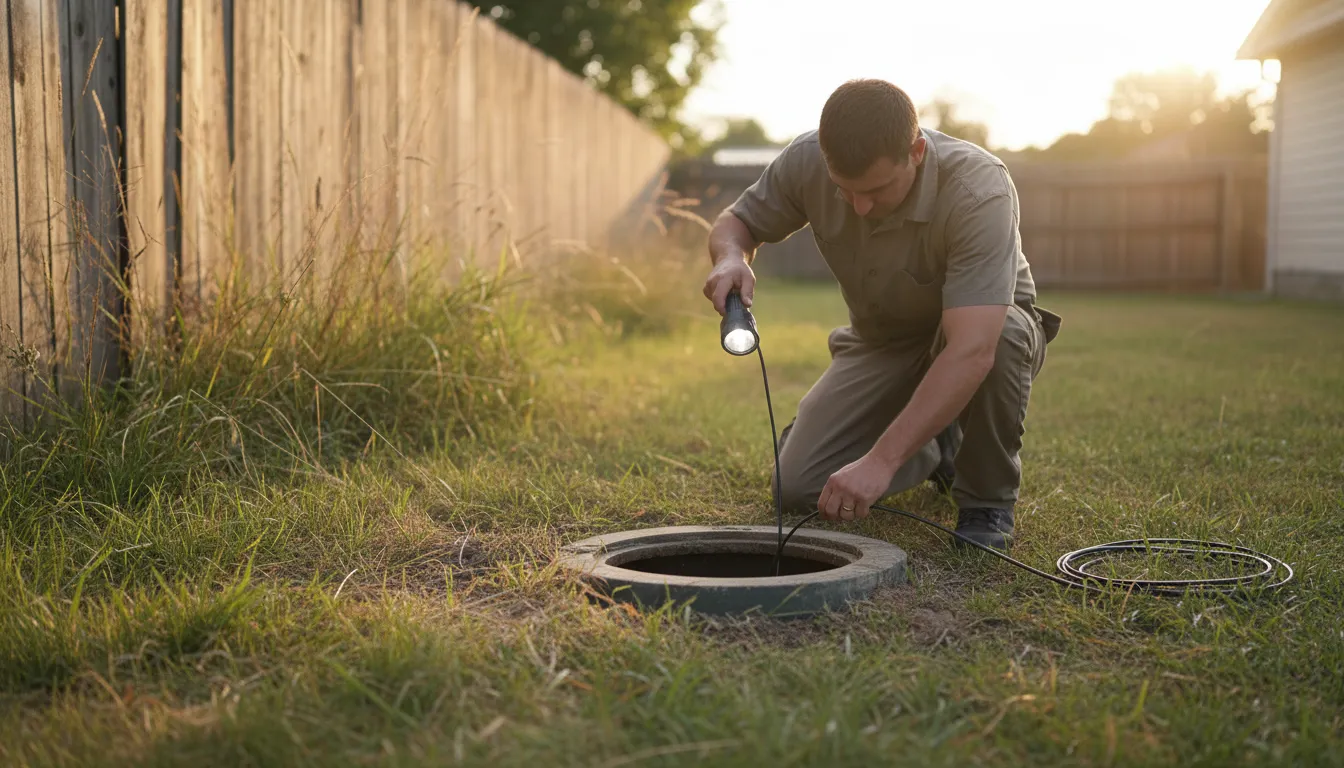
Find the Best Septic Tank Inspection Companies for Your Business
No obligation • Fast responses • Nationwide coverage

Why you can trust Septic Spot
Septic Spot is a leading United States resource for understanding and comparing septic services. Our editors review providers using consistent criteria and verify key business details. Listings and scores are independent, and companies cannot pay to influence our content.
Search providers near you
Top Septic Tank Inspection Companies in Billings, Montana Ranked
A septic tank inspection is a professional assessment of your onsite wastewater system's condition and functionality. In Billings, these evaluations are crucial for protecting your property value, ensuring public health, and complying with local regulations. Whether you're buying a home, maintaining your system, or planning an addition, understanding the local inspection process helps you find qualified professionals to perform this essential service.
Why Septic System Inspections Matter in Yellowstone County
Your septic system is a significant, out-of-sight investment. In Billings and the surrounding Yellowstone County area, soil conditions, climate, and local regulations make regular system evaluations particularly important. A failing system can lead to costly repairs, environmental contamination, and health hazards. Routine septic inspections are the most effective way to catch minor issues before they become major failures, protecting your home and our local groundwater.
For property transactions, a thorough septic system inspection is often a required step. It provides peace of mind to both buyer and seller by documenting the system's operational state. Furthermore, RiverStone Health Environmental Health Services, the local regulatory body, mandates inspections for all new or recently repaired systems before they are covered or put into use. Staying proactive with inspections aligns with Montana's best practices for rural and suburban homeowners.
What Billings Regulators Require
In Yellowstone County, septic system permitting and certain inspections are managed by RiverStone Health. If you are installing a new system, replacing a component, or significantly modifying an existing one, you must obtain a permit from their office. A key part of this process is the final inspection, where a RiverStone Health official must verify the installation meets code before the system is buried and activated.
For existing homes, while Montana law does not require annual inspections, RiverStone Health and the Montana Department of Environmental Quality (DEQ) strongly recommend a professional assessment every 3 to 5 years. This frequency coincides with the typical pumping schedule, allowing both services to be completed together efficiently. Knowing your local regulations helps you plan maintenance and avoid compliance issues.
The Professional Inspection Process: What to Expect
A comprehensive septic tank inspection in Billings involves several key steps performed by a licensed professional. It's more than just looking at the tank; it's a full system check.
1. Locating and Accessing the System The inspector will first locate all components-the septic tank, distribution box, and drainfield. They may refer to the "as-built" diagram, which is often kept on file at the health department. The tank's manhole covers will be excavated and opened to allow for internal evaluation.
2. Internal Tank Assessment This is the core of the inspection. The professional will:
- Check Structural Integrity: Look for cracks, leaks, or corrosion in the tank walls and lids to ensure it is watertight.
- Inspect Baffles: Verify that inlet and outlet baffles are present and intact. These are crucial for preventing solids from flowing into the drainfield.
- Measure Sludge and Scum Levels: Using a tool like a "sludge judge," the inspector measures the depth of sludge at the tank's bottom. If sludge or scum occupies more than one-third of the tank's depth, pumping is immediately recommended to prevent system failure 1 2.
3. Evaluating System Function and Drainfield The inspector assesses the system's hydraulic function:
- Check Effluent Level: The liquid level in the tank is checked to ensure it's at the proper height, indicating the drainfield is accepting flow correctly 3.
- Inspect the Drainfield: The area over the drainfield is examined for telltale signs of failure, such as soggy ground, foul odors, or surfacing sewage 4. They may also check the distribution box for even flow.
4. Reporting A detailed report is provided, noting the system's condition, any deficiencies found, and recommended actions or repairs. For real estate transactions, this report is a vital document.
Find the perfect septic tank inspection companies for your needs
Get personalized recommendations and expert advice
Types of Septic Inspections and Associated Costs
The scope and cost of a septic inspection in Billings vary depending on your needs. Understanding these types helps you request the right service.
Routine Maintenance Inspection This is a standard check-up, often performed every 3-5 years alongside pumping. It focuses on assessing sludge levels and visible component condition.
- Typical Cost: $200 to $500 5.
- What's Included: Locating and opening the tank, visual inspection of interior components, sludge/scum measurement, and a basic check of the drainfield area.
Real Estate Transfer Inspection This is a more rigorous evaluation required during the sale of a property. It is designed to uncover any hidden issues that could affect the sale or lead to costly repairs for the new owner.
- Typical Cost: $500 to $1,300 or more in Billings 6 7.
- What's Included: All elements of a routine inspection, plus often a full tank pumping to allow for a complete internal assessment, a hydraulic load test (running water to check for drainage issues), and a more thorough investigation of the drainfield. The report must be detailed enough for lenders and buyers.
Pumping Costs: Note that if pumping is required (which is common during an inspection), it is typically a separate fee. Pumping costs depend on tank size but generally add several hundred dollars to the total service bill 8.
Permit-Required Inspection: For new installations, the inspection fee may be part of the overall permit cost paid to RiverStone Health. You can contact them directly at 406.256.2770 for specific local fee information 9.
Choosing a Qualified Septic Inspector in Billings
Not all contractors are equal. For an accurate assessment, especially for a home purchase, selecting the right professional is critical.
- Verify Licensing: Ensure the inspector is licensed to perform septic work in Montana. They should be familiar with Yellowstone County and RiverStone Health codes.
- Check Experience and Reviews: Look for established local companies with positive reviews and a reputation for thoroughness. Ask how long they've been in business.
- Ask About Their Process: A reputable inspector should be able to clearly explain their inspection steps, what tools they use (like a sludge judge), and what their report includes.
- Get a Detailed Estimate: Understand exactly what is included in the quoted price. Does it cover pumping? Are hydraulic tests extra? Avoid vague quotes.
- Seek Recommendations: Your real estate agent, neighbors, or even RiverStone Health may have referrals for reliable inspection services.
Maintaining Your System Between Inspections
Professional inspections are essential, but day-to-day care extends your system's life. Follow these guidelines:
- Mind What You Flush: Only human waste and toilet paper should go down the drain. Avoid chemicals, grease, wipes (even "flushable" ones), and feminine hygiene products 10.
- Conserve Water: Spread out laundry loads and fix leaky fixtures to avoid overwhelming the drainfield.
- Protect the Drainfield: Never drive or park vehicles over it, and keep trees and deep-rooted plants away from the area.
- Keep Records: Maintain a file of all inspection reports, pumping receipts, and repair records. This is invaluable for maintenance and resale.
Frequently asked questions
Sources
Footnotes
-
A Montana Homeowner's Guide to Septic Systems - YUMPU - https://www.yumpu.com/en/document/view/38678428/a-montana-homeowners-guide-to-septic-systems-department-of- ↩
-
Free Septic Tank Inspection Templates | PDF - https://safetyculture.com/checklists/septic-tank-inspection ↩
-
What to Expect from a Septic Inspection - https://www.wrenvironmental.com/blog/2023/may/what-to-expect-from-a-septic-inspection/ ↩
-
Septic System Inspections - InterNACHI® - https://www.nachi.org/inspecting-septic-systems.htm ↩
-
Septic Tank Inspection Secrets Every Homeowner Should Know - Septic Tank Man - https://www.theseptictankman.com/blog/septic-tank-inspection-secrets-every-homeowner-should-know ↩
-
How Much Does a Septic Inspection Cost? [2026 Data] | Angi - https://www.angi.com/articles/septic-inspection-cost.htm ↩
-
What Is the Role of Septic Tank Inspection in Real Estate - https://www.houzeo.com/blog/septic-tank-inspection/ ↩
-
A Montana Homeowner's Guide to Septic Systems - https://deq.mt.gov/files/Land/SolidWaste/Documents/HomeownerGuideSepticSystems.pdf ↩
-
Septic Permits + Subdivision Review - RiverStone Health - https://riverstonehealth.org/inspections-permits/septic-permits-subdivision-review/ ↩
-
Septic Tank & Drainfield Operation & Maintenance - Cascade County - https://www.cascadecountymt.gov/DocumentCenter/View/828/Septic-Systems-PDF ↩