Find the Best Septic Tank Inspection Companies for Your Business
No obligation • Fast responses • Nationwide coverage

Why you can trust Septic Spot
Septic Spot is a leading United States resource for understanding and comparing septic services. Our editors review providers using consistent criteria and verify key business details. Listings and scores are independent, and companies cannot pay to influence our content.
Search providers near you
Top Septic Tank Inspection Companies in Carson City, Nevada Ranked
A septic tank inspection is a professional assessment of your onsite wastewater system's condition and functionality. This evaluation is crucial for protecting your property value, ensuring public health, and preventing costly environmental contamination. For Carson City residents, understanding local requirements and finding a qualified professional to perform this service is key to responsible homeownership.
Green Valley Septic Services
3349 Pontius Pl, Carson City, NV 89706
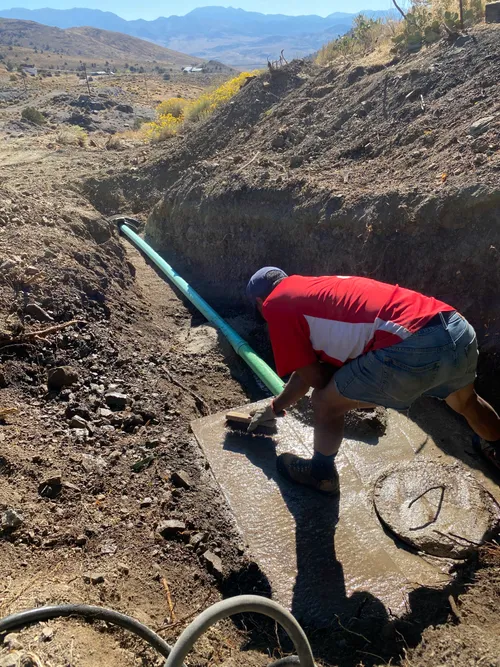
Green Valley Septic Services is a family-owned business based in Reno, NV, offering a full range of septic services including pumping, inspections, repairs, and installations. With over 19 years of experience, they use state-of-the-art equipment to provide efficient and eco-friendly septic solutions. Their capabilities include hydrojet services to maintain and clean septic systems effectively. Green Valley Septic Services focuses on environmental sustainability and aims to support a clean and healthy community through reliable septic system maintenance.
Bonanza Septic & Jetting Solutions
30 Kit Kat Dr, Mound House, NV 89706
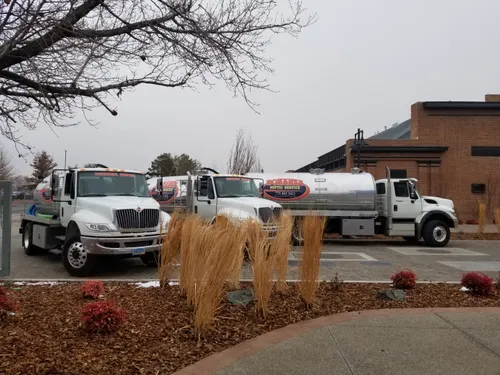
Bonanza Septic & Jetting Solutions provides septic tank pumping, inspection, and repair services in Reno, NV. The company is known for thorough septic system inspections and effective repairs, including locating and extending septic tank lids for easier access. Their team is experienced in handling septic blockages and system maintenance with attention to detail and customer communication. Bonanza Septic & Jetting Solutions emphasizes employee training to maintain knowledgeable service and has built a reputation for addressing unique septic system challenges promptly.
Superior On-Site Solutions
Sacramento, CA
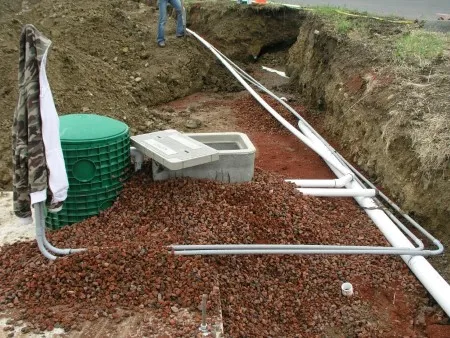
Superior On-Site Solutions provides septic system inspection, repair, and installation services in Sacramento, CA. They specialize in advanced Hoot wastewater treatment systems, which use multi-stage biological treatment to reduce contaminants and improve environmental protection. Their services cover site evaluations, system design, permitting assistance, installations, repairs, upgrades, and maintenance for residential, commercial, and community wastewater needs across California. The company works closely with homeowners, developers, engineers, and municipalities to ensure compliance and long-term system health.
Reno Septic Service
Reno, NV
Reno Septic Service provides a full range of septic system services in Reno, NV, and surrounding areas including Sparks, Carson City, and Truckee. They handle septic tank pumping, installation, inspections, repairs, and sewer line services for both residential and commercial properties. Their team is licensed, bonded, and insured, equipped to manage projects of any size. Reno Septic Service offers specialized capabilities such as trenchless sewer line replacement and backflow testing to ensure system compliance and functionality. They provide 24/7 emergency services to address urgent septic issues promptly.
Mr. Rooter Plumbing of Greater Reno
1655 Marietta Wy, Sparks, NV 89431
Mr. Rooter Plumbing of Greater Reno provides a range of plumbing and septic services in Reno, NV. Their offerings include septic tank pumping, inspection, repair, and installation, along with advanced capabilities such as HydroScrub® jetting and video camera inspections to diagnose and address plumbing issues efficiently. The company is licensed and insured, committed to clear communication and upfront pricing. They offer 24/7 emergency plumbing services, ensuring availability for urgent repairs and maintenance needs.
Why Septic System Evaluations Are Essential in Carson City
In Carson City, where many properties rely on individual sewage disposal systems (ISDS), regular septic system inspections are not just a recommendation-they are a cornerstone of property maintenance and regulatory compliance. The Carson City Health and Human Services (CCHHS) Environmental Health Division oversees these systems to protect groundwater and public health. An inspection provides a clear snapshot of your system's health, identifying potential failures in the tank, baffles, or leach field before they lead to backups, foul odors, or property damage. Proactive assessments can save homeowners thousands of dollars in emergency repairs and help avoid fines for non-compliance with local codes.
When Is a Septic Inspection Required?
Local regulations and practical circumstances dictate several scenarios where a professional septic evaluation is necessary:
- Property Transactions: While not always explicitly mandated by the city for every transfer, most lenders and prudent buyers will require a recent inspection report before closing. This inspection often needs to meet a specific "certification" standard to satisfy financing requirements.
- New Construction & System Installation: Any new septic system installation requires permitting and inspections by the CCHHS Environmental Health Division.
- System Repairs or Modifications: If you are repairing an existing system or adding components, an inspection is typically required to obtain the necessary permits.
- Property Additions: Planning to build a garage, add a room, or install a pool? You may need an inspection to ensure the new construction will not impact your existing drain field.
- Routine Maintenance: Regular inspections, recommended every 1-3 years, are the best way to catch minor issues before they become major problems.
The Septic Inspection Process: What to Expect
A thorough septic system assessment in Carson City follows a detailed procedure to evaluate every component. Homeowners should be prepared for the following steps:
- Locating and Exposing the Tank: The inspector must first locate your septic tank and distribution box. This often involves probing the yard. The tank lids (typically one or two) must then be fully uncovered to allow access for a visual inspection and pumping if needed.
- Tank Inspection: With the lids removed, the inspector examines the tank's interior structure for cracks, corrosion, or deterioration. They will check the inlet and outlet baffles (or tees) to ensure they are intact and functioning properly to prevent solids from escaping into the drain field.
- Sludge and Scum Measurement: A core part of the inspection involves measuring the levels of sludge (solid waste at the bottom) and scum (floating materials). These measurements determine if the tank needs to be pumped. Excessive levels indicate the system is due for servicing 1.
- Distribution Box and Leach Field Evaluation: The inspector will check the distribution box (D-box) to ensure effluent is flowing evenly to all lines in the leach field. They will also survey the drain field area for telltale signs of failure, such as soggy ground, standing water, or unpleasant odors 2.
- System Certification: For real estate transactions, a formal "certification" process is common. This often requires the tank to be pumped empty so all components can be fully evaluated. A compliance statement or certification report is then issued, which may need to be filed with or approved by the local health district 3.
Find the perfect septic tank inspection companies for your needs
Get personalized recommendations and expert advice
Understanding Costs for Septic Inspections and Related Services
The cost of a septic system inspection in Carson City can vary based on the system's size, complexity, and the specific requirements of the inspection. Here's a general breakdown based on available data:
- Standard Inspection: A basic visual inspection typically ranges from $300 to $600. Costs can increase if the system is complex, the tank is difficult to locate, or if a full certification for real estate is required.
- Tank Pumping: Pumping is frequently part of the inspection process, especially for certification. Pumping a standard 1,000-gallon tank generally costs between $400 and $800+, with price variations depending on tank capacity and accessibility 4.
- Re-inspection Fees: If a tank is not properly exposed or accessible at the time of the scheduled inspection, homeowners may incur re-inspection fees, which can range from approximately $100 to $350 5.
It's important to get detailed quotes from local providers, as these prices are estimates and can be influenced by market conditions and the specific scope of work.
Maintenance Schedule and Best Practices
Adhering to a regular maintenance schedule is the most effective way to extend the life of your septic system and avoid inspection failures.
- Pumping Frequency: For a typical household with a 1,000-gallon tank, pumping every 3 to 5 years is recommended. Homes with 5 or more occupants may need to pump more frequently, such as every 2 to 3 years 6.
- Annual Inspections: Even outside of mandatory requirements, having a professional check your system every 1-3 years can identify minor issues early.
- Water Conservation: Reducing overall water use lessens the load on your system, allowing the drain field to properly treat effluent.
- Mind What You Flush: Only human waste and toilet paper should go into the system. Avoid flushing chemicals, grease, wipes, and other non-biodegradable items.
Navigating Local Regulations and Permits
The Carson City Health and Human Services Environmental Health Division is your primary resource for local septic system rules. They handle all approvals, permits, and inspections for new installations, repairs, and system abandonment 7. Before undertaking any project that affects your septic system, contact this division to understand the specific permitting requirements. Staying informed and compliant helps protect your investment and our shared environment 8.
Frequently asked questions
Sources
Footnotes
-
SEPTIC SYSTEM INSPECTION and COMPLIANCE STATEMENT - https://berkeleylake.com/Assets/Files/Docs/Administration/Forms%20and%20Checklists/Septic%20Permit/Septic%20Tank%20Inspection%20Form.pdf ↩
-
Understanding Septic Tank Inspections: A Complete Homeowner's ... - https://septic-masters.com/septic-tank-inspection-homeowner-guide/ ↩
-
Certification Procedures for Individual Sewage Disposal System ( ... - https://www.southernnevadahealthdistrict.org/permits-and-regulations/sewage-septic-disposal-systems-isds/residential-isds-permits/certification-procedures-for-individual-sewage-disposal-system-isds-and-or-water-well/ ↩
-
Carson City NV Septic System Service - https://jlgsepticllc.com/service-areas/nevada/carson-city/ ↩
-
INDIVIDUAL SEWAGE DISPOSAL SYSTEM GUIDE - https://www.centralnevadahd.org/wp-content/uploads/2024/04/ISDS_CNHD2024.pdf ↩
-
Certification Application Guide - Southern Nevada Health District - https://media.southernnevadahealthdistrict.org/download/eh/isds/Certification-Application-Guide.pdf ↩
-
Septic & Well - Carson City Health and Human Services - https://www.gethealthycarsoncity.org/divisions/environmental-health/programs-inspections/septic-well ↩
-
Stay Compliant: Avoid Fines with Septic System Regulations - https://smartsepticpros.com/blog/septic-system-regulations/ ↩