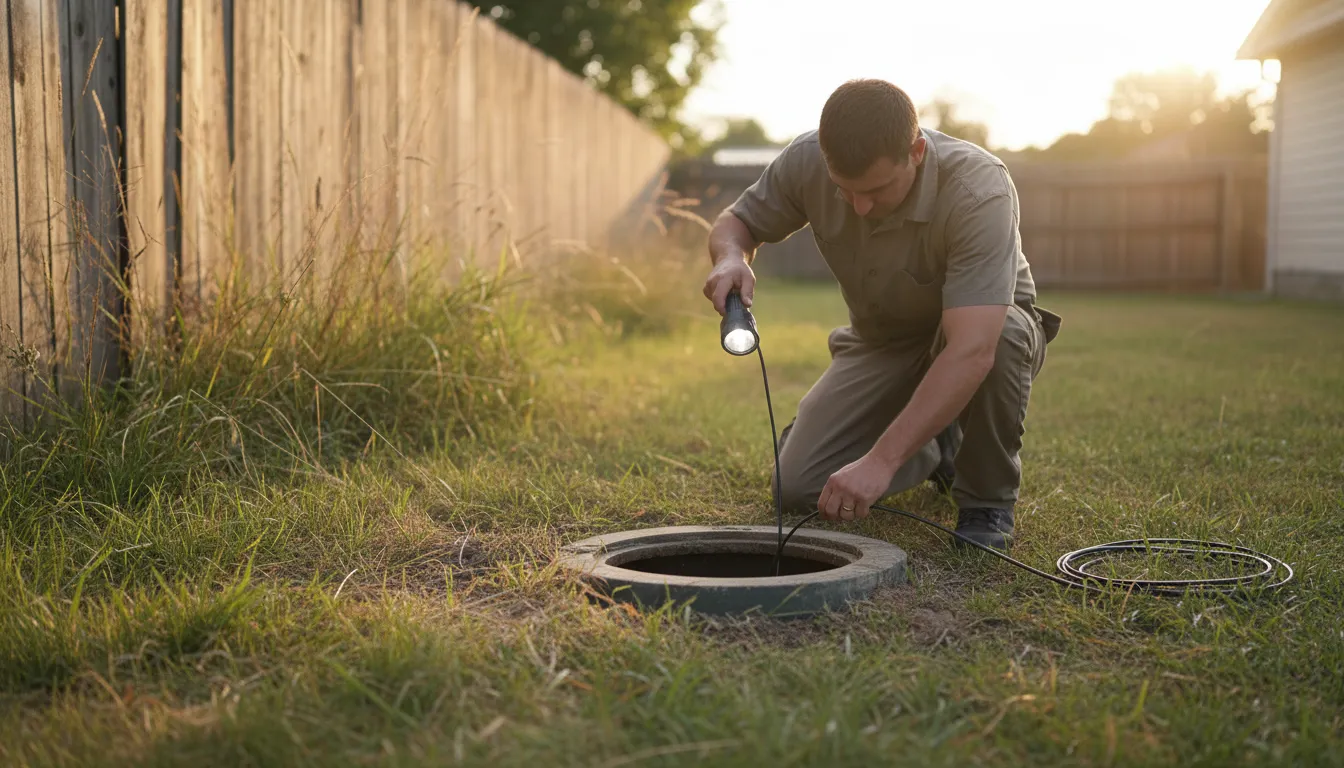
Find the Best Septic Tank Inspection Companies for Your Business
No obligation • Fast responses • Nationwide coverage

Why you can trust Septic Spot
Septic Spot is a leading United States resource for understanding and comparing septic services. Our editors review providers using consistent criteria and verify key business details. Listings and scores are independent, and companies cannot pay to influence our content.
Search providers near you
Best Septic Tank Inspection Companies in Oklahoma Ranked
A septic system inspection is a professional assessment of your onsite wastewater treatment system's condition and functionality. In Oklahoma, where many homes rely on these private systems, regular checks are crucial for protecting your property value, your family's health, and the local environment. This guide explains the state's specific regulations, inspection processes, and costs, helping you understand when and why to schedule a system evaluation and how to find qualified local professionals to perform it.
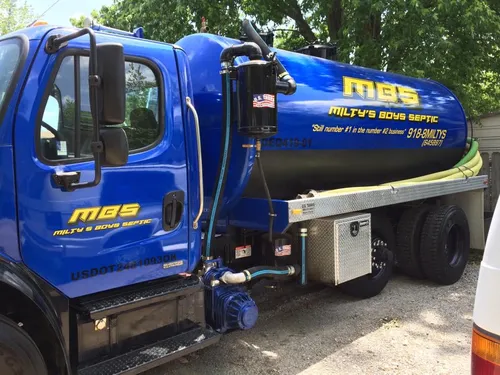
Milty's Boys Septic
Tulsa, OK
Milty's Boys Septic is a septic tank pumping, inspection, and repair company serving Tulsa, OK. They specialize in maintaining septic and aerobic treatment systems to ensure compliance with Oklahoma Department of Environmental Quality standards. The team has a combined 30 years of experience handling a range of septic system needs, from routine maintenance to more complex repairs. Milty's Boys emphasizes thorough inspections and regular maintenance to help prevent costly issues and keep systems operating smoothly.

Kingdom Inspections
225 SW 140th St, Oklahoma City, OK 73170
Kingdom Inspections offers comprehensive septic tank inspections and other property assessment services in Oklahoma City, OK. Their team of certified inspectors evaluates key home systems including septic, sewer, HVAC, and well inspections, helping clients understand the condition of their properties. The company has over 10 years of experience and serves Oklahoma City and surrounding areas such as Edmond, Piedmont, Moore, and Norman.
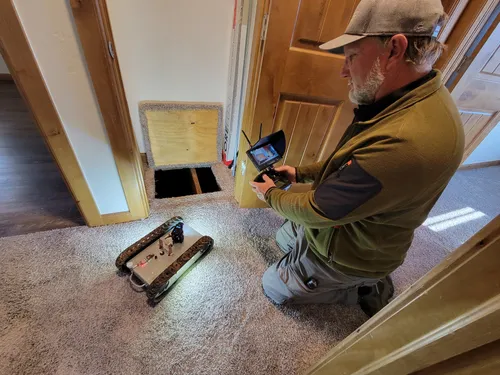
Assurance Inspection Services
1800 Canyon Park Cir STE 401, Edmond, OK 73013
Assurance Inspection Services is a septic tank inspection company based in Oklahoma City, OK. They provide comprehensive inspection solutions including home, commercial, mold and air quality, water well, and septic inspections. With over 10 years of experience and more than 7,000 inspections completed across the OKC metro, they offer expertise in identifying issues related to property safety and environmental hazards. Their services include detailed assessments of septic systems to ensure proper waste management and environmental protection.
J&J Pumping Services
7128 E 141st St N, Collinsville, OK 74021
J&J Pumping Services is a septic tank pumping, inspection, and repair company based in Tulsa, OK. They provide conventional and aerobic septic tank pumping, thorough 10-point system inspections, and same-day repairs for many issues. The company uses state-of-the-art equipment to pump tanks down to less than 5% of their volume, ensuring compliance with Department of Environmental Quality standards. They also sanitize tank interiors and provide full pump reports detailing waste disposal. J&J Pumping Services offers 24-hour emergency service and sends automatic reminders for routine maintenance.
ClearFlow Septic
16855 S Memorial Dr, Bixby, OK 74008
ClearFlow Septic is a septic service provider based in Tulsa, OK, serving residential and commercial clients in Tulsa and nearby cities including Bixby, Glenpool, and Broken Arrow. They offer a full range of septic services such as system installation, repairs, pumping, inspections, and sewer line services. ClearFlow Septic specializes in both conventional and aerobic septic systems, which are suited for properties with challenging soil conditions. Their team is skilled in handling routine maintenance as well as complex septic system issues to ensure efficient operation and compliance with local regulations.
Why Septic Inspections Are Critical in Oklahoma
Septic systems are a common solution for wastewater management in rural and suburban areas across Oklahoma. Unlike a municipal sewer connection, the responsibility for maintenance and repair falls entirely on the homeowner. A failing system can lead to sewage backups in your home, foul odors, contaminated groundwater, and costly environmental damage. Regular inspections are the most effective way to catch minor issues before they become major, expensive failures. For homeowners, this is a key part of responsible property stewardship. For buyers, it's an essential step in the due diligence process to avoid inheriting a significant, hidden liability.
Oklahoma's Regulatory Framework: The DEQ
The Oklahoma Department of Environmental Quality (DEQ) is the primary agency regulating onsite sewage systems. Understanding their rules is the first step in managing your system.
- Permits Are Mandatory: A DEQ permit is required for installing a new system, modifying an existing one, or repairing a failing system. This includes situations where you're adding bedrooms to a home, as the system's capacity must match the household size 1.
- Soil Evaluation First: Before any system design, a soil evaluation (often called a "perc" or percolation test) must be conducted by a licensed professional. This test determines the soil's ability to absorb and treat effluent, which directly influences the type of system allowed and its design. The cost for this test typically ranges from $350 to $550 2.
- Certified Professionals Only: The DEQ maintains a list of certified installers. Only these certified professionals are legally allowed to install septic systems in Oklahoma, and they are required to call for official inspections at key stages during installation 3.
Types of Septic Systems in Oklahoma
The type of system on your property dictates its maintenance and inspection needs. The two most common types are:
Conventional (Anaerobic) Systems: These are the most basic type, consisting of a septic tank and a drain field. Solids settle in the tank, where bacteria break them down, and liquid effluent flows out into a series of underground perforated pipes in the drain field for further soil treatment. They are generally lower cost but require suitable soil conditions.
Aerobic Treatment Units (ATUs): These are more complex, mechanical systems that use oxygen to break down waste more efficiently. They include a treatment tank, an aerator, and often a pump tank and spray heads for effluent dispersal. ATUs are used where soil conditions are poor (e.g., heavy clay, high water table) and produce a higher quality of treated wastewater. However, they require more frequent maintenance and mandated inspections, especially in the initial years after installation.
When is a Septic Inspection Required?
Inspections aren't just a good idea-they are required by law at specific times.
- During Installation: For any new system, a DEQ inspector must examine the installation (including the tank, lines, and drain field) before it is covered with soil. This ensures it meets all code and design specifications 4.
- For Aerobic Systems (Mandatory Maintenance): Oklahoma has specific rules for ATUs. The installer is required by law to inspect and maintain the aerobic system for the first two years after installation. After this period, the homeowner must enter into a maintenance contract with a qualified service provider to conduct regular inspections and servicing.
- Real Estate Transactions: While not always state-mandated, a thorough septic inspection is highly recommended and often required by lenders during a home sale. This protects the buyer from unforeseen repair costs and is a standard part of a home inspection in rural areas 5.
- Routine Maintenance: For conventional systems, regular inspections are not legally mandated with the same frequency as ATUs, but they are critically important. Experts recommend having your system inspected every 1-3 years, typically in conjunction with pumping.
What Does a Septic Inspection Involve?
A comprehensive septic system evaluation goes beyond just looking at the tank. A qualified inspector will typically follow a multi-step process:
1. Locating and Accessing the System: The inspector will find and uncover the tank's access lids and the distribution box (if applicable). This may involve digging.
2. Tank Inspection:
- Measuring Scum and Sludge Layers: Using specialized tools, the inspector measures the depth of the floating scum layer and the accumulated sludge at the bottom of the tank. This determines how full the tank is and when it needs to be pumped.
- Checking Tank Integrity: The inspector looks for cracks, leaks, or corrosion in the tank (concrete, fiberglass, or plastic) and checks the condition of the baffles or tees at the inlet and outlet pipes.
3. Hydraulic Load Test: This test involves running a significant amount of water through the household plumbing to see how the system handles a surge. The inspector checks for slow drainage in the house, surfacing effluent in the yard, or backups, which indicate a failing drain field.
4. Component Check (For Aerobic Systems): For ATUs, the inspection is more detailed:
- Checking the aerator motor and diffusers for proper operation.
- Testing control panels, timers, and alarm systems.
- Inspecting spray heads or drip irrigation emitters for clogs or malfunctions.
- Verifying chlorine tablet levels (if applicable) 6.
5. Drain Field Evaluation: The inspector will walk the drain field area looking for signs of failure, such as overly lush grass, soggy soil, or standing effluent.
Find the perfect septic tank inspection companies for your needs
Get personalized recommendations and expert advice
Understanding Septic Inspection Costs in Oklahoma
The price of an inspection can vary based on the system's type, size, location, and the inspection's purpose.
- Standard Maintenance Inspection: For a conventional system, a basic inspection often costs between $200 and $400. If it is combined with pumping, the total package may be more economical.
- Real Estate Inspection: These are typically more thorough and may include a hydraulic load test. Costs for a full inspection for a home sale in Oklahoma generally range from $300 to $900, with the higher end often reflecting more complex aerobic systems or difficult-to-access components 7.
- Aerobic System (ATU) Inspection: Due to their complexity, inspections for ATUs are typically more expensive, often falling on the higher end of the scale, especially if they are part of a mandatory maintenance contract.
- Septic Tank Pumping: While a separate service, it's often done with an inspection. In Oklahoma, pumping a residential septic tank typically costs between $400 and $700, depending on tank size and accessibility 8.
Pumping Frequency: The Core of Maintenance
An inspection will determine when to pump, but general guidelines exist. The frequency depends on tank size and household usage. A common rule is to pump a 1,000-gallon tank every 2.5 years and a 1,500-gallon tank every 4 years for a family of four 9 10. However, an inspection provides the definitive answer based on actual sludge and scum levels.
Key Considerations for Home Buyers and Sellers
If you are involved in a real estate transaction with a septic system, take these steps:
- For Buyers: Insist on a full inspection by a licensed septic professional, not just a general home inspector. Make your offer contingent on a satisfactory inspection report. Verify the system has a valid DEQ permit and, if it's an ATU, that all mandatory maintenance records are available and up-to-date.
- For Sellers: Proactively getting a pre-listing inspection can identify issues you can fix beforehand, making the sale smoother. Have all available records-including the original permit, installation details, and maintenance history-organized for potential buyers.
Maintaining Your System Between Inspections
Good daily habits extend your system's life:
- Conserve water to avoid overloading the system.
- Never pour grease, chemicals, or non-biodegradable items down the drain.
- Avoid using garbage disposals excessively.
- Do not park or build over the drain field.
- Keep detailed records of all inspections, pumping, and repairs.
Frequently asked questions
Sources
Footnotes
-
Strengthening Septic System Regulations in Oklahoma - https://www.cycloneseptics.com/strengthening-septic-system-regulations-in-oklahoma/ ↩
-
Best Septic System for Rural Properties in Northeastern Oklahoma - https://jtserviceco.com/best-septic-system-for-rural-properties-in-northeastern-oklahoma/ ↩
-
Basic Septic System Rules for Oklahoma - https://extension.okstate.edu/fact-sheets/basic-septic-system-rules-for-oklahoma.html ↩
-
Sewage Treatment - Oklahoma.gov - https://oklahoma.gov/deq/divisions/ecls/on-site-sewage-programs/sewage-treatment.html ↩
-
Inspection of Septic Systems | Oklahoma State University - https://extension.okstate.edu/fact-sheets/inspection-of-septic-systems.html ↩
-
Inspection of Septic Systems - Oklahoma State University - https://pods.okstate.edu/fact-sheets/PSS-2924.pdf ↩
-
How Much Does a Septic Inspection Cost? [2026 Data] - Angie's List - https://www.angi.com/articles/septic-inspection-cost.htm ↩
-
How Much Does a Septic System Cost in Oklahoma? - https://www.cycloneseptics.com/how-much-does-a-septic-system-cost-in-oklahoma/ ↩
-
Keep Your Septic System in Working Order - https://extension.okstate.edu/fact-sheets/keep-your-septic-system-in-working-order.html ↩
-
How Often Should You Pump Your Septic Tank: 3 Factors Solved - https://www.frasiers.com/blog/sewage-tank-pump-frequency/ ↩