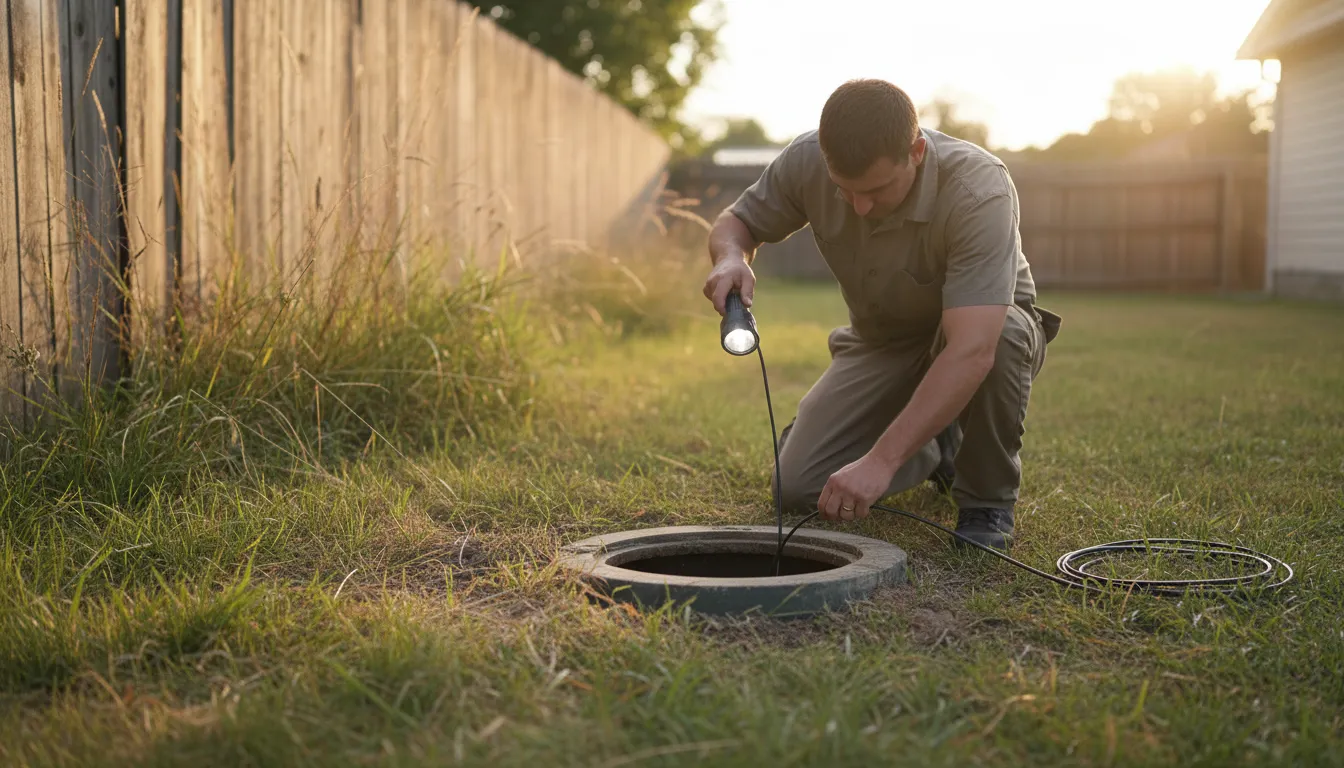
Find the Best Septic Tank Inspection Companies for Your Business
No obligation • Fast responses • Nationwide coverage

Why you can trust Septic Spot
Septic Spot is a leading United States resource for understanding and comparing septic services. Our editors review providers using consistent criteria and verify key business details. Listings and scores are independent, and companies cannot pay to influence our content.
Search providers near you
Top Septic Tank Inspection Companies in Oklahoma City, Oklahoma Ranked
Maintaining a healthy septic system is a critical responsibility for homeowners not connected to municipal sewer lines. A professional septic tank inspection is the most effective way to assess your system's condition, prevent costly failures, and ensure it complies with state regulations. This guide provides Oklahoma City residents with essential information on the inspection process, local rules, and how to find qualified professionals to safeguard their property and the environment.

Kingdom Inspections
225 SW 140th St, Oklahoma City, OK 73170
Kingdom Inspections offers comprehensive septic tank inspections and other property assessment services in Oklahoma City, OK. Their team of certified inspectors evaluates key home systems including septic, sewer, HVAC, and well inspections, helping clients understand the condition of their properties. The company has over 10 years of experience and serves Oklahoma City and surrounding areas such as Edmond, Piedmont, Moore, and Norman.
Assurance Inspection Services
1800 Canyon Park Cir STE 401, Edmond, OK 73013
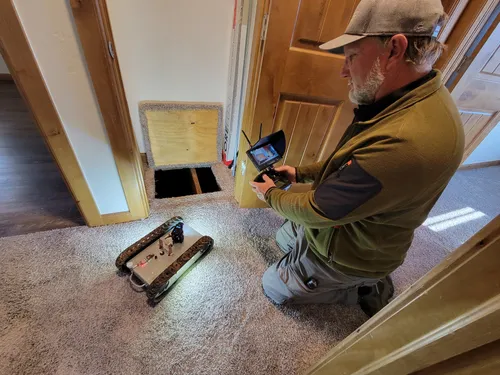
Assurance Inspection Services is a septic tank inspection company based in Oklahoma City, OK. They provide comprehensive inspection solutions including home, commercial, mold and air quality, water well, and septic inspections. With over 10 years of experience and more than 7,000 inspections completed across the OKC metro, they offer expertise in identifying issues related to property safety and environmental hazards. Their services include detailed assessments of septic systems to ensure proper waste management and environmental protection.
Cyclone Septic & Plumbing
11600 OK-33, Guthrie, OK 73044
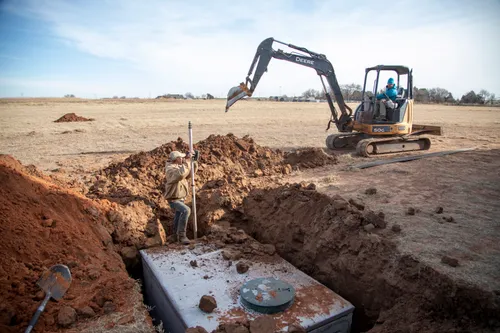
Cyclone Septic & Plumbing is a family-owned business serving Oklahoma City, OK, and nearby areas including Guthrie, Edmond, and Piedmont. Since 2016, they have provided septic tank pumping, installation, inspection, and aerobic maintenance services. The company also offers drain cleaning, water heater installation and repair, and expert installation of storm shelters designed for safety during severe weather. Cyclone Septic & Plumbing participates actively in the Oklahoma Onsite Wastewater Association, supporting industry standards and regulations.
Milty's Boys Septic | OKC Septic Pumping
10624 S McKinley Ave, Oklahoma City, OK 73170
Milty's Boys Septic | OKC Septic Pumping provides septic tank pumping, inspection, and repair services in Oklahoma City, OK. They specialize in maintaining both septic and aerobic treatment systems to ensure compliance with local environmental standards. With a combined 30 years of industry experience, the team offers thorough inspections and routine maintenance advice to help prevent costly repairs and extend system life. Milty's Boys Septic emphasizes integrity and careful workmanship in all their services.
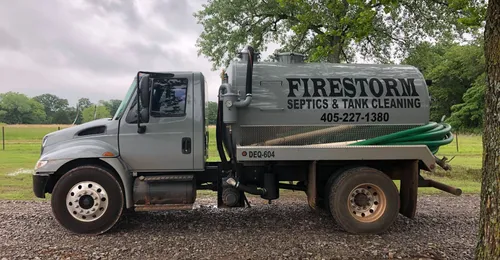
Firestorm Septics & Shelters
6114 US-177, Shawnee, OK 74804
Firestorm Septics & Shelters is a septic system and storm shelter company based in Oklahoma City, OK. They provide septic tank pumping, inspection, repair, installation, and drain field services, along with storm shelter installation. The company is known for handling septic system issues such as lateral line installation and aerobic system repairs. As a locally owned and veteran-owned business, Firestorm Septics & Shelters has built a reputation for thorough work and clear communication. They also offer after-hours service and quick response times, including weekend work when needed.
Understanding Septic Systems in Oklahoma
In Oklahoma, residential wastewater treatment for rural and suburban homes is typically handled by an On-site Wastewater Treatment System (OWTS), commonly known as a septic system. These systems are a private, self-contained method for treating household water from toilets, showers, sinks, and laundry. Proper function is non-negotiable, as a failing system can lead to sewage backups in the home, pollution of groundwater, and the creation of health hazards on your property.
Unlike some states where county health departments manage these systems, oversight in Oklahoma falls under the Oklahoma Department of Environmental Quality (DEQ). The DEQ sets the standards for design, installation, and maintenance to protect public health and water quality. Because of this statewide regulation, it's crucial to work with DEQ-certified professionals for any system evaluation or service.
Why Regular Septic Inspections Are Essential
Scheduling routine septic system evaluations is proactive home maintenance. Think of it like an annual check-up for your home's vital organs. Out of sight should not mean out of mind.
- Prevent Catastrophic Failure: A minor issue like a clogged baffle or overfull tank can escalate into a complete drainfield failure, requiring a replacement that can cost tens of thousands of dollars. Regular checks catch problems early.
- Protect Your Health and Environment: A malfunctioning system can allow untreated sewage to surface or seep into groundwater, contaminating wells and nearby water bodies with harmful bacteria and nutrients.
- Ensure Compliance: The DEQ requires systems to be maintained to prevent pollution. A certified inspection provides documentation that your system is in compliance with state rules.
- Smooth Real Estate Transactions: While not always mandated by state law for every sale, most lenders and cautious buyers will require a passing inspection report before finalizing a home purchase. Having a recent, certified inspection in hand can make your property more attractive and streamline the selling process.
What Happens During a Professional Septic Inspection?
A thorough septic system assessment by a licensed professional is a multi-step process that goes far beyond just looking at the tank. Here's what you can expect during a comprehensive evaluation in Oklahoma City 1:
-
System Location & Documentation: The inspector will locate and uncover the tank's access lids, the distribution box (if present), and map the general area of the drainfield. They may review any available "as-built" diagrams of the system.
-
Tank Integrity & Levels: The inspector will check the tank's structure for cracks or signs of deterioration. They will then measure the key layers inside:
- Scum Layer: The floating layer of grease and oils at the top.
- Liquid Effluent Layer: The clarified wastewater in the middle.
- Sludge Layer: The settled solids at the bottom. Measuring the sludge and scum depth determines if the tank needs to be pumped. If the combined depth of sludge and scum exceeds one-third of the tank's liquid depth, pumping is recommended 2.
-
Baffle & Outlet Inspection: The inlet and outlet baffles (or tees) are critical components that prevent solids from flowing out of the tank and into the drainfield. The inspector will check that they are intact and properly secured.
-
Drainfield Evaluation: The inspector will examine the soil absorption field (drainfield) for signs of failure. Red flags include soggy, spongy soil, foul odors, or unusually lush grass over the field lines, which can indicate surfacing effluent 3.
-
Component Testing (for Advanced Systems): If your home has an aerobic treatment unit (ATU) or a system with a pump, the inspector will test the pump, float switches, aerator, and high-water alarm to ensure all electrical and mechanical components are operational 4.
Find the perfect septic tank inspection companies for your needs
Get personalized recommendations and expert advice
Oklahoma City Regulations and Recommended Frequency
Adhering to Oklahoma's guidelines is key to responsible homeownership. The DEQ provides clear frameworks for system care 5.
- Inspection Frequency: It is generally recommended to have your septic system inspected by a professional every 1 to 3 years. The exact frequency can depend on the system's age, household size, and overall water usage.
- Pumping Frequency: Pumping (removing the accumulated sludge and scum) is typically needed every 3 to 5 years, but an inspection will provide the definitive answer based on actual measurements 6. Never wait until you have a problem to pump your tank.
- Property Transfer Inspections: For home sales, a more rigorous "real estate inspection" is common. This often includes a full tank pump-out to allow for a visual inspection of the tank's interior walls and baffles, providing the highest level of assurance for the buyer 7 8.
Cost of Septic Services in Oklahoma City
Understanding the typical costs for septic services can help you budget effectively. Prices can vary based on tank size, accessibility, and system complexity.
- Standard Inspection: A professional septic system inspection in the Oklahoma City area typically costs between $200 and $500 9. This is a worthwhile investment for peace of mind and preventative care.
- Tank Pumping: Pumping a standard 1,000 to 1,500-gallon tank usually ranges from $300 to $600 or more. If pumping is done in conjunction with an inspection, some companies offer package pricing.
- Soil Testing & Permits: For new system installations or major repairs, soil testing (a perc test and site evaluation) is required and can cost between $350 and $550. The DEQ permit fee for a new residential system is approximately $500 10.
Choosing a Qualified Septic Inspector in Oklahoma City
Your septic system is a significant investment. Protect it by choosing the right professional for the job.
- Verify DEQ Certification: Always choose an inspector or pumper who is certified by the Oklahoma DEQ. This ensures they have the required training and understand state-specific regulations 11. You can ask to see their certification number.
- Ask About the Process: A reputable inspector should be able to clearly explain their inspection process, what they check, and what their report will include. Be wary of anyone who offers a "visual inspection" only without opening the tank.
- Get a Detailed Report: You should receive a written report detailing the findings, including measurements, the condition of components, any issues found, and recommendations for maintenance or repair.
- Check Reviews and References: Look for established local companies with positive reviews from homeowners. Personal referrals from neighbors who use septic systems can also be invaluable.
Maintaining Your System Between Inspections
A professional inspection every few years is crucial, but daily homeowner habits determine your system's long-term health.
- Conserve Water: Spread out laundry loads and fix leaky faucets. Excessive water flow can overwhelm the system.
- Mind What You Flush: Only human waste and toilet paper should go down the toilet. Never flush wipes (even "flushable" ones), feminine hygiene products, dental floss, or cooking grease.
- Use the Trash Can: Avoid using your garbage disposal excessively, as it adds solids to the tank. Dispose of food scraps in the trash or compost.
- Protect the Drainfield: Never park vehicles or build structures over the drainfield. Divect roof drains and yard runoff away from the area to keep the soil from becoming saturated.
Frequently asked questions
Sources
Footnotes
-
PSS-2924 Inspection of Septic Systems - https://extension.okstate.edu/fact-sheets/print-publications/pss/pss-2924-inspection-of-septic-systems-a.pdf ↩
-
Septic Inspection Explained: What Homeowners Can Expect - https://www.townesseptic.com/blog/what-happens-during-a-septic-inspection ↩
-
Septic System Inspections - InterNACHI - https://www.nachi.org/inspecting-septic-systems.htm ↩
-
What to Expect from a Septic Inspection - Wind River Environmental - https://www.wrenvironmental.com/blog/2023/may/what-to-expect-from-a-septic-inspection/ ↩
-
Basic Septic System Rules for Oklahoma - https://extension.okstate.edu/fact-sheets/basic-septic-system-rules-for-oklahoma.html ↩
-
Frequent Questions on Septic Systems | US EPA - https://www.epa.gov/septic/frequent-questions-septic-systems ↩
-
Septic System Basics for Realtors | Oklahoma State University - https://extension.okstate.edu/fact-sheets/septic-system-basics-for-realtors.html ↩
-
Septic System Inspection: Costs, Precautions, and More - https://www.realtor.com/advice/sell/is-the-seller-obligated-to-get-a-septic-system-inspection-on-a-home/ ↩
-
Keep Your Septic System in Working Order - https://extension.okstate.edu/fact-sheets/keep-your-septic-system-in-working-order.html ↩
-
How Much Does a Septic System Cost in Oklahoma? - https://www.cycloneseptics.com/how-much-does-a-septic-system-cost-in-oklahoma/ ↩
-
Oklahoma Septic License & Certification - ServiceTitan - https://www.servicetitan.com/licensing/septic/oklahoma ↩