Find the Best Septic Tank Inspection Companies for Your Business
No obligation • Fast responses • Nationwide coverage

Why you can trust Septic Spot
Septic Spot is a leading United States resource for understanding and comparing septic services. Our editors review providers using consistent criteria and verify key business details. Listings and scores are independent, and companies cannot pay to influence our content.
Search providers near you
Top Septic Tank Inspection Companies in Tulsa, Oklahoma Ranked
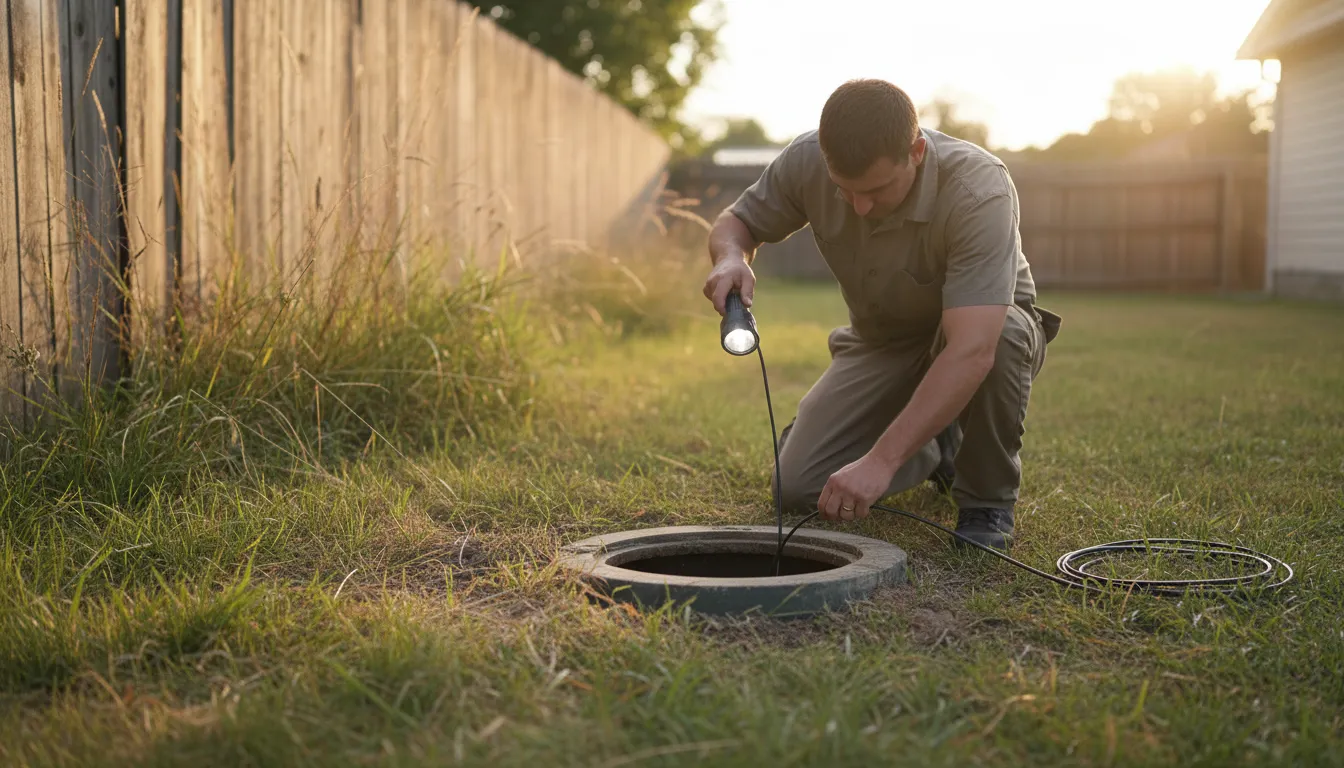
A septic tank inspection is a professional assessment of your entire on-site wastewater treatment system. This evaluation is crucial for protecting your property's value, ensuring public health, and preventing environmental contamination. In Tulsa, these inspections are often required for real estate transactions and are a key part of responsible homeownership. This guide will help you understand the process, regulations, and typical costs, empowering you to find qualified local professionals for your system evaluation.
Milty's Boys Septic
Tulsa, OK
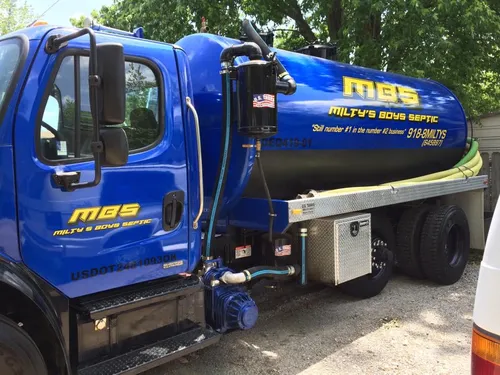
Milty's Boys Septic is a septic tank pumping, inspection, and repair company serving Tulsa, OK. They specialize in maintaining septic and aerobic treatment systems to ensure compliance with Oklahoma Department of Environmental Quality standards. The team has a combined 30 years of experience handling a range of septic system needs, from routine maintenance to more complex repairs. Milty's Boys emphasizes thorough inspections and regular maintenance to help prevent costly issues and keep systems operating smoothly.
J&J Pumping Services
7128 E 141st St N, Collinsville, OK 74021
J&J Pumping Services is a septic tank pumping, inspection, and repair company based in Tulsa, OK. They provide conventional and aerobic septic tank pumping, thorough 10-point system inspections, and same-day repairs for many issues. The company uses state-of-the-art equipment to pump tanks down to less than 5% of their volume, ensuring compliance with Department of Environmental Quality standards. They also sanitize tank interiors and provide full pump reports detailing waste disposal. J&J Pumping Services offers 24-hour emergency service and sends automatic reminders for routine maintenance.
ClearFlow Septic
16855 S Memorial Dr, Bixby, OK 74008
ClearFlow Septic is a septic service provider based in Tulsa, OK, serving residential and commercial clients in Tulsa and nearby cities including Bixby, Glenpool, and Broken Arrow. They offer a full range of septic services such as system installation, repairs, pumping, inspections, and sewer line services. ClearFlow Septic specializes in both conventional and aerobic septic systems, which are suited for properties with challenging soil conditions. Their team is skilled in handling routine maintenance as well as complex septic system issues to ensure efficient operation and compliance with local regulations.
Groundworks
11160 S 225th E Ave, Broken Arrow, OK 74014
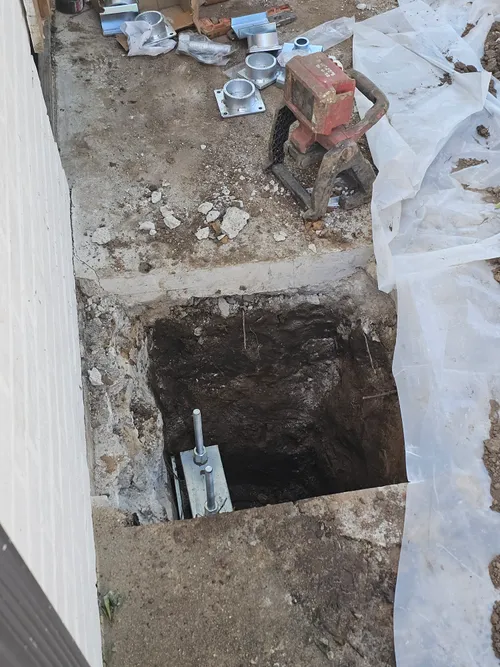
Groundworks is a septic tank inspection and repair company serving Tulsa, OK. They provide thorough inspections and septic system repairs, helping homeowners maintain and protect their properties. Groundworks is known for detailed assessments and clear communication throughout the repair process. Their team also offers crawl space services, including pier installations and encapsulation. The company operates with extended hours throughout the week to accommodate customer needs.
Baltimore Septic Services
1766 Co Rd 2535, Hominy, OK 74035
Baltimore Septic Services is a septic tank pumping and inspection company serving Tulsa, OK. They specialize exclusively in septic tank cleaning, including traditional and aerobic septic systems. The company is owned and operated by Lawrence and Michelle Baltimore, who bring decades of experience and knowledge to their work. Baltimore Septic Services is fully licensed and insured, following Oklahoma Department of Environmental Quality regulations. They provide personalized service tailored to each septic system and offer complimentary inspections with every pumping service.
Why Septic System Evaluations Are Essential in Tulsa
Regular septic system inspections are not just a good idea-they are a critical maintenance task for any Tulsa home not connected to municipal sewer lines. A failing system can lead to sewage backups in your home, foul odors in your yard, and contamination of groundwater, which is a serious concern for properties using well water. The Oklahoma Department of Environmental Quality (DEQ) regulates these systems to protect public health and the environment, and many mortgage lenders require a passing inspection report before approving a home loan. By scheduling routine assessments, you can identify minor issues like a clogged baffle or a small tank crack before they escalate into a complete-and very expensive-drain field failure.
Oklahoma and Tulsa-Area Regulations You Should Know
Understanding local and state rules is key to ensuring your system is compliant and functioning properly.
- Licensing Requirements: In Oklahoma, anyone who installs, repairs, or inspects a septic system must be licensed by the DEQ. Always verify that the professional you hire holds a current state license.
- Inspection Frequency: While the DEQ may not mandate annual inspections for all systems, industry experts and the Oklahoma State University Extension strongly recommend a full system inspection and pumping every 3 to 5 years for typical residential use. Systems that are older, undersized, or experience heavy use may require annual check-ups.
- System Location & Access: Regulations specify that a septic tank must be located at least 5 feet from a home (with 10-25 feet being more common) and have accessible inspection ports 1. Modern, compliant tanks are required to have manholes at least 20 inches in diameter over each compartment for proper access 1.
- Property Requirements: Generally, a minimum lot size of 10,000 square feet is required for an On-site Water Treatment System (OWTS), with larger lots necessary if the property uses a private well 2.
What a Professional Septic Inspection Involves
A comprehensive septic system assessment is a multi-step process conducted by a trained specialist. Here's what you can expect during a typical evaluation in Tulsa:
- Locating the System: The inspector will first locate the septic tank and drain field. This may involve reviewing property records, using a probe rod, or even employing electronic locating equipment if the lids are buried deep.
- Uncovering and Opening Lids: The technician will excavate and remove the soil covering the tank's access lids (manholes) to open the tank for internal inspection.
- Checking Liquid Levels: A key diagnostic step is measuring the liquid level, or "scum and sludge" depth, inside the tank. A level that is too high can indicate a blockage or drain field failure, while a level that is too low may suggest a leak.
- Assessing Tank Components: The inspector will examine the inlet and outlet pipes, baffles or tees, and the tank walls themselves for signs of corrosion, cracks, or blockages that could impede wastewater flow.
- Evaluating the Drain Field: The inspection extends to the drain field (leach field). The professional will look for telltale signs of failure, such as soggy ground, standing water, or unusually lush vegetation, which indicate that effluent is not properly percolating into the soil 3.
- Pumping (If Required or Recommended): Often, the tank must be pumped to allow for a thorough inspection of the tank's bottom and walls for structural integrity. Pumping is also a standard part of routine maintenance 4.
Find the perfect septic tank inspection companies for your needs
Get personalized recommendations and expert advice
Understanding Inspection Costs in Tulsa
The cost of a septic system inspection in Tulsa can vary based on the scope of service and your system's condition.
- Inspection-Only Service: If you are scheduling a routine check-up without pumping, you can generally expect costs to range from $250 to $500 5.
- Inspection with Pumping: A combined service, which is very common, typically costs between $300 to $600 or more 6. The final price depends on your tank's size (e.g., 1,000-gallon vs. 1,500-gallon) and the volume of accumulated sludge.
- Factors That Increase Cost: Be aware that prices can rise if your tank is exceptionally difficult to locate, if the access lids are buried under several feet of soil or pavement, or if the initial inspection reveals problems that require further diagnosis or immediate repair.
Example Tulsa-Area Service Scenarios
To give you a clearer picture of potential investments:
- Routine Inspection: For a standard 3-bedroom home with no apparent issues, a basic inspection that includes opening and visually assessing the tank might cost around $350.
- Routine Maintenance Visit: A standard service call to inspect and pump a 1,000-gallon septic tank in the Tulsa area often totals between $450 and $600 7 8.
Choosing the Right Inspection Professional
Selecting a qualified inspector is the most important step. Start by confirming the company holds an active Oklahoma DEQ license for septic system inspection 9. Look for established local companies with strong reputations, read verified customer reviews, and ask for sample inspection reports to understand the depth of their assessment. A reputable professional will be happy to explain their process, provide a detailed written estimate, and walk you through their findings on-site. They should view the inspection as an educational opportunity for you, the homeowner, not just a transaction.
Frequently asked questions
Sources
Footnotes
-
Okla. Admin. Code § 252:641-7-3 - Design | State Regulations - https://www.law.cornell.edu/regulations/oklahoma/OAC-252-641-7-3 ↩ ↩2
-
Septic System Basics for Realtors | Oklahoma State University - https://extension.okstate.edu/fact-sheets/septic-system-basics-for-realtors.html ↩
-
Septic System Inspections - InterNACHI - https://www.nachi.org/inspecting-septic-systems.htm ↩
-
What to Expect from a Septic Inspection - https://www.wrenvironmental.com/blog/2023/may/what-to-expect-from-a-septic-inspection/ ↩
-
A Complete Guide to Septic System Inspections | GAI Inc - https://www.guardianangelinspections.com/complete-guide-septic-system-inspection ↩
-
Inspection of Septic Systems | Oklahoma State University - https://extension.okstate.edu/fact-sheets/inspection-of-septic-systems.html ↩
-
Why Regular Septic Inspections Are Crucial for Tulsa Properties - https://vocal.media/journal/why-regular-septic-inspections-are-crucial-for-tulsa-properties ↩
-
Septic Inspection Process: What Homeowners Should Know | LunsPro - https://www.lunspro.com/vlog/the-septic-system-inspection-process-what-homeowners-should-know ↩
-
Oklahoma Septic License & Certification - ServiceTitan - https://www.servicetitan.com/licensing/septic/oklahoma ↩