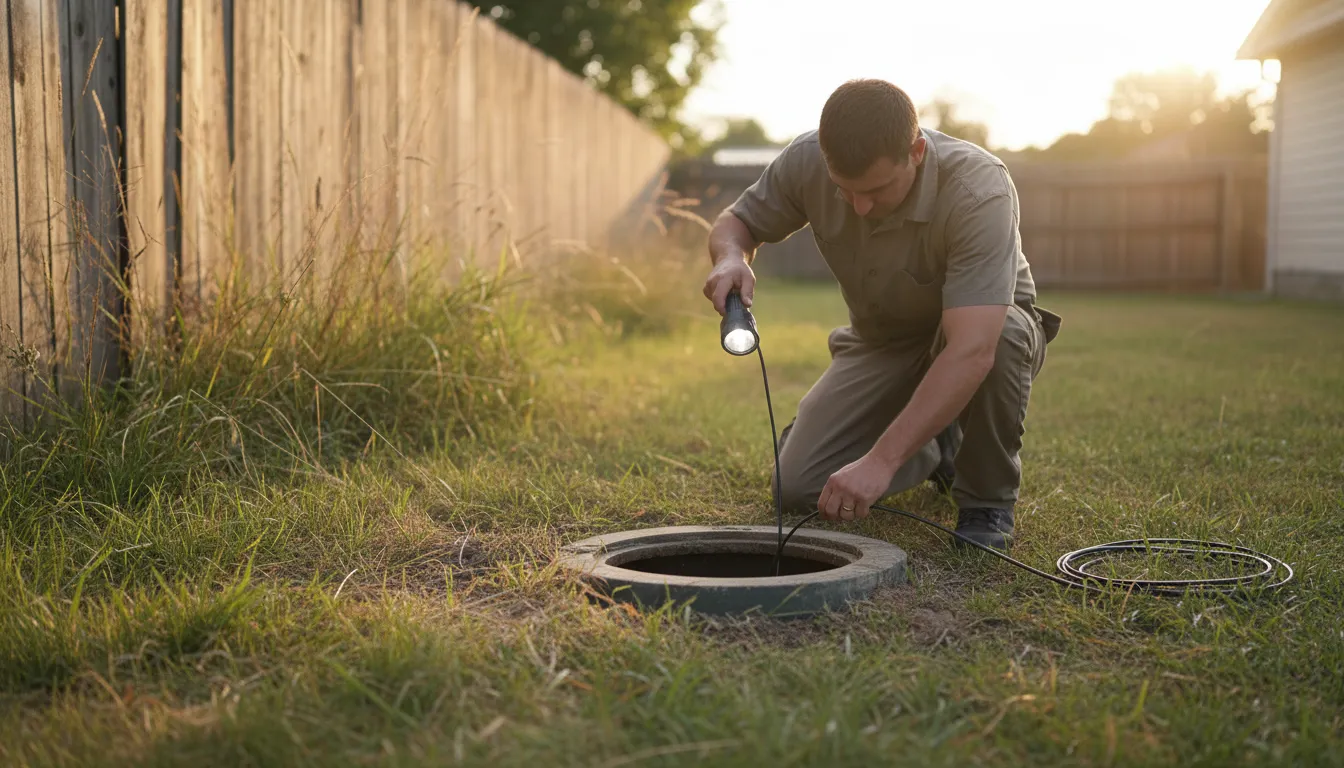
Find the Best Septic Tank Inspection Companies for Your Business
No obligation • Fast responses • Nationwide coverage

Why you can trust Septic Spot
Septic Spot is a leading United States resource for understanding and comparing septic services. Our editors review providers using consistent criteria and verify key business details. Listings and scores are independent, and companies cannot pay to influence our content.
Search providers near you
Top Septic Tank Inspection Companies in Tigard, Oregon Ranked
A septic system inspection is a vital check-up for your home's private wastewater treatment system, ensuring it's functioning safely and efficiently. In Tigard, these evaluations are particularly important due to local soil conditions and regulations designed to protect public health and the environment. This guide will help you understand the inspection process, local requirements, and how to find qualified professionals to assess your system.
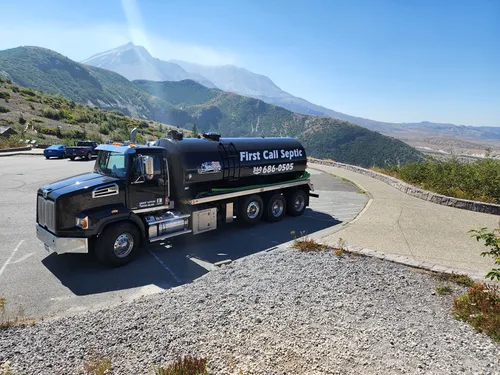
First Call Septic Service
7630 NE 219th St Suite A, Battle Ground, WA 98604
First Call Septic Service provides septic tank pumping, inspection, and cleaning services in Vancouver, WA. They serve multiple communities within Clark, Skamania, and Cowlitz counties, including Battle Ground, Camas, and Ridgefield. The company specializes in onsite sewage treatment and uses current tools and equipment to maintain septic systems effectively.
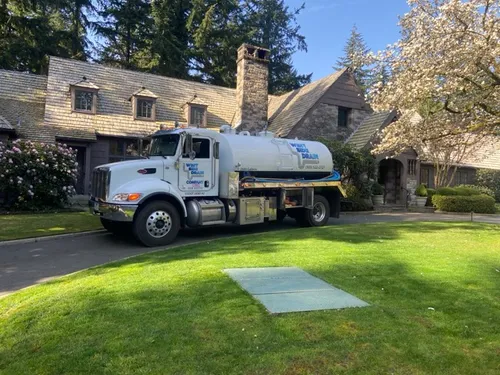
West Side Drain and Septic
Hillsboro, OR
West Side Drain and Septic is a septic tank pumping, inspection, repair, and pump replacement company serving Hillsboro, OR, and the greater Portland Metro Area. With over 16 years of experience, they provide comprehensive septic system services including 24-hour drain cleaning and emergency repairs. Their fully equipped trucks and trained technicians handle a wide range of septic and drain issues, ensuring thorough diagnosis and effective solutions. The company is family owned, licensed, and insured, with a focus on clear communication and quality workmanship.
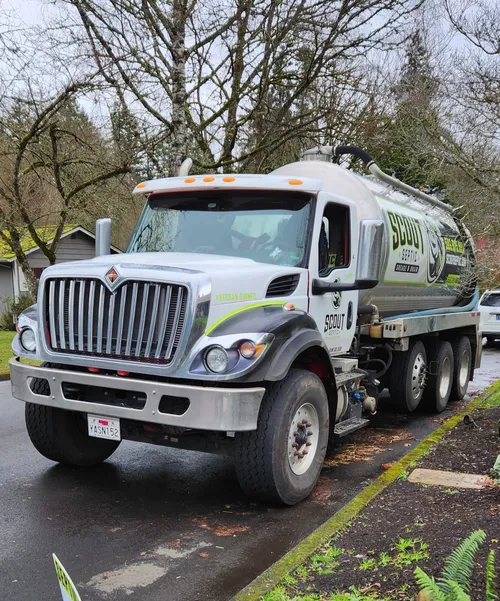
Scout Septic, Grease & Drain
15535 SE 287th Ave, Boring, OR 97009
Scout Septic, Grease & Drain provides septic tank pumping, inspection, repair, and installation services in Portland, OR. They also specialize in grease trap cleaning, pipe and drain cleaning including hydro jetting, as well as grading and excavation for residential and commercial properties. The company uses modern equipment and techniques to maintain and repair wastewater systems efficiently. Scout Septic offers 24/7 availability to address emergency needs and ensure continuous service.
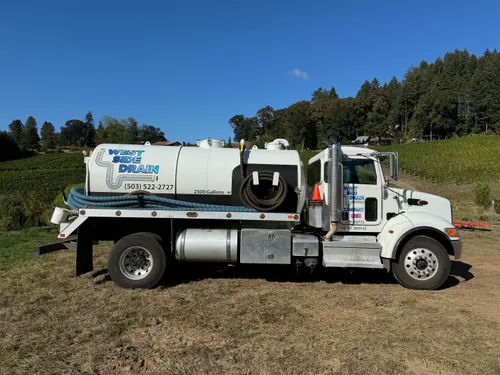
West Side Drain and Septic
9460 SW Tigard St STE 102 A, Tigard, OR 97223
West Side Drain and Septic is a septic tank pumping, inspection, and repair company serving Portland, OR, and the surrounding metro area. They provide comprehensive septic system services including maintenance, repairs, and emergency drain cleaning. The company is equipped with fully stocked service vehicles and uses advanced tools like cameras and drain scrubbing equipment to diagnose and resolve issues efficiently. With over 16 years of experience, West Side Drain and Septic offers 24-hour service to address urgent plumbing and septic needs.
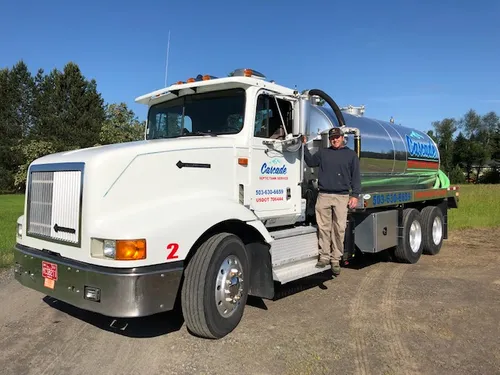
Cascade Septic Tank Service
Portland, OR
Cascade Septic Tank Service is a family-, veteran-, and woman-owned business serving Portland, OR, and Clackamas County with over 45 years of experience. They provide a range of septic services including pumping, inspection, repair, installation, and troubleshooting technical issues. The company is DEQ- and Orenco-certified, ensuring adherence to high standards of quality and environmental responsibility. Cascade Septic Tank Service is committed to environmentally friendly solutions and offers military and senior discounts.
Why Septic System Inspections Matter in Tigard
Septic systems are common in many Tigard neighborhoods not connected to municipal sewer lines. A failing system is more than an inconvenience; it can lead to sewage backups in your home, contamination of groundwater, and costly environmental hazards. Regular inspections are your first line of defense. They help identify minor issues-like a clogged effluent filter or a high sludge level-before they escalate into major repairs or system failure 1 2. In Washington County, which oversees Tigard, professional inspections are a key part of responsible homeownership and are often mandated during property transfers to ensure compliance with Oregon Department of Environmental Quality (DEQ) regulations 3 4.
Local Regulations and Inspection Frequency
Septic systems in Tigard are regulated by the Washington County Environmental Health Onsite Sewage Program, which operates under state DEQ rules.
- Recommended Frequency: The U.S. Environmental Protection Agency (EPA) recommends having your septic tank inspected at least every three years. The tank itself is typically pumped every three to five years, but the required frequency depends entirely on household size and usage. An inspection will determine if pumping is needed.
- Property Sales: If you are selling your home, a septic inspection is highly recommended and is frequently required by lenders. This ensures the system is compliant and functioning properly, smoothing the real estate transaction.
- System Records: Before an inspection, it's helpful to locate your system's "as-built" drawing. This design document shows the tank and drain field location. You can request a copy from Washington County Environmental Health.
What a Professional Septic Inspection Involves
A thorough septic system evaluation is a multi-step process conducted by a licensed professional. Here's what you can expect during a standard inspection in Tigard:
- Locating & Exposing the Tank: The inspector will locate the tank lids, which may require probing or referencing county records, and excavate to uncover them for access.
- Checking Tank Integrity: The inspector opens the tank to check for foul odors, which can indicate problems. They visually inspect the tank's interior and exterior for signs of corrosion, cracks, or structural damage 5.
- Measuring Scum and Sludge Levels: This is a critical step. Using specialized tools, the inspector measures the thickness of the scum layer (floating solids) and the sludge layer (settled solids). If the sludge layer is too thick, it means the tank needs to be pumped to prevent solids from flowing into the drain field and causing failure 6.
- Inspecting Components: The inspector checks the baffles (which direct flow) and the effluent filter (if present). A clogged filter is a common issue that can be easily cleaned or replaced during the inspection 7.
- Evaluating the Drain Field: The inspector examines the drain field (or leach field) area for warning signs like pooling water, overly soggy soil, or surfacing sewage. These are indicators of a failing absorption field 8.
Find the perfect septic tank inspection companies for your needs
Get personalized recommendations and expert advice
Understanding Inspection and Pumping Costs
Costs for septic services in Tigard can vary based on tank size, accessibility, and the scope of work needed. Here's a general breakdown based on industry averages:
- Inspection Only: A standard visual and operational inspection typically costs between $100 and $250 9.
- Pumping/Cleaning Only: Pumping a septic tank generally ranges from $250 to $1,400 or more, with the price heavily dependent on tank capacity (e.g., 1,000-gallon vs. 1,500-gallon) 10.
- Combined Inspection and Pumping: It's very common to schedule these services together. If the inspection reveals the tank needs to be pumped, the total cost for both services often falls in the $400 to $600 range for a standard residential system 11.
When Repairs or Permits Are Needed
If an inspection uncovers problems-such as a damaged tank, failing drain field, or the need for a system alteration-you will need to take further action. Any repair or alteration to a septic system in Washington County requires a permit from the Environmental Health department. A qualified septic professional can guide you through the permit application process, which ensures the work meets all current health and safety standards.
Maintaining Your System Between Inspections
Professional inspections are crucial, but day-to-day care extends the life of your system. Avoid flushing anything besides human waste and toilet paper. Never pour grease, chemicals, or medications down the drain. Conserve water to avoid overloading the system, and keep vehicles and heavy structures off the drain field area. Keeping a record of all inspections, pumpings, and repairs is also highly recommended for future reference and for potential home buyers 12.
Frequently asked questions
Sources
Footnotes
-
About Septic Systems : Residential Resources - Oregon.gov - https://www.oregon.gov/deq/residential/pages/onsite-about.aspx ↩
-
How to Care for Your Septic System | US EPA - https://www.epa.gov/septic/how-care-your-septic-system ↩
-
Onsite Sewage Permits | Washington County, OR - https://www.washingtoncountyor.gov/environmental-health/onsite-sewage-permits ↩
-
Septic Systems Oregon Coast Guide for Homeowners - https://audrascoasthomes.com/blog/septic-systems-and-sewer-lines-what-every-oregon-coast-homeowner-should-know ↩
-
Free Septic Tank Inspection Templates | PDF - https://safetyculture.com/checklists/septic-tank-inspection ↩
-
What to Expect from a Septic Inspection - https://www.wrenvironmental.com/blog/2023/may/what-to-expect-from-a-septic-inspection/ ↩
-
Understand the Septic Inspection Process - https://www.cetaylorandsoninc.com/understand-the-septic-inspection-process ↩
-
Septic Inspection Process: What Homeowners Should Know | LunsPro - https://www.lunspro.com/vlog/the-septic-system-inspection-process-what-homeowners-should-know ↩
-
Exploring the Costs of Septic Tank Inspections: What to Expect - https://www.theflushfellas.com/exploring-the-costs-of-septic-tank-inspections-what-to-expect ↩
-
How Much Does Septic Tank Pumping Cost? - The Spruce - https://www.thespruce.com/septic-tank-cleaning-cost-7561193 ↩
-
2026 Guide to Septic Inspection in Georgia - https://dandhsepticservices.com/septic-inspection-in-georgia/ ↩
-
Frequent Questions on Septic Systems | US EPA - https://www.epa.gov/septic/frequent-questions-septic-systems ↩