Find the Best Septic Tank Inspection Companies for Your Business
No obligation • Fast responses • Nationwide coverage

Why you can trust Septic Spot
Septic Spot is a leading United States resource for understanding and comparing septic services. Our editors review providers using consistent criteria and verify key business details. Listings and scores are independent, and companies cannot pay to influence our content.
Search providers near you
Best Septic Tank Inspection Companies in Pennsylvania Ranked
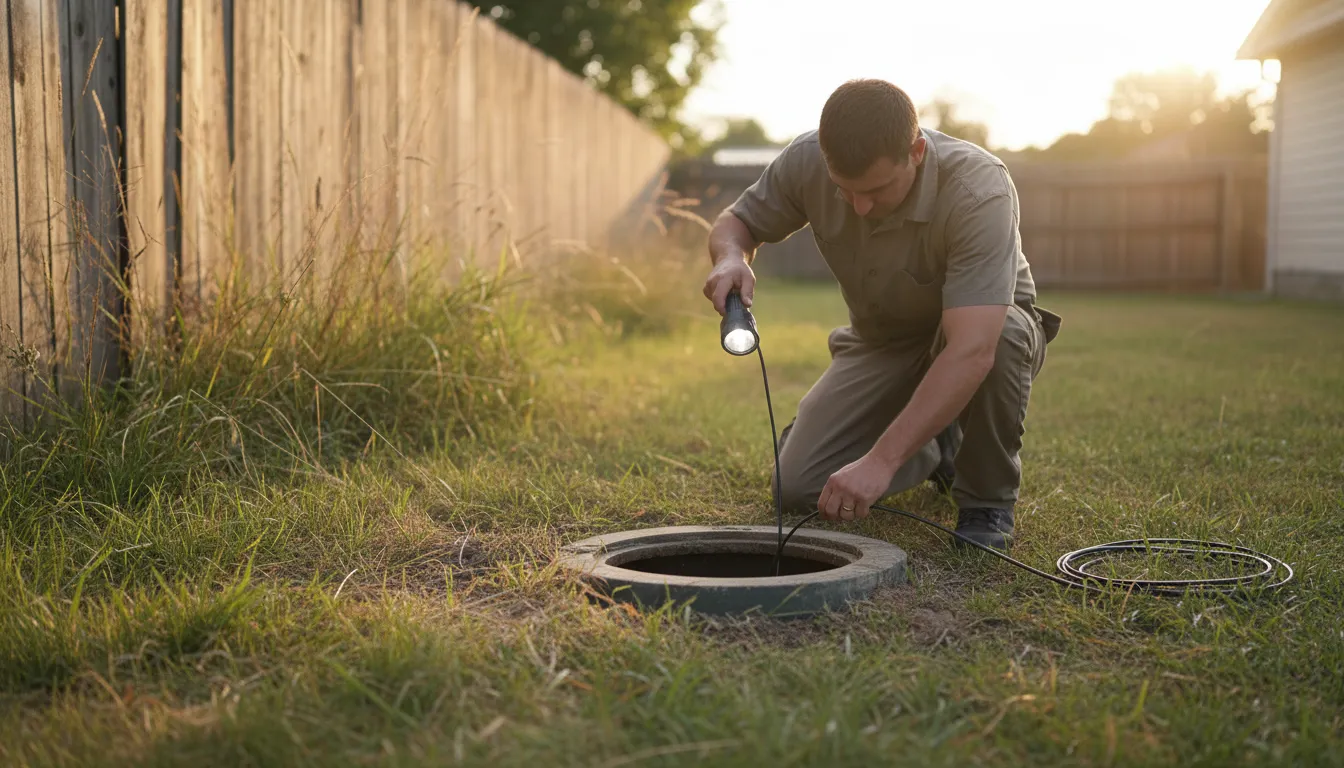
A septic tank inspection is a professional evaluation of your onsite wastewater treatment system to ensure it is functioning properly and safely. Regular inspections are crucial in Pennsylvania to protect your property value, prevent costly environmental contamination, and comply with local health regulations. This guide helps you understand the process, regulations, and typical costs for septic system evaluations across the state, connecting you with the information needed to find qualified local professionals for your maintenance needs.

CDA Inspection Services
173 Green St, Emmaus, PA 18049
CDA Inspection Services is a certified home and commercial inspection company serving Allentown, PA, and surrounding areas including Northampton, Macungie, Bethlehem, and Easton. They offer a range of inspection services such as home inspections, commercial property evaluations, septic system inspections, sewer lateral scopes using high-definition cameras, pool inspections, well inspections with yield testing, mold and radon testing, termite inspections, water testing, lead paint testing, and walk-through consultations. Their septic inspections include visual and minimally invasive assessments of septic tanks and absorption systems to help ensure system functionality and safety.

Revelation Plumbing
120 Seville Ave, Pittsburgh, PA 15214
Revelation Plumbing is a family-owned plumbing company serving Pittsburgh, PA, and surrounding areas. They specialize in septic tank inspection, repair, and installation, as well as drain field repair and septic pump services. The company is known for its expertise in trenchless sewer lining, allowing repairs without extensive excavation. Revelation Plumbing holds NASSCO certification and offers emergency plumbing services, including same-day response for urgent issues. Their team is licensed and insured, providing professional solutions tailored to local plumbing needs.

Allied Inspection Services Inc.
142 W Main St Suite 4, Macungie, PA 18062
Allied Inspection Services Inc. is a septic tank inspection company based in Allentown, PA. They offer a range of inspection services including septic inspections, home inspections, radon testing, water testing, mold testing, and commercial inspections. The company serves multiple counties including Berks, Bucks, Lehigh, Northampton, Schuylkill, Carbon, Montgomery, and Monroe. Allied Inspection Services Inc. provides certified inspections to help clients make informed purchasing decisions.
EcoFlow Septic
Philadelphia, PA
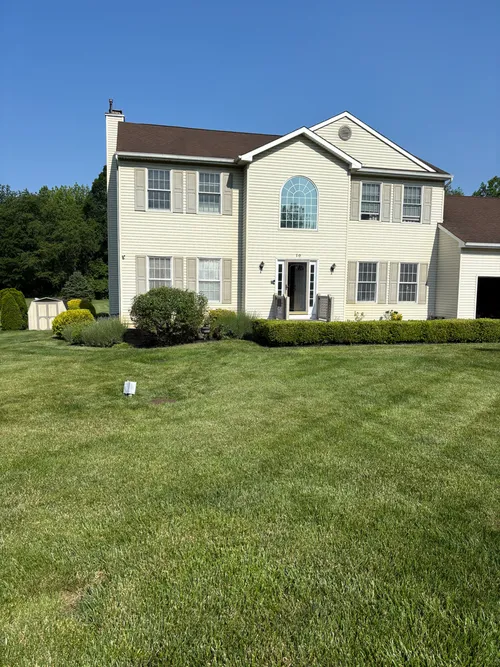
EcoFlow Septic is a veteran-owned company providing residential septic and sewer services in Philadelphia, PA. They offer septic tank pumping, inspections, and repairs with a focus on detailed, code-compliant work. The company emphasizes clear communication and practical solutions to help homeowners and realtors manage septic system maintenance and real estate inspections with confidence. EcoFlow Septic aims to protect homes, investments, and the environment through honest and professional service.
Septix
455 Texas Rd, Easton, PA 18042
Septix is a septic tank pumping, inspection, repair, and installation company based in Allentown, PA. They offer comprehensive septic system services, including emergency response for alarms and backups. Septix provides 24/7 emergency services to address urgent septic problems promptly. Customers can schedule consultations to diagnose issues and receive repair or replacement solutions.
Why Septic Inspections Are Essential in Pennsylvania
For the over 1.3 million Pennsylvania households relying on septic systems, routine inspections are not just a recommendation-they are a critical component of responsible homeownership1. A malfunctioning system can lead to sewage backups in your home, contamination of groundwater and nearby streams, and the creation of serious public health hazards. In many Pennsylvania municipalities, regular inspections are legally mandated through local Sewage Management Programs (SMPs)2 3. Proactive checks help identify minor issues like a full tank or a failing pump before they escalate into major repairs or a complete system failure, which can cost tens of thousands of dollars to replace.
Pennsylvania Septic Inspection Regulations and Requirements
Septic system oversight in Pennsylvania is a shared responsibility between state agencies and local governments. The foundational rules are found in the PA Code Title 25, Chapters 72 and 73, which set the administrative and technical standards for onsite systems4. However, enforcement and specific management are typically handled at the county or municipal level by appointed Sewage Enforcement Officers (SEOs) 5.
Key Regulatory Points:
- Permits Are Mandatory: A permit from your local SEO is required for any new system installation, major repair, or replacement 6. This process involves site testing, including soil evaluations and often percolation tests.
- Local Management Programs: Many townships and boroughs operate SMPs that dictate specific inspection and pumping schedules for all systems within their jurisdiction. It's vital to check with your local municipality for your exact requirements.
- Real Estate Transactions: While not always a state mandate, a septic inspection is highly recommended and often required by lenders during a property sale. A clean inspection report can prevent costly delays or renegotiations.
Recommended Inspection and Pumping Frequency
The U.S. Environmental Protection Agency (EPA) and Pennsylvania experts provide clear guidelines for system maintenance. The frequency depends on several factors, including household size, total wastewater generated, the volume of solids, and the tank size.
- Pumping: Generally recommended every 3 to 5 years 7. Smaller tanks or larger households will require more frequent service.
- Professional Inspection: Should be conducted more often than pumping-typically every 1 to 3 years 8. An inspection can determine if pumping is needed without automatically scheduling the service.
- The "One-Third" Rule: A tank should be pumped when an inspection reveals that the combined sludge and scum layers fill more than one-third of the tank's total liquid depth.
Special Consideration for Older Systems: Homes with systems installed before 1971 may have smaller tanks (often under 900 gallons), which require more vigilant monitoring and more frequent maintenance9 10.
What Does a Professional Septic Inspection Cover?
A comprehensive septic system evaluation goes beyond just checking the tank level. A qualified inspector will assess multiple components to provide a complete picture of your system's health11.
Standard Inspection Components:
- Locating & Accessing the System: The inspector will locate and uncover the tank access lids.
- Tank Assessment: This is the core of the inspection. The inspector will measure the sludge and scum layers to determine if pumping is needed and inspect the tank's interior (if possible) for structural integrity, cracks, or baffle damage.
- Drainfield Evaluation: The inspector will check the area over the drainfield (leach field) for signs of failure, such as soggy soil, foul odors, or unusually lush grass growth.
- Mechanical Component Check: If your system includes a pump, siphon, or electrical controls, these will be tested for proper operation.
- Flow Test: To check for blockages or backups, the inspector may run water through household fixtures to verify the system accepts and disperses wastewater properly.
- Dye Test (if applicable): In some cases, a non-staining dye may be introduced into the system to visually confirm wastewater is surfacing in the drainfield, indicating a failure.
Find the perfect septic tank inspection companies for your needs
Get personalized recommendations and expert advice
Understanding Septic Inspection Costs in Pennsylvania
The cost of a septic inspection in Pennsylvania varies based on the type of inspection, the size and complexity of your system, and your location. Here is a breakdown of typical price ranges12 13:
- Routine Maintenance Inspection: $200 to $550. This is a standard check of sludge levels and system components to guide your maintenance schedule.
- Real Estate Transfer Inspection: $550 to $1,300 or more. This is a more thorough evaluation often required during a home sale. It includes a full written report and may involve more extensive testing like a dye test or a flow test through all plumbing fixtures.
- Pumping Service: $250 to $600. While not part of the inspection fee, pumping is often performed if the inspection warrants it. The combined cost of an inspection and pumping typically falls between $450 and $1,000.
Always request a detailed quote that outlines exactly what services are included before hiring a professional.
How to Prepare for a Septic Inspection
A little preparation can ensure your inspection goes smoothly and provides accurate results.
- Know Your System's Location: Have a general idea of where your tank and drainfield are. If you have a diagram or "as-built" sketch from the original installation, provide it to the inspector.
- Ensure Access: Clear any debris, vehicles, or landscaping from above the tank lids and the drainfield area.
- Provide Access to the Home: The inspector will need to run water and flush toilets. Ensure all interior areas with plumbing are accessible.
- Have Records Ready: Provide any past inspection reports, pumping receipts, or permit documentation. This history is valuable for the inspector.
Signs You May Need an Inspection Immediately
Don't wait for a scheduled check if you notice any of these warning signs of a failing system:
- Sewage backups in household drains or toilets.
- Gurgling sounds in your plumbing.
- Slow draining sinks, showers, or tubs.
- Standing water or soggy, bright green grass over the drainfield.
- Unpleasant odors around the tank or drainfield area.
If you observe any of these issues, contact a professional for an inspection as soon as possible to diagnose and address the problem.
Frequently asked questions
Sources
Footnotes
-
SEPTIC SYSTEMS 101 | PASEO - https://pa-seo.org/septic-systems-101/ ↩
-
The Ins and Outs of Septic Systems in Pennsylvania - https://www.eastvincent.org/vertical/sites/%7B5B8F1E55-6CA8-450E-BB40-12A8385B1313%7D/uploads/septicsystems%281%29.pdf ↩
-
Pennsylvania Septic System Guide: Costs, Regulations, and ... - https://findaseptic.com/blog/pennsylvania-septic-system-guide ↩
-
25 Pa. Code § 73.31. Standards for septic tanks. - https://www.pacodeandbulletin.gov/Display/pacode?file=/secure/pacode/data/025/chapter73/s73.31.html&d=reduce ↩
-
What are the standard procedures and guidelines for septic ... - https://www.carrollvalley.org/codes-enforcement-zoning/faq/what-are-standard-procedures-and-guidelines-septic-system-testing ↩
-
Montgomery County PA Septic Permits & Regulations (2026) - https://septicandwell.com/pennsylvania/montgomery/regulations ↩
-
How to Care for Your Septic System | US EPA - https://www.epa.gov/septic/how-care-your-septic-system ↩
-
Septic Systems | Department of Environmental Protection | Commonwealth of Pennsylvania - https://www.pa.gov/agencies/dep/residents/my-water/septic-systems ↩
-
ACT 537: UNDERSTANDING SEPTIC SYSTEMS - https://allentownship.org/forms/dep_septic_systems.pdf ↩
-
PUMP It Out! - https://www.crcog.net/vertical/sites/%7B6AD7E2DC-ECE4-41CD-B8E1-BAC6A6336348%7D/uploads/Sewer_Brochure%281%29.pdf ↩
-
What to Expect from a Septic Inspection - https://www.wrenvironmental.com/blog/2023/may/what-to-expect-from-a-septic-inspection/ ↩
-
Septic Maintenance Berks County: Expert Care & Cost Guide - https://thomasbechtoldteam.com/blog/septic-system-care-for-rural-homes-in-berks-county ↩
-
How Much Does a Septic Inspection Cost? [2026 Data] - Angie's List - https://www.angi.com/articles/septic-inspection-cost.htm ↩