Find the Best Septic Tank Inspection Companies for Your Business
No obligation • Fast responses • Nationwide coverage

Why you can trust Septic Spot
Septic Spot is a leading United States resource for understanding and comparing septic services. Our editors review providers using consistent criteria and verify key business details. Listings and scores are independent, and companies cannot pay to influence our content.
Search providers near you
Top Septic Tank Inspection Companies in Philadelphia, Pennsylvania Ranked
A septic tank inspection is a professional assessment of your on-site wastewater system's condition and functionality. For Philadelphia homeowners with septic systems, these evaluations are crucial for protecting your property value, ensuring environmental safety, and preventing costly system failures. This guide explains what a septic system inspection entails, why it's important for local residents, and how you can find qualified professionals to perform this essential service.
EcoFlow Septic
Philadelphia, PA
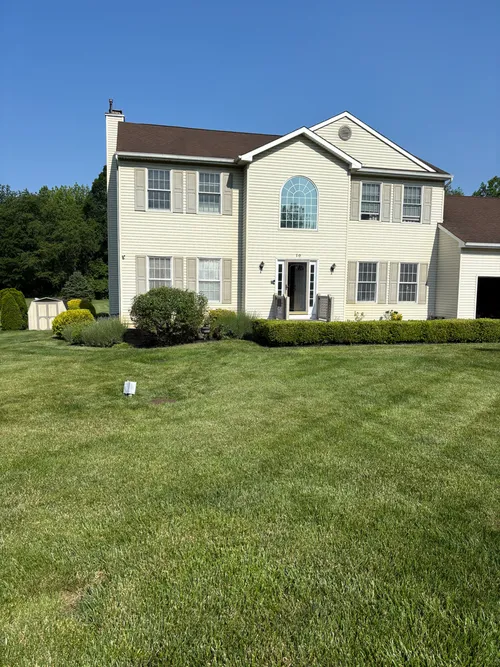
EcoFlow Septic is a veteran-owned company providing residential septic and sewer services in Philadelphia, PA. They offer septic tank pumping, inspections, and repairs with a focus on detailed, code-compliant work. The company emphasizes clear communication and practical solutions to help homeowners and realtors manage septic system maintenance and real estate inspections with confidence. EcoFlow Septic aims to protect homes, investments, and the environment through honest and professional service.
Don E Miller Septic Service Inc & Donny's Potty's
362 Meany Rd, North Hanover, NJ 08562
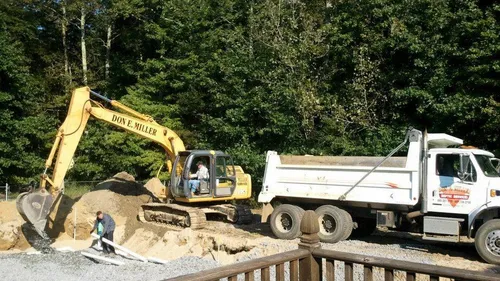
Don E Miller Septic Service Inc & Donny's Potty's is a family-owned septic service provider based near Philadelphia, PA. They offer a wide range of septic system services including pumping, inspections, repairs, and installations, as well as portable toilet rentals for residential, commercial, and municipal customers. The company has been serving the North Hanover Township area and surroundings since 1963, providing expertise in maintaining and installing various septic system components such as dosing pumps, grease traps, and effluent filters.
Classic Septic Inspections
New York, NY
Classic Septic Inspections provides septic and sewer inspection services in New York, NY, and the surrounding tri-state area. Their team offers thorough inspections for septic tanks, cesspools, seepage pits, disposal fields, and sewer lines using fiber-optic cameras to detect and locate issues. They serve home buyers, sellers, and owners with pre-sale inspections and general septic system evaluations. Classic Septic Inspections covers multiple counties in New York, New Jersey, and Connecticut, supporting real estate transactions and ongoing maintenance needs.

Decker Septic
29 Constitution Dr, Vincentown, NJ 08088
Decker Septic is a septic system service provider based near Philadelphia, PA. They offer a range of services including septic tank pumping, inspections, repairs, installations, and drain field replacement. The company is experienced in handling septic pump repairs and replacements, as well as managing system components like collars and manhole covers to prevent flooding issues. Customers have noted their thorough approach to septic system replacement and maintenance, including assistance with engineering and county approvals. Decker Septic is known for working within tight timelines and maintaining property condition during their work.
John's Septic & Excavation
Philadelphia, PA
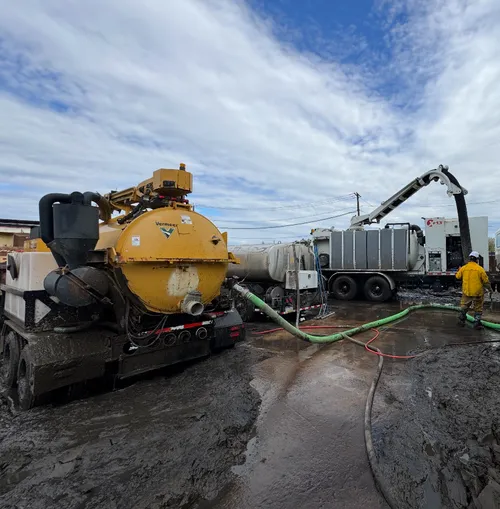
John's Septic & Excavation provides septic system installations, repairs, and inspections along with site excavation services in Philadelphia, PA. They serve residential and commercial properties throughout Southeastern Pennsylvania, including Montgomery, Chester, Berks, Bucks, and Delaware Counties. The company specializes in engineered septic system installations compliant with current regulations and offers hydro excavation and stormwater system solutions. Their approach emphasizes proper site preparation and engineered wastewater systems designed for long-term use.
Why Septic Inspections Matter in Philadelphia
While Philadelphia is largely served by a municipal sewer system, many properties in the city's outer neighborhoods and surrounding areas rely on private septic systems. These systems are a significant investment and a critical part of your home's infrastructure. A thorough septic system evaluation helps identify problems early, such as blockages, structural damage, or a failing drainfield, before they escalate into emergencies like sewage backups or environmental contamination 1. In Pennsylvania, local municipalities often require an inspection during a property transfer, making it a key step in any real estate transaction. Regular assessments provide peace of mind that your system is operating within Pennsylvania Department of Environmental Protection (DEP) standards 2.
Pennsylvania and Philadelphia Regulations
Septic systems in Pennsylvania are regulated under state DEP guidelines and local Municipal Sewage Management Programs. While the state does not mandate routine inspections for all existing systems, it strongly recommends pumping every 3 to 5 years to maintain system health. For homeowners in Philadelphia, the most common inspection trigger is a property sale. Most local townships require a passing inspection report as a condition of the real estate transfer to ensure the new owner is not inheriting a failing system 3 4.
It is highly advisable to use an inspector certified by the Pennsylvania Septage Management Association (PSMA). PSMA-certified professionals are trained to the latest state standards and can provide documentation that is widely accepted by local Sewer Enforcement Officers (SEOs) and lending institutions. For the most accurate and current local rules, homeowners should contact the Philadelphia Water Department or their municipality's SEO directly 5.
What a Professional Septic Inspection Includes
A comprehensive septic tank checkup is a multi-step process conducted by a trained technician. It goes far beyond simply looking into the tank. Here is a breakdown of what you can expect during a standard inspection:
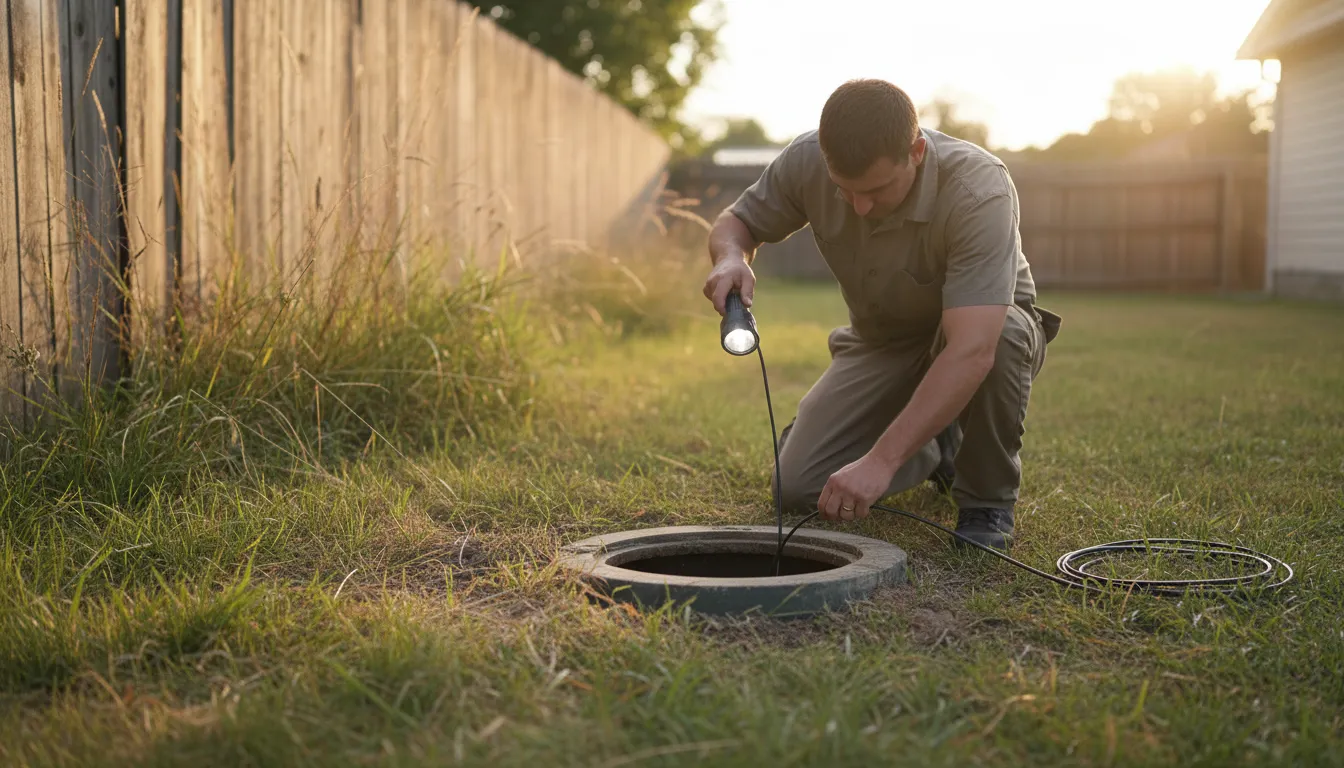
1. Locating and Uncovering the System The inspector will first locate the septic tank and drainfield. This may involve consulting property records or using probing tools. The technician will then excavate to uncover the inspection ports and manhole covers, which are often buried.
2. Tank Interior Assessment This is the core of the inspection. The inspector will measure the levels of sludge (solid waste) and scum (floating fats and grease) inside the tank. Pennsylvania standards indicate that a tank needs pumping when the sludge and scum combined occupy more than one-third of the tank's volume 6. They will also check the structural integrity of the tank for cracks or leaks and inspect critical components like inlet and outlet baffles or tees, which are essential for proper flow and preventing solids from entering the drainfield.
3. Functional and Drainfield Evaluation A key part of the inspection is testing the system's functionality. This often involves a "load test" or "flow test," where a significant amount of water is run through the household plumbing to ensure the system accepts liquid properly and that any effluent pump (if present) is working correctly 7 8. The inspector will also examine the drainfield (or leach field) area for telltale signs of failure, such as unusually lush or bright green grass, soggy ground, or foul odors-all indicators that untreated wastewater is surfacing 9.
Find the perfect septic tank inspection companies for your needs
Get personalized recommendations and expert advice
Understanding Inspection and Pumping Costs
The cost for a septic system inspection in the Philadelphia area can vary based on the scope of work and property specifics. A basic visual inspection typically ranges from $300 to $600+. If the tank lids are buried and require extensive digging to uncover, this may incur an additional hourly or flat fee. For a more comprehensive inspection that includes a full hydraulic load test and certification report for a real estate transaction, costs tend to be higher, often starting around $500 or more due to the time and water required [^16] [^17].
It's very common for an inspection to reveal that the tank needs pumping. Pumping is a separate service, with costs generally ranging from $250 to $500+, depending on the tank's size (e.g., a standard 1,000-gallon tank) and the pumping company's travel distance 10 11. Many homeowners choose to combine inspection and pumping into a single service visit for efficiency.
Maintaining Your System Between Inspections
Professional inspections are vital, but day-to-day homeowner care extends the life of your septic system. Be mindful of what goes down your drains. Avoid flushing non-biodegradable items like wipes, feminine hygiene products, and paper towels. Never pour cooking grease, oils, harsh chemicals, paint, or coffee grounds into your drains, as these can clog pipes, disrupt bacterial balance in the tank, and contaminate groundwater.
Pay attention to warning signs between inspections. These include drains that are slow to empty, gurgling sounds in your plumbing, toilets that back up, or sewage odors around the tank or drainfield. Outside, persistent wet spots or overly vibrant grass over the drainfield are red flags that warrant an immediate professional assessment 12.
The size of your septic system is typically designed based on the home's number of bedrooms, as this estimates daily wastewater flow. For example, a three-bedroom home in Pennsylvania usually requires a tank with a minimum capacity of 900 gallons 13. Understanding your system's capacity can help you manage water usage effectively.
Finding a Qualified Inspector in Philadelphia
When selecting a provider for your septic system evaluation, verification is key. Look for companies that employ PSMA-certified inspectors, as this certification aligns with Pennsylvania's recommended standards 14 15. Ensure they are licensed, insured, and have positive reviews from local customers. A reputable inspector should be willing to explain the process, provide a detailed report of their findings, and answer any questions you have about your system's health and maintenance requirements.
Frequently asked questions
Sources
Footnotes
-
The Ins and Outs of Septic Systems in Pennsylvania - https://www.eastvincent.org/vertical/sites/%7B5B8F1E55-6CA8-450E-BB40-12A8385B1313%7D/uploads/septicsystems%281%29.pdf ↩
-
Septic Inspections Central PA - https://www.johnklineseptic.com/residential/inspections ↩
-
Septic Systems | Department of Environmental Protection | Commonwealth of Pennsylvania - https://www.pa.gov/agencies/dep/residents/my-water/septic-systems ↩
-
How Often Should You Pump Your Septic Tank: 3 Factors Solved - https://www.frasiers.com/blog/sewage-tank-pump-frequency/ ↩
-
PUMP It Out! - https://www.crcog.net/vertical/sites/%7B6AD7E2DC-ECE4-41CD-B8E1-BAC6A6336348%7D/uploads/Sewer_Brochure%281%29.pdf ↩
-
Inspecting Your Septic System | Clark County | Washington State University - https://extension.wsu.edu/clark/naturalresources/smallacreageprogram/inspecting-your-septic-system/ ↩
-
Preparing for Septic Tank Inspection: 7 Key Steps | Septic System Professionals - https://septic911.com/preparing-for-septic-tank-inspection/ ↩
-
Septic System Inspections: A Step-by-Step How-To Guide - https://westcoastsanitationinc.com/septic-inspection-service/ ↩
-
Septic System Inspections: A Step-by-Step How-To Guide - https://westcoastsanitationinc.com/septic-inspection-service/ ↩
-
What You Should Know About Septic Inspections - https://www.johnklineseptic.com/what-you-should-know-about-septic-inspections ↩
-
Onlot Sewage Program - Home Buyer's / Builders Guide - DEP - https://www.dep.state.pa.us/dep/deputate/watermgt/wqp/wqp_wm/FACTS/pa1607.htm ↩
-
Septic Tank Testing & Inspection - What to Expect - https://www.blueribbonseptic.com/blog/septic-tank-testing-and-inspection ↩
-
What's a Septic Inspection? - https://chestercountyseptic.net/whats-a-septic-inspection/ ↩
-
Understanding the Septic Inspection Process: A Complete Guide - https://www.keystonecastleinspections.com/post/understanding-the-septic-inspection-process-a-complete-guide-1 ↩
-
Septic Tank Standards - https://www.psma.net/wp-content/uploads/2023/01/PA-Septic-Standards-CV-Cody-Vigil.pdf ↩