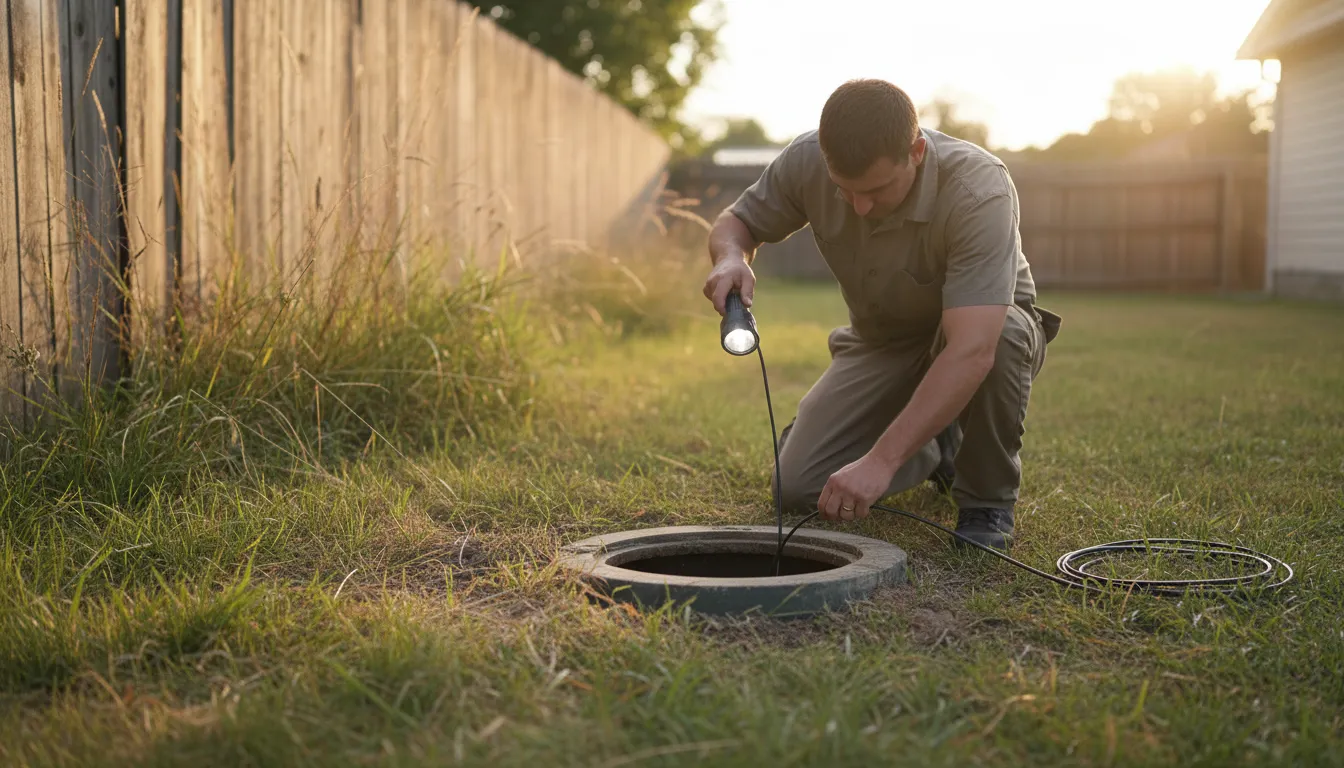
Find the Best Septic Tank Inspection Companies for Your Business
No obligation • Fast responses • Nationwide coverage

Why you can trust Septic Spot
Septic Spot is a leading United States resource for understanding and comparing septic services. Our editors review providers using consistent criteria and verify key business details. Listings and scores are independent, and companies cannot pay to influence our content.
Search providers near you
Top Septic Tank Inspection Companies in Cranston, Rhode Island Ranked
A septic tank inspection is a critical evaluation of your onsite wastewater treatment system to ensure it is functioning safely and in compliance with state regulations. For Cranston homeowners, these assessments are not just about maintenance; they are a key responsibility for protecting public health, property value, and the local environment. This guide will help you understand the process, requirements, and local considerations for finding qualified professionals to conduct your septic system evaluation.
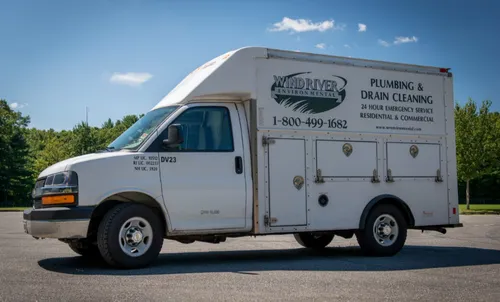
Wind River Environmental of Johnston, RI
141 Shun Pike, Johnston, RI 02919
Wind River Environmental of Johnston, RI provides septic tank pumping, inspection, and repair services in Providence, RI. Serving residential, commercial, and municipal clients, the company offers tailored solutions that comply with local codes and regulations. With a history dating back to 1946, Wind River Environmental brings decades of experience and a broad resource network to handle projects of varying complexity. The company is available 24/7 to address urgent septic and wastewater needs.
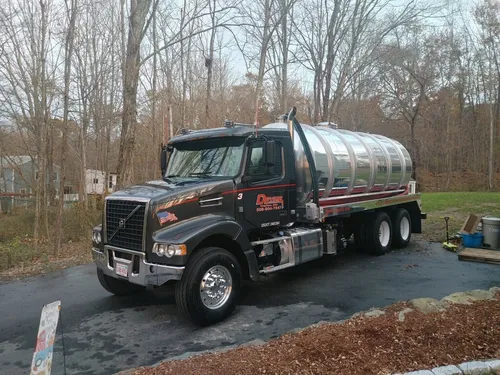
Devine Septic LLC
Providence, RI
Devine Septic LLC is a septic tank inspection and repair company serving Providence, RI. With over 10 years of experience, they offer services including septic system maintenance, emergency repairs, and Title V inspections required for home sales in Massachusetts. They focus on educating customers about septic system operation to help prevent issues and maintain efficient performance.

A & D Sanitation.
223 Hinchey Ln, Somerset, MA 02726
A & D Sanitation provides septic tank pumping, inspection, and repair services in Providence, RI. The company handles septic system maintenance including pumping, line snaking to clear blockages, and basic repairs such as installing filters, risers, and covers. They also offer yearly bacteria treatments and inspections required for Rhode Island point-of-sale ISDS. Their services include maintaining cesspool tight tanks and providing tank seals and jetting.

Croome Sanitation Inc
26 Hillside Ave, Rehoboth, MA 02769
Croome Sanitation Inc is a family-owned septic service company serving Providence, RI, and the surrounding areas of Southeast Massachusetts and Rhode Island. Established in 1962, the company offers a wide range of septic system services including pumping, Title 5 inspections, sewer camera diagnostics, pump station maintenance, and excavation work. Their expertise extends to wastewater treatment systems, providing comprehensive care to maintain system health and compliance with local regulations. Croome Sanitation also offers same-day and emergency services to address urgent septic needs.
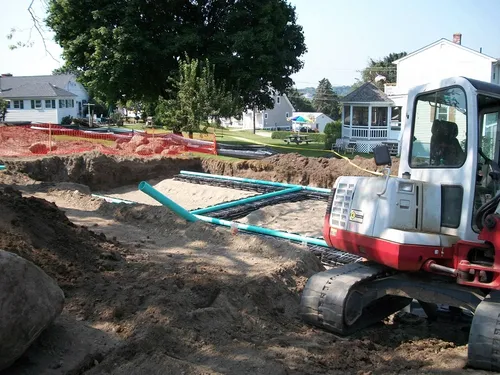
Michael Perri & Sons Septic Service, Inc.
Providence, RI
Michael Perri & Sons Septic Service, Inc. is a family-owned and operated septic company serving Providence, RI, and the entire state of Rhode Island. They provide a full range of septic services including routine pumping, cleaning, inspections, repairs, and new system installations. Their skilled team also offers hydro-jetting, backhoe services, enzyme bacteria treatments, and drainage installation to maintain and protect septic systems. With over 50 years of experience and licenses for underground utility work, they handle both residential and commercial septic needs across multiple Rhode Island communities.
Why Septic Inspections Are Essential in Cranston
Septic systems are a common method of wastewater treatment for homes not connected to municipal sewer lines. In Cranston, as in all of Rhode Island, these systems are regulated by the Rhode Island Department of Environmental Management (RIDEM). A professional septic system inspection is the primary tool for verifying that your system is operating correctly and not posing a risk of groundwater contamination. Regular evaluations can identify minor issues before they become major, costly failures, and they are often legally required during real estate transactions. Keeping your system in good working order protects your investment and your community.
Rhode Island and Cranston Septic Inspection Regulations
Understanding local rules is the first step for any homeowner. RIDEM sets the standards for all onsite wastewater treatment systems (OWTS) in the state, including Cranston.
- Inspection Frequency: RIDEM recommends that systems be inspected at least every three years. For systems with higher usage or certain designs, annual inspections may be advised.
- Mandatory Inspections: A septic evaluation is required when selling a property in Rhode Island, and the inspection report is valid for two years. Inspections are also mandatory if a system failure is suspected.
- Homeowner Responsibility: Rhode Island law places the responsibility for system maintenance and repair squarely on the homeowner. This includes keeping records of all inspections, pumping, and repairs.
What a Professional Septic Inspection Involves
A thorough septic tank assessment is a multi-step process conducted by a licensed inspector. It goes far beyond just checking the tank level. Here is what you can expect during a comprehensive inspection:
- System Location & Access: The inspector will locate and uncover the tank access ports (manholes) and the distribution box. This may require some digging.
- Tank Integrity Check: The tank is examined for any cracks, leaks, or signs of corrosion that could lead to failure or environmental contamination.
- Component Evaluation: Critical internal components like inlet and outlet baffles are inspected. These prevent solids from flowing out into the drainfield and are essential for proper function.
- Sludge and Scum Measurement: The inspector measures the depth of sludge at the bottom of the tank and the scum layer floating on top. These measurements determine if the tank needs to be pumped.
- Drainfield Evaluation: The drainfield (or leach field) is checked for signs of failure. Indicators include soggy ground, foul odors, or surfacing sewage effluent.
- Full System Assessment: Often, the tank is pumped during the inspection to allow for a complete internal visual check of the tank's structure and components 1.
Find the perfect septic tank inspection companies for your needs
Get personalized recommendations and expert advice
Understanding Septic Inspection Costs in Cranston
The cost of a septic system inspection in Cranston can vary based on the system's size, complexity, and the scope of the service. Based on local industry data, here are typical price ranges 2 3:
- Basic Inspection: For a standard conventional system, expect to pay between $300 and $450.
- Complex System Inspection: If your home has an alternative or innovative treatment system, the inspection is more involved and typically costs $450 to $600.
- Emergency or Immediate Service: Inspections requested on short notice often carry a premium, ranging from $500 to $800.
- Combined Inspection and Pumping: Many homeowners opt for this service combo, which usually falls between $300 and $500, depending on tank size.
- Re-inspection Fees: If a follow-up visit is needed to verify repairs, fees generally range from $150 to $300.
What Happens If Your System Fails Inspection?
A failed septic inspection means the system is not treating wastewater properly and poses a health or environmental risk. In Rhode Island, you cannot simply hire any contractor to fix it. The law requires a specific process 4:
- Contact a Licensed Designer: You must hire a RIDEM-licensed OWTS Designer.
- Create a Repair Plan: The designer will evaluate the failure and create a formal repair plan.
- Submit for Approval: This plan must be submitted to RIDEM for approval before any repair work can begin.
- Complete Repairs: Only after approval can licensed installers proceed with the necessary repairs or replacement.
The cost of addressing a failed system is significant. Installing a new conventional septic system in Rhode Island typically costs between $10,000 and $18,000, while more advanced alternative systems can range from $23,000 to $32,000 5. This underscores the value of regular, preventative inspections.
Maintaining Your System Between Inspections
Professional inspections are crucial, but homeowner maintenance is equally important for system longevity. RIDEM and the EPA recommend simple practices like conserving water, avoiding pouring grease or harsh chemicals down drains, and not driving or parking on the drainfield 6 7. Most importantly, have your tank pumped regularly-typically every 3 to 5 years-based on the inspector's recommendation. Pumping is not a substitute for a full inspection, but it is a vital part of overall care.
Finding a Qualified Inspector in Cranston
When searching for a septic evaluation professional, ensure they are familiar with Rhode Island and Cranston regulations. Look for providers who are licensed, insured, and can provide references. A reputable inspector will clearly explain their process, provide a detailed report of their findings, and outline any necessary next steps, whether it's routine pumping, minor repairs, or a consultation with a licensed designer for major issues.
Frequently asked questions
Sources
Footnotes
-
1st Main inspection - The University of Rhode Island. https://web.uri.edu/owt/wp-content/uploads/sites/2062/1st-Main-inspection-FS.pdf ↩
-
Do I Need a Septic Inspection to Sell My House: Rhode Island. https://www.rockhouseconstruction.com/do-i-need-a-septic-inspection-to-sell-my-house-rhode-island ↩
-
Rhode Island Septic Inspections: What's Included. https://www.rockhouseconstruction.com/rhode-island-septic-inspections-whats-included ↩
-
Failed Septic on RI Home Inspection - Replacement. https://www.rockhouseconstruction.com/failed-septic-on-ri-home-inspection-replacement ↩
-
Septic & Onsite Wastewater Treatment Systems - Rhode Island Department of Environmental Management. https://dem.ri.gov/environmental-protection-bureau/water-resources/permitting/septic-onsite-wastewater-treatment-owts ↩
-
Frequent Questions on Septic Systems | US EPA. https://www.epa.gov/septic/frequent-questions-septic-systems ↩
-
SepticSmart Homeowners | Rhode Island Department of Environmental Management. https://dem.ri.gov/environmental-protection-bureau/water-resources/permitting/septic-smart-home ↩