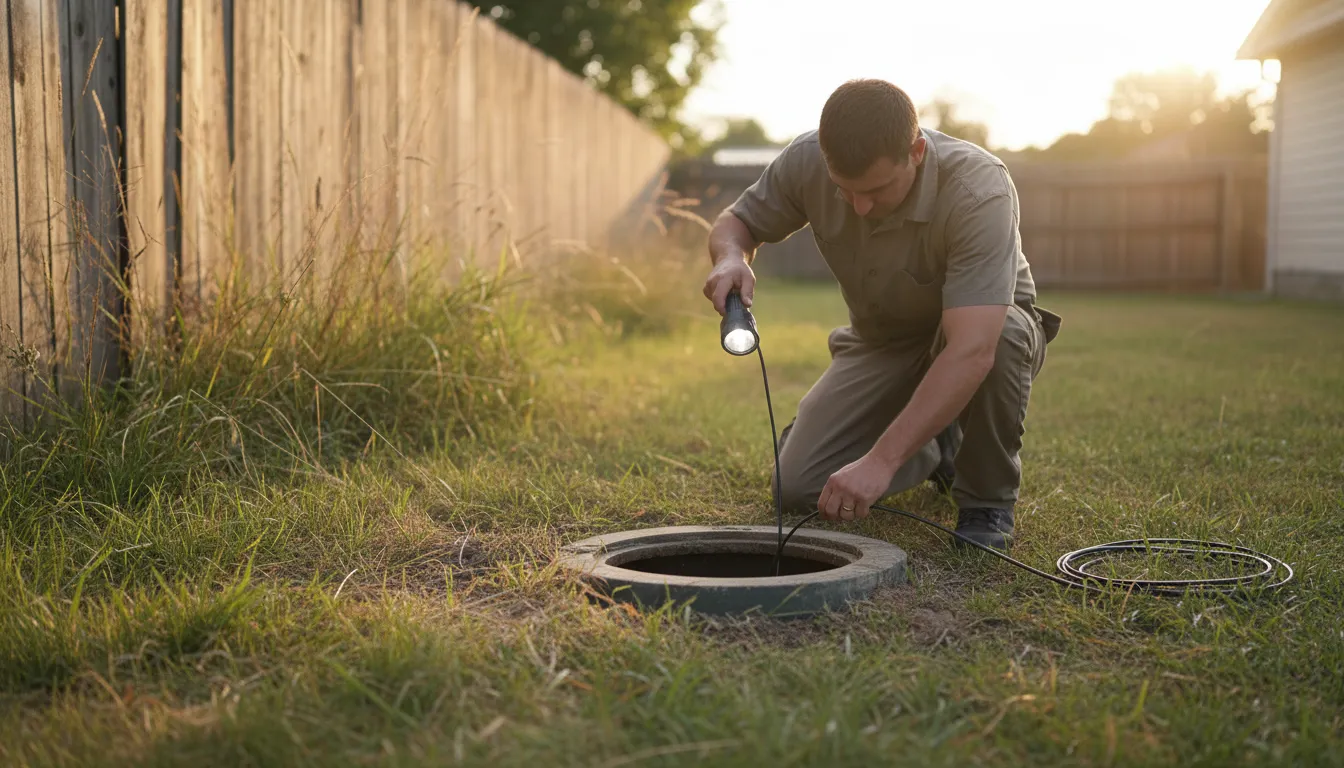
Find the Best Septic Tank Inspection Companies for Your Business
No obligation • Fast responses • Nationwide coverage

Why you can trust Septic Spot
Septic Spot is a leading United States resource for understanding and comparing septic services. Our editors review providers using consistent criteria and verify key business details. Listings and scores are independent, and companies cannot pay to influence our content.
Search providers near you
Top Septic Tank Inspection Companies in Providence, Rhode Island Ranked
A septic tank inspection is a critical evaluation of your onsite wastewater treatment system to ensure it is functioning properly and protecting public health and the environment. In Providence, these assessments are not just a good idea-they are a regulatory requirement tied to property transfers and regular maintenance schedules. This guide explains what a septic system inspection entails, why it's essential for Rhode Island homeowners, and how you can find qualified, certified local professionals to perform this vital service.
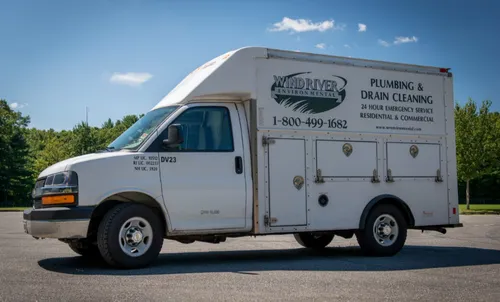
Wind River Environmental of Johnston, RI
141 Shun Pike, Johnston, RI 02919
Wind River Environmental of Johnston, RI provides septic tank pumping, inspection, and repair services in Providence, RI. Serving residential, commercial, and municipal clients, the company offers tailored solutions that comply with local codes and regulations. With a history dating back to 1946, Wind River Environmental brings decades of experience and a broad resource network to handle projects of varying complexity. The company is available 24/7 to address urgent septic and wastewater needs.
Chase Harris Septic Services
85 Dudley Rd, Sutton, MA 01590
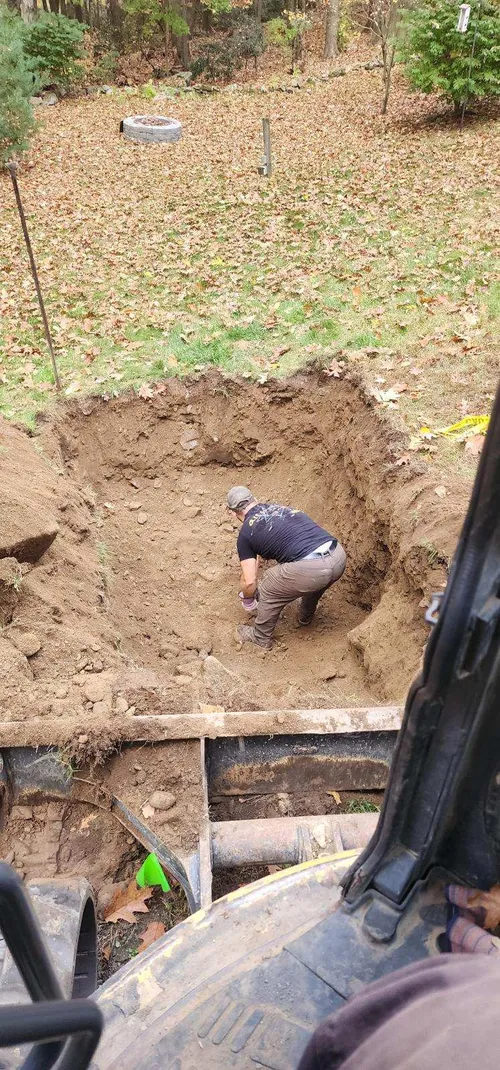
Chase Harris Septic Services is a family-owned business providing septic system maintenance, repair, installation, and inspection services in Worcester, MA. With decades of experience, they serve residential and commercial clients, offering comprehensive septic pumping, Title 5 inspections, and grease trap cleaning. Their team also handles excavation and site preparation to ensure proper system installation and repair. Chase Harris Septic Services is known for meeting local codes and regulations, including Title 5 compliance, and uses advanced equipment to maintain system efficiency and safety.
Devine Septic LLC
Providence, RI
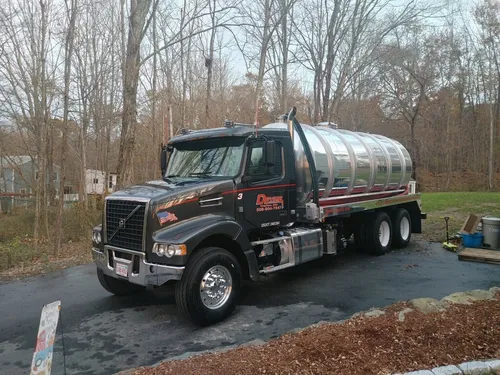
Devine Septic LLC is a septic tank inspection and repair company serving Providence, RI. With over 10 years of experience, they offer services including septic system maintenance, emergency repairs, and Title V inspections required for home sales in Massachusetts. They focus on educating customers about septic system operation to help prevent issues and maintain efficient performance.

A & D Sanitation.
223 Hinchey Ln, Somerset, MA 02726
A & D Sanitation provides septic tank pumping, inspection, and repair services in Providence, RI. The company handles septic system maintenance including pumping, line snaking to clear blockages, and basic repairs such as installing filters, risers, and covers. They also offer yearly bacteria treatments and inspections required for Rhode Island point-of-sale ISDS. Their services include maintaining cesspool tight tanks and providing tank seals and jetting.

Croome Sanitation Inc
26 Hillside Ave, Rehoboth, MA 02769
Croome Sanitation Inc is a family-owned septic service company serving Providence, RI, and the surrounding areas of Southeast Massachusetts and Rhode Island. Established in 1962, the company offers a wide range of septic system services including pumping, Title 5 inspections, sewer camera diagnostics, pump station maintenance, and excavation work. Their expertise extends to wastewater treatment systems, providing comprehensive care to maintain system health and compliance with local regulations. Croome Sanitation also offers same-day and emergency services to address urgent septic needs.
Understanding Septic System Inspections in Rhode Island
In Rhode Island, a septic system inspection is a formal process governed by the Rhode Island Department of Environmental Management (RIDEM). An Onsite Wastewater Treatment System (OWTS) evaluation is required by law during the sale of a property and on a recurring basis for all systems. The primary goal is to verify that the system is not contaminating groundwater or surface water, which is crucial in a densely populated state like Rhode Island.
Failing to comply with inspection mandates can lead to significant legal and financial consequences. If a system fails an inspection, the local municipality issues a Notice of Violation, and the homeowner has 18 months to complete necessary repairs or a full replacement. Furthermore, the state has strict rules regarding cesspools, which are outdated and inefficient. All cesspools must be replaced within five years of an inspection or within 12 months if the property is sold.
When Is a Septic Inspection Required?
Knowing the triggers for a mandatory system evaluation can help you plan and budget accordingly. The two most common scenarios are:
- Property Transfer: A full, certified inspection is mandatory when selling any home with a septic system in Providence and throughout Rhode Island. The resulting Certificate of Compliance (or a report detailing necessary repairs) is a standard part of the real estate transaction.
- Routine Maintenance: RIDEM recommends-and many local ordinances require-inspections every 3 to 5 years. The exact frequency can depend on the system's age, type, size, and the number of occupants in the home. Regular check-ups are the best way to catch small issues before they become expensive, system-threatening failures.
Other situations that warrant a professional assessment include noticing signs of failure (like soggy ground or sewage odors in the yard), preparing for a home renovation, or simply as part of responsible long-term homeownership.
What Does a Professional Inspector Check?
A comprehensive septic tank inspection is a detailed process that typically takes 2 to 4 hours. Homeowners should ensure they hire a RIDEM-certified inspector. Here's a step-by-step breakdown of what a thorough assessment includes:
- Locating and Exposing System Components: The inspector will locate and uncover the tank's access lids, the distribution box, and areas of the leach field.
- Pumping the Tank: While not always mandatory for the inspection itself, pumping is highly recommended to allow for a complete internal evaluation of the tank's structure and to accurately measure sludge levels.
- Evaluating Tank Integrity: The inspector checks the tank (often by entering it once pumped) for cracks, leaks, corrosion, and the condition of baffles and tees.
- Measuring Sludge and Scum: This is a crucial quantitative step. The inspector measures the depth of the sludge layer at the bottom of the tank and the scum layer at the top. A system may fail if the sludge occupies more than one-third of the tank's liquid depth 1 2.
- Checking Liquid Levels and Flow: The inspector verifies that liquid is flowing in and out of the tank properly and that there is no backup from the drain field into the tank, which indicates a failing leach field.
- Assessing the Drain Field: The area over the leach field is examined for surfacing effluent, soggy soil, or unusually lush vegetation, all of which are red flags.
- Providing Documentation: After the evaluation, you receive a detailed written report. If the system passes, the inspector can issue a RIDEM Certificate of Compliance, which is the official document needed for real estate closings or regulatory compliance 3.
Find the perfect septic tank inspection companies for your needs
Get personalized recommendations and expert advice
Costs Associated with Septic Inspections and Related Services
Budgeting for septic system care is an important part of homeownership. Costs in the Providence area can vary based on tank size, system complexity, and property access, but here are general guidelines:
- Standard Inspection Fee: A typical septic system inspection in Rhode Island costs between $300 and $600. This fee covers the inspector's time, expertise, and the formal report.
- Pumping Costs: If the tank is pumped as part of the inspection process-which is advisable-expect to pay an additional $250 to $500, depending on tank capacity 4 5.
- Repair and Replacement Costs: This is where expenses can rise significantly. Repairing components like a damaged baffle or a clogged line may cost a few thousand dollars. A full replacement of a conventional septic system typically ranges from $10,000 to $18,000. For properties with challenging soil or space constraints requiring an advanced alternative system, costs can climb to $23,000 to $32,000 6.
- Permit Fees: Any repair or installation requires a permit from RIDEM. A permit for a new system generally costs $200-$500, while a repair permit is typically $100-$300 7.
Financial Assistance Note: Rhode Island offers a Community Septic System Loan Program (CSSLP) that provides low-interest loans to homeowners with failing systems. This program can be a vital resource for managing the high cost of mandatory replacements 8.
The Consequences of a Failed Inspection
No homeowner wants to hear their system has failed, but understanding the next steps is crucial. A failure means the system is not treating wastewater adequately and poses a potential health or environmental risk. The inspector is required to report the failure to your local municipal authority, which will then issue a formal Notice of Violation.
From the date of the notice, you have 18 months to complete all necessary repairs or a full system replacement. You cannot simply ignore this violation. You must work with a licensed septic system installer to design a solution, obtain the required RIDEM permits, and complete the work on schedule. The municipality will follow up to ensure compliance.
Maintaining Your System Between Inspections
Professional inspections are essential, but day-to-day care extends the life of your system. Follow these simple guidelines:
- Conserve Water: Spread out laundry loads and fix leaky faucets to avoid hydraulically overloading the tank and drain field.
- Mind What You Flush: Only human waste and toilet paper should go down the drain. Never flush wipes (even "flushable" ones), feminine hygiene products, grease, or chemicals.
- Protect the Drain Field: Never park vehicles or build structures over the leach field. Keep roof drains and sump pumps directed away from this area.
- Keep Records: Maintain a file of all inspection reports, pumping receipts, repair invoices, and system design plans. This is invaluable for future service and during a property sale.
Finding a Qualified Inspector in Providence
Your septic system's health depends on the skill of the inspector. Always verify that a professional is certified by the Rhode Island Department of Environmental Management (RIDEM). You can ask for their certification number or check with RIDEM directly. Look for experienced professionals who offer comprehensive evaluations, clear communication, and detailed, understandable reports. A good inspector will walk you through their findings and explain any issues in plain language.
Frequently asked questions
Sources
Footnotes
-
OWTS Inspections - What To Expect - South Kingstown, RI - https://www.southkingstownri.gov/385/OWTS-Inspections---What-to-Expect ↩
-
How to Get Septic to Pass Inspection - https://www.guardianangelinspections.com/how-to-get-septic-to-pass-inspection ↩
-
What to Expect from a Septic Inspection - https://www.wrenvironmental.com/blog/2023/may/what-to-expect-from-a-septic-inspection/ ↩
-
Do I Need a Septic Inspection to Sell My House: Rhode Island - https://www.rockhouseconstruction.com/do-i-need-a-septic-inspection-to-sell-my-house-rhode-island ↩
-
SepticSmart Homeowners | Rhode Island Department of Environmental Management - https://dem.ri.gov/environmental-protection-bureau/water-resources/permitting/septic-smart-home ↩
-
Rhode Island Septic Inspections: What's Included - https://www.rockhouseconstruction.com/rhode-island-septic-inspections-whats-included ↩
-
Rhode Island Septic System Regulations for Homeowners - https://www.rockhouseconstruction.com/rhode-island-septic-system-regulations-for-homeowners ↩
-
Septic & Onsite Wastewater Treatment Systems - https://dem.ri.gov/environmental-protection-bureau/water-resources/permitting/septic-onsite-wastewater-treatment-owts ↩