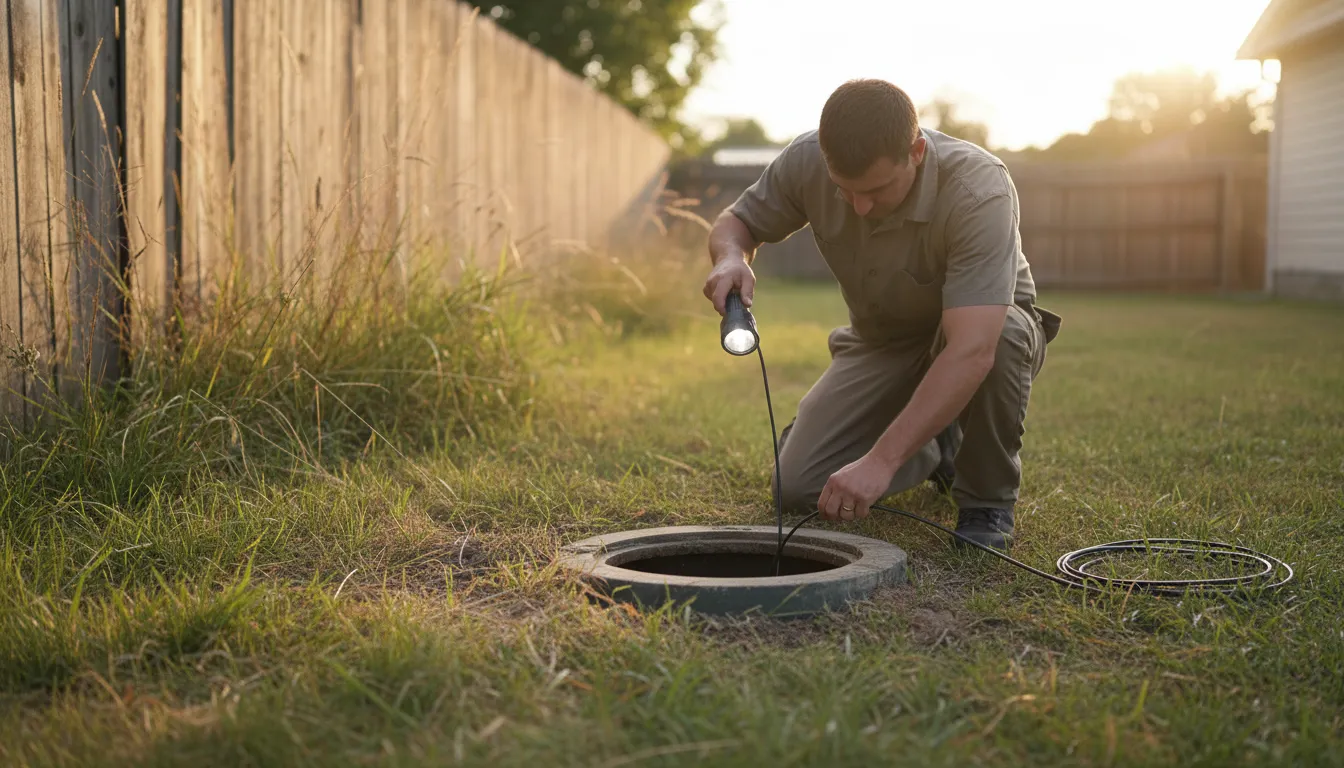
Find the Best Septic Tank Inspection Companies for Your Business
No obligation • Fast responses • Nationwide coverage

Why you can trust Septic Spot
Septic Spot is a leading United States resource for understanding and comparing septic services. Our editors review providers using consistent criteria and verify key business details. Listings and scores are independent, and companies cannot pay to influence our content.
Search providers near you
Top Septic Tank Inspection Companies in Bountiful, Utah Ranked
A septic system inspection is a critical evaluation of your onsite wastewater system's health and functionality. In Bountiful, where many homes rely on these private systems, regular inspections are essential for protecting your property value, ensuring public health, and complying with local regulations. This guide will help you understand the process, local requirements, and how to find qualified professionals to conduct a thorough assessment of your septic tank and drainfield.
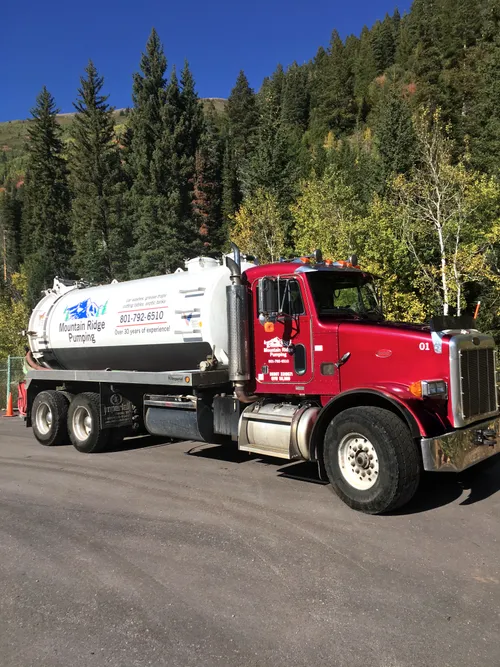
Mountain Ridge Pumping
Salt Lake City, UT
Mountain Ridge Pumping is a licensed and insured company based in Salt Lake City, UT, specializing in septic tank pumping and inspection services for both commercial and residential clients. With over 30 years of experience, they handle non-hazardous liquid waste removal from various sources including septic tanks, car wash pits, storm drains, and lift stations. The company emphasizes proper waste disposal and environmental responsibility by working with reputable waste treatment facilities.
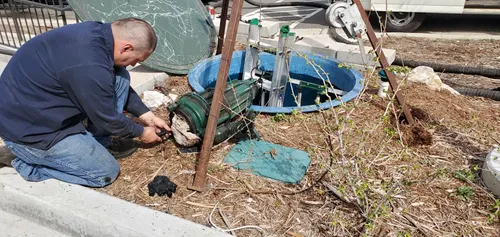
A&B Sewer & Drain Cleaning
1061 Major St, Salt Lake City, UT 84111
A&B Sewer & Drain Cleaning is a licensed, bonded, and insured company based in Salt Lake City, UT. They provide plumbing, sewer, and septic tank services for residential, commercial, and infrastructure clients. Their offerings include septic tank pumping, inspections, drain cleaning, water main replacement, and full video inspection services. The company serves both Utah and Nevada and is available around the clock for emergency plumbing needs.
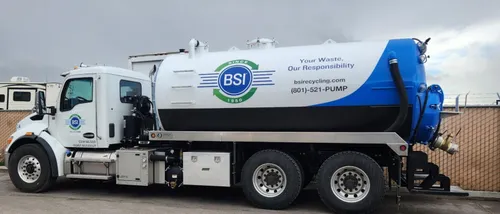
Beck's Sanitation
543 Iron Rose Pl, Salt Lake City, UT 84104
Beck's Sanitation is a family-owned sanitation company serving Salt Lake City, UT, with over 70 years of experience. They provide septic tank pumping and inspection along with grease trap cleaning, cooking oil recycling, storm drain maintenance, and wastewater management. Their services include commercial pumping and eco-friendly waste disposal, ensuring regulatory compliance and environmental safety. Beck's Sanitation also offers emergency clean-outs and routine maintenance to prevent blockages and flooding, supporting local businesses with reliable sanitation solutions.
Why Septic Inspections Are Crucial in Bountiful
In Davis County, a properly functioning septic system is not just a convenience-it's a legal and environmental necessity. The Davis County Health Department oversees all onsite wastewater systems, and inspections are mandated for specific situations, such as new installations and property transfers. Beyond compliance, a routine septic system evaluation helps you avoid catastrophic and expensive failures. A malfunctioning system can lead to sewage backing up into your home or surfacing in your yard, creating health hazards and potentially contaminating groundwater. Proactive inspections are your first line of defense.
Local Regulations and Permit Requirements
Understanding Bountiful and Davis County's specific rules is the first step for any homeowner.
- Mandatory Inspections: A "Liquid Waste Inspection" is often required during property transfers or if you're planning a home addition and your system lacks a recent final inspection report. This ensures the system can handle increased load.
- Permits: Any new septic system installation, major repair, or replacement requires a permit from the Davis County Health Department. Starting work without a permit can result in fines.
- System Location: If you're unsure where your tank and drainfield are located, you can submit an Onsite Wastewater System Application to the county for assistance in locating existing system components.
- Abandonment: If you connect to a public sewer and abandon your septic system, Utah law requires that the tank be pumped and then either removed or properly crushed within 72 hours of notifying the health department.
- Mandatory Connection: If your Bountiful property is within 300 feet of an available public sewer line, you may be legally required to connect to it and decommission your septic system 1.
What a Professional Septic Inspection Involves
A certified septic inspector follows a detailed process to assess every component of your wastewater system. This evaluation goes far beyond just looking at the tank.
- Record Review & Site Evaluation: The inspector will start by reviewing any available maintenance records and assessing the property's topography and drainfield area for obvious signs of trouble, like soggy ground or unpleasant odors.
- Tank Access & Integrity Check: The tank lid is located and excavated. The inspector examines the tank's structure for cracks, corrosion, or leaks and checks the condition of inlet and outlet pipes and baffles, which are crucial for preventing solids from escaping into the drainfield.
- Sludge and Scum Measurement: This is a core part of the inspection. Using specialized tools, the inspector measures the depth of the sludge layer at the bottom and the thickness of the scum layer at the top. This determines how full the tank is and if pumping is urgently needed.
- Drainfield and Distribution Box Assessment: The inspector examines the drainfield (leach field) for signs of failure, such as surfacing effluent, overly lush vegetation, or standing water. If accessible, the distribution box (D-box) is checked to ensure wastewater is flowing evenly to all drain lines 2 3.
- Flow Test and Final Report: In some cases, a flow test may be performed to check for drainage issues. Finally, you will receive a detailed report outlining the system's condition, any problems found, and recommended actions.
Find the perfect septic tank inspection companies for your needs
Get personalized recommendations and expert advice
Recommended Inspection and Maintenance Schedule
Adhering to a regular maintenance schedule is the best way to extend the life of your septic system and avoid emergencies.
- Inspection Frequency: Industry experts and the EPA recommend having your septic system professionally inspected every 1 to 3 years. More frequent checks may be wise for older systems or larger households.
- Pumping Frequency: Pumping is needed when solids fill about one-third of the tank. On average, this means every 3 to 5 years, but the only way to know for sure is through regular sludge level measurements during an inspection.
- Daily Care: What you flush matters. Only human waste and toilet paper should go down the drain. Avoid overusing garbage disposals, as they add excessive solids. Never pour grease, chemicals, or non-biodegradable items into your system 4.
Understanding Costs for Septic Services in Bountiful
The cost of a septic inspection in Bountiful can vary based on the scope of work and the accessibility of your tank.
- Inspection Only: A standard visual and operational inspection typically ranges from $300 to $600. The price is often higher if the tank lid is buried and requires excavation.
- Combined Inspection and Pumping: Many homeowners opt to combine a routine inspection with pumping. This bundled service commonly ranges from $500 to $900 or more, depending on tank size 5 6.
- Additional Fees: If you need the county's help to locate your system records, there may be administrative fees 7. Furthermore, any required permits for repairs or installations will have separate costs.
Choosing a Qualified Septic Service Provider
When selecting a company for your septic tank assessment or maintenance, due diligence is key. Look for providers licensed by the State of Utah and familiar with Davis County's specific regulations (Utah Rule R317-4). Ask for proof of insurance and references from local clients. A reputable company will be transparent about their inspection process, provide a detailed written report, and clearly explain all findings and recommendations without using high-pressure sales tactics.
Signs You Need an Inspection Immediately
Don't wait for your scheduled check if you notice any of these red flags:
- Sewage backups in household drains or toilets.
- Gurgling sounds in your plumbing.
- Slow draining sinks, tubs, or showers.
- A foul odor around the septic tank or drainfield area.
- Unusually soggy, spongy, or bright green grass over the drainfield.
- Standing water or surfacing sewage in your yard.
Addressing these issues promptly with a professional inspection can prevent more extensive environmental damage and far more costly repairs down the line.
Frequently asked questions
Sources
Footnotes
-
Bountiful City - https://www.bountifulutah.gov/file/91c2f7b1-6d3a-49ea-8634-d36d098f39cd ↩
-
TriCounty Health Department TCHD-WW-0317 Wastewater Regulation - https://www.utah.gov/pmn/files/938461.pdf ↩
-
What to Expect from a Septic Inspection - Wind River Environmental - https://www.wrenvironmental.com/blog/2023/may/what-to-expect-from-a-septic-inspection/ ↩
-
Frequent Questions on Septic Systems | US EPA - https://www.epa.gov/septic/frequent-questions-septic-systems ↩
-
Homeowners Guide to Septic Systems Brochure - Alpine, UT - https://www.alpineut.gov/DocumentCenter/View/136/Private-Septic-System-Care-PDF ↩
-
Septic System Inspections: A Step-by-Step How-To Guide - https://westcoastsanitationinc.com/septic-inspection-service/ ↩
-
Onsite Wastewater Systems - Davis County - https://www.daviscountyutah.gov/health/environmental-health-division/permits/onsite-wastewater-systems-new ↩