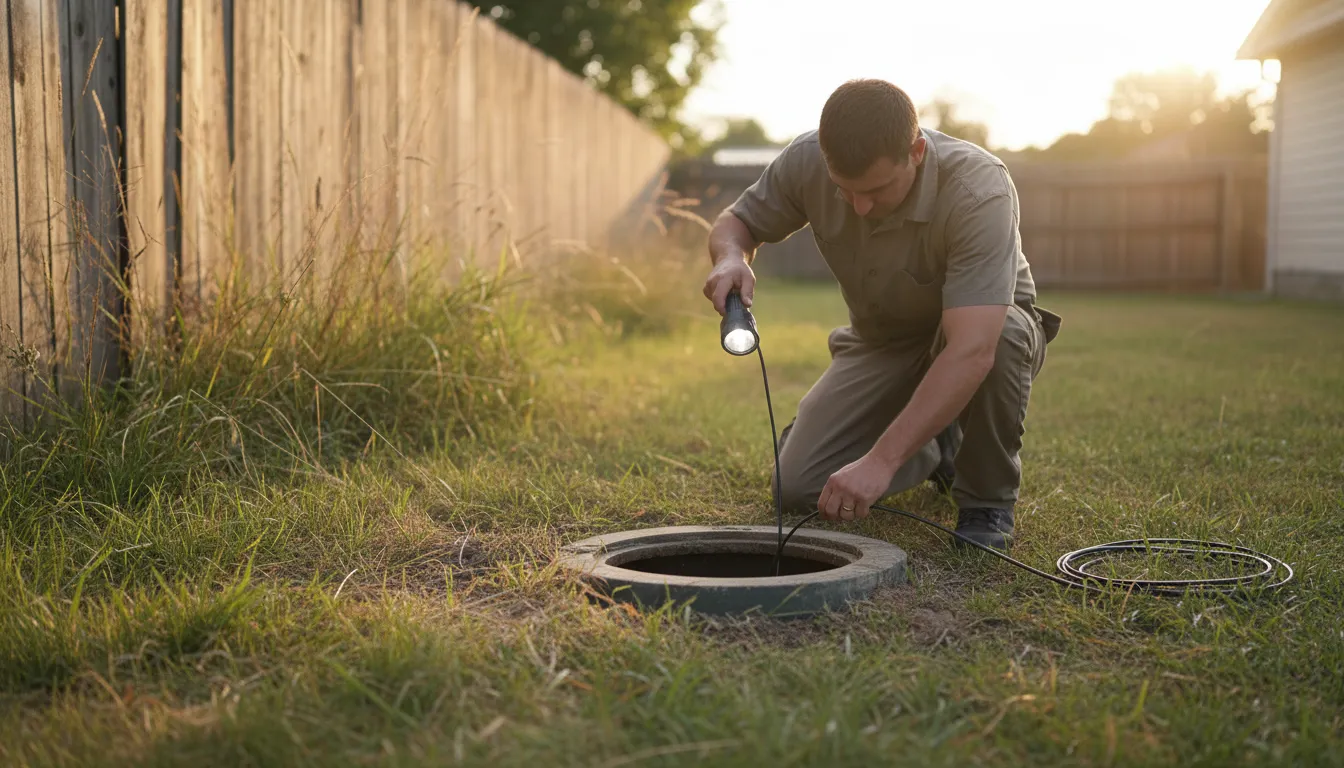
Find the Best Septic Tank Inspection Companies for Your Business
No obligation • Fast responses • Nationwide coverage

Why you can trust Septic Spot
Septic Spot is a leading United States resource for understanding and comparing septic services. Our editors review providers using consistent criteria and verify key business details. Listings and scores are independent, and companies cannot pay to influence our content.
Search providers near you
Top Septic Tank Inspection Companies in Layton, Utah Ranked
A septic tank inspection is a critical evaluation of your onsite wastewater system's health and functionality. In Layton, these assessments are not just for peace of mind; they are often a regulatory requirement for property sales, new construction, or system repairs. Understanding the process and local rules helps you maintain a safe, compliant, and efficient system. This guide provides the information you need to navigate septic system evaluations and connect with qualified local professionals.
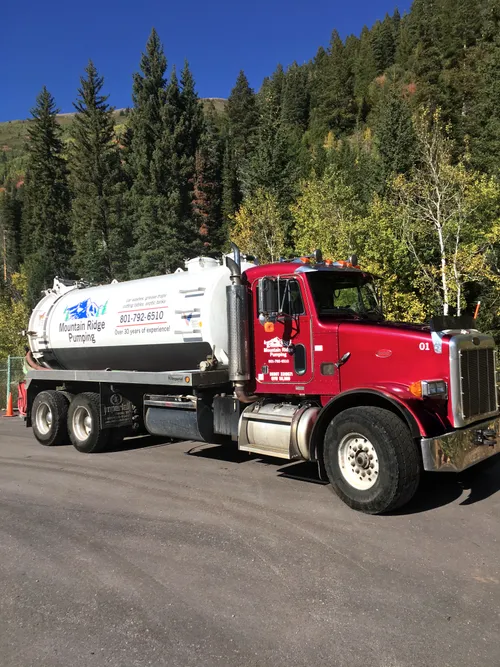
Mountain Ridge Pumping
Salt Lake City, UT
Mountain Ridge Pumping is a licensed and insured company based in Salt Lake City, UT, specializing in septic tank pumping and inspection services for both commercial and residential clients. With over 30 years of experience, they handle non-hazardous liquid waste removal from various sources including septic tanks, car wash pits, storm drains, and lift stations. The company emphasizes proper waste disposal and environmental responsibility by working with reputable waste treatment facilities.
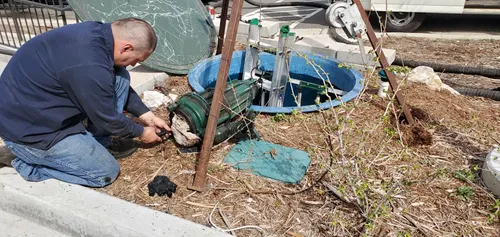
A&B Sewer & Drain Cleaning
1061 Major St, Salt Lake City, UT 84111
A&B Sewer & Drain Cleaning is a licensed, bonded, and insured company based in Salt Lake City, UT. They provide plumbing, sewer, and septic tank services for residential, commercial, and infrastructure clients. Their offerings include septic tank pumping, inspections, drain cleaning, water main replacement, and full video inspection services. The company serves both Utah and Nevada and is available around the clock for emergency plumbing needs.
Beck's Sanitation
543 Iron Rose Pl, Salt Lake City, UT 84104
Beck's Sanitation is a family-owned sanitation company serving Salt Lake City, UT, with over 70 years of experience. They provide septic tank pumping and inspection along with grease trap cleaning, cooking oil recycling, storm drain maintenance, and wastewater management. Their services include commercial pumping and eco-friendly waste disposal, ensuring regulatory compliance and environmental safety. Beck's Sanitation also offers emergency clean-outs and routine maintenance to prevent blockages and flooding, supporting local businesses with reliable sanitation solutions.
Understanding Septic System Inspections in Davis County
In Layton, all septic systems, also known as onsite wastewater systems, fall under the jurisdiction of the Davis County Environmental Health Division. Their regulations, which align with the Utah Administrative Code, are designed to protect public health and groundwater quality. A professional septic inspection is a detailed examination that goes far beyond a simple look at the tank. It is a systematic process performed by a state-certified inspector to determine if the entire system-from the house sewer to the drain field-is operating correctly and meets current standards.
Knowing when an inspection is required can save you time and legal headaches. The most common triggers in Layton include applying for a building permit for a new home or an addition, planning a major system repair, or transferring property ownership. Even if not legally required, a routine system evaluation every few years is a wise investment in preventative maintenance, helping you catch small issues before they become expensive, soggy problems in your yard.
When Is a Septic Inspection Required?
Local and state regulations mandate septic system evaluations for specific situations. Being proactive about these requirements ensures a smooth process with the county.
- Real Estate Transactions: This is one of the most frequent reasons for an inspection. Lenders often require it, and buyers need to know the system's condition before purchase. A transfer inspection verifies the system is functioning and has no imminent signs of failure.
- Building Permits & New Construction: If you're building a new home in Layton or adding onto your existing one (like adding a bedroom or bathroom), the Davis County Health Department will require a permit for the septic system. This process begins with an evaluation of the proposed site and soil, and ends with a final inspection of the installed system.
- System Modifications or Repairs: Before any significant repair or alteration to your septic tank or drain field can be permitted, the county will typically require an inspection to diagnose the problem and approve the proposed solution.
- Suspected System Failure: If you notice warning signs like sewage backups in the house, soggy ground or standing water over the drain field, or foul odors, an immediate inspection is necessary to diagnose the issue.
The Role of Certified Inspectors
You cannot have just any contractor perform a regulatory septic inspection in Utah. The state requires that these evaluations be conducted by professionals certified by the Utah Department of Environmental Quality, Division of Water Quality (DWQ) 1 2. This certification ensures the inspector has the training to properly assess all system components, understand local codes, and complete the official paperwork required by Davis County.
Hiring a certified professional guarantees the inspection will be recognized by the health department for permitting or property transfer purposes. It also means you are getting an assessment based on standardized procedures and expertise, not just a guess. Always verify a provider's certification before scheduling an inspection for regulatory compliance.
What Does a Comprehensive Inspection Involve?
A thorough septic system assessment is a multi-step process. A qualified inspector will follow a logical sequence to evaluate each component 3.
- System Location & Access: The inspector first locates the septic tank and drain field using available records or electronic locating equipment. They then excavate to uncover the tank's manhole covers (inspection ports) to gain access.
- Tank Integrity Check: The tank is examined for structural issues like cracks, leaks, or root intrusion that could compromise its watertight seal.
- Sludge and Scum Measurement: This is a core part of the inspection. The inspector measures the depth of the scum layer (floating solids) and the sludge layer (settled solids) at the bottom of the tank. These measurements determine the tank's remaining capacity and indicate if pumping is needed 4.
- Baffle & Component Inspection: The inlet and outlet baffles (or tees) inside the tank are checked to ensure they are intact. These components are crucial for preventing solids from flowing out into the drain field.
- Drain Field Evaluation: The inspector surveys the drain field area for signs of failure, such as overly lush grass, soggy soil, surfacing sewage, or persistent odors. They may also perform a simple water load test to see how quickly the system drains.
Find the perfect septic tank inspection companies for your needs
Get personalized recommendations and expert advice
Local System Standards and Setback Requirements
Davis County enforces specific design and location standards for septic systems to ensure safety. When an inspector evaluates a system, especially for a new installation, they verify it meets these minimum requirements. Key standards include soil percolation rates, slope limitations, and tank size based on daily wastewater flow (e.g., a minimum of 300 gallons per day for a 1-2 bedroom home).
Setback distances are critical. Your septic tank and drain field must be located a minimum distance from features like property lines, wells, streams, and building foundations. For example, a septic tank must typically be at least 5 feet from a house and 50 feet from a well. Your inspector or the county can provide the exact setback requirements for your property 5 6.
Understanding Costs: Inspection, Pumping, and Permits
Costs for septic services in Layton can vary based on the tank size, system complexity, and the scope of work required.
- Inspection Cost: A standard septic system inspection typically ranges from $200 to $900 or more 7. The price is higher if the inspection is for a real estate transaction and requires a detailed report, or if the tank needs to be pumped as part of the process to enable a proper internal inspection.
- Pumping Cost: Pumping is often recommended during an inspection if sludge/scum levels are high. Routine pumping every 3-5 years generally costs between $300 and $600+ in the Layton area 8 9.
- County Permit Fees: If your inspection leads to a repair or new installation, you will need a permit from Davis County. Permit fees for new systems or major repairs start at approximately $550 10.
Preparing Your Property for an Inspection
A little preparation can make the inspection go faster and smoother. Here's what you can do:
- Locate Your System: If you have a diagram or "as-built" drawing of your septic system, have it ready. If not, note any visible clues like sewer cleanouts or areas where grass grows differently.
- Clear Access: Ensure the inspector can easily reach the area where your tank is buried. Move vehicles, lawn furniture, or other obstacles.
- Know Your System History: Have any records of past pumping, repairs, or inspections available for the inspector to review.
- Be Available: Plan to be home to provide access and answer any questions the inspector may have about the system's history or any issues you've noticed.
Disclaimer: Regulations and fees can change. It is always advisable to contact the Davis County Health Department's Environmental Health Division directly for the most current requirements before initiating any septic system project.
Frequently asked questions
Sources
Footnotes
-
R317-11. Certification Required to Design, Inspect and ... - https://uwrl.usu.edu/files/pdf/owt/2022-class-materials/R317-11.pdf ↩
-
Wastewater Certification Permit Guide - https://deq.utah.gov/permits/permit-guide/wastewater-certification-permit-guide ↩
-
Septic Inspection Process: What Homeowners Should Know - LunsPro - https://www.lunspro.com/vlog/the-septic-system-inspection-process-what-homeowners-should-know ↩
-
Preparing for Septic Tank Inspection: 7 Key Steps - https://septic911.com/preparing-for-septic-tank-inspection/ ↩
-
Utah Admin. Code R317-4-6 - Design Requirements - https://www.law.cornell.edu/regulations/utah/Utah-Admin-Code-R317-4-6 ↩
-
TriCounty Health Department TCHD-WW-0317 Wastewater Regulation - https://www.utah.gov/pmn/files/938461.pdf ↩
-
Septic System Inspections: A Step-by-Step How-To Guide - https://westcoastsanitationinc.com/septic-inspection-service/ ↩
-
Frequent Questions on Septic Systems | US EPA - https://www.epa.gov/septic/frequent-questions-septic-systems ↩
-
How Much Does a Septic Inspection Cost? [2026 Data] - Angi - https://www.angi.com/articles/septic-inspection-cost.htm ↩
-
Onsite Wastewater Systems - Davis County - https://www.daviscountyutah.gov/health/environmental-health-division/permits/onsite-wastewater-systems-new ↩