Find the Best Septic Tank Inspection Companies for Your Business
No obligation • Fast responses • Nationwide coverage

Why you can trust Septic Spot
Septic Spot is a leading United States resource for understanding and comparing septic services. Our editors review providers using consistent criteria and verify key business details. Listings and scores are independent, and companies cannot pay to influence our content.
Search providers near you
Top Septic Tank Inspection Companies in Murray, Utah Ranked
A septic tank inspection is a professional assessment of your onsite wastewater system's condition and functionality. In Murray, where many homes rely on these private systems, regular evaluations are crucial for protecting your property value, ensuring public health, and complying with local regulations. This guide explains the inspection process, local requirements, and how to find qualified professionals to help you maintain a safe and effective septic system.

A-1 Septic
851 N 900 W, Orem, UT 84057
A-1 Septic is a septic tank pumping, inspection, and repair company serving Provo, UT, and the surrounding Utah County area. With over 60 years of experience, they offer a wide range of septic services including tank pumping, locating, inspections, maintenance, riser installations, and troubleshooting. Their capabilities also extend to wastewater system services such as holding tank pumping, lift station maintenance, and compliant wastewater disposal. The company operates six days a week and provides emergency services on Sundays.
Mountain Ridge Pumping
Salt Lake City, UT
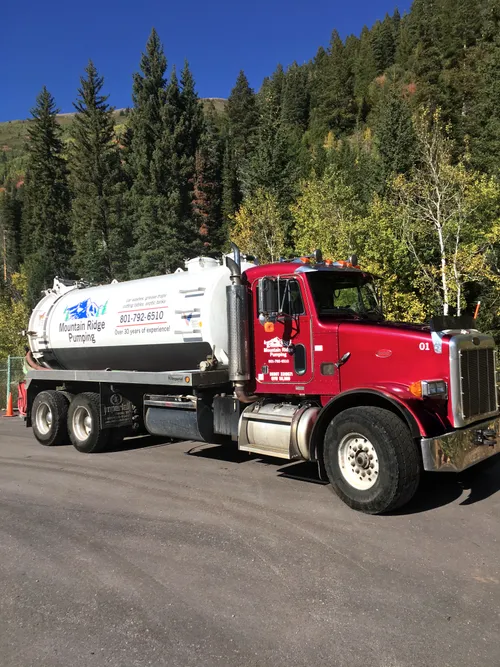
Mountain Ridge Pumping is a licensed and insured company based in Salt Lake City, UT, specializing in septic tank pumping and inspection services for both commercial and residential clients. With over 30 years of experience, they handle non-hazardous liquid waste removal from various sources including septic tanks, car wash pits, storm drains, and lift stations. The company emphasizes proper waste disposal and environmental responsibility by working with reputable waste treatment facilities.
A&B Sewer & Drain Cleaning
1061 Major St, Salt Lake City, UT 84111
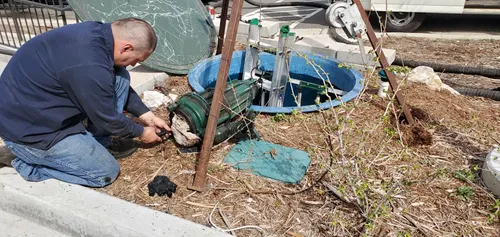
A&B Sewer & Drain Cleaning is a licensed, bonded, and insured company based in Salt Lake City, UT. They provide plumbing, sewer, and septic tank services for residential, commercial, and infrastructure clients. Their offerings include septic tank pumping, inspections, drain cleaning, water main replacement, and full video inspection services. The company serves both Utah and Nevada and is available around the clock for emergency plumbing needs.
Beck's Sanitation
543 Iron Rose Pl, Salt Lake City, UT 84104
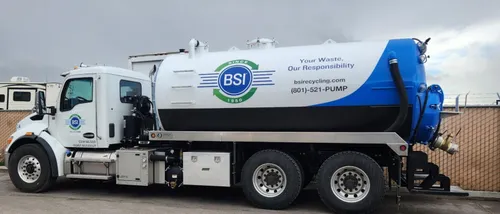
Beck's Sanitation is a family-owned sanitation company serving Salt Lake City, UT, with over 70 years of experience. They provide septic tank pumping and inspection along with grease trap cleaning, cooking oil recycling, storm drain maintenance, and wastewater management. Their services include commercial pumping and eco-friendly waste disposal, ensuring regulatory compliance and environmental safety. Beck's Sanitation also offers emergency clean-outs and routine maintenance to prevent blockages and flooding, supporting local businesses with reliable sanitation solutions.
Why Septic System Inspections Matter in Murray
Septic systems are out of sight but should never be out of mind. A failing system can lead to sewage backups in your home, contamination of groundwater, and costly environmental hazards. In Murray, septic systems are regulated by the Salt Lake County Health Department (SLCoHD), which mandates specific rules for installation, modification, and maintenance 1. Regular septic system evaluations are your first line of defense against these problems, helping to identify minor issues before they escalate into major failures requiring a full system replacement.
Local Regulations and Permit Requirements
Understanding local codes is the first step in responsible septic ownership. For any new installation, replacement, or significant modification to your system in Salt Lake County, you must obtain a construction permit approved by the SLCoHD. A critical rule is that all new or replaced systems must be inspected by a department official before they are backfilled. This ensures the installation meets all design and safety standards.
Furthermore, if your property uses an alternative, pressure-distributed, or holding tank system, you are subject to annual operating permit renewals 2. These renewals are a regulatory tool to ensure these more complex systems receive consistent, professional maintenance. Keeping your wastewater system in good working order is not just a recommendation-it's a requirement to prevent wastewater from surfacing and creating a public nuisance.
The Professional Septic Inspection Process
A thorough septic assessment follows a detailed procedure. Here's what you can expect when you hire a certified inspector:
- Locate Tank & Review Specifications: The inspector will start by locating all system components, often using the "as-built" design file on record with the local health department. This blueprint is essential for understanding the system's original layout and capacity.
- Inspect Tank Condition: The inspector will open the tank access ports to examine the interior. This involves checking the tank walls for structural integrity, ensuring the inlet and outlet baffles are intact and functioning, and inspecting pipes for cracks or blockages.
- Check Scum and Sludge Levels: A core part of the inspection is measuring the scum (floating layer) and sludge (settled solids). If the sludge depth exceeds one-third of the tank's liquid depth, it indicates the tank is overdue for pumping and is at risk of sending solids into the drain field.
- Evaluate the Drain Field: The inspector will survey the drain field area for signs of failure. Tell-tale indicators include surfacing wastewater, unusually lush or soggy grass, muddy patches, and persistent foul odors.
- Identify System Failures: The goal is to compile findings into a report that identifies any malfunctions, from minor repairs needed on a baffle to major drain field issues, providing you with a clear picture of your system's health 3.
Find the perfect septic tank inspection companies for your needs
Get personalized recommendations and expert advice
Inspection Frequency and Associated Costs
How often should you schedule a septic tank checkup? While pumping is typically recommended every 3 to 5 years depending on household size and tank capacity, a full inspection should coincide with this routine maintenance. The Salt Lake County Health Department suggests systems be inspected every 3-5 years as a general rule. This frequency allows professionals to catch problems early.
Regarding cost, a standard septic inspection in the region typically ranges from $250 to $500, though this can vary based on the system's size, type, and complexity 4. Often, this service is bundled with a pumping, which itself usually costs between $250 and $500 4 5. Investing in a periodic inspection is far more economical than the tens of thousands of dollars a full system failure can cost.
Choosing a Qualified Septic Inspector in Utah
Not all plumbers or contractors are qualified to perform official septic inspections. In Utah, individuals who design, inspect, and install onsite wastewater systems must hold a valid certification from the Utah Department of Environmental Quality (DEQ) 6 7. Always verify that any professional you hire has this current state certification. Hiring a certified expert ensures the inspection will be recognized by local health authorities if a permit issue arises and that it meets all technical standards.
What to Avoid Putting Into Your System
An inspection can reveal damage caused by improper use. To extend the life of your septic system and avoid common problems found during inspections, be vigilant about what goes down your drains. Key items to avoid include:
- Chemical drain cleaners, which can kill the essential bacteria in your tank.
- Grease, fat, and cooking oils, which solidify and cause clogs.
- "Flushable" wipes, dental floss, and cat litter, which do not break down.
- Excessive use of harsh household cleaners and antibacterial soaps 8.
Protecting your system from these contaminants will keep it functioning better between professional checkups.
Signs You Need an Inspection Sooner Than Scheduled
Don't wait for your scheduled maintenance if you notice any of these red flags:
- Slow drains or gurgling pipes throughout the house.
- Sewage odors in your yard or home.
- Wet, spongy, or brightly green grass over the drain field, especially when the rest of the yard is dry.
- Sewage backing up into household drains.
- Standing water or muddy soil around the septic tank or drain field area 9 10.
If you observe any of these issues, contact a certified septic inspection professional immediately to diagnose and address the problem.
Frequently asked questions
Sources
Footnotes
-
Septic & Onsite Wastewater Systems - Waste - Salt Lake County - https://www.saltlakecounty.gov/health/waste/septic/ ↩
-
Onsite Wastewater Regulation - https://seuhealth.gov/wp-content/uploads/2024/01/Onsite-Wastewater-Regulation-2021.pdf ↩
-
Septic Inspection Process: What Homeowners Should Know - LunsPro - https://www.lunspro.com/vlog/the-septic-system-inspection-process-what-homeowners-should-know ↩
-
Homeowners Guide to Septic Systems Brochure - Alpine, UT - https://www.alpineut.gov/DocumentCenter/View/136/Private-Septic-System-Care-PDF ↩ ↩2
-
How Often Should You Pump Your Septic Tank: 3 Factors Solved - https://www.frasiers.com/blog/sewage-tank-pump-frequency/ ↩
-
Wastewater Certification Permit Guide - https://deq.utah.gov/permits/permit-guide/wastewater-certification-permit-guide ↩
-
R317-11. Certification Required to Design, Inspect and ... - https://uwrl.usu.edu/files/pdf/owt/2022-class-materials/R317-11.pdf ↩
-
7 Things That Will Damage Your Septic System - Russo Bros. & Co. - https://russobrosplumbing.com/blog/3-worst-put-septic-system/ ↩
-
Frequent Questions on Septic Systems | US EPA - https://www.epa.gov/septic/frequent-questions-septic-systems ↩
-
10 Common Problems We Find During Septic System Inspections - https://skipswastewater.com/blog/10-common-problems-we-find-during-septic-system-inspections/ ↩