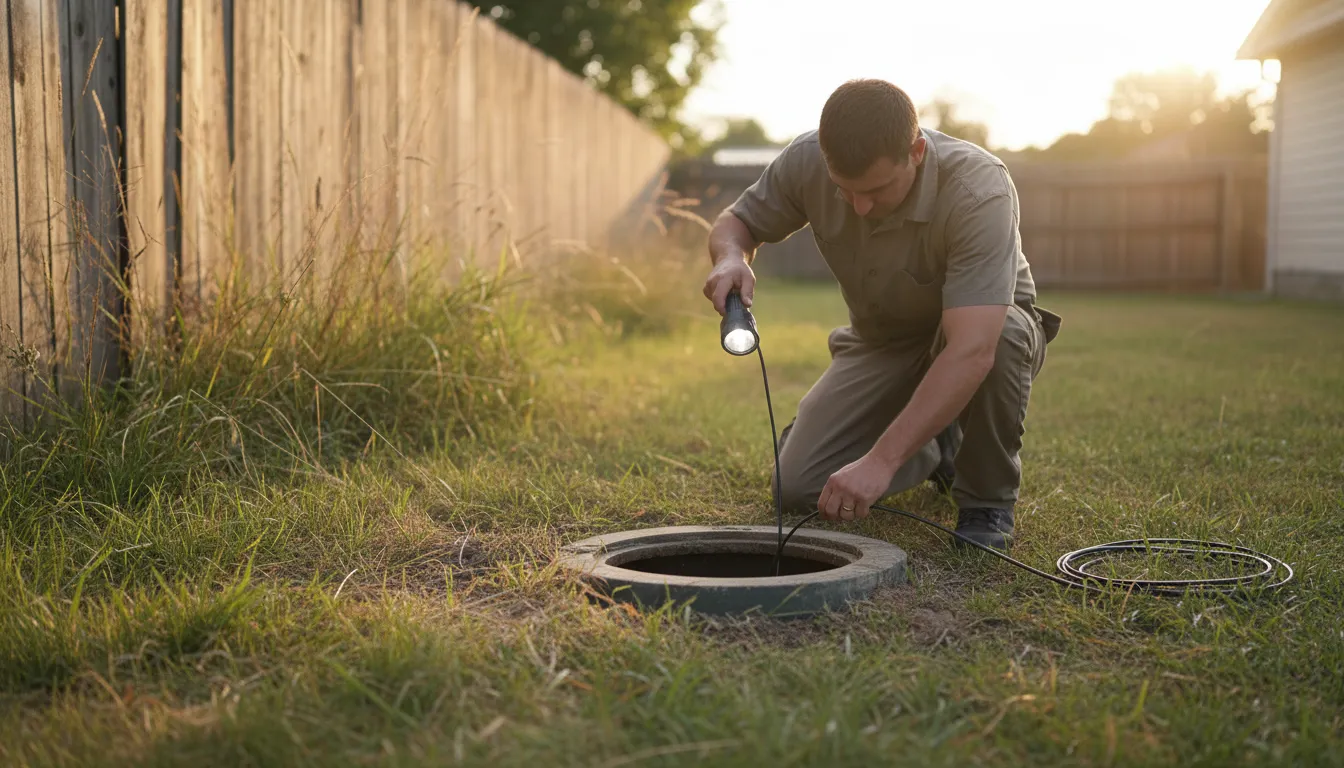
Find the Best Septic Tank Inspection Companies for Your Business
No obligation • Fast responses • Nationwide coverage

Why you can trust Septic Spot
Septic Spot is a leading United States resource for understanding and comparing septic services. Our editors review providers using consistent criteria and verify key business details. Listings and scores are independent, and companies cannot pay to influence our content.
Search providers near you
Top Septic Tank Inspection Companies in Orem, Utah Ranked
A septic tank inspection is a critical evaluation of your onsite wastewater system's health and functionality. This professional assessment is essential for protecting your property value, ensuring environmental safety, and preventing costly system failures. For Orem homeowners, finding a qualified local professional to conduct this evaluation is the first step toward responsible system maintenance and compliance with local regulations.

A-1 Septic
851 N 900 W, Orem, UT 84057
A-1 Septic is a septic tank pumping, inspection, and repair company serving Provo, UT, and the surrounding Utah County area. With over 60 years of experience, they offer a wide range of septic services including tank pumping, locating, inspections, maintenance, riser installations, and troubleshooting. Their capabilities also extend to wastewater system services such as holding tank pumping, lift station maintenance, and compliant wastewater disposal. The company operates six days a week and provides emergency services on Sundays.
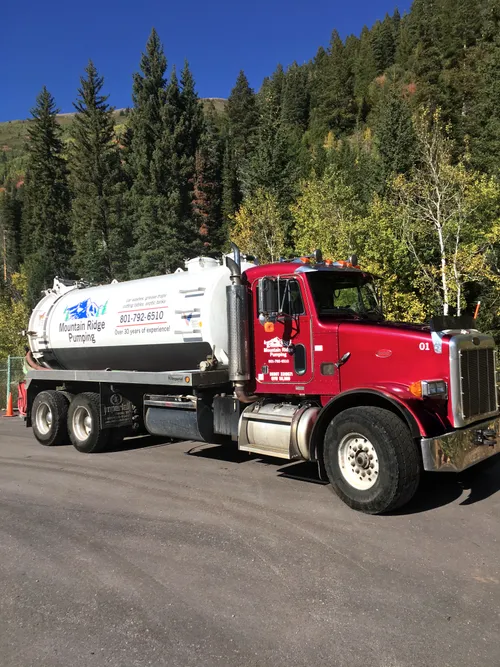
Mountain Ridge Pumping
Salt Lake City, UT
Mountain Ridge Pumping is a licensed and insured company based in Salt Lake City, UT, specializing in septic tank pumping and inspection services for both commercial and residential clients. With over 30 years of experience, they handle non-hazardous liquid waste removal from various sources including septic tanks, car wash pits, storm drains, and lift stations. The company emphasizes proper waste disposal and environmental responsibility by working with reputable waste treatment facilities.
Why Septic System Evaluations Are Crucial in Orem
Living in Orem means your home likely relies on a private septic system to manage wastewater. Unlike a municipal sewer connection, this system is your sole responsibility. A professional septic system inspection provides a clear snapshot of its condition, identifying potential problems before they escalate into emergencies like backups or drainfield failure. Regular checks are not just a good idea-they are often mandated. For instance, property transfers frequently require a certified inspection report for lenders and buyers 1. Proactive inspections can save you thousands in repair costs and protect Utah County's groundwater from contamination.
Understanding Local Regulations and Inspection Standards
Septic inspections in Orem and throughout Utah County are governed by state standards, specifically the Utah Administrative Code R317-4, which is overseen locally by the Utah County Health Department 2. These rules ensure inspections are thorough and consistent.
- Certified Professionals Required: By law, the inspection of septic systems must be performed by a professional certified by the Utah Department of Environmental Quality. This certification ensures the inspector has the training to properly evaluate all system components.
- Recommended Frequency: While pumping is often needed every 3-5 years, a full septic tank assessment is recommended at least every 3 years for conventional systems. Systems with pumps, aerators, or other mechanical components require even more frequent check-ups, often annually.
- The Inspection vs. Pumping: It's vital to understand that an inspection is different from pumping. Pumping removes the solids, while an inspection is a diagnostic evaluation of the entire system's condition. An inspection will determine if and when pumping is needed.
What a Comprehensive Septic Inspection Involves
A certified inspector follows a detailed process to evaluate your system's health. Knowing what to expect can help you prepare for the service visit.
1. Locating and Accessing the System The inspector will first locate your septic tank and drainfield, which may involve reviewing property records or probing the ground. They will then excavate to uncover the tank's access lids.
2. Evaluating Tank Contents and Levels This is a core part of the inspection. The inspector measures the sludge (bottom layer) and scum (top layer) levels inside the tank. According to guidelines, if the scum layer is within 6 inches of the outlet baffle or the sludge is within 12 inches, the tank requires pumping 3 4. These measurements directly indicate the tank's efficiency and need for maintenance.
3. Inspecting Structural Integrity The inspector checks the tank-typically concrete, fiberglass, or polyethylene-for cracks, leaks, or signs of deterioration. They also examine critical internal components like inlet and outlet baffles or tees, which are essential for controlling flow and preventing solids from escaping into the drainfield 5.
4. Checking Effluent Flow and Drainfield Function The inspection evaluates how wastewater flows from your home into the tank. More importantly, it assesses the condition of the drainfield (or leach field). The inspector looks for signs of failure, such as soggy ground, foul odors, or surfacing sewage, which indicate the soil is no longer properly absorbing treated effluent.
5. Providing a Detailed Report After the evaluation, you will receive a formal report detailing the system's condition, any issues found, and recommended actions. This document is crucial for maintenance planning and is often a required document for real estate transactions.
Find the perfect septic tank inspection companies for your needs
Get personalized recommendations and expert advice
Cost of Septic Inspections and Related Services in Orem
The cost of a septic tank check in Orem can vary based on the system's size, age, accessibility, and the inspection's complexity. Here's a general breakdown based on regional data:
- Standalone Inspection Cost: A basic visual inspection can start around $100, while a full, comprehensive inspection that includes a detailed report and may involve minor excavation typically ranges from $300 to $600 6. Complex inspections on older, deeply buried, or large-capacity systems can cost $1,000 or more 6.
- Pumping Cost: If the inspection reveals the tank needs to be pumped, that is a separate service. The average cost for septic tank pumping in the region is about $423, with a typical range of $200 to $1,237 depending on tank size 7 8.
- Combined Service Cost: Many homeowners opt for an inspection and pumping at the same time. A routine inspection combined with pumping for a standard residential system often totals between $500 and $800 9.
Choosing a Qualified Septic Inspection Professional
Selecting the right provider is as important as the inspection itself. Always verify that the company or individual holds current certification from the State of Utah 10. Look for established local businesses with strong reputations, proper insurance, and transparency about their inspection process and pricing. A trustworthy inspector will clearly explain their findings and provide a written report with photos or diagrams.
Maintaining Your System Between Inspections
A good inspection gives you a baseline, but daily care extends your system's life. Avoid flushing anything besides human waste and toilet paper. Conserve water to prevent hydraulically overloading the drainfield. Never pour grease, chemicals, or medications down the drain. Keep vehicles and heavy structures off the drainfield area. Finally, keep a record of all inspections, pumpings, and repairs for future reference and for potential home buyers.
Frequently asked questions
Sources
Footnotes
-
Septic Systems - Southwest Utah Public Health Department - https://swuhealth.gov/septic-systems/ ↩
-
r317-4: onsite wastewater systems - Utah Water Research Laboratory - https://uwrl.usu.edu/files/pdf/owt/2023-class-materials/R317-4_reader-friendly_updated.pdf ↩
-
Homeowner's Guide to Septic Systems - https://marionhealth.org/wp-content/uploads/2024/02/EPA_Homeowner_Guide_Septic_Systems.pdf ↩
-
What to Expect from a Septic Inspection - https://www.wrenvironmental.com/blog/2023/may/what-to-expect-from-a-septic-inspection/ ↩
-
Septic Inspections Made Easy: What Every Contractor Needs to ... - https://flengineeringllc.com/septic-inspections-guide-contractors-2025/ ↩
-
Septic Tank Inspection Cost Guide | What to Expect & Save | Blog - https://www.blueribbonseptic.com/blog/septic-tank-inspection-costs-are-you-paying-too-much ↩ ↩2
-
Septic System Cost Estimate: A Complete Breakdown - Land Perc - https://landperc.com/septic-system-cost-estimate/ ↩
-
Septic Tank Pumping Cost: Guide & Pricing in 2025 - Splash Plumbing - https://www.splashplumbing.com/how-much-does-it-cost-to-pump-septic-tank-understanding-pricing-and-factors-involved/ ↩
-
Homeowners Guide to Septic Systems Brochure - Alpine, UT - https://www.alpineut.gov/DocumentCenter/View/136/Private-Septic-System-Care-PDF ↩
-
Wastewater Certification Permit Guide - https://deq.utah.gov/permits/permit-guide/wastewater-certification-permit-guide ↩