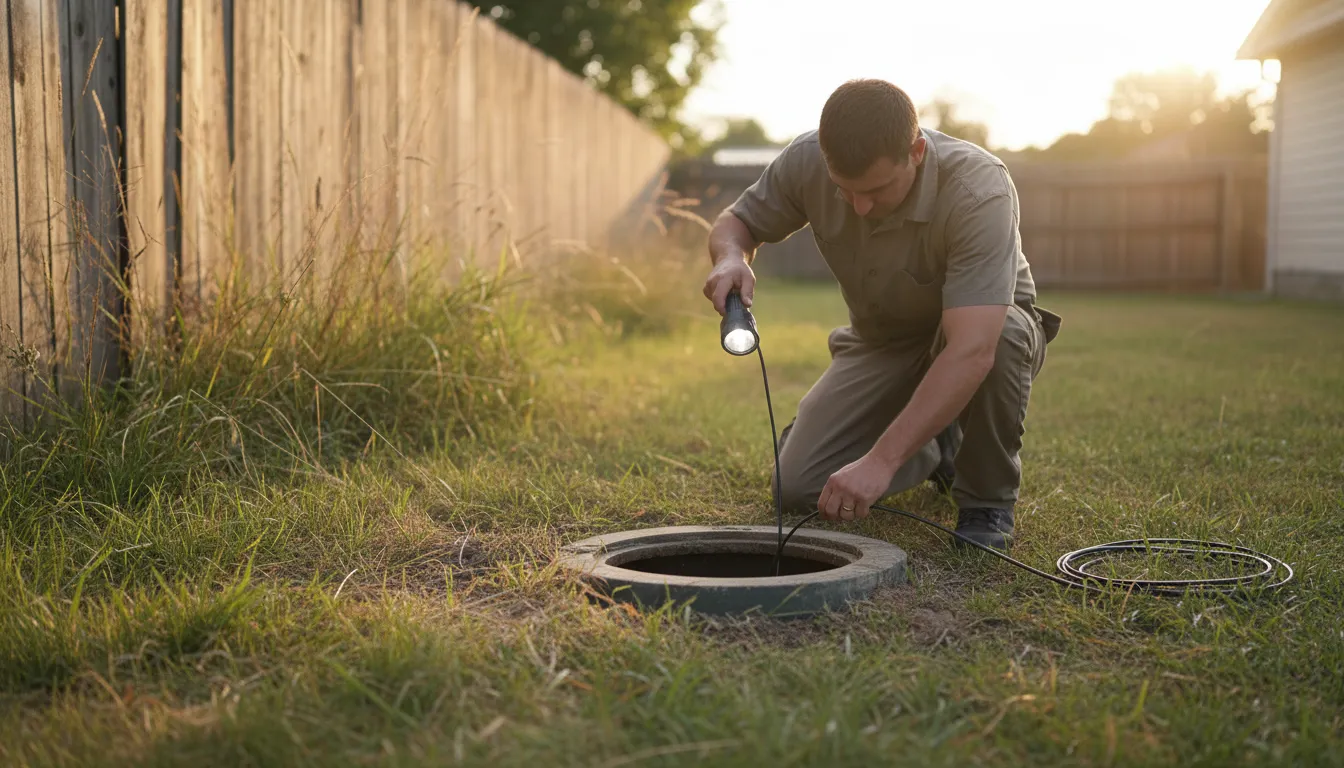
Find the Best Septic Tank Inspection Companies for Your Business
No obligation • Fast responses • Nationwide coverage

Why you can trust Septic Spot
Septic Spot is a leading United States resource for understanding and comparing septic services. Our editors review providers using consistent criteria and verify key business details. Listings and scores are independent, and companies cannot pay to influence our content.
Search providers near you
Top Septic Tank Inspection Companies in Sandy, Utah Ranked
A septic tank inspection is a critical evaluation of your onsite wastewater system's health and functionality. In Sandy, where many homes rely on these private systems, regular assessments are essential for protecting your property value, ensuring public health, and complying with local regulations. This guide explains what a septic system inspection entails, why it's necessary, and how you can find certified local professionals to perform this vital service.

A-1 Septic
851 N 900 W, Orem, UT 84057
A-1 Septic is a septic tank pumping, inspection, and repair company serving Provo, UT, and the surrounding Utah County area. With over 60 years of experience, they offer a wide range of septic services including tank pumping, locating, inspections, maintenance, riser installations, and troubleshooting. Their capabilities also extend to wastewater system services such as holding tank pumping, lift station maintenance, and compliant wastewater disposal. The company operates six days a week and provides emergency services on Sundays.
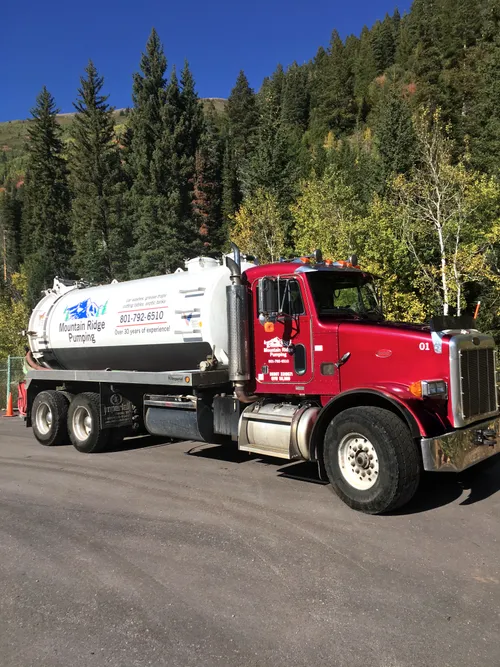
Mountain Ridge Pumping
Salt Lake City, UT
Mountain Ridge Pumping is a licensed and insured company based in Salt Lake City, UT, specializing in septic tank pumping and inspection services for both commercial and residential clients. With over 30 years of experience, they handle non-hazardous liquid waste removal from various sources including septic tanks, car wash pits, storm drains, and lift stations. The company emphasizes proper waste disposal and environmental responsibility by working with reputable waste treatment facilities.
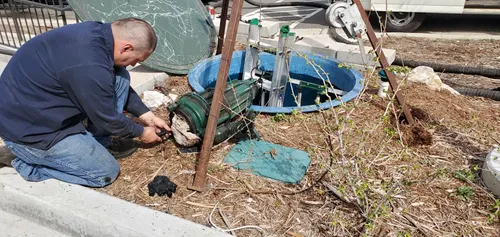
A&B Sewer & Drain Cleaning
1061 Major St, Salt Lake City, UT 84111
A&B Sewer & Drain Cleaning is a licensed, bonded, and insured company based in Salt Lake City, UT. They provide plumbing, sewer, and septic tank services for residential, commercial, and infrastructure clients. Their offerings include septic tank pumping, inspections, drain cleaning, water main replacement, and full video inspection services. The company serves both Utah and Nevada and is available around the clock for emergency plumbing needs.
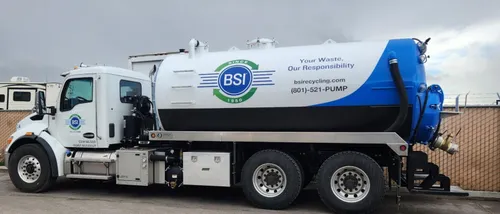
Beck's Sanitation
543 Iron Rose Pl, Salt Lake City, UT 84104
Beck's Sanitation is a family-owned sanitation company serving Salt Lake City, UT, with over 70 years of experience. They provide septic tank pumping and inspection along with grease trap cleaning, cooking oil recycling, storm drain maintenance, and wastewater management. Their services include commercial pumping and eco-friendly waste disposal, ensuring regulatory compliance and environmental safety. Beck's Sanitation also offers emergency clean-outs and routine maintenance to prevent blockages and flooding, supporting local businesses with reliable sanitation solutions.
Why Septic System Inspections Are Crucial in Sandy
Septic systems are out of sight but should never be out of mind. A failing system can lead to raw sewage backing up into your home, contaminating groundwater, or creating unhealthy conditions in your yard. In Sandy, specific county and state codes govern these systems. Regular inspections help you catch minor issues-like a clogged baffle or early signs of drain field saturation-before they become expensive, hazardous failures. The U.S. Environmental Protection Agency recommends an inspection every 1-3 years to maintain system longevity and environmental safety.
Beyond routine maintenance, a professional septic evaluation is often legally required. In Salt Lake County, a final inspection by a certified professional is mandatory before any new, altered, or repaired system can be backfilled (covered with soil). Furthermore, if you plan to remodel your home, such as adding bedrooms, the existing system must be inspected to ensure it can handle the increased wastewater load under current codes. For home buyers and sellers, a thorough septic tank inspection provides peace of mind and is a standard part of due diligence in rural and suburban property transactions.
Understanding Local Regulations and Certification
Navigating the rules for onsite wastewater systems in Sandy starts with the Salt Lake County Health Department, which enforces state regulations outlined in the Utah Administrative Code 1. A key rule for homeowners to know: any work involving a septic system-including new installation, major alteration, or repair-requires a permit from the county.
Perhaps the most important regulation is who can do the work. In Utah, only state-certified Onsite Wastewater Treatment System (OWTS) Professionals are legally authorized to design, inspect, and maintain septic systems. Hiring a certified inspector ensures the evaluation is performed to code standards and that the resulting report will be accepted by local health authorities for permitting purposes. Always verify a provider's certification before scheduling an inspection.
What Does a Comprehensive Septic Inspection Involve?
A professional septic system assessment is a multi-step process that goes far beyond just looking at the tank. Here's what you can expect during a typical inspection in Sandy:
- Locating the System: The inspector will first locate all components, including the septic tank, distribution box, and drain field. This may involve consulting property records or using probing tools.
- Uncovering Access Points: The inspection covers (manhole lids) on the tank must be excavated and opened. If the tank is full, pumping may be necessary to properly inspect the interior components.
- Evaluating Tank Conditions: Inside the tank, the inspector measures the levels of sludge (settled solids) and scum (floating fats and oils). These levels determine if pumping is needed. They also check the structural integrity of the tank for cracks, leaks, or corrosion, and inspect the inlet and outlet baffles to ensure they are intact and functioning 2.
- Checking the Drain Field: The inspector evaluates the soil absorption area (leach field) for signs of failure. Red flags include overly lush or soggy grass above the field, standing wastewater (effluent) on the surface, or foul odors 3 4.
- System Function Test: Often, the inspector will run water through the household plumbing to check for slow drainage, backups, or signs that the system is not accepting water properly.
- Reporting: Finally, a detailed report is prepared. This document outlines the system's condition, notes any problems or code violations, and provides recommendations for maintenance or repairs 5 6.
Find the perfect septic tank inspection companies for your needs
Get personalized recommendations and expert advice
The Cost of Inspection and Pumping in Sandy
Understanding the potential costs helps homeowners budget for this essential maintenance. A standard septic tank inspection in the Sandy area typically ranges from $100 to $1,0007. The price varies based on the system's complexity, its accessibility, and whether the tank needs to be pumped to complete the visual assessment.
Frequently, an inspection reveals that pumping is necessary. The cost to pump a septic tank is separate and generally ranges from $200 to over $1,200, with national averages often cited between $290 and $560 8 9 10. Key factors influencing the pumping price include:
- Tank Size: Standard residential tanks in Sandy must have a minimum capacity of 1,000 gallons for up to three bedrooms, and 1,250 gallons for four bedrooms 11. Larger tanks cost more to pump.
- Accessibility: If the tank lids are buried deep or under hardscape, extra labor for excavation will increase the cost.
- Sludge Volume: The amount of accumulated solids directly affects the time and disposal fees.
While these are important investments, they are minor compared to the cost of a full system replacement, which can run into the tens of thousands of dollars. Regular inspection and pumping are the most cost-effective strategies for septic system care.
When Is a Septic Evaluation Absolutely Necessary?
While annual or triennial check-ups are wise, certain events should trigger an immediate inspection:
- Before Buying or Selling a Home: A septic inspection is a standard contingency in real estate transactions for homes not connected to municipal sewer lines.
- Prior to a Major Remodel: Adding a bathroom, increasing bedroom count, or installing water-intensive appliances (like a garbage disposal) increases wastewater flow. The system must be inspected to verify it can handle the new load 12.
- If You Notice Warning Signs: Be alert to symptoms of failure, including slow-draining sinks and toilets, gurgling sounds in plumbing, sewage backups, soggy ground or foul smells near the tank or drain field, and unusually green grass over the leach field.
- As Required by Permit: Any application for a new system, repair, or alteration will require a professional inspection as part of the county's permitting process 13 14.
Maintaining Your System Between Inspections
A professional inspection is the cornerstone of septic care, but homeowner habits between visits significantly impact system health. To extend the life of your system and avoid premature failures:
- Conserve Water: Spread out laundry loads, fix leaky faucets, and install high-efficiency fixtures to avoid overwhelming the drain field.
- Mind What You Flush: Only human waste and toilet paper should go down the drain. Avoid flushing wipes (even "flushable" ones), feminine hygiene products, dental floss, cooking grease, and chemicals.
- Protect the Drain Field: Never park vehicles or build structures over the leach field. Divect downspouts and surface runoff away from the area to prevent saturation.
- Keep Records: Maintain a file of all inspection reports, pumping receipts, repair invoices, and system diagrams. This history is invaluable for troubleshooting and is essential if you sell your home.
By partnering with a certified septic inspection professional and following these maintenance guidelines, Sandy homeowners can ensure their onsite wastewater system operates safely and efficiently for decades.
Frequently asked questions
Sources
Footnotes
-
DAR File No. 39821 - Utah Administrative Rules - https://rules.utah.gov/publicat/bulletin/2015/20151101/39821.htm ↩
-
Septic Tanks: How to Inspect Your System For Common Problems - https://elvisservicecompany.com/news/septic-tanks-how-to-inspect-your-system-for-common-problems/ ↩
-
Frequent Questions on Septic Systems | US EPA - https://www.epa.gov/septic/frequent-questions-septic-systems ↩
-
Guidance for the Inspection of On-site Sewage Disposal Systems - https://www.mass.gov/guides/guidance-for-the-inspection-of-on-site-sewage-disposal-systems ↩
-
Understanding the Importance of Septic Inspections as a Buyer and Homeowner - https://www.rismedia.com/2024/04/18/understanding-importance-septic-inspections-buyer-homeowner/ ↩
-
What to Expect from a Septic Tank Inspection - https://www.mecindustries.com/morse-engineering-and-construction-industries/what-to-expect-from-a-septic-tank-inspection ↩
-
Septic System Cost Estimate: A Complete Breakdown - Land Perc - https://landperc.com/septic-system-cost-estimate/ ↩
-
Septic Tank Pumping Cost: Guide & Pricing in 2025 - Splash Plumbing - https://www.splashplumbing.com/how-much-does-it-cost-to-pump-septic-tank-understanding-pricing-and-factors-involved/ ↩
-
Understanding the Average Cost to Pump a Septic Tank - https://www.scorpionsepticservices.com/blog/understanding-the-average-cost-to-pump-a-septic-tank ↩
-
How Much Does it Cost to Pump a Septic Tank? 2026 Price Guide - https://rescueheroplumbing.com/how-much-does-it-cost-to-pump-a-septic-tank ↩
-
TriCounty Health Department TCHD-WW-0317 Wastewater Regulation - https://www.utah.gov/pmn/files/938461.pdf ↩
-
Wastewater Certification Permit Guide - https://deq.utah.gov/permits/permit-guide/wastewater-certification-permit-guide ↩
-
Septic & Onsite Wastewater Systems - Waste - Salt Lake County - https://www.saltlakecounty.gov/health/waste/septic/ ↩
-
SEPTIC SYSTEM APPLICATION CHECKLIST v03-2023 - https://swuhealth.org/wp-content/uploads/2023/03/SEPTIC-SYSTEM-APPLICATION-CHECKLIST_2023-03.pdf ↩