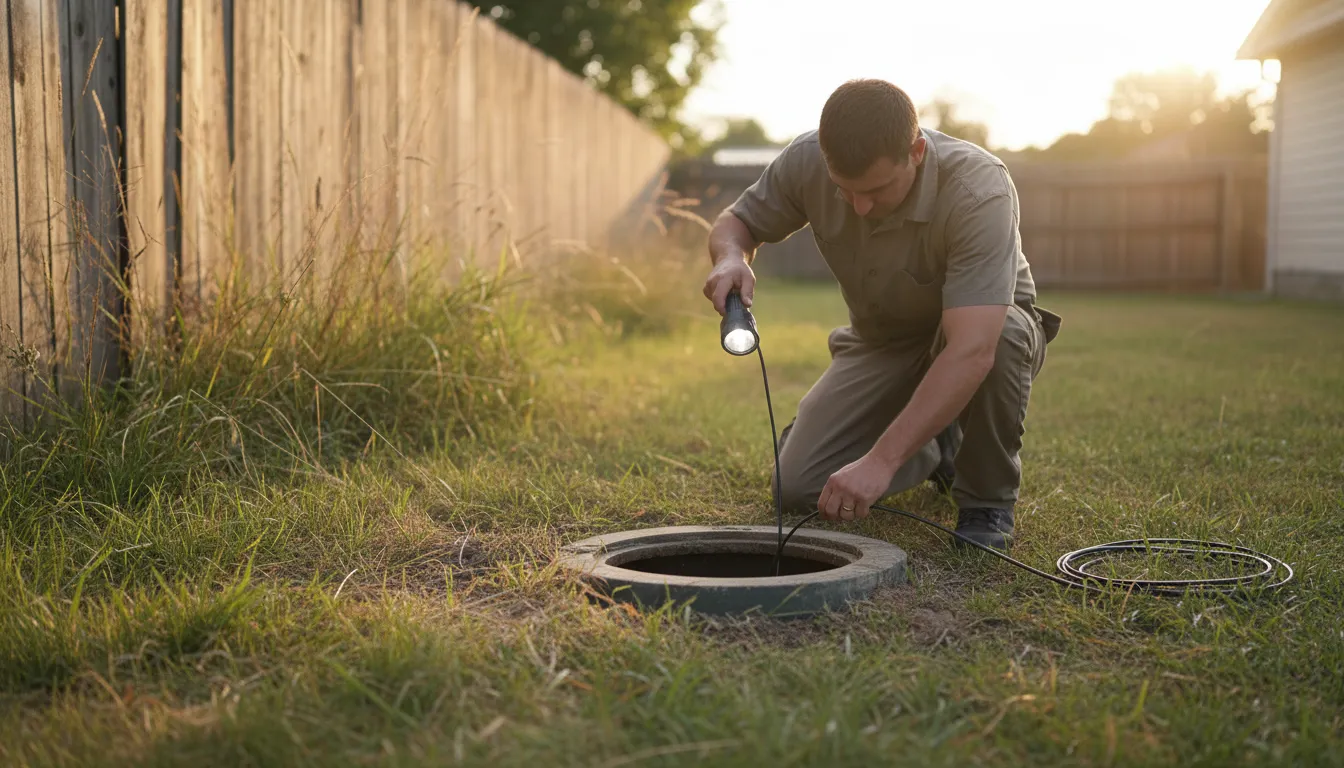
Find the Best Septic Tank Inspection Companies for Your Business
No obligation • Fast responses • Nationwide coverage

Why you can trust Septic Spot
Septic Spot is a leading United States resource for understanding and comparing septic services. Our editors review providers using consistent criteria and verify key business details. Listings and scores are independent, and companies cannot pay to influence our content.
Search providers near you
Top Septic Tank Inspection Companies in Taylorsville, Utah Ranked
A septic tank inspection is a vital health and safety check for your home's wastewater system. This professional evaluation ensures your system is functioning properly, protecting your property, your family's health, and the local environment. For Taylorsville homeowners, understanding the local regulations and inspection process is key to responsible homeownership. This guide helps you navigate the essentials of septic system evaluations and connect with certified local professionals to maintain your system's health.

A-1 Septic
851 N 900 W, Orem, UT 84057
A-1 Septic is a septic tank pumping, inspection, and repair company serving Provo, UT, and the surrounding Utah County area. With over 60 years of experience, they offer a wide range of septic services including tank pumping, locating, inspections, maintenance, riser installations, and troubleshooting. Their capabilities also extend to wastewater system services such as holding tank pumping, lift station maintenance, and compliant wastewater disposal. The company operates six days a week and provides emergency services on Sundays.
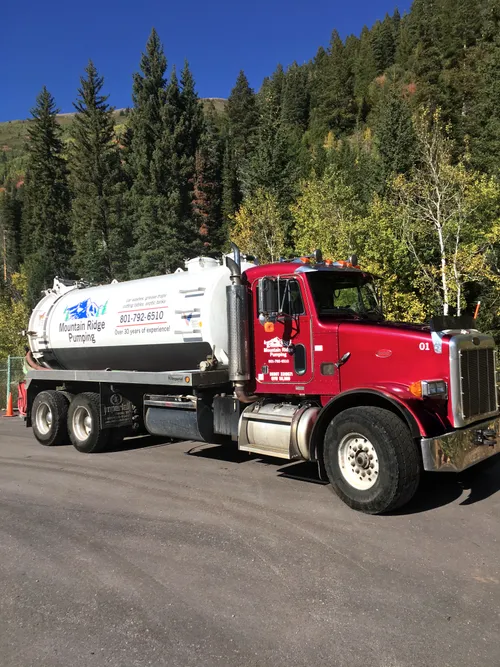
Mountain Ridge Pumping
Salt Lake City, UT
Mountain Ridge Pumping is a licensed and insured company based in Salt Lake City, UT, specializing in septic tank pumping and inspection services for both commercial and residential clients. With over 30 years of experience, they handle non-hazardous liquid waste removal from various sources including septic tanks, car wash pits, storm drains, and lift stations. The company emphasizes proper waste disposal and environmental responsibility by working with reputable waste treatment facilities.
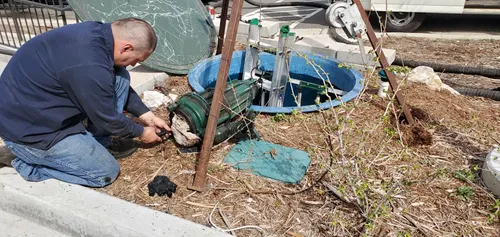
A&B Sewer & Drain Cleaning
1061 Major St, Salt Lake City, UT 84111
A&B Sewer & Drain Cleaning is a licensed, bonded, and insured company based in Salt Lake City, UT. They provide plumbing, sewer, and septic tank services for residential, commercial, and infrastructure clients. Their offerings include septic tank pumping, inspections, drain cleaning, water main replacement, and full video inspection services. The company serves both Utah and Nevada and is available around the clock for emergency plumbing needs.
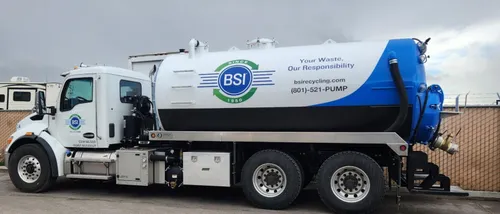
Beck's Sanitation
543 Iron Rose Pl, Salt Lake City, UT 84104
Beck's Sanitation is a family-owned sanitation company serving Salt Lake City, UT, with over 70 years of experience. They provide septic tank pumping and inspection along with grease trap cleaning, cooking oil recycling, storm drain maintenance, and wastewater management. Their services include commercial pumping and eco-friendly waste disposal, ensuring regulatory compliance and environmental safety. Beck's Sanitation also offers emergency clean-outs and routine maintenance to prevent blockages and flooding, supporting local businesses with reliable sanitation solutions.
Understanding Septic System Regulations in Salt Lake County
In Taylorsville, all septic and onsite wastewater systems are regulated by the Salt Lake County Health Department, Division of Environmental Health1 2. These systems must comply with Utah State Rule R317-4, which sets the standards for design, installation, and maintenance3 4. A core requirement is that any inspection, soil test, or repair must be performed by a state-certified and licensed professional3 5. This certification ensures the inspector has the necessary training to accurately assess your system and identify issues that could lead to costly failures or environmental contamination.
A permit from the county is mandatory for any new system installation, major repair, or alteration of an existing system. If you are selling your home or planning a significant renovation, the county may require a new inspection to verify the system meets current code. Keeping detailed records of all inspections, pumping, and repairs is not just good practice-it's often essential for demonstrating compliance and can be a critical factor during a real estate transaction.
Why Regular Septic Inspections Are Non-Negotiable
Think of a septic system evaluation as routine preventative medicine for your property. The U.S. Environmental Protection Agency (EPA) recommends having your system inspected every 1 to 3 years6. This regular check-up is far more affordable than dealing with a full system failure. Waiting for obvious signs of trouble-like sewage backups into your home, foul odors, or soggy patches in your drain field-often means the problem has escalated, and repairs can easily cost thousands of dollars7 8.
A professional assessment provides peace of mind. It confirms that the hidden infrastructure handling your household wastewater is intact and operating safely. Regular inspections help you plan and budget for necessary maintenance, like pumping, before it becomes an emergency. For the safety of your household, remember: never attempt to open a septic tank yourself. Hazardous gases inside can be instantly fatal.
What a Certified Inspector Checks During a Septic Evaluation
A thorough septic system inspection in Taylorsville follows a detailed protocol to assess every component. While the exact process can vary, certified professionals generally adhere to guidelines similar to those outlined by health departments. Here's what you can expect during a comprehensive evaluation:
- System Location & Record Review: The inspector will first locate all components-the septic tank, distribution box, and drain field (leach field). They will also review any available maintenance records to understand the system's history.
- Tank Integrity & Scum/Sludge Levels: This is the core of the inspection. The inspector will open the tank access ports (manholes) to measure the levels of scum (floating layer) and sludge (settled solids). These measurements determine if the tank needs to be pumped. They will also check the tank's interior walls, baffles, and the effluent filter (if present) for structural soundness and proper function.
- Inlet & Outlet Assessment: The pipes leading into and out of the tank (inlet and outlet baffles) are inspected for blockages, damage, or wear that could impede flow.
- Drain Field Evaluation: The inspector will examine the drain field area for tell-tale signs of failure. This includes looking for standing water, overly soggy or bright green grass, and sewage odors-all indicators that the soil is no longer absorbing and filtering the treated wastewater 9.
- Check for Leaks and Backups: The inspector looks for signs of leakage around the tank and checks for any backup into the home's plumbing system.
Find the perfect septic tank inspection companies for your needs
Get personalized recommendations and expert advice
Septic Inspection and Pumping Costs in Taylorsville
The cost for septic services in Taylorsville depends on several factors, including the size of your tank, its accessibility, and the scope of the inspection. Based on local and national service provider data, here are typical price ranges you can expect 10 11:
- Basic Inspection: A standard visual inspection and assessment of sludge/scum levels typically costs between $100 and $250.
- Comprehensive Inspection: A more detailed evaluation, which may include a drain field assessment, camera scoping of lines, or a full report for a real estate transaction, generally ranges from $250 to $500.
- Septic Tank Pumping: Pumping is often recommended following an inspection if sludge levels are high. For a standard residential tank, pumping costs between $300 and $700. Larger systems, or those with difficult access, can cost $700 or more12 13 14.
It's important to note that pumping frequency is separate from inspection frequency. While inspections are advised every 1-3 years, the EPA recommends pumping your tank every 3 to 5 years, though this varies based on household size and usage. Your inspector will provide a personalized recommendation after evaluating your tank's conditions.
Key Steps for Maintaining a Healthy Septic System
Beyond scheduling regular professional check-ups, homeowners play a crucial role in system longevity. Proper maintenance starts with what goes down your drains. Avoid flushing anything besides human waste and toilet paper. Never pour cooking grease, chemicals, paints, or medications down the drain, as these can kill the essential bacteria in your tank and contaminate groundwater.
Conserve water to avoid overloading the system. Fix leaky faucets and toilets promptly, and spread out laundry loads throughout the week instead of doing many loads in one day. Be mindful of what you plant over your drain field; deep-rooted trees and shrubs can damage the underground pipes. Finally, keep vehicles and heavy equipment off the drain field area to prevent soil compaction and pipe damage.
When You Need More Than an Inspection: Repairs and Installation
If an inspection reveals problems like a cracked tank, failing drain field, or damaged components, you will need to consult with a certified professional for repairs. All repair work in Salt Lake County requires a permit and must be completed by a licensed contractor. For new home construction or replacement of a failed system, the process begins with a site evaluation and soil test by a certified professional to design a system that complies with current county and state regulations.
Frequently asked questions
Sources
Footnotes
-
Septic & Onsite Wastewater Systems - Waste - Salt Lake County - https://www.saltlakecounty.gov/health/waste/septic/ ↩
-
Septic & Onsite Wastewater Systems - Waste - https://www.saltlakecounty.gov/health/waste/septic/ ↩
-
Wastewater Certification Permit Guide - Utah Department of ... - https://deq.utah.gov/permits/permit-guide/wastewater-certification-permit-guide ↩ ↩2
-
Untitled - https://tooelehealth.org/wp-content/uploads/2013/01/Signed-copy-Reg-12-Wastewater-Disposal.pdf ↩
-
TriCounty Health Department TCHD-WW-0317 Wastewater Regulation - https://www.utah.gov/pmn/files/938461.pdf ↩
-
Frequent Questions on Septic Systems | US EPA - https://www.epa.gov/septic/frequent-questions-septic-systems ↩
-
Do-It-Yourself Septic System Inspection Field Guide - https://doh.wa.gov/sites/default/files/legacy/Documents/Pubs//337-122.pdf ↩
-
Septic Tank Regulations Homeowners Compliance Guide | Blog - https://www.blueribbonseptic.com/blog/septic-tank-regulations-homeowners-compliance ↩
-
Homeowners Guide to Septic Systems Brochure - Alpine, UT - https://www.alpineut.gov/DocumentCenter/View/136/Private-Septic-System-Care-PDF ↩
-
Septic Tank Inspection Cost Guide | What to Expect & Save | Blog - https://www.blueribbonseptic.com/blog/septic-tank-inspection-costs-are-you-paying-too-much ↩
-
Septic Tank Inspection Cost Guide | What to Expect & Save - https://www.blueribbonseptic.com/blog/septic-tank-inspection-costs-are-you-paying-too-much ↩
-
Septic Tank Pumping Cost: Guide & Pricing in 2025 - Splash Plumbing - https://www.splashplumbing.com/how-much-does-it-cost-to-pump-septic-tank-understanding-pricing-and-factors-involved/ ↩
-
Septic Tank Pumping Cost: What to Expect and Budget For - https://atlantaseptictankpros.com/septic-tank-pumping-cost-what-to-expect-and-budget-for/ ↩
-
How Much Does Septic Tank Pumping Cost in 2025? - HomeAdvisor - https://www.homeadvisor.com/cost/plumbing/clean-septic-tank/ ↩